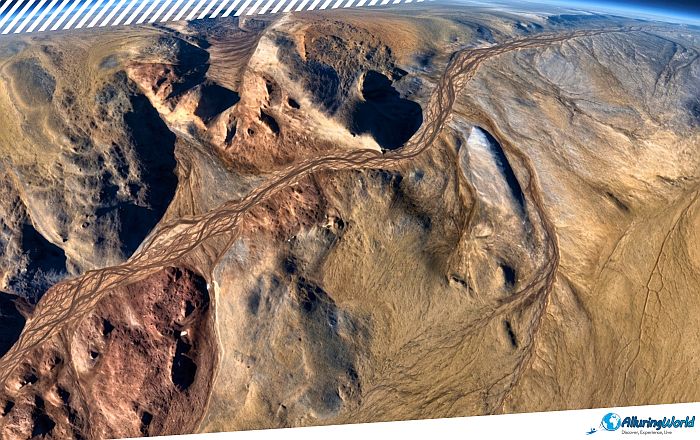
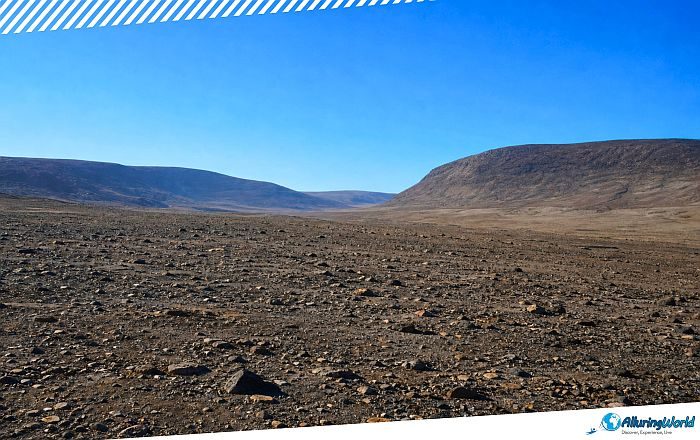
The Haughton Impact Crater is one of the most fascinating geological formations on Earth, located on the remote and desolate Devon Island in the Arctic Circle, or more precisely in the Qikiqtaaluk Region of Nunavut, within the northern part of Canada. Formed millions of years ago due to a big asteroid impact, this gigantic crater has now turned into an extremely important site for scientists, explorers, and space researchers interested in the history of the Earth as well as potential life elsewhere in space. The arid, dry, and barren terrain of the site bears a striking resemblance to some areas of the red planet, Mars; however, it is certain that it could be similar to other rocky bodies within our Solar System. Not merely a geological oddity, the Haughton Impact Crater is a place that is a mixture of nature’s history, Arctic wilderness, and scientific discovery, which is quite difficult to reach. Its isolated location, unique geological composition, and harsh environment make it an ideal research laboratory for scientists who conduct equipment tests, research geology, and examine how life can exist in such a difficult environment.
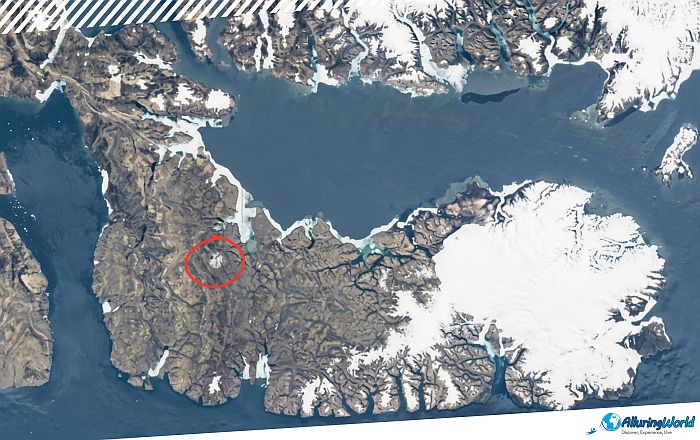
Haughton Impact Crater is more specifically located on the western side of Devon Island, and this island is considered to be the largest uninhabited island on Earth, which forms part of the Canadian Arctic Archipelago. The crater lies approximately 1,000 kilometers (620 miles) from the North Pole, surrounded by an immense landscape of glaciers, polar desert, and rugged Arctic mountains. The crater has a diameter of 23 kilometers (14 miles), taking up an area of more than 300 square kilometers (116 square miles). Even though the structure is huge in size, it cannot be easily identified from the ground as erosion and weathering, together with sediment deposits, have altered its original form. For an untrained eye, it doesn’t have the usual form that you would expect: a wide and deep hole in the ground.
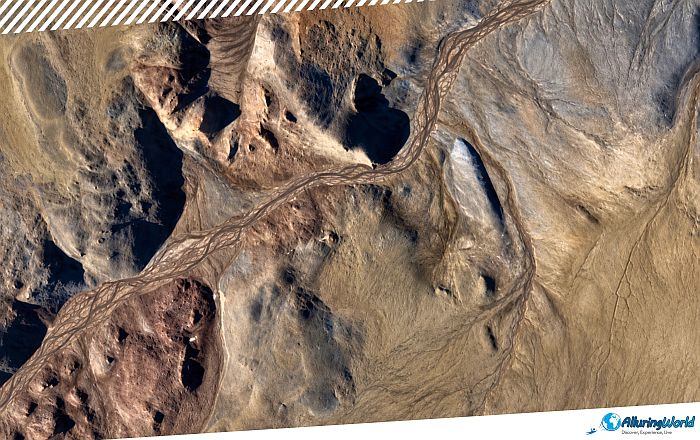
The surroundings, nonetheless, are some of the most inhospitable environments to be found anywhere in the world. Devon Island gets extremely low rainfall; therefore, it falls in the category of polar desert. Since the terrain comprises bare rocks, gravel plains, permafrost, and sparse vegetation, it is presented as an alien-like environment which is perfect for testing vehicles and other equipment that could be used on other planets with similar surroundings. The formation of the Haughton Impact Crater is considered by some sources to have taken place about 23 million years ago in the Miocene Epoch, when an asteroid or meteorite fell on Devon Island. In comparison, others place it 31–32 million years ago during the Eocene/Oligocene boundary or Oligocene Epoch. This impact took place with tremendous power and released energy comparable to millions of tons of dynamite instantly, thus creating the crater that could have been seen for millions of years to come.
The impact of the asteroid on the ground caused such immense pressure and heat that it broke the rocks around the impact zone, thus forming the large impact basin. The collision resulted in shock waves that modified the mineral structure of the rock, melted parts of the rock, and even led to the formation of impact breccias, which are composite rocks formed during meteorite impacts. Due to erosion through geologic time, the physical features of the crater were altered; however, the process of erosion through ice, wind, and temperature change only modified the shape, but not the original formation of the crater. The crater is relatively young when compared to other impact craters on Earth; therefore, there have been many studies on the physical characteristics of the crater. The geological features of Haughton Impact Crater include sedimentary rocks, impact melt rocks, and beds that show the effects of the intense forces created when the meteorite hit.
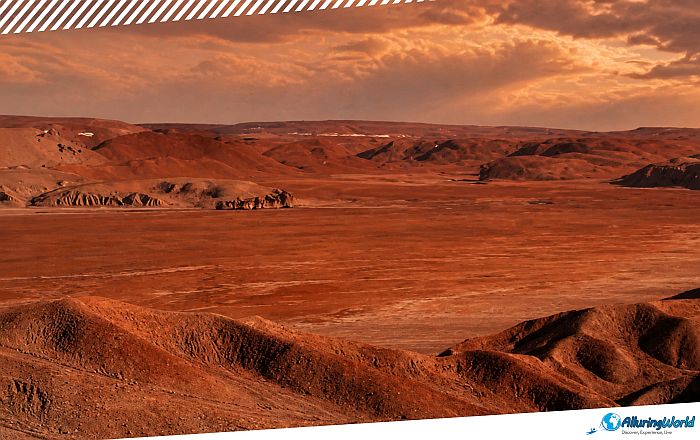
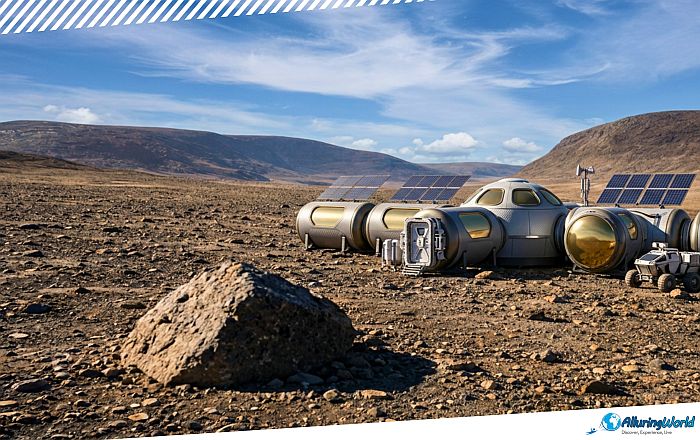
This makes it one of the most well-preserved impact craters. One of the main reasons Haughton Impact Crater has gained international attention is its similarity to the Martian surface. The combination of extreme cold, dryness, barren terrain, and geological formations makes it one of the closest Earth environments to Mars. For over two decades, the site has served as a test facility by NASA and other scientific agencies for technologies required to explore Mars. Scientists have investigated the possibility of operating robotics and exploration equipment in the tough conditions found in outer space environments, and this place has proved to be the best one for such instances. The location is home to the Haughton-Mars Project, which is an international scientific project that studies the planet, robotics, geology, and human space missions. The crater is used by scientists to experiment with technologies such as autonomous robots, geological instruments, and biosignature detection.
ADVERTISEMENT
The experience gained from this interesting place can be applied directly in future missions on Mars and elsewhere in the solar system. By observing how machines and people function in such an environment, scientists acquire important information regarding the exploration of planets. Although Haughton looks like a lifeless place at present, geologists have found that the place had a different climate millions of years ago. Fossils found within the crater’s ancient lakebed sediments prove that Devon Island was much warmer then and could accommodate diverse plant and animal life. Even the collision itself gives us an idea of the effects that such an event may have on planets. Other bodies in the Solar System, like the Moon and Mars, have experienced similar collisions. Scientists continue to examine the possibility that impact craters may have been temporary homes to microbial life, but in the case of Earth, impact zones occasionally form environments in which microbes can survive in extreme conditions. These studies assist scientists in searching for possible locations for life on other planets, and help them come to a better conclusion if we are all alone in the galaxy.
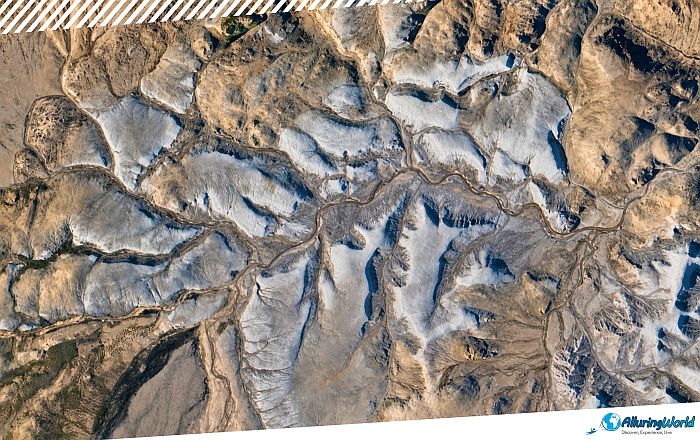
Although Devon Island looks extremely harsh, it is far from being lifeless. The area contains species adapted to the Arctic environment, such as the Arctic foxes, polar bears, muskoxen, and birds, but in comparison with other areas of the Arctic, plant life is very scarce. The area around the crater represents one of the best examples of a polar desert ecosystem, and those plants that survive here have adapted to short summers, freezing temperatures, and limited moisture. Most common are the mosses, lichens, and small flowering plants, which appear during the brief Arctic summer when temperatures rise above freezing. Climate change is also evident in the surrounding environment, especially with global warming. The Arctic region, when compared to other places, is warming up faster than several other areas on Earth, which results in alterations within glaciers, sea ice, and wildlife patterns, and it is not immune to the way of life we tend to practice today, i.e., fast industry, increased electricity and fuel consumption, etc.
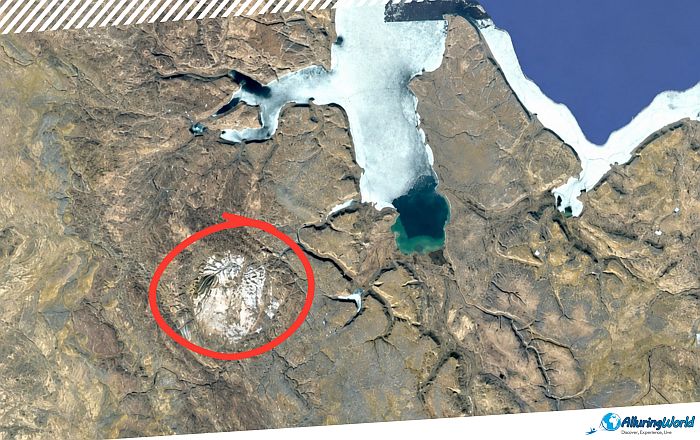
Haughton Impact Crater can be described as a remarkable experience to undertake if you are an adventurous person, but it certainly is not a regular tourist spot to which you can do a road trip. The reason is that, because of its remoteness and harsh climatic conditions, it becomes difficult to reach there, plus the northern part of Canada is not well connected with roads as it is in the southern part of the country.
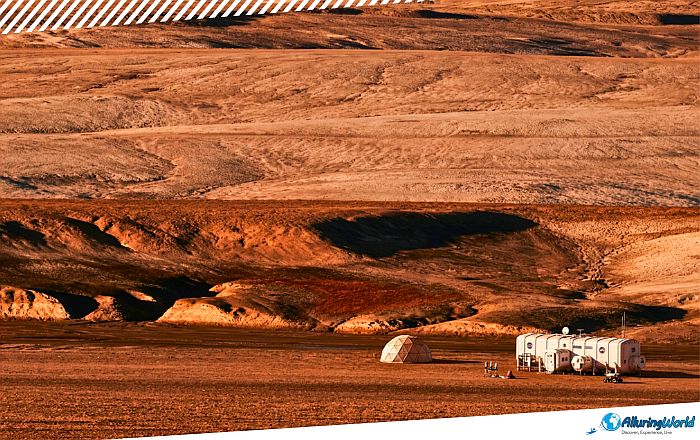
The nearest settlements are very far away from here, and there are no roads, hotels, or any other sort of accommodation around the crater. If you manage to come here, it would be only as a part of any scientific or educational tours. Traveling generally involves flying to Northern Canada, followed by flying to Devon Island in a chartered plane. Traveling and doing all these plane changes is in itself an adventure which involves getting prepared for unforeseen conditions in the Arctic region, and you should be prepared to get stuck in some places even. The most ideal time for visiting would be the brief Arctic summer, which falls somewhere between June and August. This is because the temperatures during this time are relatively warm, the days are long, and travel becomes easier. Do not think that you will be able to walk around in short sleeves simply because it is summer, because summers in this desolate place can have temperatures between 8°C and 10°C (46.4°F and 50°F), and they are accompanied by wind. If you are lucky enough to be part of the groups that come here, then you must prepare yourself in terms of dressing for Arctic conditions, together with navigation gear, and advanced wilderness survival skills.
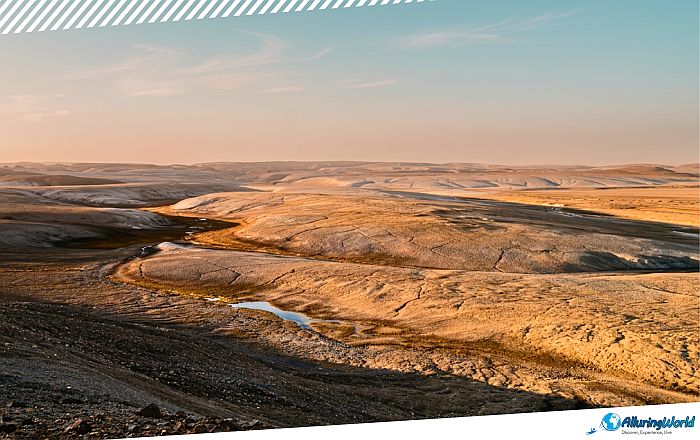
Haughton Impact Crater remains relevant as an aid to the quest for planetary exploration, and it is a place that is pushing humanity to evolve more and do better in planetary exploration. Research is conducted in all sorts of areas, including impact geology, climate adaptation, robotics, and human survival in hostile environments. Still, the crater shows that there are even some things we can learn about other worlds from our planet, so in studying this particular landscape in the Arctic, scientists can learn more about geology on other worlds and how to survive in difficult conditions. The future expeditions to Mars, the Moon, and other planets will be facilitated by what has been learned in this place, since this location is significant not just for Canada but for all of humanity in terms of exploring space.
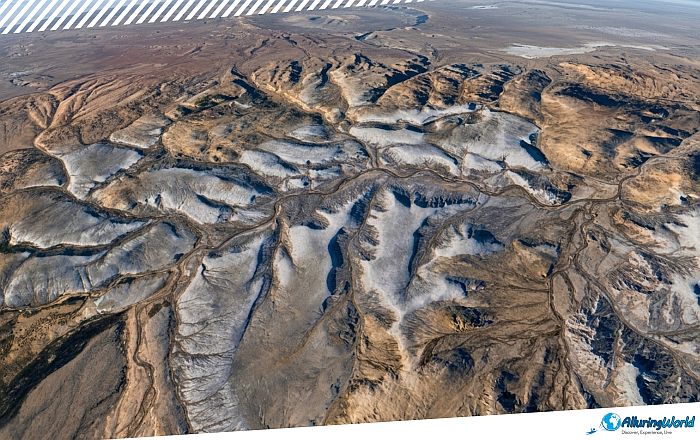
Finally, Haughton Impact Crater represents one of the most impressive geological and scientific landmarks in Canada. Formed as a result of an asteroid collision roughly 23 to 32 million years ago, this landmark serves as a unique record of our planet’s history, as well as an excellent example for studies of other planets. The combination of Arctic wilderness, a land that resembles Mars, and its immense scientific significance makes the site a unique place where geology, exploration, and astronomy converge. Despite the difficulty in accessing the site, when one does get to the site, one gets to know what it feels like to set foot on another planet.