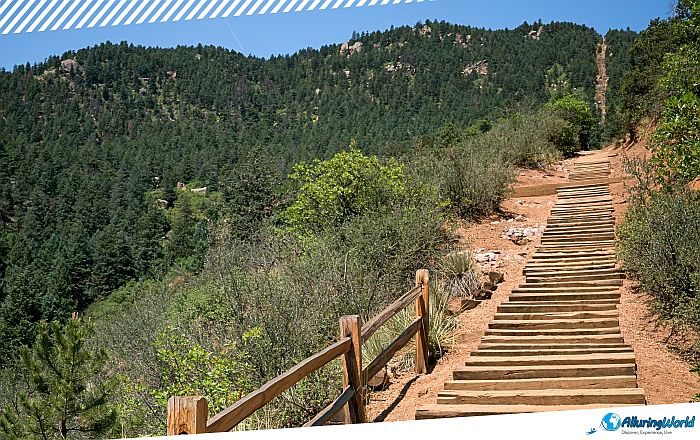
The Manitou Incline is one of the most famous and challenging outdoor attractions located in the vicinity of Manitou Springs, which is a home rule municipality located at the foot of Pikes Peak in western El Paso County, in the central part of the State of Colorado, within the central part of the United States of America. Manitou Incline, which attracts thousands of hikers, athletes, and adventurers from all over the world, is regarded as the most popular landmark in this area of the state. Although Manitou Incline is often mistaken for a regular hiking trail, it is actually an old railroad incline that turned into one of the legendary tests of endurance for all athletes and adventurers. Manitou Incline boasts stunning scenery, rich history, and holds a status as one of the toughest stairways in America to climb. This activity will surely prove challenging for many people, but it is very enjoyable for anyone who seeks to challenge their endurance in the stunning mountain environment of the Rocky Mountains.
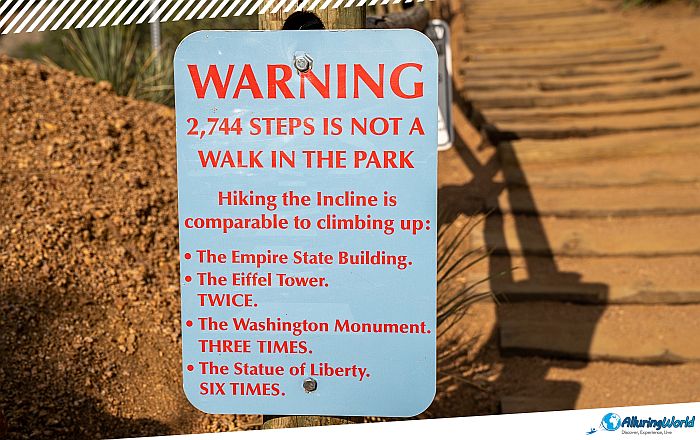
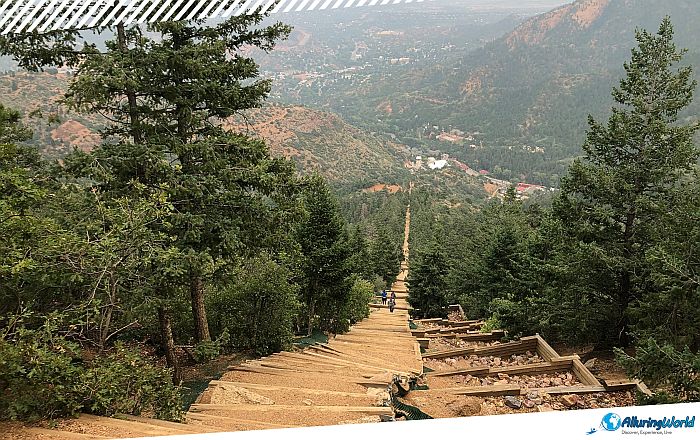
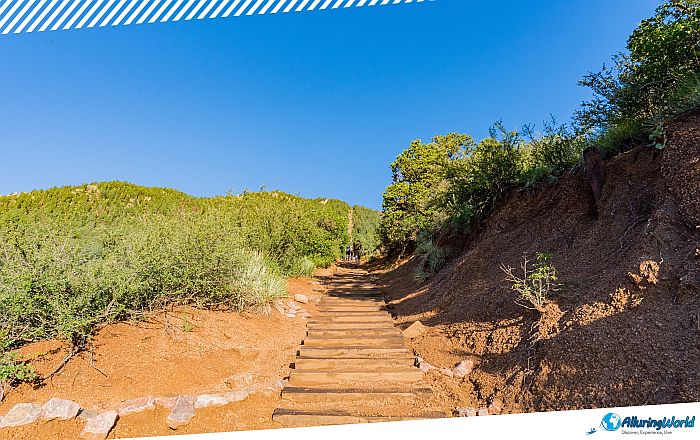
The Manitou Incline rises steeply along the eastern face of Pikes Peak and comprises roughly 2,744 steps, which ascend 610 meters (2,000 feet) within the space of just over 1.5 kilometers (0.9 miles). The incline grade averages about 41% and can be quite extreme in some stretches, making the walk more challenging than easy. While it is relatively short in terms of distance, the Manitou Incline is well known as an extremely difficult trail, drawing people of all types, from locals looking to improve their fitness to professional athletes preparing for high-altitude races. The story of the Manitou Incline began in the early 20th century when it was constructed as part of a water pipeline project. Built in 1907 by the Pikes Peak Hydro-Electric Company, the railway was originally designed to transport construction materials up the steep mountainside for a water system serving the growing communities around Colorado Springs.
After the completion of the pipeline construction, the Incline became a passenger train called the Mount Manitou Scenic Incline Railway. The train served as a means for people to go up the Incline and visit different scenic spots on the slopes of Pikes Peak, while enjoying the beautiful views of the mountains and valleys that can be seen from there. The train became a famous tourist attraction during its peak as it offered people the experience of going up the steepest rail track in the world. The train ran for many years until it became unusable after it sustained significant damage due to a rockslide in 1990. The line was then shut down permanently, leaving the tracks unused, and serving as a memory about the past structure that once transported people up and down the Incline. The railway line later became popular among local people, who used the railway line as an informal hiking trail, so throughout the years, it became more and more popular.
The Manitou Incline was restored and reopened to the general public as an official hiking trail in 2013 following a large-scale project. The upgrades included measures for improving the safety of the trail, trail stabilization, and improved access management without losing its historic appearance. Currently, the Manitou Incline is under joint control of the city’s recreational infrastructure in Colorado Springs, the U.S. Forest Service, and Colorado Springs Utilities, so it makes sure that the trail continues to be a beloved place for enthusiasts who’d like to test their hiking abilities. The Manitou Incline is an adventure that starts from the bottom of the old train tracks, where you instantly have to face the steep climb ahead. The Incline is different from most mountain hikes, as it does not ease into being difficult but instead starts difficult straight away, and makes you push your limits more than usual.
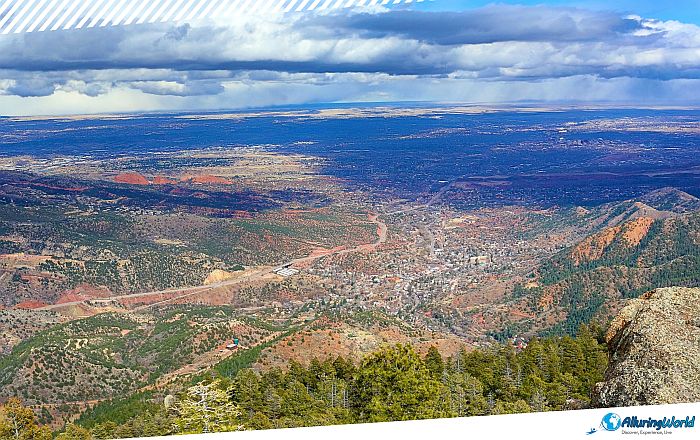
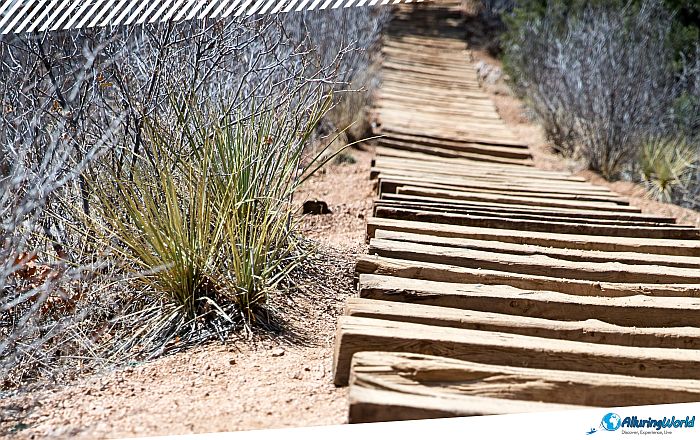
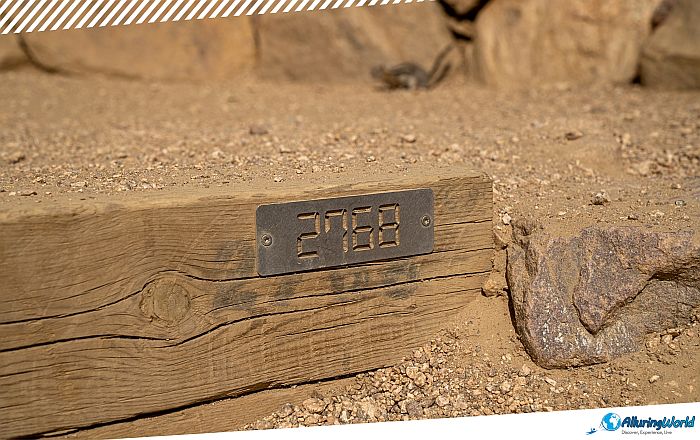
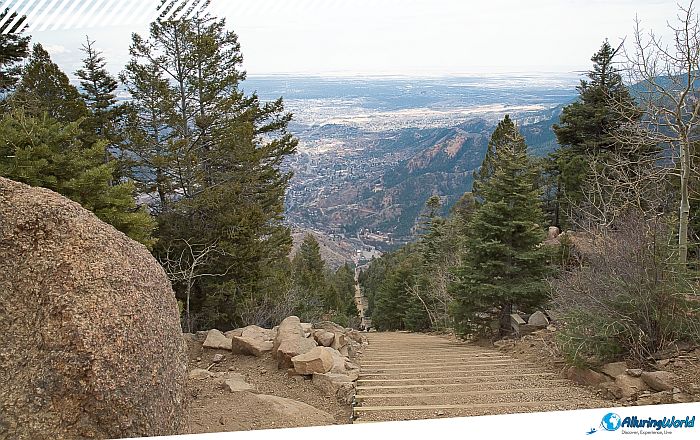
This path includes a total of 2,744 railroad ties that have been placed very close to each other to form what seems like a massive stairway going up the hill. It is easier at the beginning, but after a while it becomes increasingly difficult when climbing higher, and it even becomes quite hard in the last third of the journey. One of the most well-known portions of the trail is called the “false summit,” which is near the peak of the Incline. For those who have never completed it before, this is often mistaken for the last portion of the Incline, and they think that they are just about done, but the Manitou Incline gives them an interesting twist and surprise. The views at the top are very spectacular; they offer a fantastic view of the entire Colorado landscape. Views of Manitou Springs, Colorado Springs, as well as the foothills surrounding the area can be viewed from the peak, and if you look far away, you can notice the distant mountain peaks which form the Rocky Mountains.
It is common for visitors to opt for the Barr Trail, which is longer and easier but still provides a loop to get the Incline back to its base. The loop will be about 6.1 to 6.3 km (3.8 to 3.9 mi), so be aware of the length before taking the feat. The Manitou Incline has earned a reputation as one of the ultimate stair-climbing challenges in the United States. Because of its steepness and high elevation, completing the route requires considerable cardiovascular endurance and leg strength. Since the initial altitude is about 1,950 meters or 6,400 feet, this can affect individuals who come from lower altitudes due to the lack of oxygen at this level. When you get to the peak, you are at about 2,600 meters (8,550 feet) above sea level, which is even higher than the starting point, and with less oxygen.
ADVERTISEMENT
Various local athletes train at the Manitou Incline, and this includes runners to mountain climbers who train for difficult adventures. Some people time how long it takes them to complete it, whereas some care about reaching the top. You might be among both types, so maybe you can time yourself reaching the top and share the results. The current record times for elite athletes are only a fraction of what most visitors achieve, but the Manitou Incline is not defined by speed. For many people, the achievement comes from overcoming the physical and mental challenge of reaching the top. The Manitou Incline is easily accessible by car, shuttle services, or public transportation from the surrounding areas of the cities that are within driving distance. You must reserve a free timed entry before climbing because the reservation system helps manage crowds and protects the trail from excessive wear. Parking near the base is limited, so many visitors use the shuttle system from nearby parking areas.
However, the climb is free of charge, but you must make sure that you have all the necessary equipment. You need to carry with you:
- Plenty of water, as there are no water stations along the route
- Comfortable hiking shoes with good grip
- Weather-appropriate clothing, in case it starts raining
- Sun protection, especially during summer months when the sun is stronger
- Snacks or energy supplies for longer climbs to make sure you have enough energy to last the climb
It will take an average of one to two hours for the hiker to complete the climb, depending on their physical state and how many rest stops they make; however, it might be quicker for those who have climbed before.
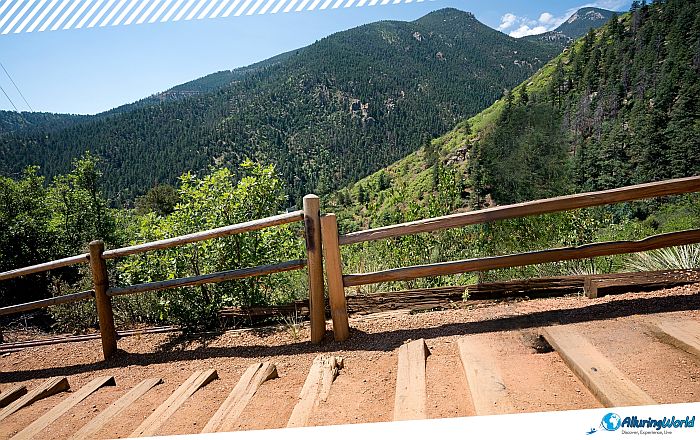
The Manitou Incline can be visited throughout the year, but conditions vary significantly by season. The busiest period is during summertime, from June through August. During this period, you’ll be greeted with warm temperatures and long daylight hours, which is why the Incline is quite popular during the summer months. The trail can become quite crowded, especially on weekends, when people have more free time to explore the amazing Colorado. It is recommended that you take the early morning for the climb, as you will avoid the heat and heavy foot traffic. Spring and fall are regarded as the ideal times for mountaineering since temperatures are more pleasant, and in fall visitors have the opportunity to witness the beautiful foliage on the nearby hills. The most desirable months for this purpose are September and October.
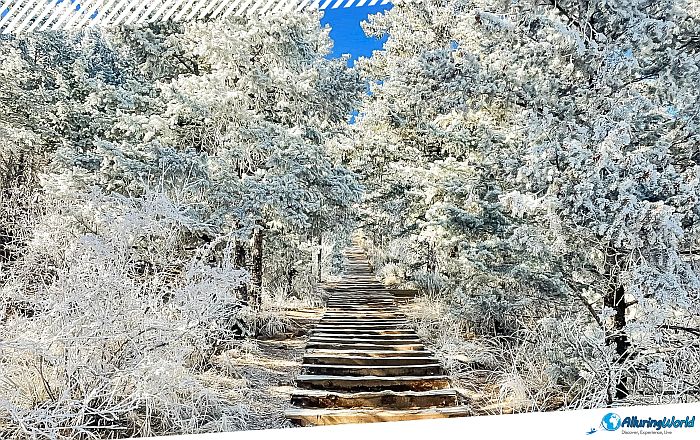
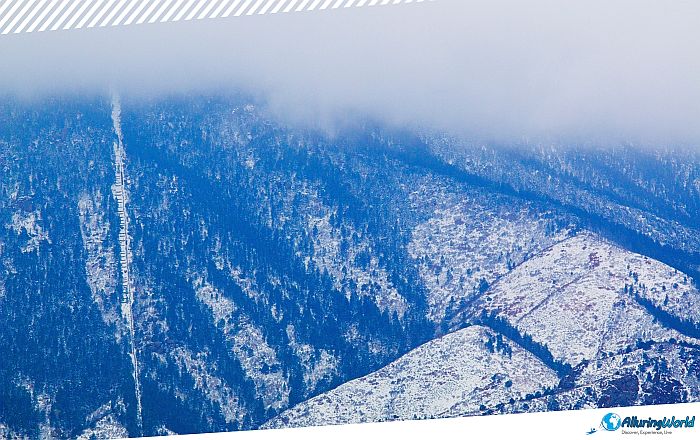
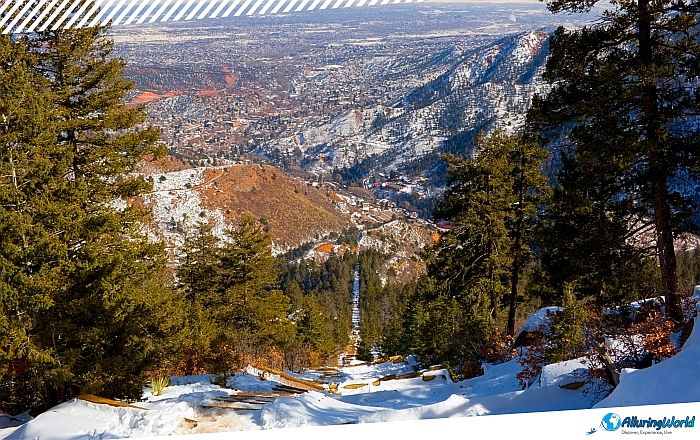
Winter brings about an entirely different scene with its snowy terrain and fewer tourists. Nevertheless, since it is usually very cold, it will become slippery; thus, the need for proper shoes. Always check the weather conditions before going there since the weather in the mountains is unpredictable. The Manitou Incline is situated in a region rich with natural and cultural sites of interest. Manitou Springs, the adjacent town, features its mineral springs, downtown area, art galleries, and good eating places. The town has for many years been a tourist attraction due to relaxation and mountain scenes, so it goes very well with visiting the Incline.
The Incline is also near another famous landmark in Colorado called the Garden of the Gods, which comprises massive red sandstone formations set against the magnificent backdrop of Pikes Peak. Nevertheless, another nearby attraction is Pikes Peak, which is one of the most famous mountains in the United States. Rising to 4,302 meters (14,115 feet), it offers incredible views and has inspired generations of explorers, artists, and adventurers.
In summary, the Manitou Incline is not just a stairway up the mountain; rather, it is an icon of perseverance, endurance, and adventurous spirit. Through its captivating railway history, amazing mountains, and challenging experience, it offers a special experience that cannot be found elsewhere. You can come to this place either for a good workout, great views of the Rocky Mountains, or simply for the sake of visiting one of the most famous sights in Colorado.