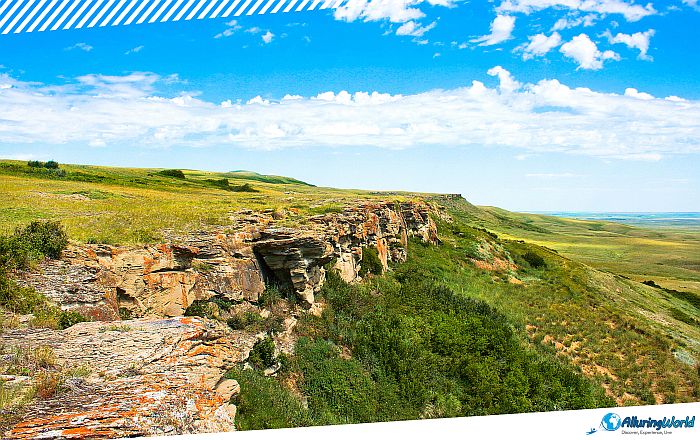
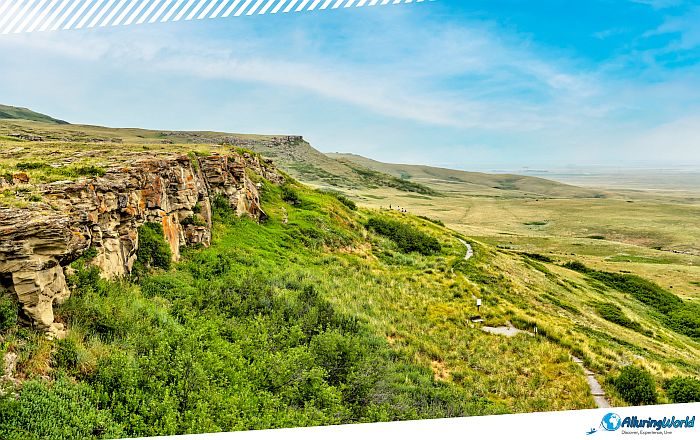
Head-Smashed-In Buffalo Jump is a historic and archaeological site that is perched dramatically on the eastern edge of the Porcupine Hills, about 18 kilometers (11 miles) northwest of the town of Fort Macleod, in the southern part of the Province of Alberta, within the southwestern part of Canada. Being more precisely at the confluence of the sweeping Canadian prairies which meet the rugged foothills of the Rocky Mountains, Head-Smashed-In Buffalo Jump stands as one of North America’s most remarkable archaeological and cultural landscapes. Due to its historic importance, Head-Smashed-In Buffalo Jump is a UNESCO World Heritage Site, but overall, this important place commands strategic views that stretch across vast horizons. The natural geography itself provides the initial clue to why ancient societies selected this specific terrain over thousands of years. The unique convergence of prevailing high-altitude winds, natural funneling coulees, and a sheer sandstone drop created an ideal environment for large-scale, communal bison hunting.
The plains have, for thousands of years, had native fescue grasses which supported millions of Bison bison, the Latin name for the American bison. One thing that is evident upon reaching the place is the sheer magnitude of the landscape and how hunting societies from the past understood and made use of the natural features with such perfection. The absence of guns and horses did not hinder them from creating an ingenious way to hunt using the physical environment. This was instead done through understanding of animal movements, wind direction, and geographical contours, turning a basic geological feature into a hunting trap.
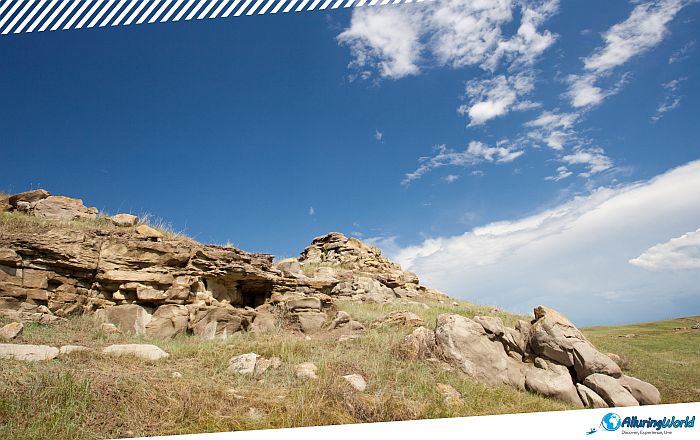
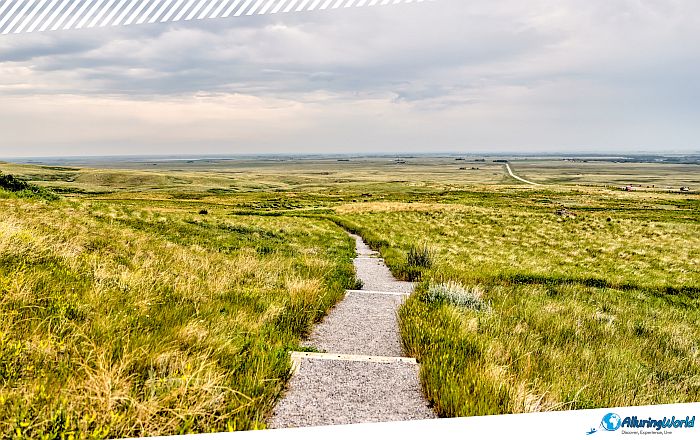
The stratigraphic sequence of the Head-Smashed-In site is over 5,500 years old, which predates even the building of the Egyptian pyramids and Stonehenge. Through generations, the tribes of the Blackfoot Confederacy, which included the Siksika, Kainai, and Piikani nations, used the specific cliff formation to organize communal hunts. A successful hunt was made possible through an impressive social organization, discipline, and engineering. Hunters developed a network of drive lanes that extended up to 4 km (2.5 miles) from the gathering basin, and with thousands of stone cairns (V-shaped drive lanes) forming subtle lines on the landscape, they were able to guide the grazing herds to the edge of the cliff.
This descriptive name, “Head-Smashed-In,” has its roots in the oral traditions of the Blackfoot community. While you might think that the name comes from buffaloes running towards a wall, and smashing their heads, thus the name, the origin of the name is something completely different. It is said that a young warrior wanted to watch the hunt take place underneath the cliffs, but he was, unfortunately, crushed to death by the stampede of the animals, which left him with a smashed head. Beyond its vivid narrative power, the site holds unparalleled archaeological importance. At the bottom of the cliff, bone beds and butchering locations extend deep into the earth and consist of layers of compacted bison bones, hearths, and thousands of stone projectile points. The dig shows a full record of technological development through which there is an observation of transitions from early atlatls (ancient spearthrowers) to later bow-and-arrow technology.
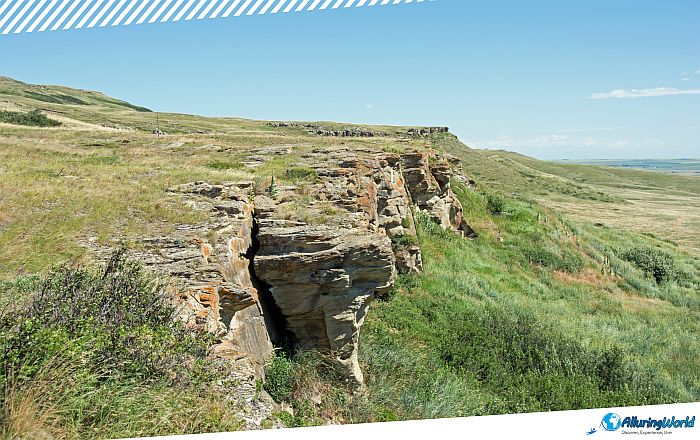
All parts of the bison were processed; their meat for food and pemmican, skins for covering shelters and clothing, fat from the bone for lipid sources, and horns for tools. The entire buffalo jump mechanism could be imagined as such:
     [ GATHERING BASIN ]
           \
            \  (Drive Lanes marked by Stone Cairns)
             v
      [ RUNNING FUNNEL ] ──> Hunters trigger stampede
                                   |
                                   v
                         [ SANDSTONE CLIFF ] ~10 meters (33 feet)
                                   |
                                   v
                         [ SLAUGHTER & PROCESSING CAMP ]
                         (Deep Archaeological Bone Beds)
To preserve the physical site while providing extensive historical interpretation, the Head-Smashed-In Buffalo Jump Interpretive Centre was constructed within the natural sandstone cliff face itself. Established in 1987 and designed to blend effortlessly into the layers of the natural cliff face, the five-story underground facility has been built with a minimal visual impact on the landscape. Operating on a daily basis during the high season from 10:00 to 17:00, the Interpretive Centre acts as the foremost research and museum facility for Plains archaeology and First Nations cultures.
ADVERTISEMENT
Visitors inside navigate through an exhibition of five tiers, which are organized chronologically in accordance with the theme of hunting. The exhibits include archaeological displays with authentic archaeological collections, sections of stratigraphy, and full-size replicas of dioramas depicting life before contact in the northwestern plains. Visitors, guided by Blackfoot natives and cultural experts, analyze the various intricate social, commercial connections, and migration patterns through the galleries. The collection of this center serves as a unique source for studying adaptations made by ancient communities to climatic changes for five thousand years.
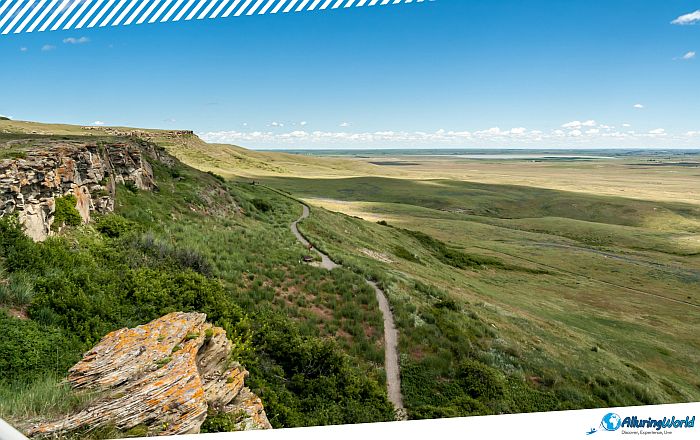
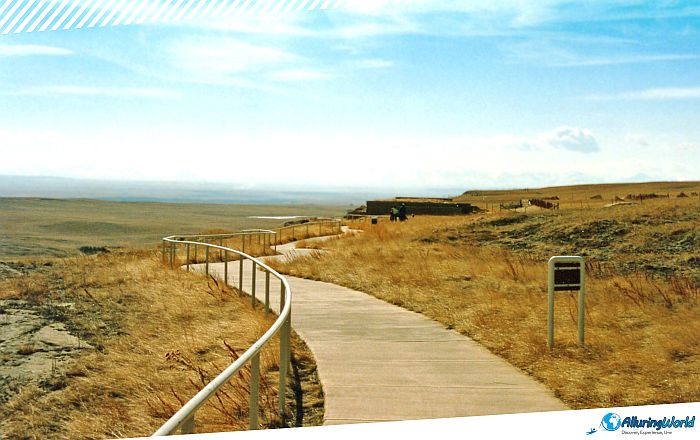
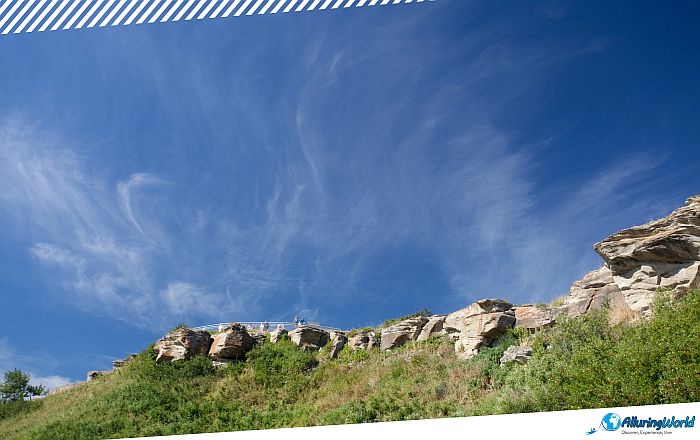
Outdoor tours include several interpretative trails, where it is possible for people to observe the characteristics of the hunting location. There are several paved paths that guide you up the upper driving lanes, reaching the top edge of the rock shelf from where the cliff falls 10 meters (33 feet) down into the processing basin below. The elevated walkways provide clear views of how hunters made use of elevation differences to conceal the drop to their prey animals. Overall, you can notice the following:
- Study the subtle lines of stone cairns in the upper gathering basin to visualize how small rock piles held brush and flags to direct herd movement over vast distances.
- Inspect the lower trail leading through the processing area where archaeological digs unearthed meters of densely stratified bone deposits, hearths, and butchering tools.
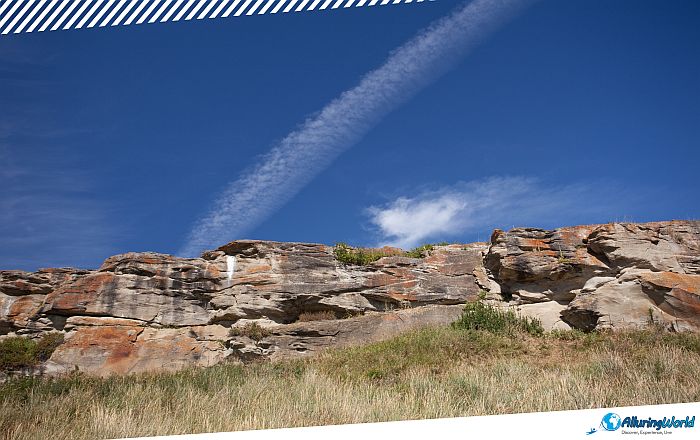
The location is easily accessed from key cities in the region. If you come by car from Calgary driving to the south, you need to take Highway 2 for about 170 km (105 mi) toward Fort Macleod and then continue on Secondary Highway 785 to the site. The Visitor Information Center is operational throughout the year. At the site, you will be able to:
- Engage directly with Indigenous historians and site interpreters for an in-depth understanding of Blackfoot oral history, projectile point classification, and site preservation work.
- Come during late spring and summer months (from May to September) to enjoy outdoor trails, see the markers on the archaeological site, and listen to live cultural field lectures.
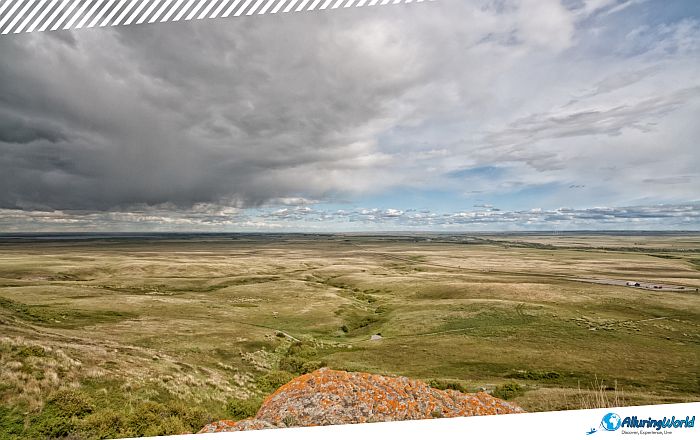
Once you arrive at the archaeological site, you should follow the most practical advisory guidance and know the terrain essentials to ensure you get the best experience possible:
- Challenging Wind Conditions: The Porcupine Hills are famous for relentless, high-velocity prairie winds (often Chinooks). While you can enjoy the location, be mindful if you have loose hats; you can wear wind-resistant outer layers, and protecting camera gear is a valuable touch.
- Trail Accessibility: The upper cliff trail has paved boardwalks suitable for wheelchairs and strollers, while the lower trail leading to the bone bed basin involves a steeper incline.
- On-Site Dining (Traditional Foods): The center features a cafeteria (The Buffalo Jump Café) known for serving traditional Indigenous-inspired dishes, such as bison chili, bison burgers, and fresh frybread (bannock).
- Photography Guidelines & Sacred Respect: Photography is generally permitted outdoors and throughout most gallery spaces, but you will be asked to respect signage near sensitive sacred items strictly. These are places such as ceremonial eagle feathers and sacred bundles, and photography there is prohibited out of respect for Blackfoot cultural traditions.
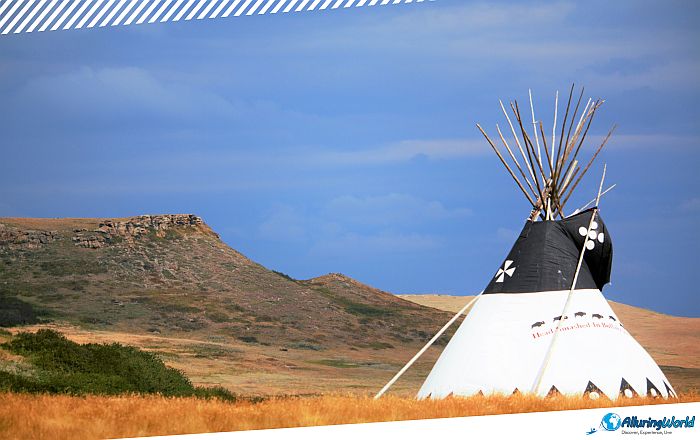
One of the most interesting features of this UNESCO site is that, during peak summer months, which typically run between July and August, the site hosts live Blackfoot drumming, singing, and traditional dance performances outdoors. If you want to witness these performances in person, then Head-Smashed-In Buffalo Jump is the perfect location for that. In summary, the Head-Smashed-In Buffalo Jump continues to be one of the best historical landmarks on the continent as it displays the exceptional amalgamation of human creativity, the use of the landscape, and cultural memory. This place is definitely a perfect destination for history and archaeology aficionados who want to trace their roots to antiquity.