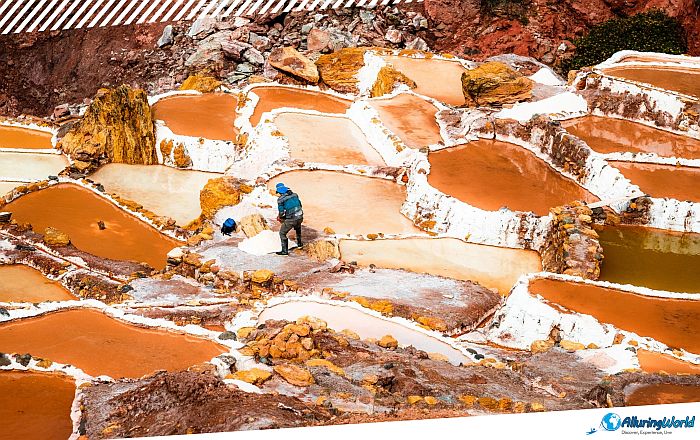
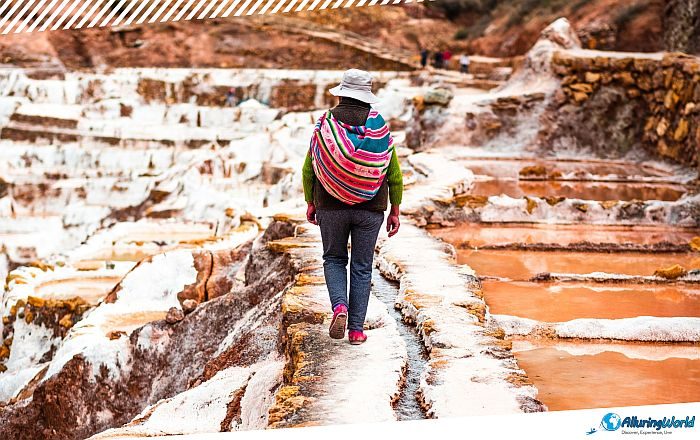
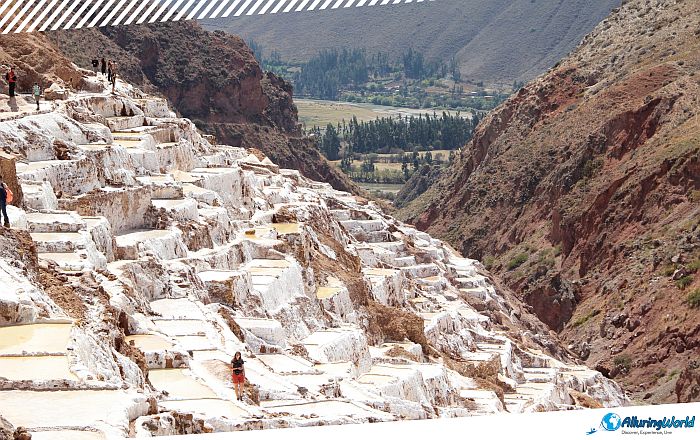
The Salt Mines of Maras, locally known as Salineras de Maras, are a vast system of over 3,000 terraced evaporation ponds that have been carved into a mountainside in the Sacred Valley, located in the Andes Mountains of the Cusco Region, within the southeastern part of the Republic of Peru. As these open mines are tucked into a dramatic, sun-drenched ravine in the Inca’s Sacred Valley, the Salt Mines of Maras present one of the most astonishing cultural and visual landscapes in South America.
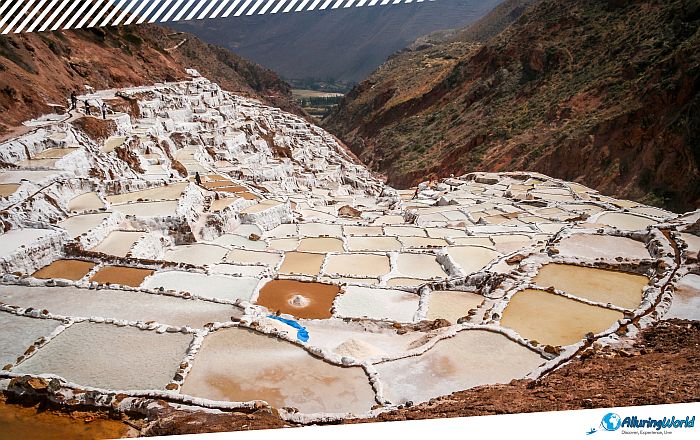
This ancient salt pan system is situated about 40 kilometers (25 miles) northwest of Cusco and is located at an altitude of about 3,300 meters (10,827 feet). From a distance, the site looks like a huge mosaic carved throughout the centuries. There are thousands of light-colored terraces descending the mountainside, and the dazzling white, cream, and pinkish-white colors of the terraces provide a striking contrast against the reddish color of the Andean mountains.
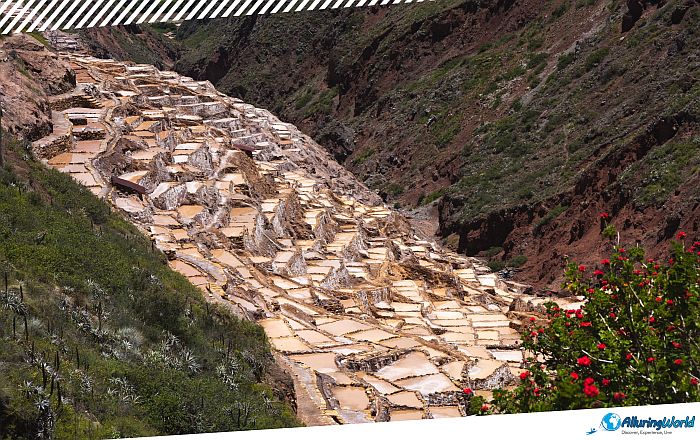
Apart from its stunning beauty, the Salt Mines of Maras are a living historical landmark. Even prior to the expansion of the Incan Empire in the high Andes, pre-Incan societies found out about a very rich saline spring gushing out of the interior of the mountain, realizing the great economic and nutritive value of the water. It was these ancient farmers who created an artful ravine for the evaporation of water. Today, more than two thousand years after those initial channels were carved, the local community continues to harvest salt using the exact same artisanal techniques handed down through generations. The visit to the Salineras is not only an opportunity to take wonderful photos but also a chance for you to experience firsthand an ancient practice that has endured invasions by foreigners, modern industrialization, and international tourism.
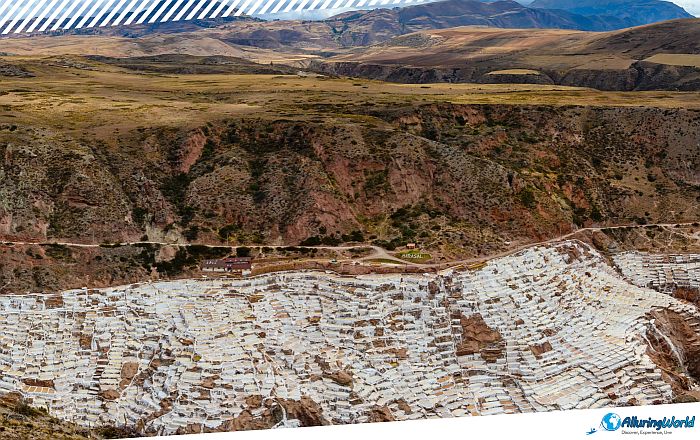
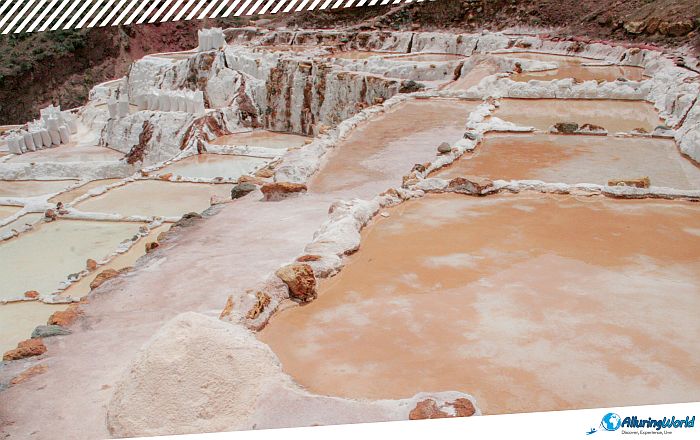
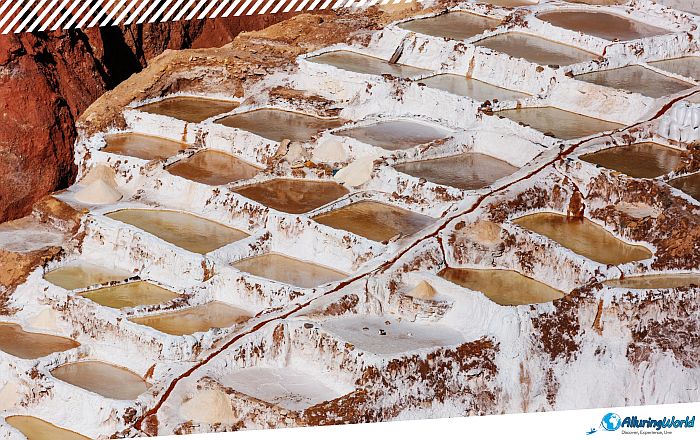
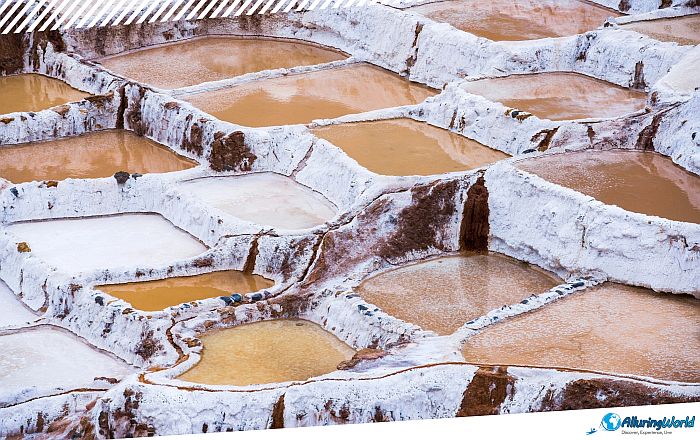
The success of the Salt Mines of Maras lies in the perfect balance between the geological composition of the site and the hydrology of the place. The entire setup comprises more than 3,000 salt pans, which are also called pozas, with an area of less than 4 square meters (43 square feet) and a depth of about 30 centimeters (12 inches). The entire process is fueled by one underground source, which is a a warm, mineral-rich subterranean saline spring known as Qoripujio. This spring extracts minerals from deep salt deposits that existed millions of years ago in a prehistoric sea.
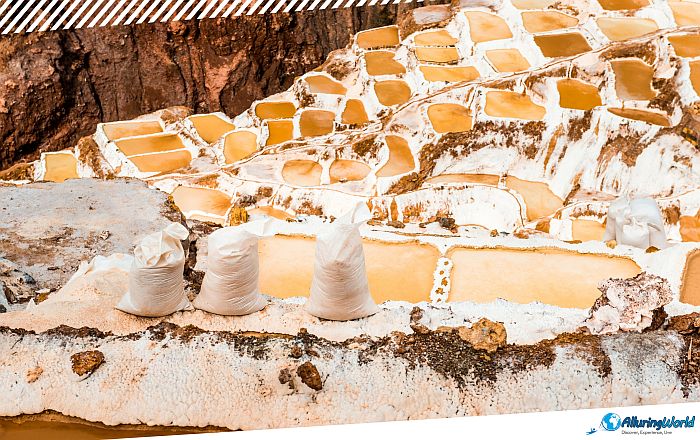
In order to harness this underground flow, the pre-Columbian engineers devised a complex system of gravity-operated channels and clay-lined conduits that run throughout the whole canyon. Salt workers, referred to as salineros, regulate the water flow to each terrace through simple wooden sluice gates and mud dams. This is done in a precise cyclical fashion:
- Flooding the Terraces: A worker opens a channel to fill an empty pan with roughly five to ten centimeters of mineral-rich spring water.
- Solar Evaporation: Once filled, the inlet is sealed. Under the intense high-altitude Andean sun and the dry mountain breeze, the stagnant water slowly evaporates over a period of three to four weeks.
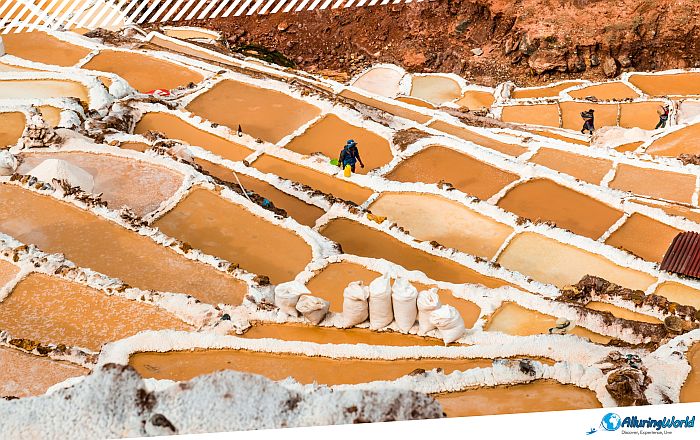
- Manual Extraction: As the water disappears, a dense crust of salt crystals forms along the floor and outer walls of the pool, ready to be scraped manually.
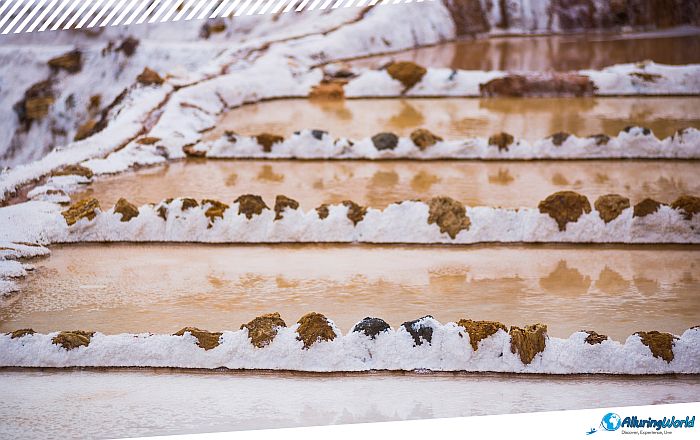
Because the process depends entirely on solar radiation and dry air, salt production reaches its absolute peak during the Andean dry season, which runs from May through October. During these months, the evaporating pools turn a vivid, brilliant white color, thus creating the iconic landscape celebrated by travelers worldwide. Conversely, during the rainy season, precipitation dilutes the brine, turning the pans a soft clay-brown and slowing production significantly.
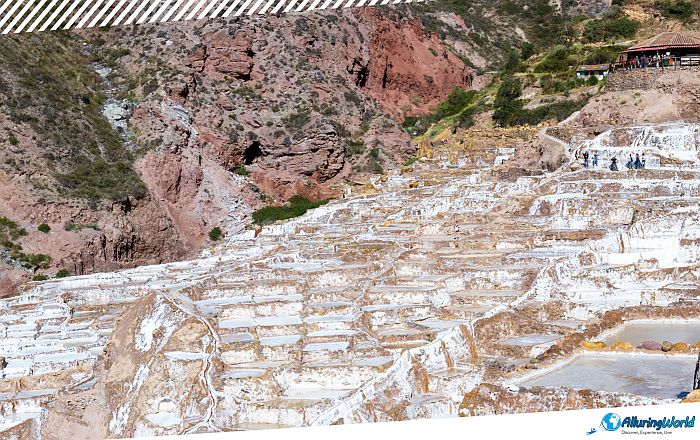
What distinguishes the Salineras de Maras from many other archaeological sites in Peru is the fact that it is not a dormant or silent place. It continues to be an active agricultural venture that operates under the management of a community cooperative. The ownership of the salt ponds is strictly limited to indigenous families from the communities of Maras and Pichingoto, whereas each family controls a particular group of ponds, with the art of maintenance, channel cleaning, and harvesting being transferred orally from one generation to another.
ADVERTISEMENT
The physical work done during the process of extracting the salt is strenuous and entirely manual. People go into the pools wearing thick rubber boots and use handmade wooden rakes and shovels to extract and separate the salt crystals in layers. Salt is graded into three different categories depending on the depth of the salt formation and purity levels, and these are:
- Flor de Sal (Pink Salt): The uppermost layer of crystallization produces delicate pink crystals that contain trace minerals such as iron, calcium, magnesium, and zinc. This premium salt, which is very much valued by chefs around the world, is the most expensive to harvest.
- White Salt: The middle layer produces pure white table salt, which is processed, iodized, and distributed for daily domestic consumption across Peruvian households.
- Industrial & Agricultural Salt: The lowest, coarsest layer, which comes into direct contact with the clay bottom, is gathered for use in livestock feed, preservation, and local industrial applications.
Overall, this traditional model of work guarantees that the economic gains from tourism and salt mining go right back to the local families and not to any outside companies. By buying the salt products locally, you can help to ensure the economic sustainability of these mountain villages and preserve this practice for future generations.
In recent years, the dramatic growth of tourism in the Sacred Valley brought unprecedented foot traffic to the Salineras. Historically, visitors were allowed to walk along the narrow dirt dikes separating the individual pools, but due to the combination of foot traffic, trash accumulation, and chemical contaminants from footwear, this is not allowed. The reason is that this poses a severe threat to the physical structure of the fragile clay walls and compromises the hygienic purity of the edible salt; thus, walking alongside the ponds is not allowed. In fact, in 2019, the Maras Salt Co-operative implemented a vital conservation policy: tourists are no longer permitted to walk inside the active salt pans.
Instead, a series of custom-built wooden boardwalks and elevated viewing platforms have been established along the upper edge of the canyon, which provide a panoramic view of the entire valley floor. Through these boardwalks and platforms, you can take pictures and observe the workers at work without interfering in the process of production. Still, when you visit this majestic place, you should keep a few practical guidelines in mind to make sure that you will have a smooth and respectful experience:
- Ticket Requirements: Admission to the Salt Mines of Maras is not covered in the usual Boleto Turístico del Cusco (Tourist Ticket of Cusco). Visitors need to buy their own ticket to enter at the entrance of the attraction using Peruvian cash.
- Altitude Awareness: At 3,300 meters (10,827 feet) above sea level, even short walks up the inclines leading to the observation platforms may cause mild altitude sickness. It is important that you pace yourself and stay hydrated throughout the entire trip.
- Local Purchases: Genuine, authentic Maras pink salt, bath salts, and flavored cooking mixes certified to be made locally are available at stalls run by cooperatives close to the exit point.
The Salt Mines of Maras are extremely easy to reach from either Cusco or Urubamba, and thus make up an attraction that is quite common for tourists visiting the Sacred Valley prior to their visit to Machu Picchu. Tourists who decide to visit Maras usually combine their visit with the Incan agricultural experimental area of Moray, known for its giant circular terraces. If you are already in Peru and staying in Cusco, then you can take one of the following options:
- Guided Day Tours: The easiest way to visit the site is by joining the half-day tour of the Sacred Valley that starts from Cusco or Ollantaytambo. Most of such tours include both Moray and Maras within one day, thus handling all transportation logistics.
- Private Taxi or Tour Driver: If your budget allows, for more convenience, you can hire a private driver for the day, as this allows you a flexible schedule, letting you arrive before the large tour buses arrive in the mid-morning.
- ATV and Mountain Biking Excursions: If you are one who likes adventure, then there are many companies in Cusco that can provide you with ATV rides and mountain biking excursions to explore the high dirt tracks linking Maras town, Moray ruins, and the salt canyon below.
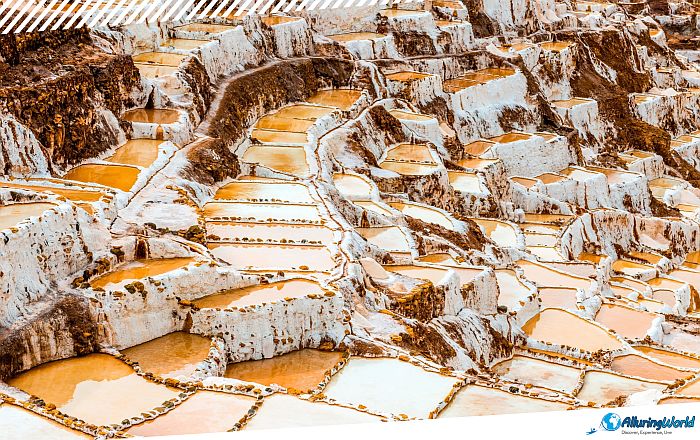
To experience the Salineras at their most photogenic, plan your visit during the dry season between May and October. When the skies are clear, the stark white and soft pink terraces reflect the high-altitude sunlight brilliantly, creating sharp contrast against the deep blue sky and rugged mountains. If you are there in the early morning hours between 8:00 and 10:00, then this is the best time for you to take excellent photos. This is the best time for photography because it offers the best light, cooler temperatures, and fewer crowds, further allowing you to fully appreciate the quiet majesty of this ancient mountain marvel.
In summary, the Salt Mines of Maras are a prime example of the incredible genius of pre-Columbian engineers and how the Andean culture endured the centuries of colonization and modernization. Through the harmonious blend of natural geology, community management, and conservation, this remarkable canyon continues to produce its valuable product, just as it has done for millennia. This is an experience that no one can forget, as it offers you the opportunity to stand above these shimmering terraces and experience this ancient cycle of life right before your eyes.