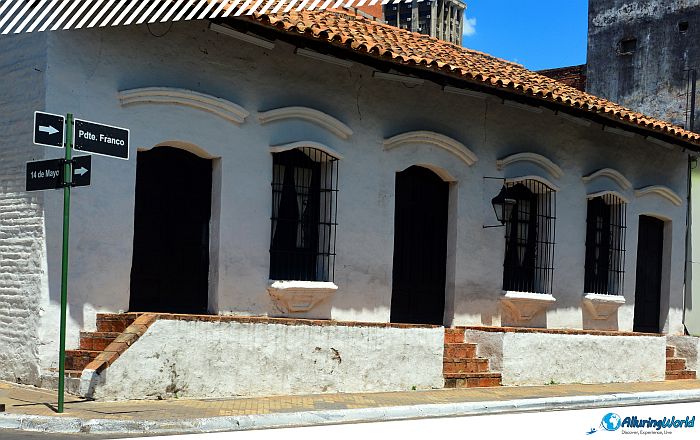
Casa de la Independencia Museum is a historic house and museum located in the historic heart of the city of Asunción, the capital of the Republic of Paraguay. Casa de la Independencia, translated as “House of Independence” in English, is a modest colonial building that has seen one of the most significant events in the history of South America: the planning of the independence of Paraguay from the Spanish Empire in 1811. Regarded as the shrine of the sovereignty of Paraguay, this late 18th-century house became the secret meeting place for the young patriots who developed the strategy of liberating the country from the control of the Spanish colonists. Today, this building has been turned into an official museum that allows visitors to feel the spirit of the place where Paraguay was born as a sovereign nation.
As a museum lover and an explorer of culture, when you visit the streets of Asunción, you must not ignore the Casa de la Independencia Museum, which is not just another destination to be visited, but rather a place of stories that tell about the identity and self-determination of the Paraguayan people. Set amid the lively streets of the historical center, the building offers a great opportunity to see the colonial architectural style along with the exhibits of the revolutionary era.
Understanding the importance of Casa de la Independencia must start with a comprehension of the events at the beginning of 1811. During that time, Paraguay belonged to the Spanish Empire, but tensions all over the continent had led to many aspirations for autonomy. In Asunción, there had been secret meetings of young army officers and civic leaders who were planning to make a change in the political situation in the colony at that time, so notable persons who participated in this movement were Capt. Pedro Juan Caballero, Lt. Fulgencio Yegros, Lt. Vicente Ignacio Iturbe, and Juan Bautista Rivarola.
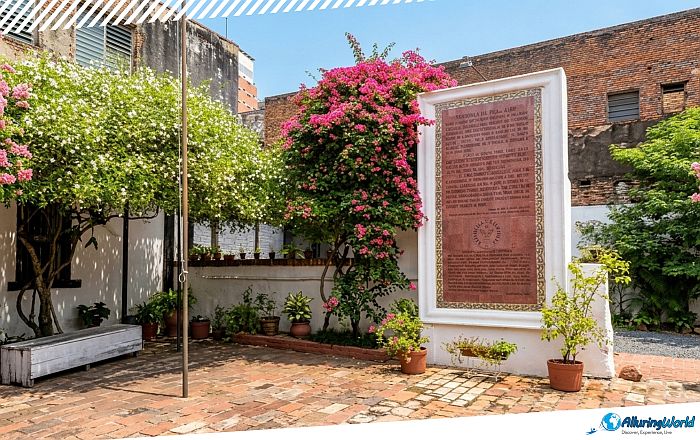
The house itself was owned by the Martínez Sáenz family, which had connections to some of the conspirators and thus served as an effective disguise to allow them regular meetings. On the night of 14 May 1811, the conspirators met in a secret room within the house that is known as the Independence Room. Using the veil of night as their shield, the patriots made their way out of the house through an alley called El Callejón Histórico (The Historic Alleyway). They marched straight to the home of the Spanish Governor Bernardo de Velasco, demanding the surrender of the colonial administration. The tactic employed by the patriots produced a coup that was fast and bloodless. By 15 May, Governor Velasco had come to terms with sharing governance with a local junta, and this paved the way for the country to attain full independence thereafter. Thus, Paraguay became one of the earliest nations in South America to gain independence without undergoing several years of fighting wars.
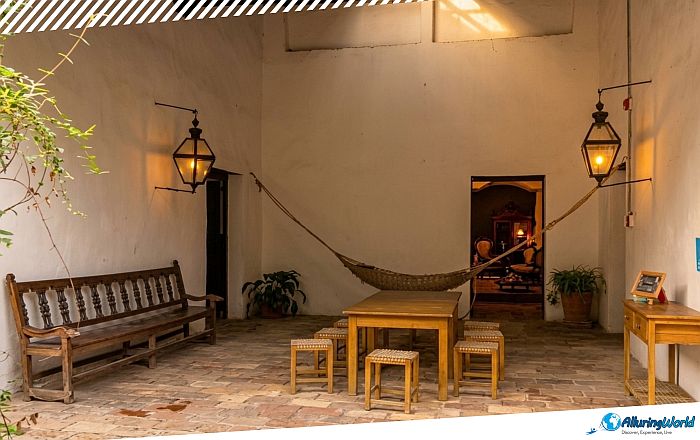
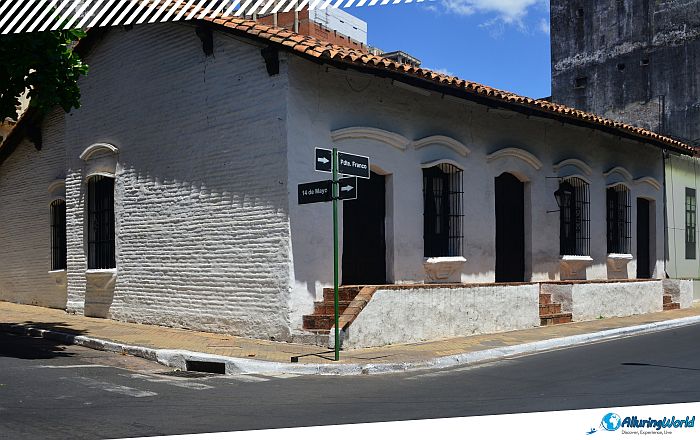
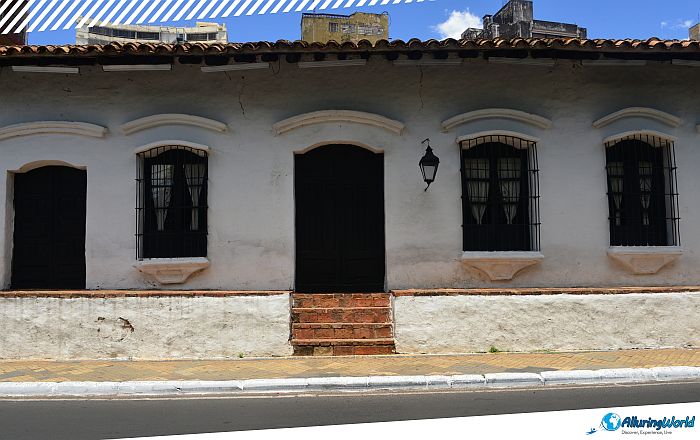
From an architectural point of view, the Casa de la Independencia is a unique specimen of a residence constructed in the latter part of the 18th century in Asunción. The building was erected in 1772, before the era of the impressive neoclassical architecture that came to define Asunción under the reign of Carlos Antonio López and his son, Francisco Solano López. The structure is built using the traditional methods of that era, which include thick adobe walls, heavily beamed roofs, and a sloping roof made of clay tiles. The architecture of the structure has been planned such that there is a traditional corredor (shaded gallery), which is an open-air veranda that gives out to a tranquil central courtyard. This structure had a very practical purpose, which was to facilitate natural ventilation through the corredor in summer. Overall, you should look for its dark wooden doors, arched window moldings, and black wrought-iron window grilles at the corner of Presidente Franco and 14 de Mayo.
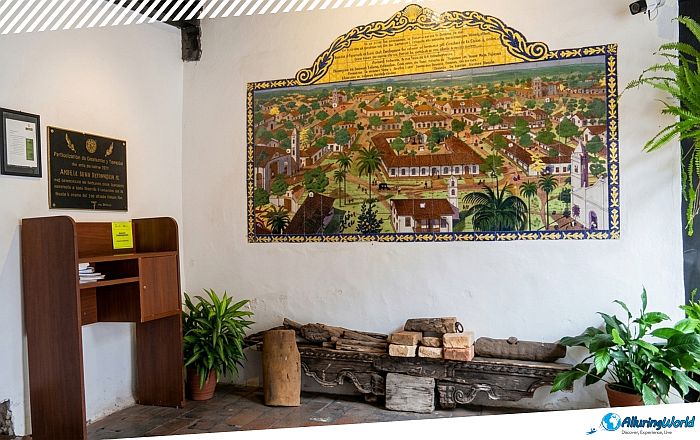
Unlike the latter governmental buildings, which have imposing marble exteriors, the Casa de la Independencia is marked by a more subtle form of rustic elegance. The building’s structural integrity has been preserved through preservation work using techniques of historical restoration, so that visitors get to see the house almost as it looked two hundred years ago to the plotters.
ADVERTISEMENT
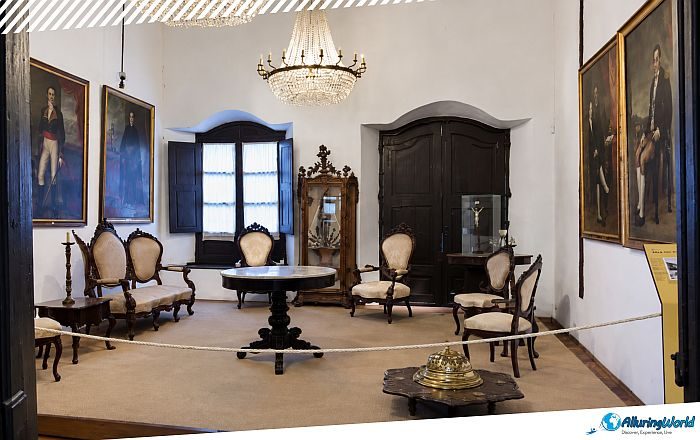
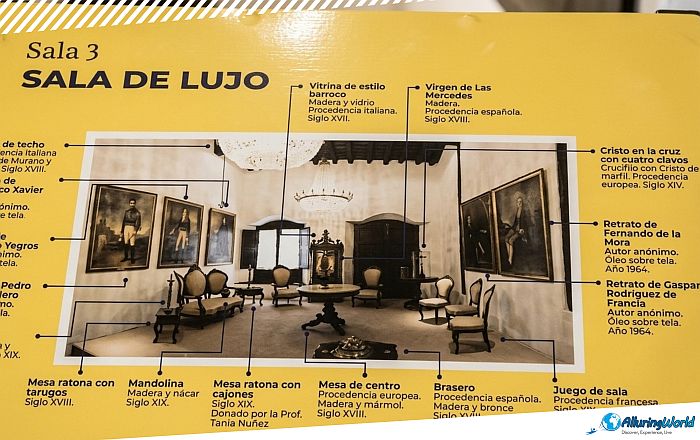
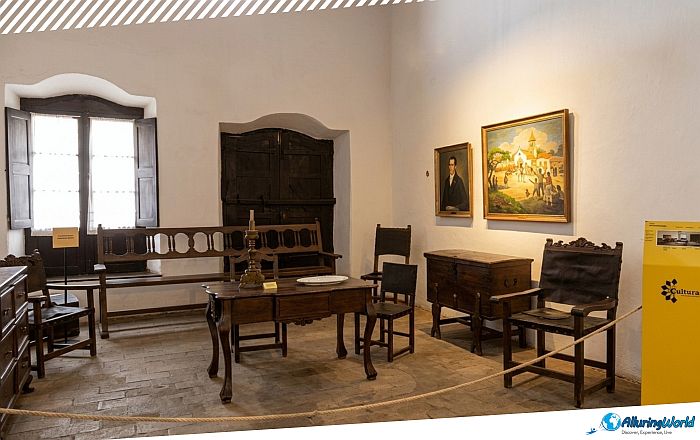
The interior of the museum has been structured with various exhibits, which feature a collection of furniture from that period, military paraphernalia, personal possessions of the independence heroes, as well as important documents for the state. This helps you to follow a path from the normal life of late colonial Paraguay to the revolutionary periods. The rooms have been organized as follows:
- The Independence Chamber: The absolute highlight of the museum, this room recreates the atmosphere of the secret meeting held on 14 May 1811, complete with period tables, chairs, and religious iconography.
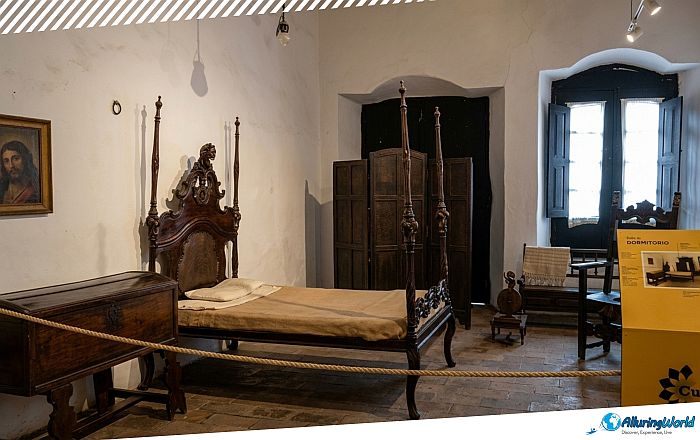
- The Oratory and Bedrooms: Showcasing rare religious art, carved wooden saints, and original colonial furnishings that illustrate the domestic lifestyle of Asunción’s 18th-century elite.
- El Callejón Histórico: The outdoor alleyway adjoining the house, preserved to allow visitors to walk the exact physical path taken by the revolutionaries as they marched toward the governor’s residence.
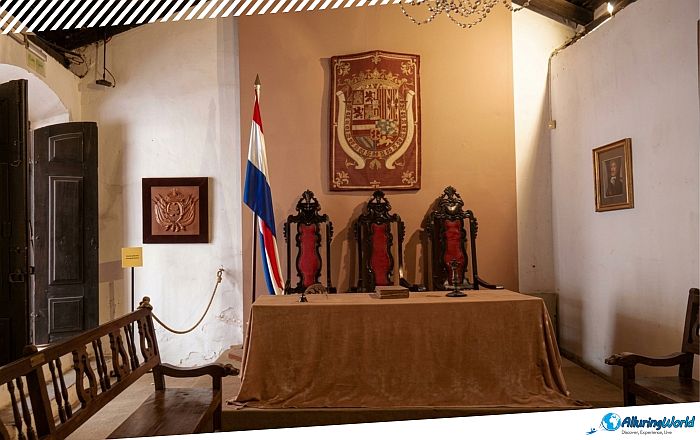
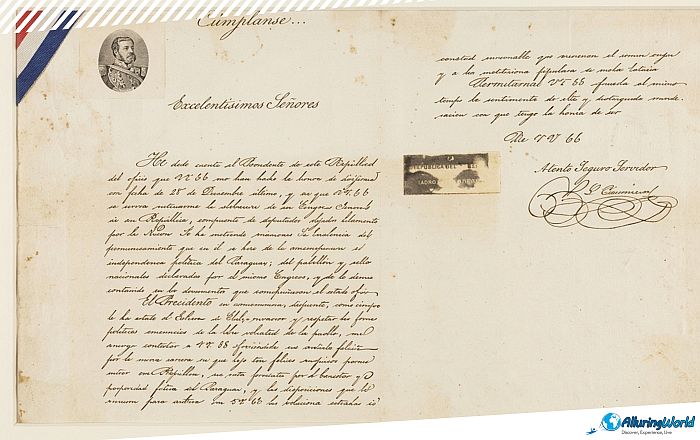
Exhibits showing early arms, silver artifacts, uniforms of the military, and portraits of the revolutionary heroes can be found elsewhere in the museum. Facsimiles of the early documents and letters, such as decrees and diplomatic communications, add more insight into how Paraguay achieved its first sovereignty.
When you are planning your visit to the Casa de la Independencia, it is as straightforward as possible because you can walk to the museum since it is within an easy walking distance of Asunción’s primary historical landmarks. The museum is precisely on the corner of Calle 14 de Mayo and Presidente Franco in central Asunción, so if you are exploring the historic center on foot, it is located roughly four blocks inland from the waterfront promenade (La Costanera) and just a short walk from the Panteón Nacional de los Héroes. If you want, you can also use public transportation to get to the museum, or you can take taxis or rideshare vehicles to get to Casa de la Independencia faster.
The opening hours of the museum are strictly during certain periods, so organizing your trip to visit it can be done as follows:
- Operating Schedule: Typically open Monday through Friday from 08:00 to 16:00, and Saturdays from 07:30 to 16:00 (closed on Sundays and major public holidays).
- Admission: Entry is free of charge, thus making it an accessible stop for budget-conscious travelers who would like to learn the history of Paraguay.
Prior booking to visit the museum is not required, but once you are there, you can decide if you’d like to have a scheduled guided visit in a group, or go in and explore the museum by yourself. There are some considerations you should have in mind:
- Language Considerations: Since Spanish is one of two official languages of Paraguay, information plaques throughout the museum are primarily written in Spanish. This could be a blocker to some people who do not speak Spanish, so to be able to appreciate the nuance of the exhibits fully, you should consider using a digital translation app or hiring a local bilingual guide for a broader historical walking tour of Asunción.
- Time Management: Plan to spend approximately 45 to 60 minutes exploring the interior rooms, reading the historical background, and photographing El Callejón Histórico.
- Best Time to Visit: Arriving early in the morning allows you to explore comfortably before mid-day temperatures rise and gives you ample light to enjoy the lush courtyard garden.
You can combine a visit to the Casa de la Independencia with other nearby cultural attractions, as this creates a rich, full-day walking itinerary through historic Asunción. These other places can be:
- Panteón Nacional de los Héroes: Located a few blocks away, this striking mausoleum honors Paraguay’s military figures and historical leaders.
- Palacio de los López: The official presidential workplace overlooking the bay, situated a short walk northwest along the riverfront.
- Manzana de la Rivera: Restored historic homes located opposite the presidential palace that serve as a complex that functions as a vibrant cultural center and museum.
In summary, by traveling to Casa de la Independencia, you can find the true essence and pride of the Paraguayan nation. Just by being in the silent courtyard or the room called the Independence Chamber, you will realize how powerful nations can arise even from very modest backgrounds. Irrespective of whether you are a history lover or someone who travels around South America to see the unexplored destinations, this historical house is indispensable for learning about the history of the small country in the center of South America.