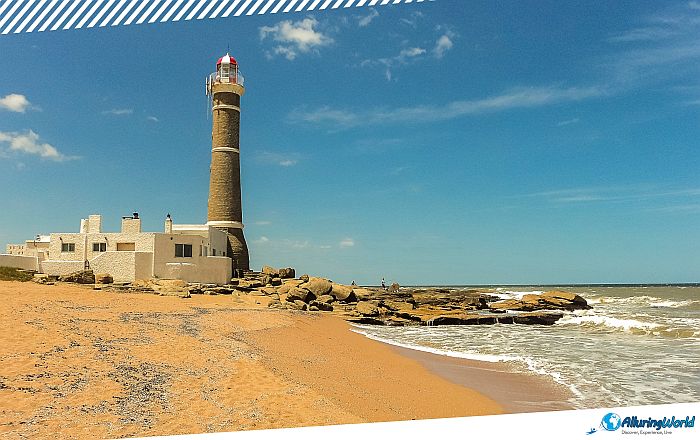
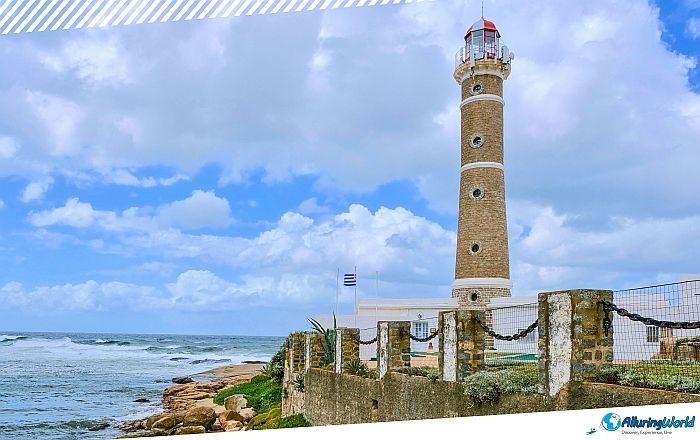
José Ignacio Lighthouse, known locally as Faro de José Ignacio or Faro de Punta José Ignacio, is a historic maritime lighthouse situated resolutely at the easternmost point of a narrow, windswept peninsula that bears the same name, José Ignacio, in the southeastern part of the Maldonado Department, within the southern part of the Oriental Republic of Uruguay. Known as one of Uruguay’s most iconic maritime landmarks, for nearly a century and a half, its sturdy masonry tower has guided mariners safely across unpredictable Atlantic waters toward the mouth of the Río de la Plata. Other than its important role as a navigational landmark, this lighthouse is the central point of culture and imagery for José Ignacio, a place that has transformed from being a sleepy little fishing village to one of the most private and prestigious coastal destinations in South America.
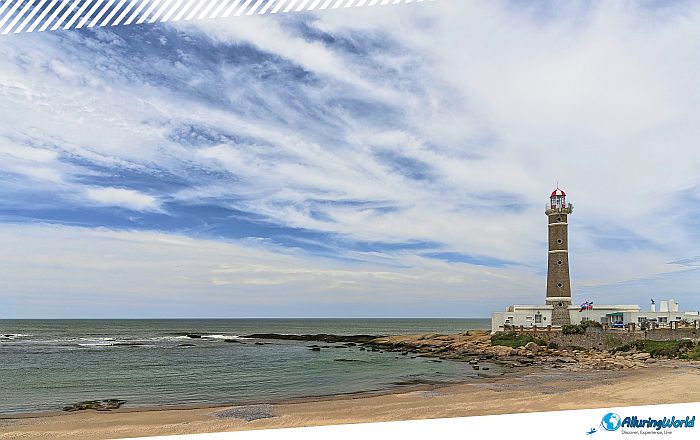
While the nearby Punta del Este shines with luxurious skyscrapers, casinos, and nightlife, José Ignacio is the deliberate opposite. Here, sandy dirt roads, bohemian-style low buildings, and beautiful coastal nature are combined harmoniously with the gourmet cuisine and fine hospitality. Standing on top of the granite rocks, the golden beach, and the coastal lagoon, the lighthouse is the ever-present landmark that connects Uruguay’s harsh maritime past with its modern resort lifestyle. The necessity for a lighthouse on the José Ignacio peninsula became urgently apparent by the middle of the 19th century. With thriving trade between continents and increased shipping to the Río de la Plata region, the dangers associated with the waters along the eastern coast of Uruguay became all too evident. The area around the José Ignacio peninsula was notorious amongst seafaring individuals for its rocky bottom and shallow waters, and the violent winds that characterize the region.
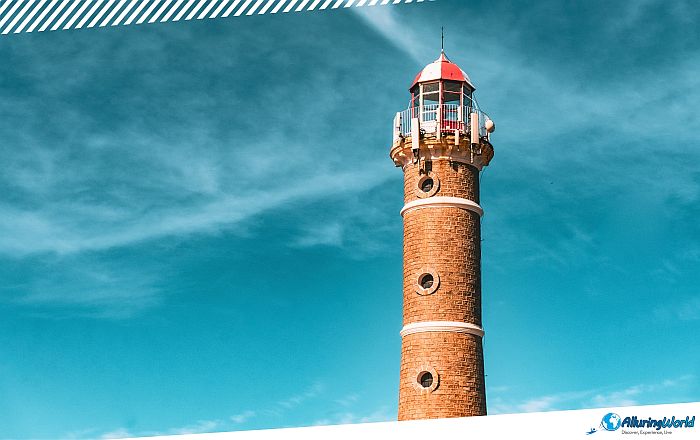
In response to the demands of the merchant fleet operating in the area and the navy, the Uruguayan government gave permission to build the lighthouse in the early 1870s. The construction started in 1873, amidst difficult circumstances, since the transportation of the necessary supplies was done on poor roads or even on the shore directly through the waves. Workers utilized locally quarried granite blocks to construct the tower, ensuring the structure could withstand the relentless salt spray, humidity, and gale-force Atlantic winds. The lighthouse was lit for the very first time on 1 December 1877, and initially, it can be noted that its function was carried out using a complex mechanical clockwork mechanism, along with an oil lamp and a glass Fresnel lens used for magnifying the light. Throughout the years that have passed, the equipment used for illumination has gone through many advancements, including automation and the use of electricity, while retaining the structure of the lighthouse. The lighthouse is still a functioning aid to navigation maintained by the Hydrographic Service of the Armada Nacional of Uruguay.
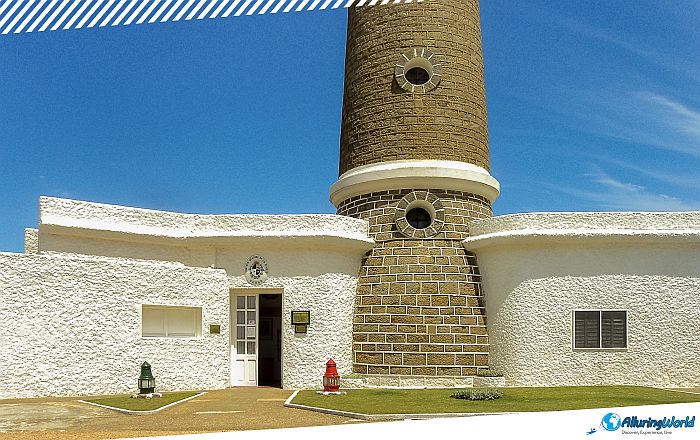
In its architectural form, José Ignacio Lighthouse is an embodiment of typical late-19th century maritime construction. Its cylindrical tower, made of brick and granite, narrows gradually with the increase in height, which is the product of a specific geometric design that helps to disperse kinetic energy caused by the strong winds coming from the ocean. While the lower part is constructed of weathered granite masonry, the upper one is characterized by distinct black-and-white bands. Some facts about the lighthouse that you should know:
- Tower Height: 25 meters (82 feet)
- Focal Plane: 31.5 meters (103 feet) above mean sea level
- Light Range: Visible up to 18.5 nautical miles (approx. 34 kilometers/21 miles)
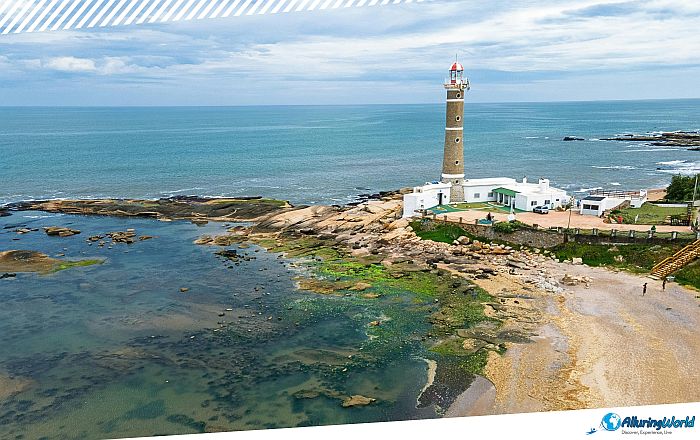
The interior of the tower houses a narrow, beautifully preserved iron spiral staircase comprising 120 steps. Traversing this stairwell brings visitors past historic brickwork and heavy iron portholes, culminating at the upper lantern room and wrapping observation gallery. The primary light source now uses modern automated LED optics powered by an electrical grid connection with emergency battery backup systems, flashing its distinctive light pattern automatically from dusk to dawn.
ADVERTISEMENT
The geographical location of Faro de José Ignacio is exceptional when it comes to the Uruguayan coastline. This is because the peninsula extends into the sea, thus giving rise to two beaches that differ greatly in their composition, due to the rock formation in between. On the western side of the rock formation, there is Playa Mansa, which has shallow waters that are perfect for activities such as swimming and paddleboarding. On the eastern side of the rock formation, there is Playa Brava. Overall, the ecosystems of the area are not limited to just sand and salty water, as some might think. The surroundings of the lighthouse include huge coastal lagoons such as Laguna José Ignacio and Laguna Rocha that play an important role in providing natural habitat for birds.
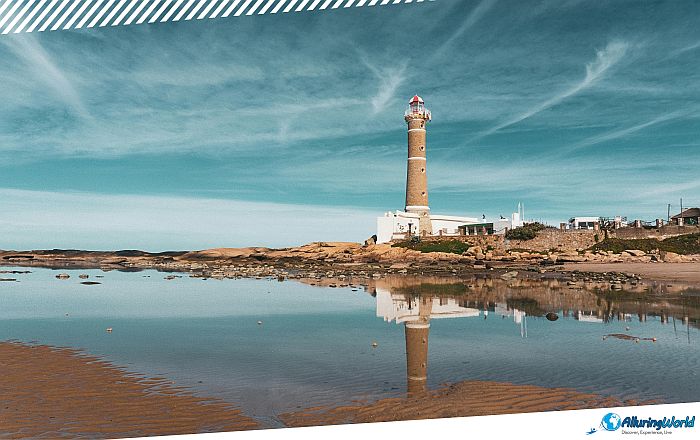
From the wildlife that you can discover here, the most striking would be:
- Marine Life: Southern Right Whales (Eubalaena australis) migrating offshore from June through November, alongside resident sea lions.
- Avian Species: Chilean flamingos, black-necked swans, Coscoroba swans, and migratory shorebirds frequenting the nearby lagoons.
Visiting the lighthouse is a highlighted activity if you are exploring the Maldonado Department. The base of the tower is easily accessible on foot from anywhere within the compact village of José Ignacio. On days when weather conditions permit public access, visitors can pay a nominal entrance fee to climb the 120 steps to the gallery deck for an unhindered 360-degree panorama of the Atlantic Ocean, coastal dunes, and surrounding village. Because José Ignacio maintains a strict commitment to low-impact tourism and preserving its tranquil environment, you are strongly encouraged to respect local customs and community norms.
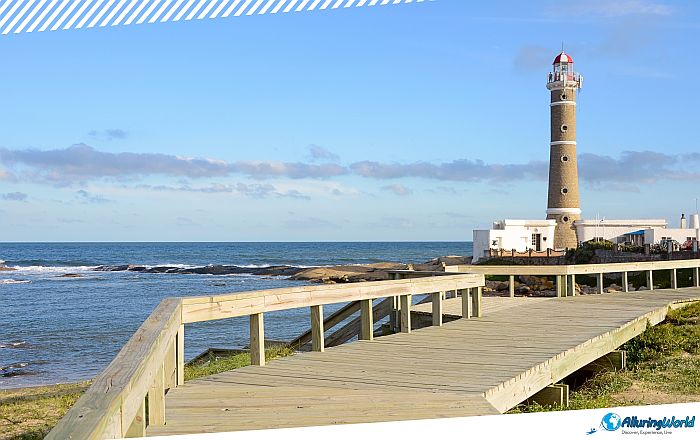
To comply with local customs, please be aware of the following:
- Pacing and Footwear: Wear sturdy, non-slip shoes for climbing the narrow spiral staircase; heels and loose flip-flops are strongly discouraged for safety.
- Timing Your Visit: Plan your climb for mid-morning to avoid peak afternoon queues, or position yourself on the surrounding granite rocks at dusk to experience the famous sunsets and colorful lighthouse.
- Respect Local Tranquility: Drive slowly on the village’s unpaved roads, yield to pedestrians, and observe quiet hours, as José Ignacio consciously avoids high-density commercialization.
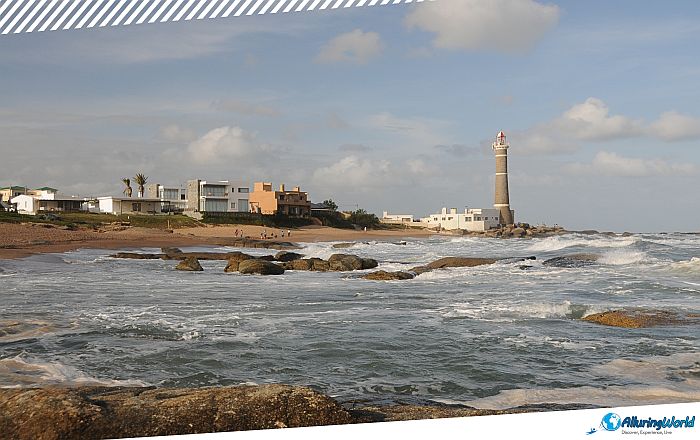
Nevertheless, the history of José Ignacio Lighthouse cannot be dissociated from the development of its village surroundings. For almost the whole 100 years since the construction of the lighthouse, José Ignacio remained a remote community inhabited mainly by fishermen and migrant laborers. Moreover, the community had neither roads nor electricity until the middle of the twentieth century, which was obviously limiting its growth as a city.
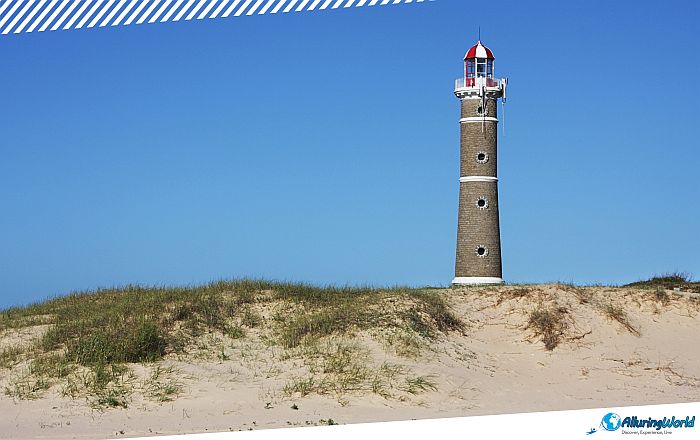
During the latter part of the 1970s and throughout the 1980s, artists, architects, and careful travelers who were searching for an escape from the crowded nature of Punta del Este began to recognize the natural beauty of the peninsula. Instead of erecting high-rises, forward-thinking owners put zoning restrictions in place to limit building heights and preserve open space. Currently, the village around the historic lighthouse is renowned for its restaurants serving fine seafood and tannat wine from Uruguay on its beaches, as well as its eco-friendly hotels and exquisite homes. Although the area has gained a reputation as a secluded location where celebrities and other luminaries from all over the world choose to escape, José Ignacio has managed to retain its humble charm of “barefoot luxury.” Overall, the granite lighthouse has remained the same, standing as the everlasting centerpiece of the coastline, guiding sailors to safety throughout the decades, and now serving as a reminder of the once-rough waves that struck Uruguay’s coastline.