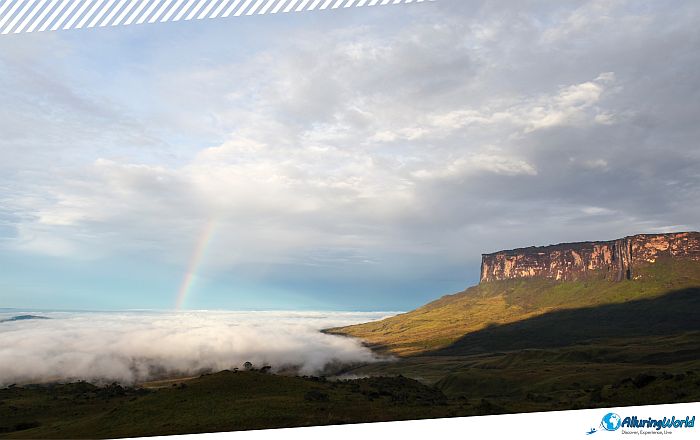
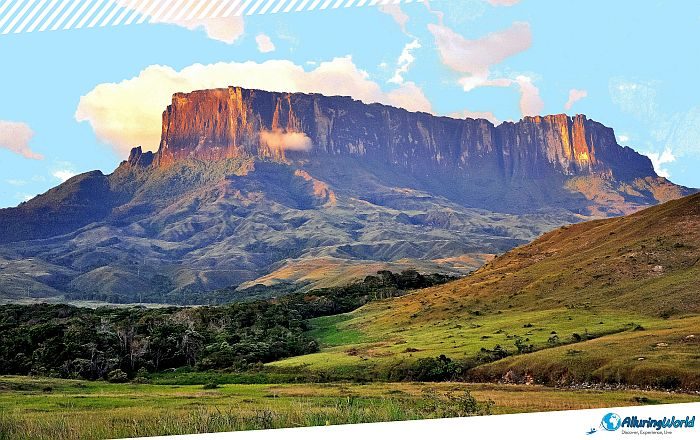
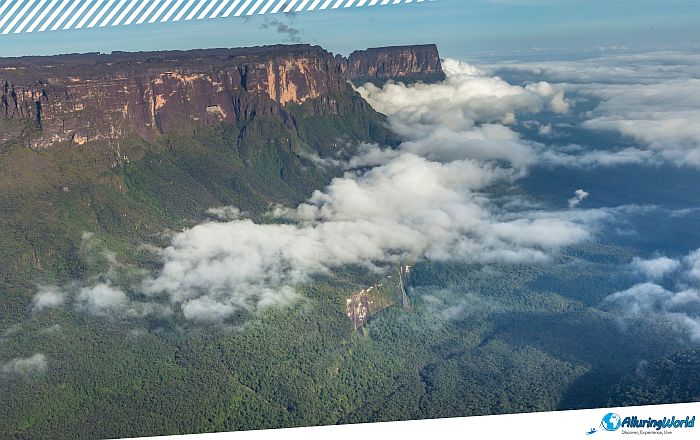
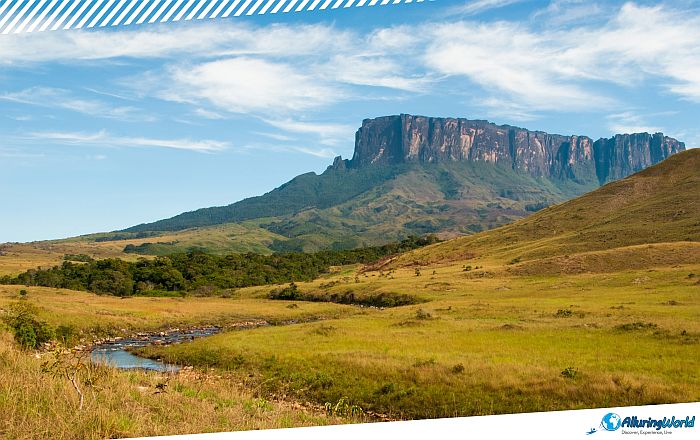
Kukenán Tepui, also known as Mount Kukenán, is an imposing mountain that is considered to be one of the most interesting natural wonders in the world, and it is located in the Canaima National Park that stretches in the Bolívar State of the Guayana Region, within the southeastern part of the Bolivarian Republic of Venezuela. Due to its interesting shape, Kukenán Tepui is one of Venezuela’s most striking natural wonders, as it is a flat-topped mountain that rises sharply from the vast savannas of the Gran Sabana.
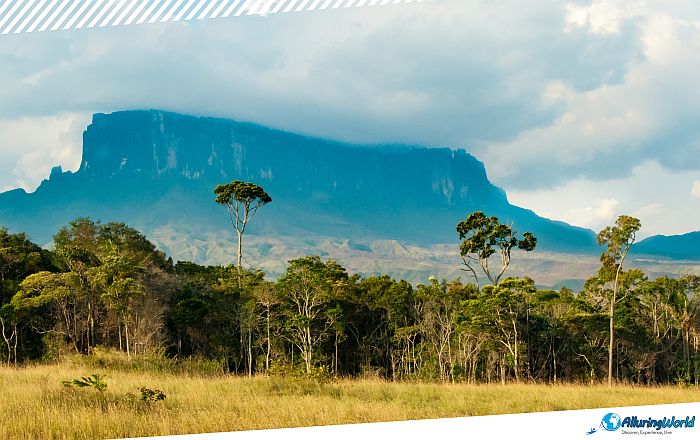
Because Canaima National Park is a UNESCO World Heritage Site, Mount Kukenán is part of this protected list, which also forms part of a visually stunning trio of tepuis alongside Mount Roraima and the more remote Yuruaní Tepui. This mountain rises to heights of roughly 2,680 meters (8,790 feet), and its steep walls and plateau summit make for a stark contrast to the green grasslands that lie at the bottom of the mountains, making it among the favorite destinations for explorers and geologists who are drawn by something different in this world.
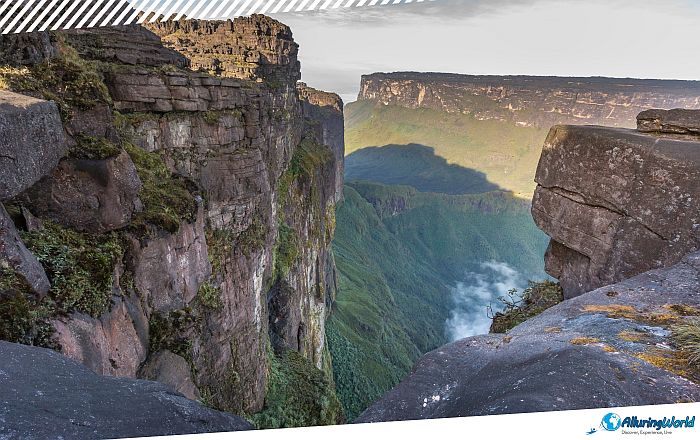
Kukenán Tepui is a unique geographical phenomenon that belongs to the ancient Guiana Shield, one of the oldest geological phenomena existing on Earth, estimated to be nearly two billion years old. The tabletop mountains (which are common in this region) known as tepuis are the leftovers of the ancient world, which was formed over millions of years of erosion and now has the form of high cliffs. The top of the Kukenán Tepui forms a unique ecosystem; some might refer to it as “an island in the sky,” wherein flora and fauna have developed on their own, creating unique species that cannot be found anywhere else on Earth. The tough, infertile soil of the plateau, along with the mist and rains, has helped grow some unique plants, such as carnivorous plants, small orchids, and mosses, which hang on to the moist rock surfaces, forming an eerie landscape.
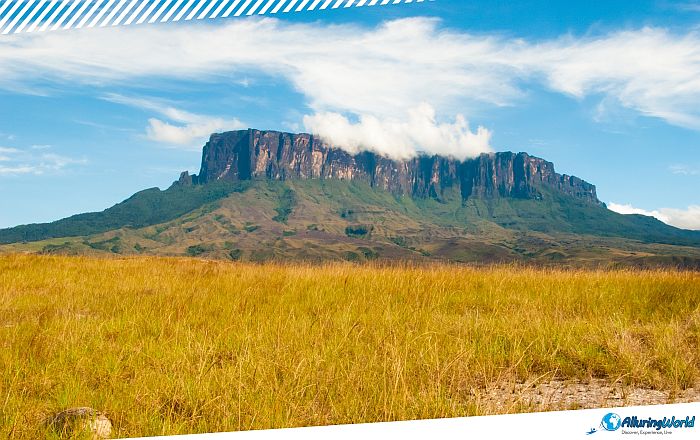
However, among the many fascinating aspects of Kukenán Tepui is the Salto Kukenán, which is one of the highest waterfalls in the world. The waterfall drops a staggering height of 600 meters (about 2,000 feet) from the top of the tepui to the Gran Sabana below, forming an amazing scene visible from afar. Although this is usually considered a waterfall, its volume of water depends on the rainfall at different seasons of the year, with it forming a thunderous waterfall during the rainy season or turning into a mist during the dry season. The flowing waters against the reddish-orange vertical cliffs of the tepui form a beautiful scenery of nature.
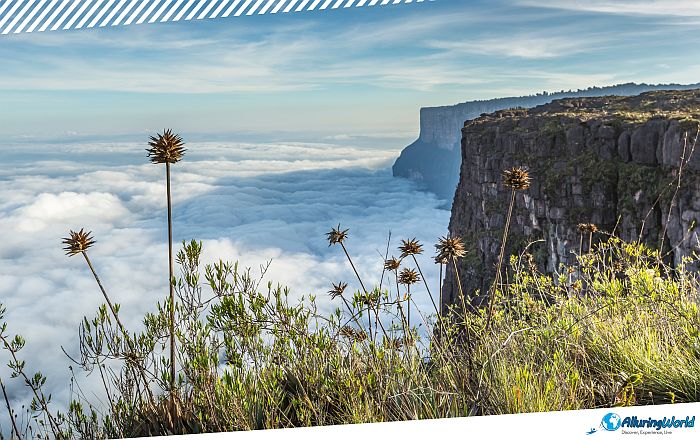
In addition to being a geological and ecological wonder, Kukenán Tepui also has significant cultural and spiritual importance among the Pemon people living in the Gran Sabana region. The tepui represents a highly revered holy site for the Pemon community, full of rich myths and traditions and usually considered the abode of spirits. Traditionally, there have been restrictions on access to the tepui since the Pemon community has been attempting to conserve its spiritual and natural beauty, thus having these cultural values have an ongoing impact on conservation policies along with the inclusion of the tepui into Canaima National Park.
ADVERTISEMENT
Kukenán Tepui has very strict regulations when it comes to tourism and exploring because of the sanctity of the place and the delicate ecosystem it possesses. Contrary to Mount Roraima, which sees a constant flow of adventurers and trekkers, Kukenán Tepui is relatively sparsely visited, and it should continue to remain as such. For this reason, treks to this significant site are only undertaken by scientific or highly permitted expeditions that are guided by local Pemón people. Trekking up this tepui is no easy task because it requires you to have a lot of preparation and skill as well as proper respect for the terrain and local culture, as guided by the Pemón communities. The summit is a maze of rocky formations, pools of water, and mist-covered cliffs, which gives intriguing vibes to the people who consider visiting this special place. The area is isolated and enormous, and hence the terrain looks alien. Nevertheless, Kukenán stands out as one of the most stunning views of nature from Venezuela, no matter where you view the mountain from; be it the base of the falls or from distant places in Gran Sabana.
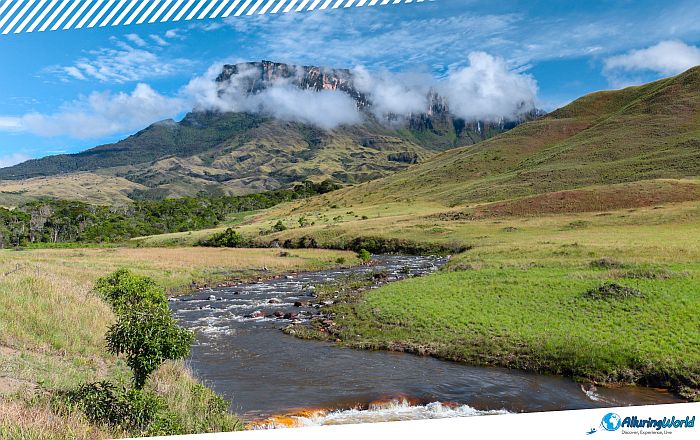
Tourists who travel to the Gran Sabana are generally attracted to Kukenán Tepui not only because of the thrill of hiking and/or trekking but also because they are offered the chance to explore the natural and cultural uniqueness of the area. The surroundings of the area have trekking trails which link the tepui to the savannah and rivers, and they give you an insight into the culture and everyday life of the Pemon community. There are several activities like photography, bird watching, and nature observation for those who want to enjoy the grandeur of the tepui from a safe distance. Overall, tourism will continue to be sustainable due to conservation rules and respect for local culture, thus ensuring that future generations will be able to appreciate the magical beauty of Kukenán Tepui.
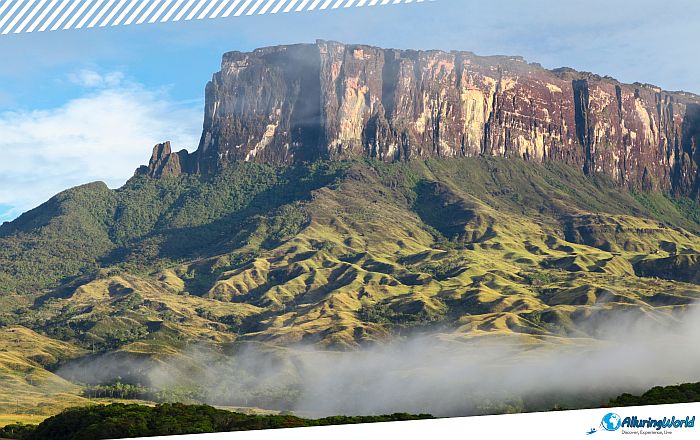
A trip to Kukenán Tepui needs to be planned carefully, taking into consideration seasonal climate changes and indigenous rules. The ideal period to visit is the dry season, from December to April, when the sky is clear, the trails are better, and the rivers less swollen. While the rainy season (May to November) makes Salto Kukenán far more dramatic, heavy downpours obscure summit views and create dangerous conditions on the already challenging rock faces. Because Kukenán holds sacred spiritual status for the local Pemón people and possesses a fragile ecosystem, independent access to the summit is strictly prohibited. Access to the summit is restricted primarily to authorized scientific research and specially permitted expeditions, which must be registered with INPARQUES (Venezuela’s national parks authority) and accompanied at all times by official Pemón guides.
Standard tourists typically view Kukenán from safe observation trails, day hikes, or river campsites while undertaking the nearby Mount Roraima trek, which departs from the Indigenous community of Paraitepuy. If you’ve decided this bucket-list destination is a must-visit, keep these essential details in mind to plan your trip smoothly:
- Obtain Official Permits: Check in with INPARQUES near the start of the Paraitepuy trail and acquire the necessary park permits and present your travel documents.
- Hire Authorized Pemón Guides: Always make sure you have a certified local Pemón guide when you try to head out towards and up the tepui, since doing otherwise is illegal and disrespectful.
- Apply for Summit Special Authorization: If you wish to climb the summit and not hike along the base trails to see the tepui, then get your special expedition permit way ahead of time through an authorized local tour guide in collaboration with Pemón guides.
- Pack for Extreme Technical Terrain: Get ready with the best quality waterproofing equipment, hiking boots with good ankle support, a water filtration system, and cold weather clothes.
- Respect Local Pemón Restrictions: Adhere strictly to sacred zones and cultural boundaries designated by your local guide, avoiding restricted areas or disruptive behavior.
In summary, Kukenán Tepui is a representative of the rich nature of Venezuela through the convergence of geology, flora, and fauna, as well as the presence of living indigenous culture. The tall cliffs, mysterious top, and impressive waterfall make the area a place that combines great difficulties and immense reward. Regardless of whether one comes to Kukenán Tepui to have an interesting hiking trip, take photos, or learn about the culture, it provides the visitor with a desirable experience.