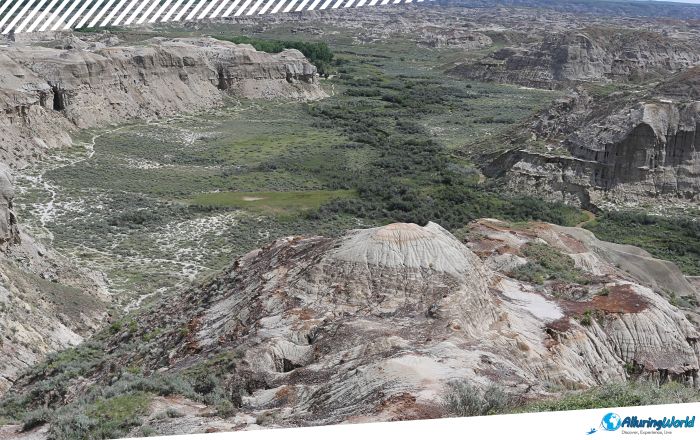
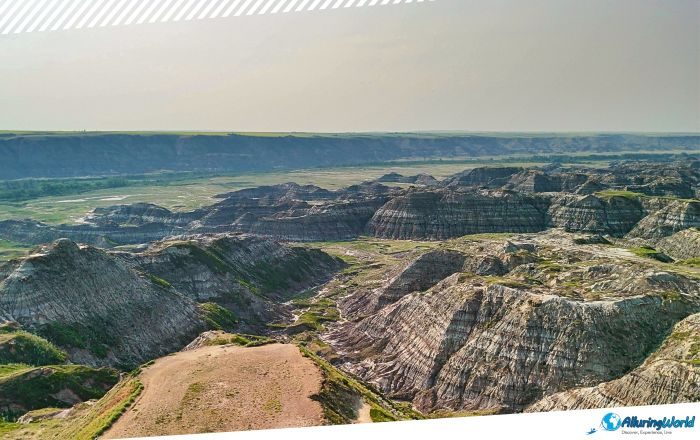
Dinosaur Provincial Park is an important protected area located within the Red Deer River Valley, about 230 km (143 mi) southeast of the city of Calgary and near the town of Brooks, in the southeastern part of the Province of Alberta, within the southwestern part of Canada. Being one of the world’s most renowned paleontological sites and a striking natural landscape that combines scientific significance with scenic beauty, this park offers visitors a chance to experience a dramatic stretch of Canadian badlands while standing on ground that has yielded some of the most extraordinary fossil discoveries of the past century. It is a place where geology, history, and natural heritage intersect, making it a destination of lasting importance.
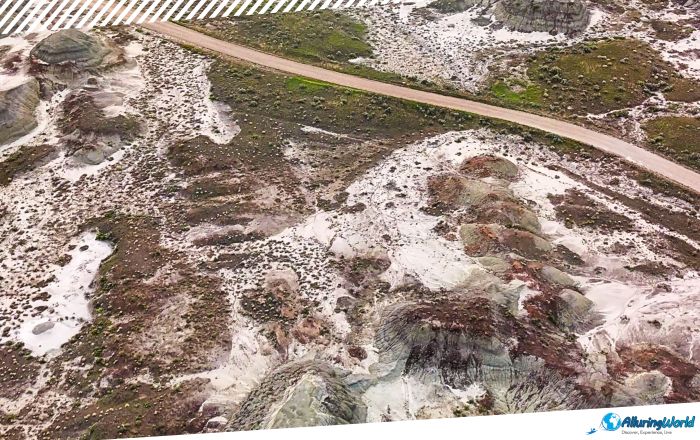
The park was established in 1955 by the Government of Alberta, primarily to protect the abundance of dinosaur fossils that had been uncovered in the area. Before its creation, paleontologists had already been aware of the rich fossil beds in the region, with significant excavations beginning in the early 20th century. The sheer concentration of fossils, representing more than 40 species of dinosaurs and countless other prehistoric plants and animals, was unparalleled. The initial idea of the park was to preserve these invaluable scientific resources and also to safeguard the distinctive badlands ecosystem that provides a glimpse into a vanished world.
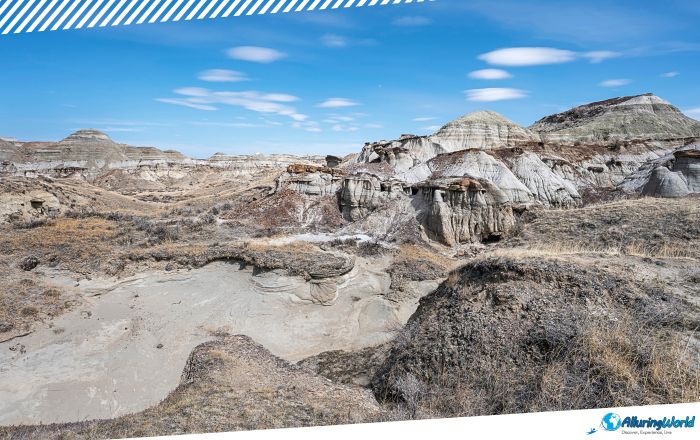
Being named as a dinosaur park is a direct reflection of the remarkable fossil heritage that can be found here, thus highlighting its role as one of the most important sites in the world for the study of dinosaur life. The fossils that have been unearthed here date from the Late Cretaceous period, which is around 75 million years ago, and they include complete skeletons and fragmented remains, which in fact give a great idea of the biodiversity that once thrived in the region. Throughout the decades, the park has since become synonymous with groundbreaking discoveries in paleontology, and as people unearthed here unique specimens, all of them are displayed in museums across the globe, including the Royal Tyrrell Museum in Drumheller and the American Museum of Natural History in New York.
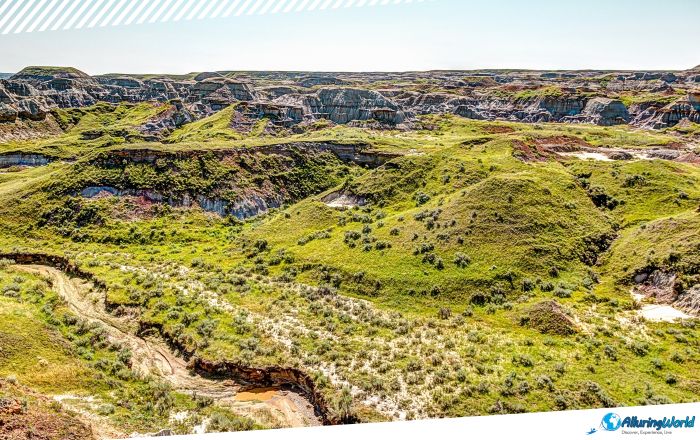
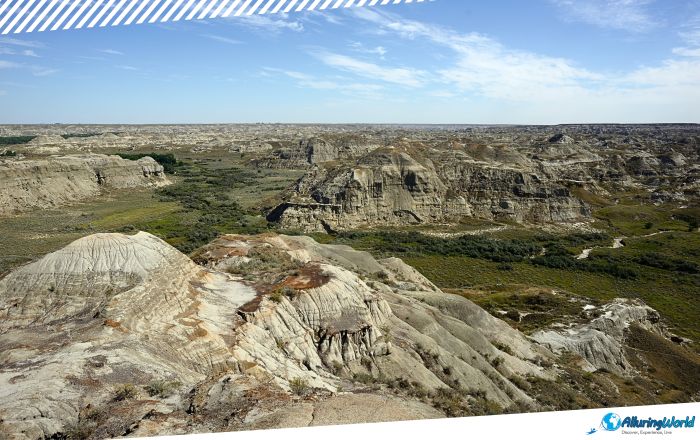
Nevertheless, the park’s unique landscape was created by natural forces over millions of years, and this was due to the Red Deer River and its tributaries, which carved deep channels through layers of sedimentary rock, exposing deposits that date back to the Cretaceous period. The continuous erosion managed to shape the dramatic hoodoos, gullies, and coulees that define the badlands we see today, in consequence creating an otherworldly terrain that challenges and fascinates visitors. These unique natural processes managed to bring the ancient fossils to the surface, where paleontologists could study them in great detail. The end result of this entire process is a landscape that is as scientifically valuable as it is visually striking.
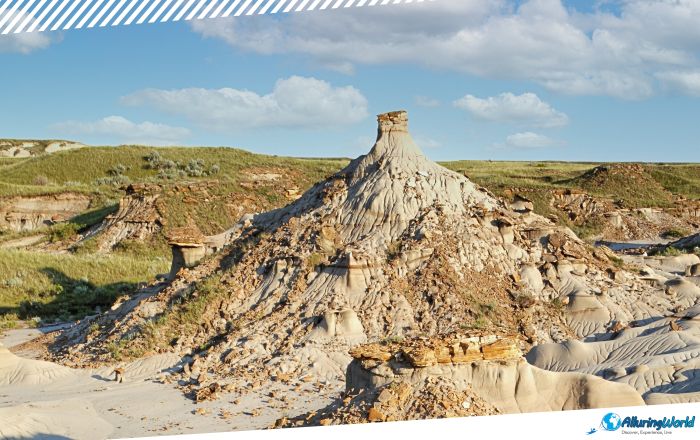
Throughout history, the importance of Dinosaur Provincial Park has been twofold. Scientifically, it has contributed enormously to the understanding of dinosaur ecosystems and evolutionary history. As per the scientists’ feedback, the fossil beds contain numerous remains of dinosaurs, fish, amphibians, reptiles, birds, and early mammals, and each of them is offering a comprehensive look at life during the Late Cretaceous. Historically, the park is also tied to the era of fossil hunting in the early 1900s, and this was the period when teams of paleontologists conducted extensive excavations, which in turn brought international recognition to Alberta. Despite providing over 55 dinosaur species and more than 150 complete dinosaur skeletons, today, the park still serves as an active research ground where scientists are still making new discoveries.
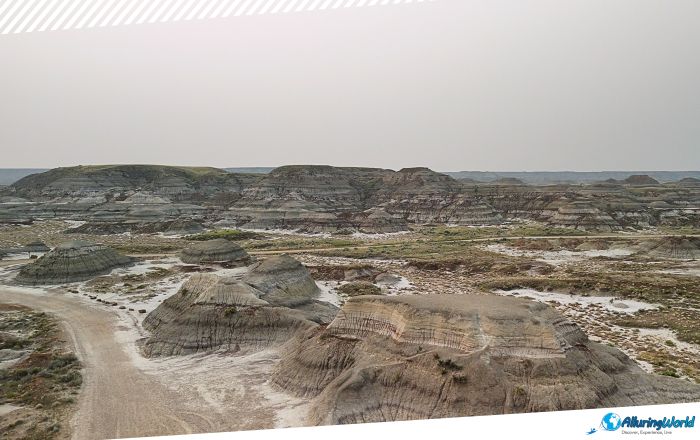
Due to the high importance given to Dinosaur Provincial Park, it was included in 1979 in the UNESCO World Heritage Site, thus strengthening its status worldwide. Selected for the combination of its rich fossil record, unique badlands scenery, and intact natural environment, this status has further protected the park from development while raising its profile as a destination for education and tourism.
ADVERTISEMENT
If you decide to visit the park, it is guaranteed that you will be easily captivated because each person can find a wide range of interests that can be appealing to a broader audience, starting from science enthusiasts and moving to nature lovers. Accessing the park is easy by road, with well-marked routes leading from nearby towns such as Brooks. Once in the park, visitors are greeted by a variety of interpretive programs and facilities, and visitors can enjoy exhibitions on paleontology, geology, and ecology, which offer context before exploring the terrain. If you decide to get a guided tour, this will increase your chances of leaving the park with extra knowledge, because paleontologists and park interpreters are leading visitors to areas where fossils can be observed in situ. Certain tours would even allow participants to handle fossils, and this will bring you even closer to the work that is being done in Dinosaur Provincial Park.
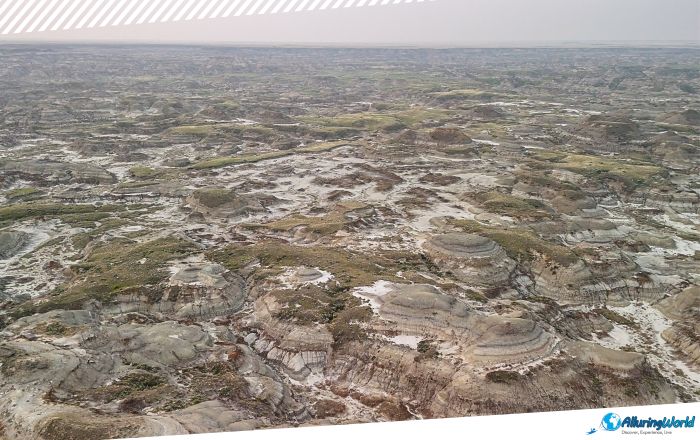
Still, for visitors interested in outdoor activities, there is a wide range of hiking trails that present the dramatic badlands scenery. Each of these trails highlights different aspects of the landscape, and they range from eroded hoodoos to riparian habitats along the Red Deer River. Another highlight to be observed here is the wildlife, as this can be a very rewarding activity, since the park supports a variety of animals, including mule deer, coyotes, pronghorns, and over 150 species of birds. The contrast between the arid badlands and the lush river valley creates diverse ecosystems that sustain both resident and migratory species.
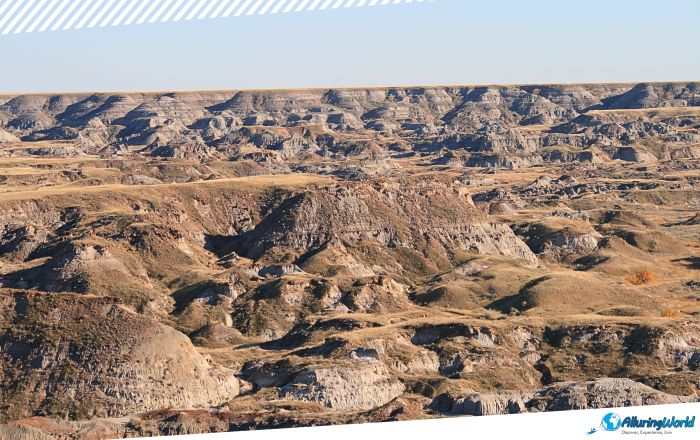
Visitors who would like to see how the park is during the evenings, camping is the best activity because it provides an opportunity to immerse oneself in the environment entirely. Staying overnight allows visitors to experience the changing light of sunrise and sunset over the hoodoos, as well as the extraordinary clarity of the night sky. Due to the remoteness, there is no light pollution from any major city, which makes it ideal for stargazing, adding another layer of attraction to the experience.
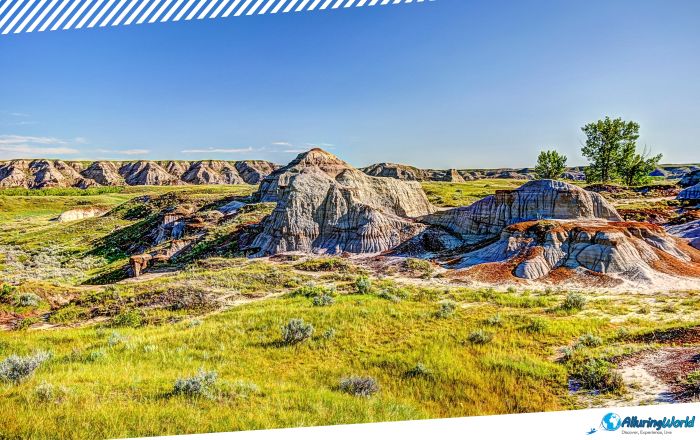
The importance of Dinosaur Provincial Park today extends beyond its role as a tourist destination. It is a center of ongoing scientific research, contributing to the global understanding of paleontology. The shared educational programs carry on with the inspiration of students and the general public, as they foster awareness of natural history and conservation. Moreover, it plays a role in local identity and pride, as Alberta’s fossil heritage has become an indelible part of Alberta’s cultural landscape.
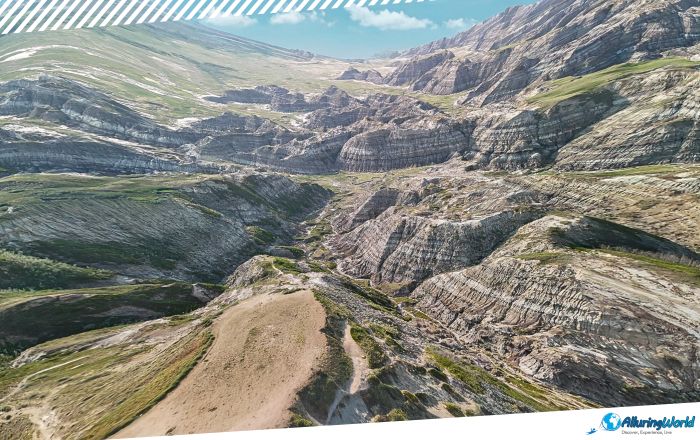
Besides handling paleontology, the park brings to attention the ecological conservation efforts that should be made in order for the native prairie grasslands, river habitats, and badlands ecosystems to be preserved, so that this preservation will ensure that the park remains a living environment rather than a static museum. Visitors are always encouraged to respect the fragile landscape because, as we know, erosion is a natural process that cannot be avoided in a landscape such as this one, but still, it can be accelerated by human activity if visitors do not respect the park’s rules and regulations. It is of utmost importance that responsible tourism is practiced throughout the entire park because this is a key component of the park’s long-term preservation.
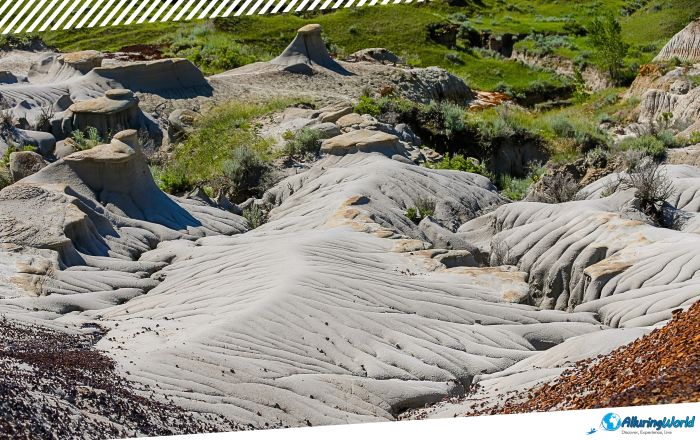
Overall, if you would like to have a unique and quite enriching experience, Dinosaur Provincial Park will offer you something that few places in the world can match: the chance to walk among some of the richest fossil beds on Earth while surrounded by landscapes of stark beauty. Here you will be reminded of the planet’s deep past and the forces that have shaped it, inviting reflection on the fragility and resilience of life.
In conclusion, Dinosaur Provincial Park stands as a unique and very different site with extraordinary significance that cannot be matched by other places. Merging history, science, and natural beauty, it continues to be praised for the heritage of ancient life and the commitment to preserving it for future generations. Visitors who make the journey to Alberta’s badlands are rewarded with an experience that is visually captivating and also intellectually and spiritually enriching, guaranteeing that the park will remain as one of the greatest national treasures that can be offered to the world.