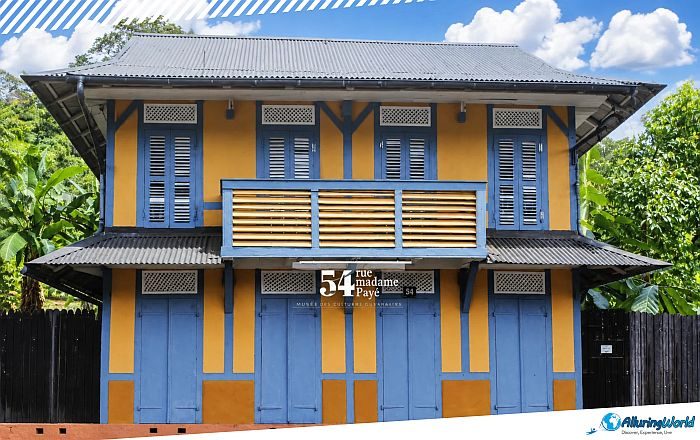
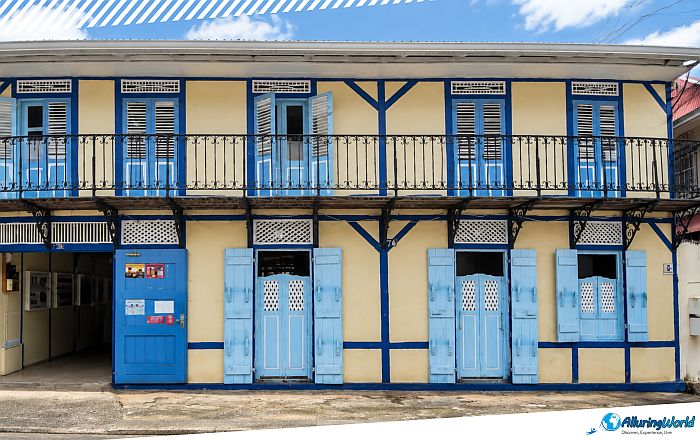
The Museum of Guyanese Cultures, locally known as Musée des Cultures Guyanaises or sometimes abbreviated as MCG, is an important ethnographic and cultural museum that is dedicated to the history, traditions, and diverse populations of the overseas department and region of France located on the northern coast of South America, French Guiana. Located in the historic center of Cayenne, just a short walk inland from the Atlantic coastline and the lively market stalls at Place du Coq, the museum is a vital cultural institution where travelers gain essential insight into French Guiana. Instead of restricting the huge collection of ethnography to one single boring gallery space, the museum spreads itself over two beautifully preserved 19th-century Creole houses on Rue Madame Payé.
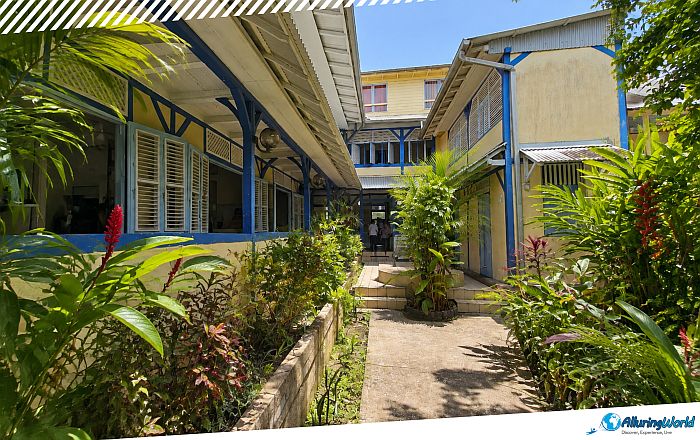
Founded as a public administrative body in 1995 and granted the esteemed national designation Musée de France in 1998, the MCG acts as the custodian of the territory’s tangible and intangible heritage. When you are visiting French Guiana and hope to learn more about the human story that lies beneath its impenetrable jungles and famous Guiana Space Center, you will find that this museum is an essential starting point for your exploration. French Guiana has some of the most diverse demographics in South America. The social structure is made up of six different Indigenous nations, various Bushinenge (Maroon) groups, French Guianese Creoles, metropolitan French people, and different diasporic communities from Haiti, Brazil, Suriname, China, and Laos. The rapid urbanization in the coastal region, economic changes, and isolation of interior river communities make many traditional crafts, languages, and oral culture vulnerable to change.
The Musée des Cultures Guyanaises directly addresses these pressures through active ethnographic collection, conservation, and community outreach. The approach used by the museum curators implies that the artifacts representing the culture are not dead, and they are not seen as remnants from another time. Rather, everything is seen within the context of the continuous existence that is inherent to these unique communities that live in such an equatorial area. One of the key pleasures when visiting the Museum of Guyanese Cultures is its split-site format. The two buildings where the museum is housed are situated at a distance of around 150 meters (492 feet) from each other on the same central street and provide a stark yet complementary contrast of atmospheres.
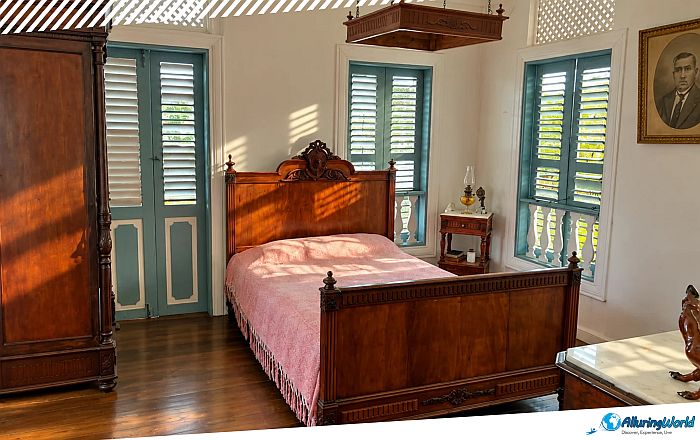
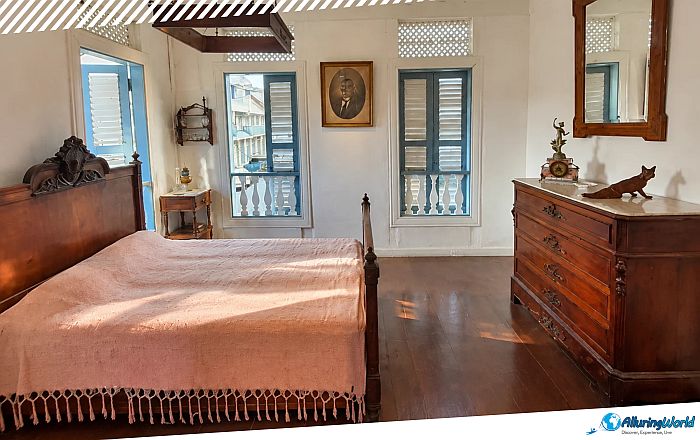
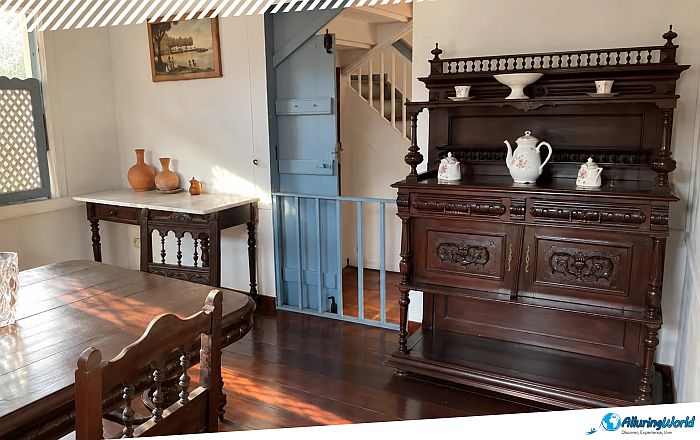
The house at 54 Rue Madame Payé is a totally unique experience that transports you to the elegance and charm of an upper-class household life in urban Cayenne from the end of the 19th to the beginning of the 20th century. Constructed in the Creole architectural tradition, this structure carries profound historical weight as the former residence of Herménégilde Tell, father-in-law of Félix Éboué, the Cayenne-born colonial administrator who became a pivotal hero of the Free French resistance during World War II. Crossing the threshold and going into the interior of this house reveals a beautifully restored interior design of the bourgeois Creole with authentic furniture, porcelain, household items, and personal mementos from the past. Apart from its historical significance, the house is an excellent example of equatorial construction. In the absence of contemporary air conditioning systems, Creole architects were adept at designing bioclimatic houses that would keep the heat and humidity at bay. This is achieved by keeping the foundations high and using stone and brickwork to avoid ground moisture and termites, along with jalousie shutters, high ceilings, and strategically aligned doorways that channel trade winds through the rooms.
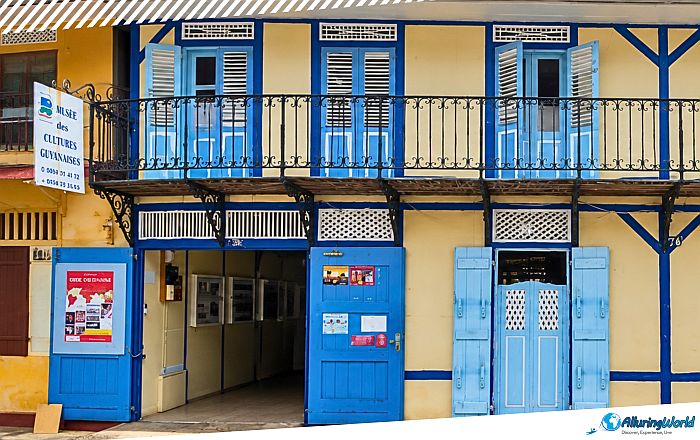
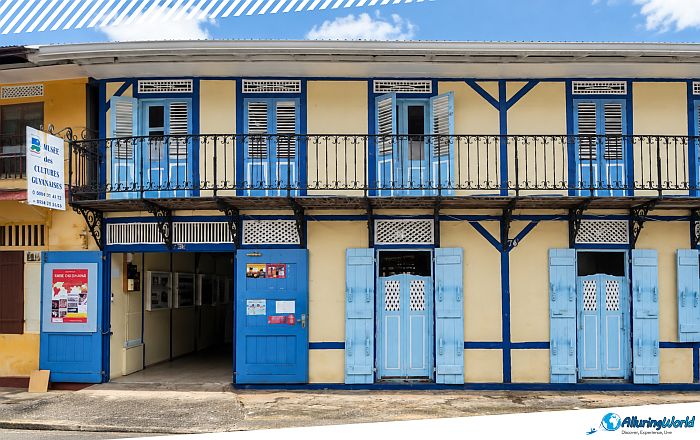
The two-minute walk down the street will lead you to the museum’s second Creole home at 78 Rue Madame Payé, where the building works as a dynamic exhibition space and a center for research. Although the main collection forms the basis of the museum’s identity, the secondary space organizes changing exhibitions that focus on particular subjects, including modern photographs taken in Amazonia, the history of gold mining, ritual textiles, etc. This location also contains an ethnographic documentation center, a library, and a sound archive. Accessible to scholars, students, and curious tourists by appointment, the archive contains recordings of oral history, traditional music, and linguistic research on the Guiana Shield.
ADVERTISEMENT
The permanent galleries of Musée des Cultures Guyanaises are arranged to highlight the distinct aesthetic languages and technologies of French Guiana’s primary cultural groups, as well as archaeological pieces and historical records of the transatlantic slave trade. Through colonial-era archives, plantation artifacts, and personal testimonies, these displays confront the brutal realities of forced labor and trace the long struggle leading up to the abolition of slavery in 1848, providing vital historical context for the region’s modern society.
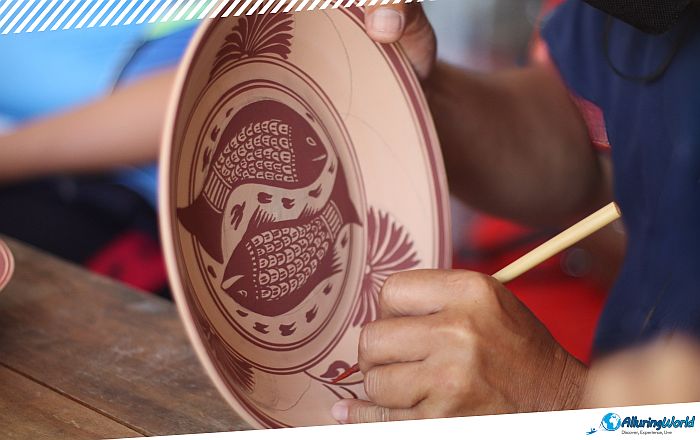
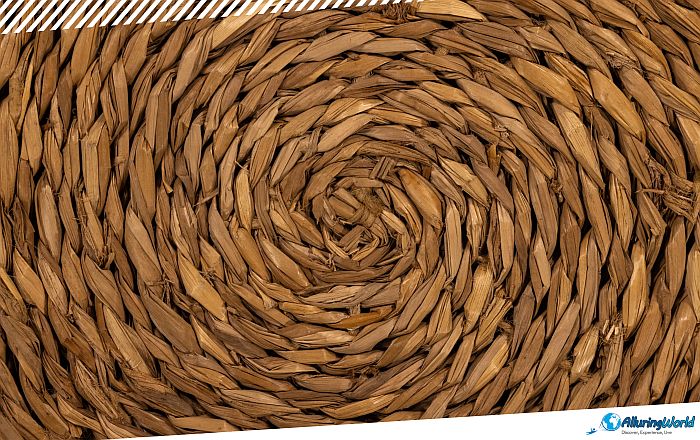
There are six distinct indigenous groups in French Guiana: the Kali’na, Palikur, and Lokono (or Arawak) groups who live on the coast, while the other three groups are found inland near rivers, and these include the Wayana, Wayampi, and Teko people. There are various items displayed in the museum that show the excellent skill of the people in working with natural materials found in the forests. Items that are included are geometrically designed baskets made from arouman reed, feather headdresses, painted ceramics, and tools used for hunting and fishing.
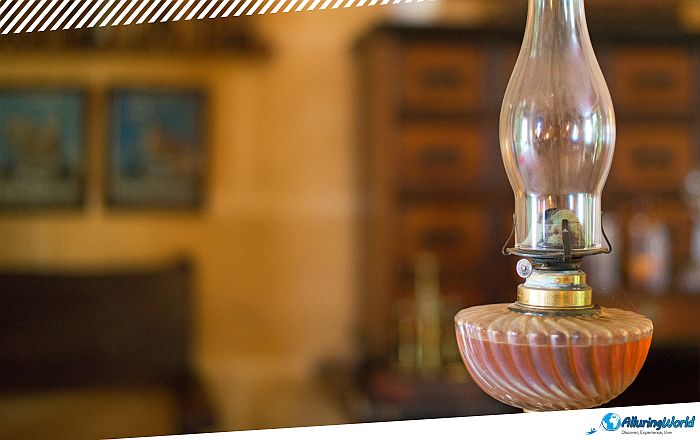
The main exhibit in this section is the production of bitter cassava (manioc) by using the matapi, a long, woven cylindrical press used to extract toxic hydrocyanic acid from grated cassava pulp before baking it into staple flatbreads. The Bushinenge is comprised of the Aluku (Boni), Saramaka, Ndyuka, and Paramaka peoples, who are descendants of enslaved people who freed themselves from the Dutch plantations in Suriname in the 17th and 18th centuries and created independent societies in the Maroni and Lawa rivers. The MCG recognizes the history of their resilience and their artistic genius. These include large wooden doors and stools that are decorated with tembe, a symmetrical form of relief carving rich with coded symbolism, as well as colorful patchwork textiles, carved calabashes, and other ceremonial items.
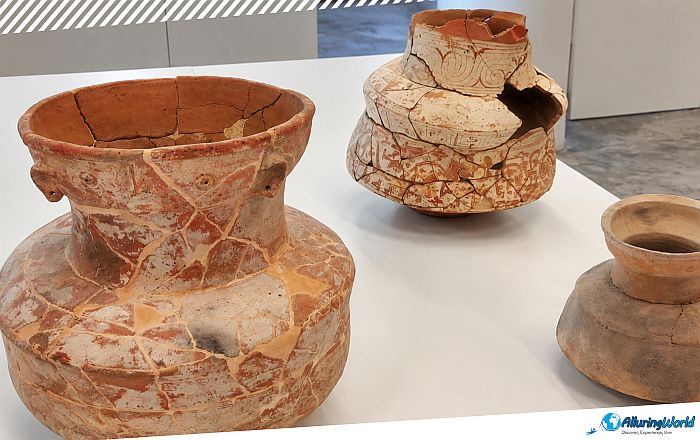
The Creole galleries depict the rise of a special coastal culture arising from the fusion of African, European, and Native American cultures. They house traditional festive costumes for the matador, Madras headdresses, utensils used for preparing traditional meals such as bouillon d’awara, as well as musical percussion used for performing traditional kasékò and the Carnival of Cayenne. Other exhibits in nearby galleries pay tribute to the contribution made by the subsequent arrivals of the Hmong refugees that established themselves in Cacao and Javouhey in the late 1970s, completely transforming the agricultural practices in the region. Alongside them, displays acknowledge how vibrant Haitian and Brazilian communities have enriched Cayenne’s urban life, music, and cross-border commerce over recent decades.
However, due to the fact that the collection now includes thousands of ethnographic artifacts, archaeological discoveries, and audiovisual materials, the MCG has become too large for the cozy domestic premises it inhabits. The cultural authorities are currently developing plans for the creation of a new institution on an even grander scale than the MCG: the Musée des Cultures et des Mémoires de la Guyane (MCMG). This project is set to take place on the grounds of the former Jean Martial hospital near Place des Palmistes. This major expansion will unify the museum’s holdings under one expansive roof, providing state-of-the-art conservation labs, expanded gallery space, and dedicated venues for live performance and community memory.
Visiting the Museum of Guyanese Cultures is straightforward, as both sites sit within easy walking distance of Cayenne’s main squares, the Atlantic waterfront, and major hotels. However, tropical weather and local administrative schedules can still catch unprepared visitors off guard, so keeping a few practical details in mind ensures a smooth experience:
- Opening Hours and Tickets: The museum is typically open from Tuesday to Friday, between 09:00 and 13:30, and then again between 14:30 and 17:00. On Saturdays, it is usually open from 09:00 to 13:00, but it is closed on Sundays, Mondays, and public holidays. Visitors can buy individual tickets for each building or a combined pass for both sites, though opening schedules occasionally shift in August or during Carnival season. The regular adult ticket is €3 for the main site (54 Rue Madame Payé / Maison Tell) and €2 for the annex site (78 Rue Madame Payé), while you can purchase an entrance ticket for both sites for €4; a concession rate for students and seniors is €1 to €1.50, and it is free for those under 18 years old. Because smaller cultural institutions in Cayenne do not always accept cards for low-value transactions, carrying small euro bills or coins is recommended.
- Best Time to Visit: Arriving right at 09:00 will give you the opportunity to visit the wooden Creole houses before temperatures at midday become too hot, or choose one of the country’s cultural events when the museums are open to the general public and are free of charge for all visitors. Such events are the European Night of Museums in May and European Heritage Days in September.
- Visitor Etiquette and Comfort: While the historic homes feature cross-ventilation, high humidity levels still prevail throughout the year, so it is recommended that you use a refillable water bottle with a capacity of 0.5 liters (17 fl oz) and wear loose cotton or linen clothing. Please remember to ask the gallery staff whether photographing inside is allowed, as flash photography is banned here to protect fragile textiles and featherwork. Finally, keep in mind that exhibition plaques and historical notes are written almost exclusively in French, so having an offline camera-translation app downloaded on your phone will help non-French speakers get the most out of the displays.
When you are traveling to French Guiana, the Musée des Cultures Guyanaises will transform your experience and will show it to you in a different light. When you see in person the intricate tembe carvings and cassava presses along Rue Madame Payé, as well as when you take a subsequent boat trip up the Maroni River or a stroll through Cayenne’s bustling markets, you will feel infinitely richer, and this museum will make you feel grounded in a genuine appreciation for the resilient communities that call this Amazonian crossroads home.