The Waitomo Caves are natural underground cave systems that are located in the Waikato Region, in the heart of the North Island of New Zealand. Since the caves are located deep below the surface of the green hills of the Waikato region, the Waitomo Caves represent an amazing subterranean system of caves that have been developing for millions of years and attract tourists from all over the world.
The Waitomo region, located about 200 kilometers (124 miles) south of Auckland, which takes about two and a half hours to reach via a picturesque drive through the countryside, is not only an ideal place for getting away from the hustle and bustle of city life but also an excellent place for underground adventures. Be it drifting under a glow-in-the-dark sky or exploring dark passages, knowledge of Waitomo will definitely enhance your experience.
Waitomo is an authentic name derived from the native language of the Māori people. In the language of the Māoris, “wai” means water while “tomo” means either a sinkhole, shaft, or entrance. Therefore, the name can be interpreted as “water entering a hole.” This can be clearly seen from the water on the surface as it seeps through the limestone terrain, thus creating extensive underground passages.
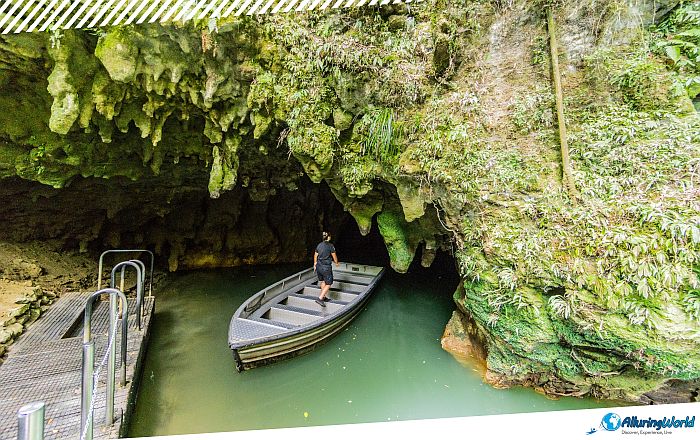
Prior to the arrival of Europeans in this part of the world, the indigenous Māori population, especially the Tainui tribe, was already acquainted with the cave system within the area. The cave openings were regarded with much respect and reverence; these were used as shelters, burial grounds (urupā), or local landmarks. The modern history of exploration began in December 1887, when local Māori Chief Tāne Tinorau and English surveyor Fred Mace ventured deep into the cave system. As they were navigating a subterranean stream aboard a handmade flax raft by candlelight, the duo discovered the brilliant cavern now known as the Glowworm Grotto. Recognizing the magic of the cavern, Chief Tāne Tinorau and his wife Huti began guided tours through the caves in 1889, which continued throughout the centuries. Today, the majority of tour guides who work in the caves are actually the descendants of Chief Tāne Tinorau, thus making sure that oral tradition and kaitiakitanga (genuine cultural guardianship) are imparted to each tourist.
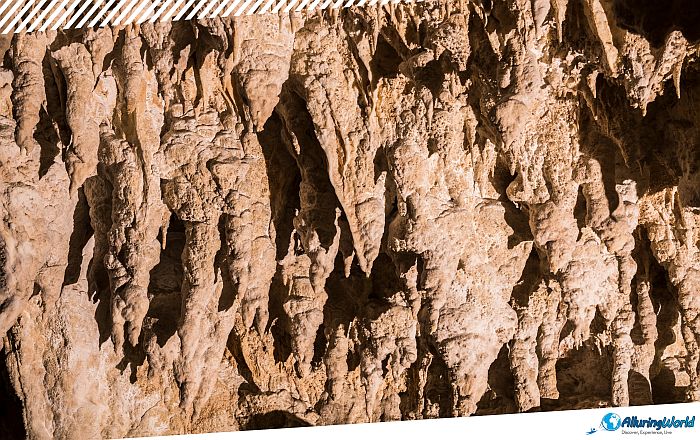
The formation of the Waitomo Caves has been done through geological processes which present an outstanding demonstration of nature’s artistic ability. About 30 million years ago, during the late Oligocene period, the Waikato area was submerged under an ancient marine environment. Billions of shell, coral, and skeletal pieces from marine life collected on the ocean floor over time, forming limestone deposits rich in calcium carbonate. With the rise of the ocean floor due to tectonic activity, there were land formations that uncovered the layers of limestone to the effects of the atmosphere, while the underground rivers and acidic rainwater, which contained carbon dioxide from the soil, gradually wore away at the fragile structural cracks in the rock. Over millions of years, as the water trickled down, it formed huge underground rivers, caverns, and narrow tunnels.
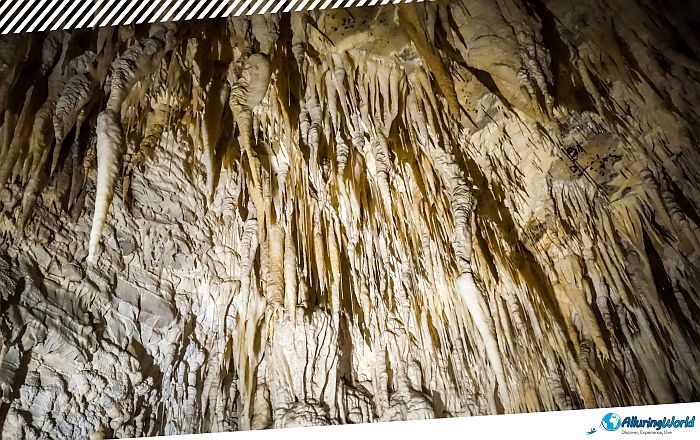
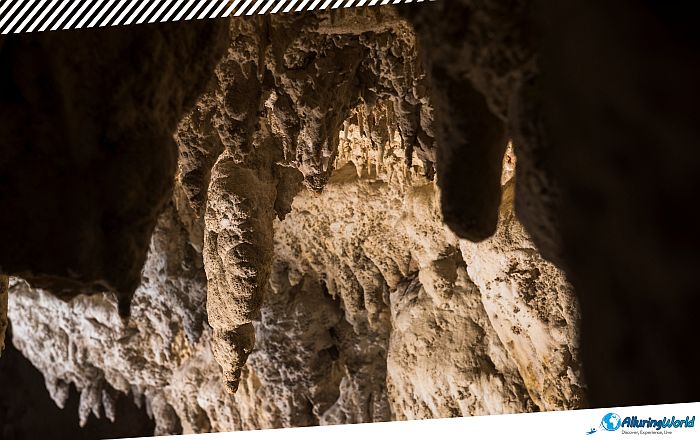
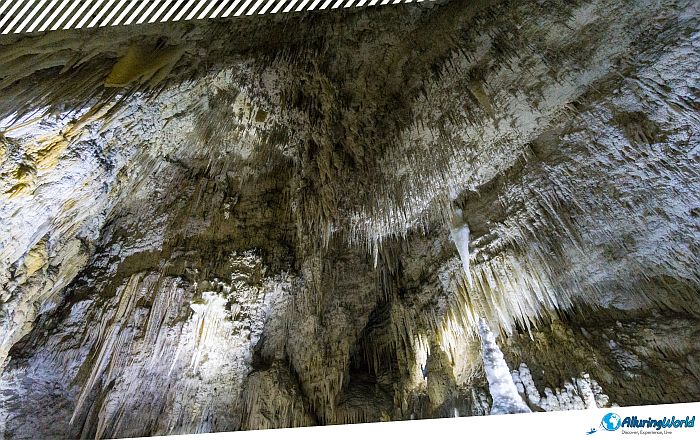
As the water receded from the upper levels, mineral-laden droplets started to form remarkable speleothems. Water containing small quantities of calcite deposits forms a tiny mineral ring when it comes into contact with cave air. Through centuries, the tiny deposits form magnificent structures:
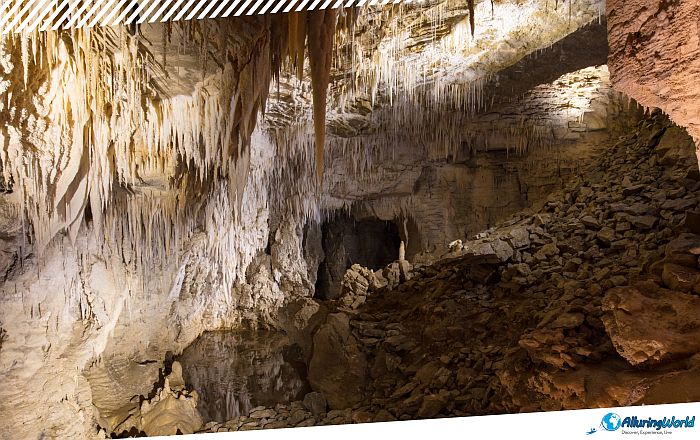
- Stalactites: These are icicle-shaped calcite formations that hang delicately from the cave ceilings.
- Stalagmites: These represent mounds of mineral deposits rising steadily from the cavern floor where water droplets strike.
- Columns and Shawls: Overall, natural stone pillars formed when stalactites and stalagmites merge, accompanied by translucent, ribbon-like limestone curtains.
ADVERTISEMENT
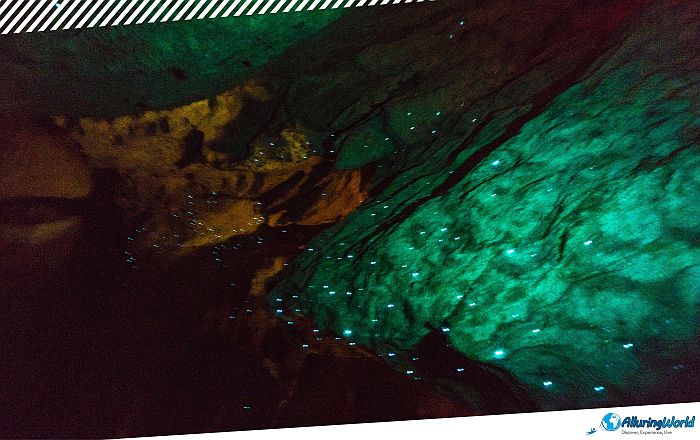
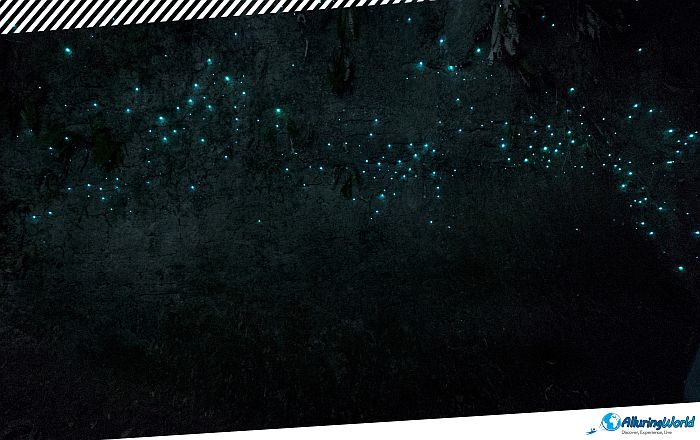
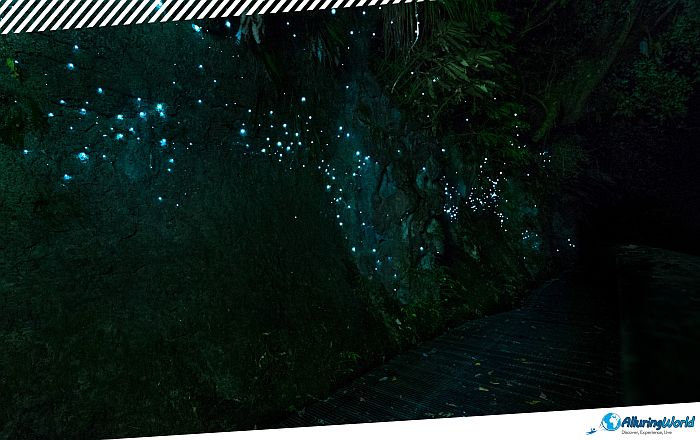
While the geological formations are undeniably impressive, the primary highlight for you would be the magical display of the glowworm. Unique to New Zealand, Arachnocampa luminosa is not actually a worm, but the larval stage of a fungus gnat. Within the dark and moist setting of the Waitomo Caves, these small larvae hang on the ceiling and create complex webs of silk. These webs serve as the point from which they hang many delicate, sticky threads covered with drops of mucus. The larvae then create a pale and dazzling blue-green glow in order to lure insects such as midges, mayflies, and moths into their trap. Interestingly enough, the hungrier the glowworm larva is, the brighter its light glows. Inside the quiet darkness of the cave’s Glowworm Grotto, thousands of these tiny lights cover the stone ceiling. As visitors glide beneath them in silence aboard a small boat, the ceiling resembles a brilliant, starry night sky reflected perfectly across the subterranean water below.
While the main Waitomo Glowworm Cave is the most famous one that you should not miss when in New Zealand, be aware that the surrounding valley houses several other distinct cavern networks, each offering a unique environment:
- Waitomo Glowworm Cave:
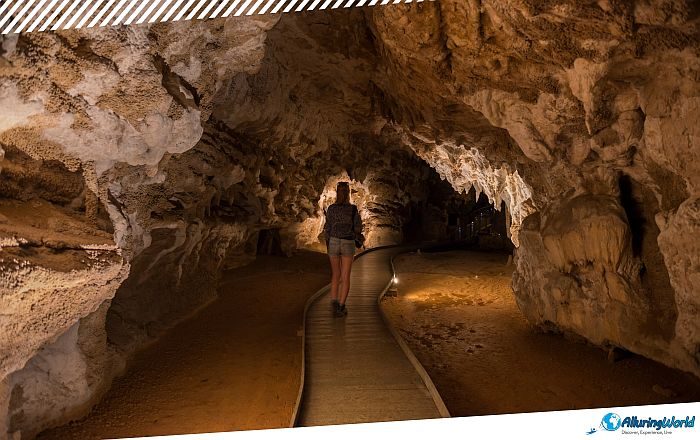
The main site is marked by the presence of the multi-level walkway, which passes through some impressive dry caves, including the Cathedral. This cave is 16 meters (52 feet) high with excellent acoustics and has been home to some of the world’s most celebrated vocalists because of the quality of sound reflection. The tour concludes with a silent boat ride under the glowworm roof. - Ruakuri Cave:
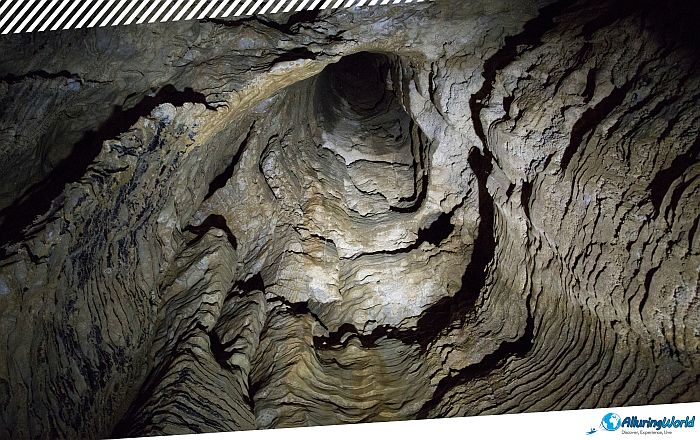
Ruakuri provides a much more extensive and accessible walking tour experience. The entire guided walking tour inside Ruakuri Cave is approximately 1.6 kilometers (1 mile) long, and there is an entrance spiral ramp which is roughly 160 meters (525 feet) long (about 10–12 meters (33 to 39 feet) deep, winding around a drum-like shaft). One of the most important features of Ruakuri is that it is the only cave in the Southern Hemisphere that is completely accessible to people using wheelchairs and baby strollers. - Aranui Cave:
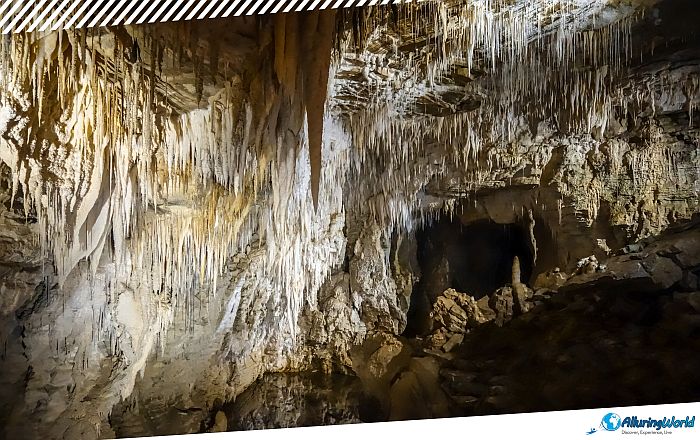
Located a short distance away, Aranui Cave is an enchanted dry cave system without an underground river. Because it lacks running water, it is not inhabited by glowworms, but it features some of the finest, most delicate stalactite and stalagmite formations in the entire region, featuring pale shades of pink, white, and brown limestone.
For a truly rewarding experience in the Waitomo Caves, preparation will definitely play an important role in your experience. In terms of driving and logistics, the following must be considered:
- Route: From Auckland, take State Highway 1 south past Hamilton, turning onto State Highway 3 through Ōtorohanga. The drive takes roughly 2.5 hours.
- Pairing Your Trip: Because standard cave walking tours last 45 to 60 minutes, pair your excursion with other nearby regional attractions, such as the Hobbiton Movie Set in Matamata or the geothermal parks of Rotorua.
Once you are at the Waitomo Caves, there are certain rules and guidelines you should follow, so please consider:
- Layering Clothes: The caves maintain a constant cool temperature of around 12–14°C (53-57 °F) year-round. Wear a warm light jacket or sweater regardless of the summer heat outside.
- Footwear: You need to wear comfortable closed-toe walking shoes with good traction as cave paths may be slippery.
- Photography Rules: Photography and videography are strictly forbidden in the main Glowworm Grotto as the light-sensitive insects get affected by light pollution. However, photography is allowed throughout Aranui Cave, and in selected dry portions of Ruakuri Cave.
Because there are thousands of tourists who visit annually, sustainability is very important to preserve the cave system for future generations to be able to enjoy this natural site. The life of Arachnocampa luminosa is highly dependent on atmospheric conditions, so if there is too much wind, variations in temperature, or high amounts of carbon dioxide in the atmosphere due to human breathing, this may cause the glowworms to shut off their light. Apart from that, environmental monitoring systems continually monitor the cave climate. The ventilation is controlled by automated doors and the number of people in each group to ensure that humidity and carbon dioxide levels stay within the natural range. Tourists are requested to keep their voices down and not touch the ancient limestone walls, since oils from their skin prevent further mineral formation.
All in all, being inside the planet Earth at Waitomo with the sound of murmuring underground rivers and looking up into a living galaxy of light, the Waitomo Caves are a unique opportunity for reconnecting with the natural cycles of the Earth. Combining thousands of years of geological formation, rich Māori tales, and environmental stewardship, traveling through the Waitomo Caves is truly an unforgettable experience to have in New Zealand.