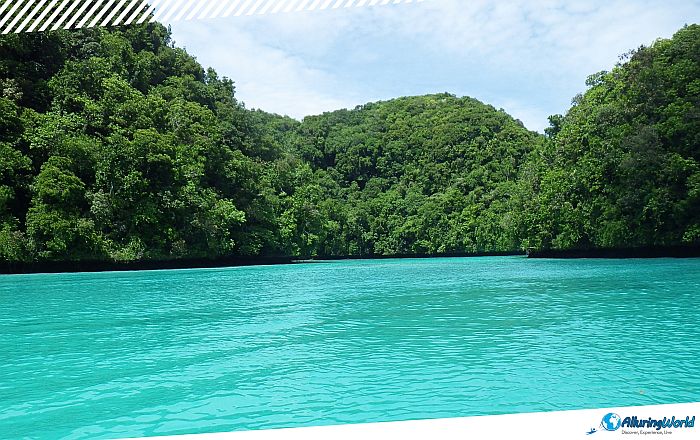
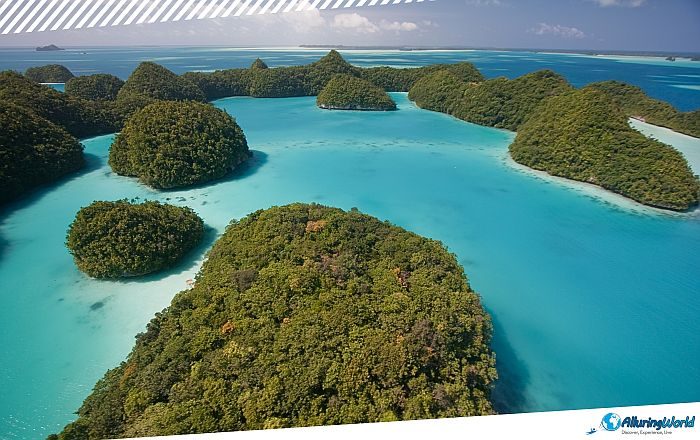
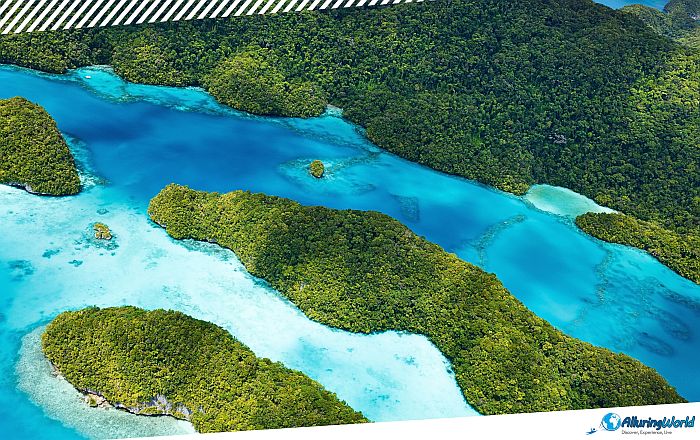
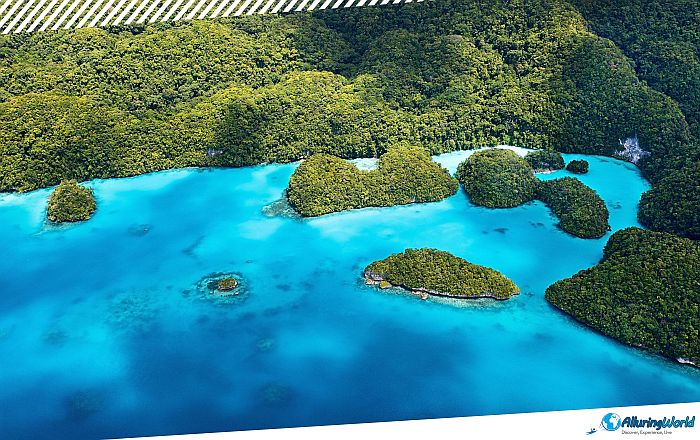
The Milky Way is a famous, sheltered turquoise lagoon that is part of the Rock Islands, a small limestone collection of islets that is located within the Rock Islands Southern Lagoon, between the states of Koror and Peleliu, within the southern part of the Republic of Palau. Tucked within the labyrinths of green and blue that define the Pacific nation of Palau, the Milky Way Cove stands out as an extraordinary natural phenomenon that is not seen in other places on the planet. While the archipelago is globally celebrated for its dramatic marine drop-offs and teeming aquatic life, this quiet lagoon offers a gentler, more restorative connection to the natural world. Since the Rock Islands Southern Lagoon is a recognized UNESCO World Heritage Site, the cove provides visitors with an opportunity to step away from high-energy water sports and indulge in a age-old marine spa ritual. Surrounded by sheer limestone cliffs draped in dense tropical jungle, the tranquility of the setting immediately sets it apart from the open sea.
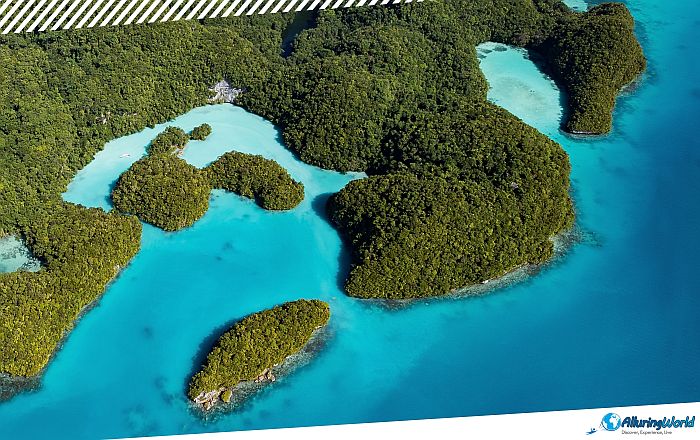
What makes the Milky Way unique is the distinctive turquoise-white color of the water that appears because of an optical illusion resulting from the presence of a very thick layer of sediment at the bottom of the sea. With the help of the centuries-long process of erosion and movement of the Earth’s crust, there is a layer of fine, chalk-like limestone mud on the bottom of the lagoon in this cove. The silt stays suspended in minute quantities just below the surface of the water and reflects the sunlight, thus creating this special milky appearance of the lagoon.
To be able to learn about the formation process of Palau’s Milky Way, we should study the geological past of the unique Palauan limestone islands. Long ago, the uplifted corals created a base of numerous mushroom-like islets that populate today’s inner lagoon, and these, throughout time, as rainwater, tidal currents, and biological weathering wore them down (the limestone rocks) into small particles of calcium carbonate, this settled in depressions on the seafloor and allowed the lagoon to get its current appearance.
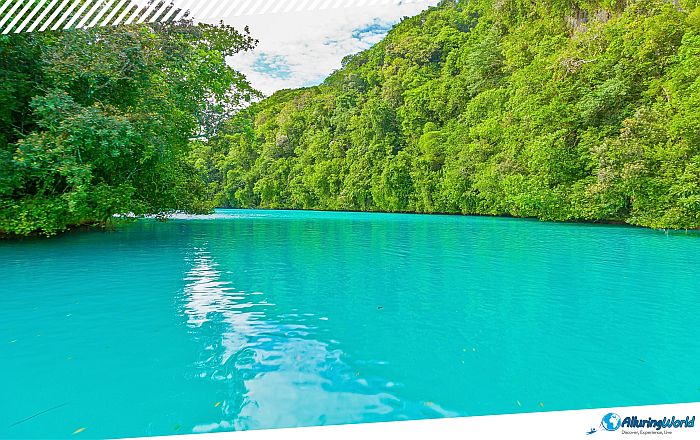
Since the Milky Way is located deep within the enclosure formed by a wall of high limestone cliffs, the cove has remained mostly safe from the forces of any currents or waves in the sea. The absence of turbulent water means that the worn-out limestone does not get washed away into the open sea, and it is rather protected in its place. The result of this phenomenon is the formation of a bed of soft, gray mud. Both local legends and contemporary health aficionados commend this silt on account of its high content of minerals. With a high level of calcium, magnesium, and other minerals that come from sea creatures that lived millions of years ago, the silt is an excellent natural exfoliating agent that removes toxins from the skin, exfoliates it, and makes it very smooth when washed off.
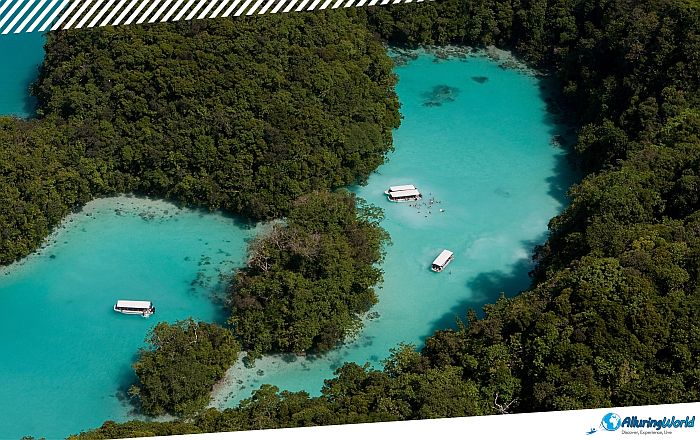
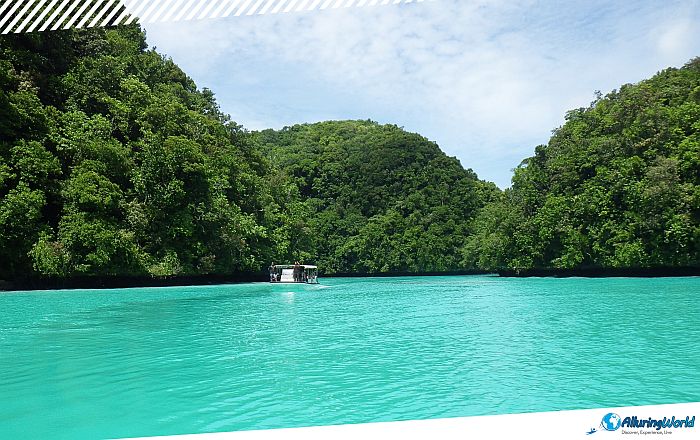
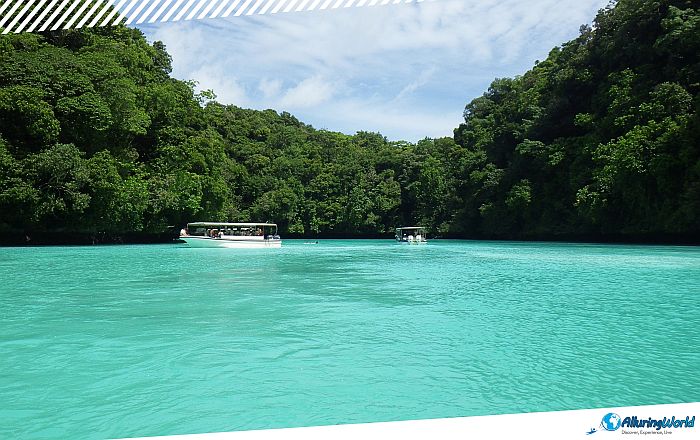
The trip to the Milky Way consists of a boat ride among the many winding waterways of the Rock Islands, and generally begins from Koror, the economic heart of Palau. During your boat ride, you will notice the narrow waterways which are surrounded by forest-covered islands, and then the wide-open sea changes into basins. Entering the basin is like entering an amphitheater where the chirping of terns, fruit doves, kingfishers, and Micronesian megapodes, and the sound of splashing water take the place of ocean sounds, so you are immediately transported to a heavenly place.
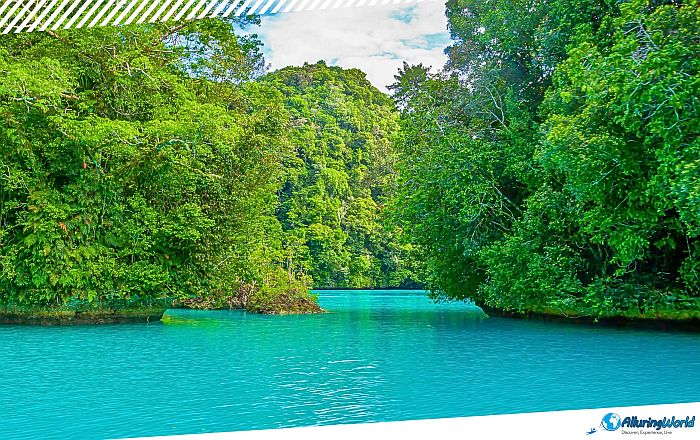
Tour guides typically anchor the boat in the shallowest part of the lagoon, where the mud bed lies just a few meters beneath the surface. To protect the seabed and preserve the clarity of the water for all visitors, guides usually dive down with a bucket to scoop up fresh, pristine mud directly from the bottom rather than having dozens of travelers stir up the delicate silt floor at once and make it difficult for others to enjoy the turquoise waters. Once the bucket has been hauled on board, the game can begin! You get thoroughly covered from head to foot in the milky gray mud, leaving you with an unforgettable, ghostly appearance amidst the lush greenery. The sun then helps dry out the mud for ten to fifteen minutes so that the minerals can do their work and beautify you. Once this is fully done, then you will jump into the warm water of the lagoon to rinse the mud off of you.
ADVERTISEMENT
To visit this special place, a little planning is needed to have a pleasant experience, consistent with efforts by locals to conserve the environment. Should you be visiting this small country in the Pacific Ocean, it would be useful for you to note the following basic visitor guidelines and recommendations:
- Apply sunscreens that are certified reef-safe to avoid introducing harmful chemicals into the enclosed lagoon environment.
- Avoid taking any mud out of the cove in containers, as local environmental regulations strictly forbid removing natural materials from the UNESCO zone.
- Leave all shoes on the boat; walking on the delicate seabed can damage marine micro-habitats and unnecessarily disturb the sediment.
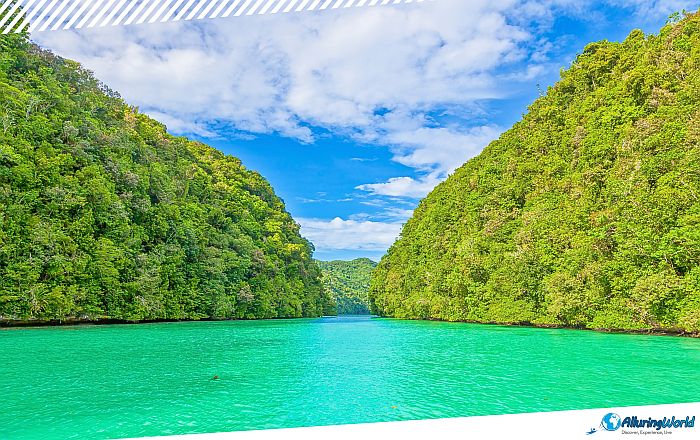
Palau experiences a tropical climate year-round, and if you want to visit this place in its best conditions, then the best time for exploring the Rock Islands occurs during the dry season. This season spans from November through April, and during these months, calmer seas and reduced rainfall ensure smooth boat crossings and clear daylight that brings out the vibrant turquoise color of the cove. Morning visits are ideal, as the sun sits at an angle that illuminates the surrounding cliffs while avoiding the peak heat of early afternoon.
The Milky Way being located within a designated conservation area means that all visitors must be in possession of a permit to access the site. Access to the Rock Islands Southern Lagoon is regulated by passes which help to raise funds for marine conservation efforts. Most reputable tour operators in Koror will assist you in obtaining the required Rock Islands Permit prior to departure, but be aware that the permit remains valid for ten days, making it easy to combine your trip to the Milky Way with other famous sites across the archipelago.
The conservation regulations in Palau are amongst the toughest in the Pacific, due to the strong cultural dedication to protecting the oceans through a system called bul, which is an old custom that involves setting aside some areas of nature to help them rest and rejuvenate. Tourists are expected to adhere to this culture by keeping down the noise, disposing of all waste aboard their vessel, and listening to the guide’s instructions.
A visit to the Milky Way is rarely a standalone excursion; rather, it serves as one part of an immersive day exploring the rich marine ecosystems around Koror. Because of its location in the heart of the southern lagoon, the cove sits within easy boating distance of several other world-famous natural wonders. This is why you can combine the lagoon with these other places that are nearby:
- Jellyfish Lake (Ongeim’l Tketau): A renowned marine lake inhabited by millions of harmless golden jellyfish, giving tourists an opportunity to experience snorkeling with these harmless sea animals.
- German Channel: An old channel recognized for its beautiful cleaning station, which is frequented by the giant manta rays and reef sharks.
- Big Drop-Off: An astounding vertical underwater wall covered in soft corals, gorgonian sea fans, and schools of tropical fish, perfect for snorkeling and scuba diving.
Combining these sites into a single day trip allows you to experience the full spectrum of Palau’s landscapes, from the energetic underwater drop-offs teeming with life to the calm, pampering waters of the Milky Way.
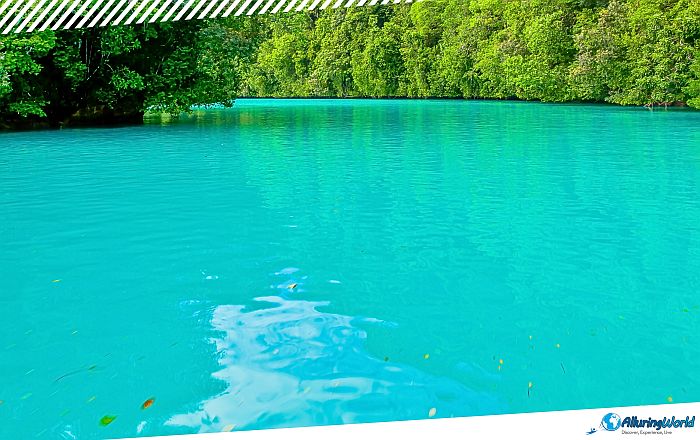
In conclusion, whether you visit Palau for wreck diving, swimming in its underwater sanctuary, or just taking in the beauty of the unexplored Pacific Islands of Micronesia, the Milky Way is one experience you will not forget. It is an experience that combines fun and leisure at the same time. It becomes very clear why this secluded and tranquil spot is so beloved among visitors as you find yourself floating within its soothing waters, surrounded by limestone cliffs that are millions of years old and immersed in the soothing sounds of the nearby rainforest. The Milky Way is not just an aesthetically pleasing spot for picture-taking but rather something much more tangible, as it gives one a direct connection to the geologic history of Palau.