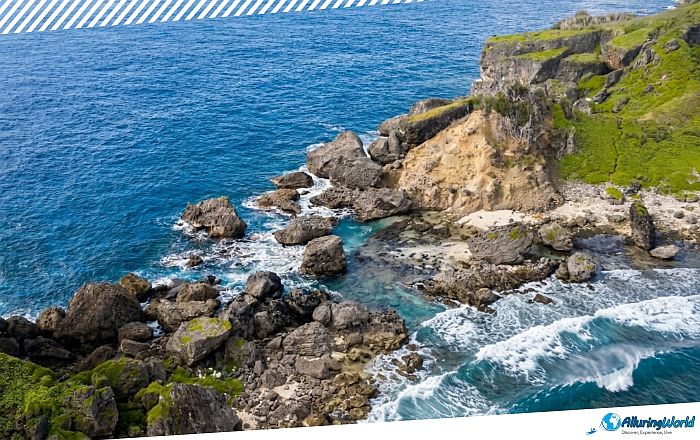
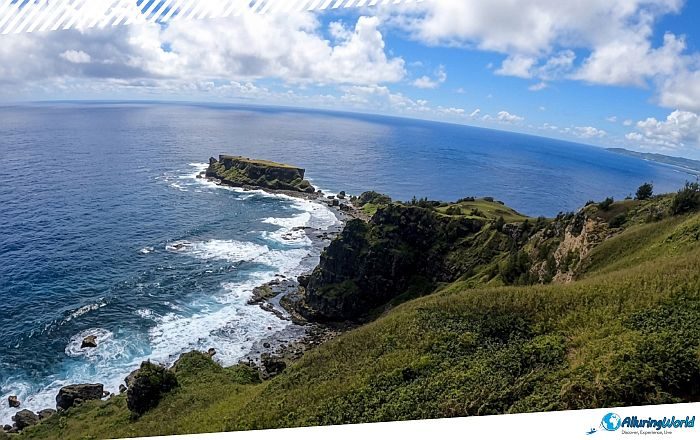
Forbidden Island, locally referred to as Islan Tenehan, is a natural and important landmark located near the settlement of Kagman, off the rugged southeastern coast of the main island of Saipan, which serves as the capital and administrative center of the unincorporated territory and commonwealth of the United States in the Pacific Ocean, the Commonwealth of the Northern Mariana Islands. The island is believed to be among Saipan’s most dramatic natural wonders as it is noted for its rough nature; however, it has been called after the local name given by the Chamorros, rather than the anglicized one. Its raw beauty is what makes it attractive to explorers, photographers, and visitors who have a passion for remote places. The island, with its majestic cliffs and access limited only by tides, is a day trip to remember.
From a geographical standpoint, the Forbidden Island is a typical example of raised coral limestone structures, which characterize the Northern Mariana Islands. It juts up from the sea, with the terrain being densely vegetated and surrounded by rugged edges, which is perfect for local wildlife to find refuge in. While it looks like it is not far from the island of Saipan, the distance between the two islands is marked by a narrow strait. During low tide, this strait turns into an uneven land bridge where you can walk to the shore of the islet, despite its name being forbidden. During high tide, on the other hand, the strait becomes a hazardous body of swirling water with strong rip currents, so you will not be able to swim to it.
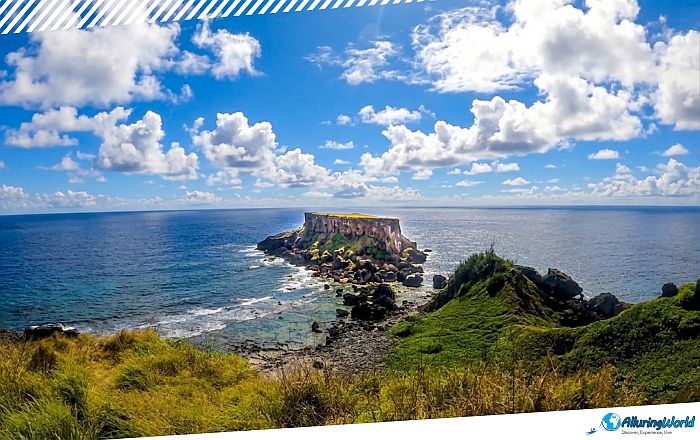
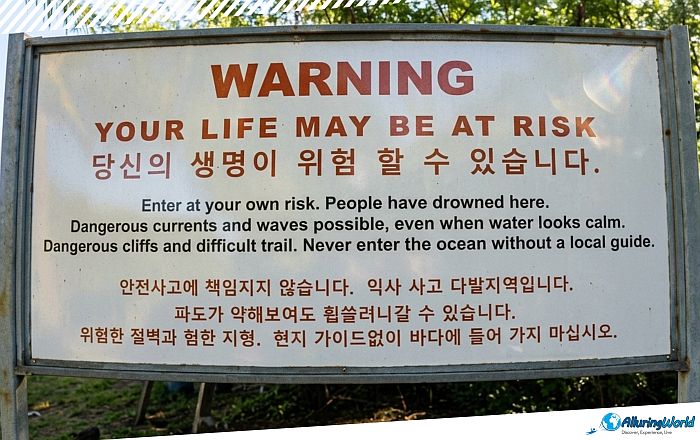
With a very interesting name as Forbidden Island, this islet represents the difficulties of the terrain, and it has a deep cultural meaning to the local people. In other words, the name Forbidden Island was given as a symbol that suggests the danger of getting to the island through the difficult, steep path which descends 122 m (400 ft) along the cliffs of Saipan. The location has gained a reputation for being a place that requires prior preparation and experience, instead of just going there and doing some activities. At the same time, the name has an ancient meaning too. There are some natural locations which, according to Chamorro beliefs, are inhabited by taotaomo’na (ancestral spirits), and the Forbidden Island is believed to be one of such places. Even though not forbidden in a literal sense, the place has always been revered in its own way. Such a combination of the challenges of nature and the deep culture makes the experience of visiting this place unique and special for people coming to see it.
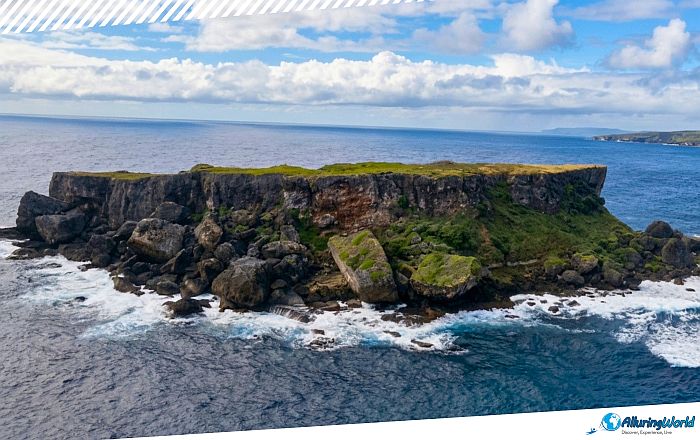
Many features of the islet have been known to stand out, but none more than the islet’s natural lagoon. The lagoon is found in the part of the islet facing Saipan and is of a beautiful turquoise color with great visibility. Established as part of the Forbidden Island Marine Sanctuary in 2001, the sheltered basin makes it possible to find a very unique place where you can swim and observe turtles, clams, and various reef fish in the midst of the wave action environment. For many people, the best part of the trip is swimming in this natural basin, and this is why you should consider putting the Forbidden Island on your bucket list.
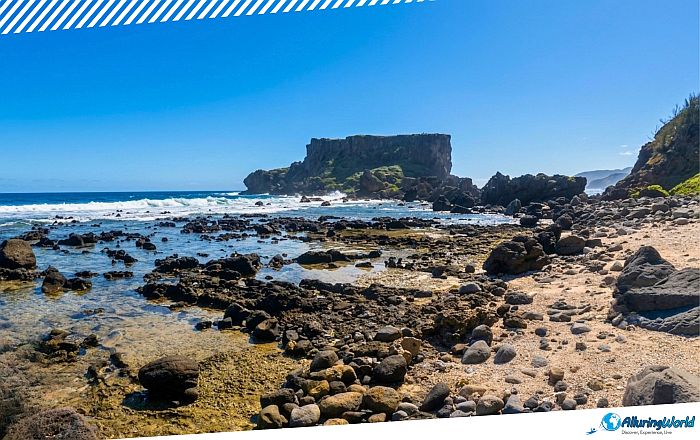
Another unique feature that can be found on the beachside of the islet is the blowhole. Under certain conditions, when there is a strong wave action or high tide, water passes through some vent holes in the limestone under the ocean and shoots into the air. This amazing spectacle is yet another manifestation of the power of the Pacific Ocean. Watching the jet of water at a safe distance makes for an exciting experience compared to the lagoon waters of the island, so consider waiting for some time to see this majestic feature.
ADVERTISEMENT
Access to Forbidden Island is a 11.9 km (7.3 mi) long round-trip journey starting from the main settlement of Saipan, and this activity will take you about half an hour one way. If you don’t consider yourself adventurous enough or a good hiker, you should have a local guide because you might easily lose your way since it is very hard to orient yourself here. Nevertheless, with the use of maps that are available here, you will not have any problems in finding the right direction. However, should you prefer to join the hiking train from the small parking area located at the end of Forbidden Island Sanctuary Trail Road, this round-trip journey is 2.5 km (1.6 mi) long, and it will take you about three to four hours of hiking.
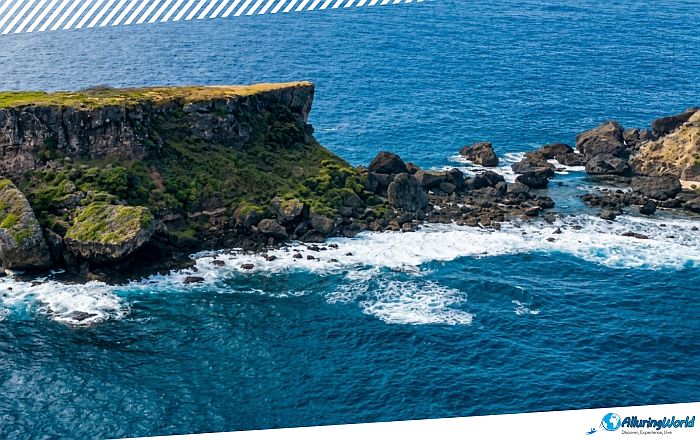
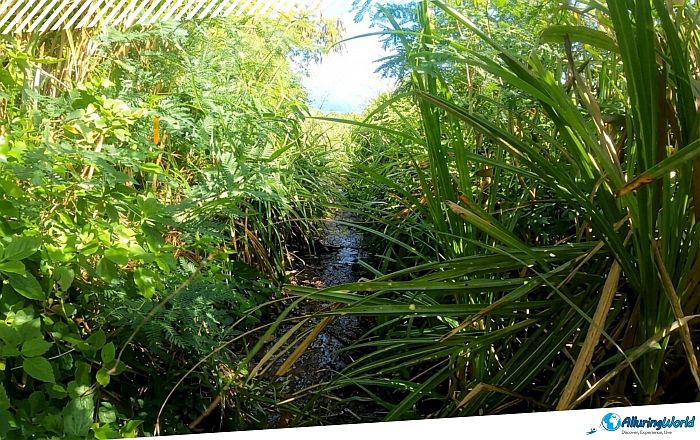
Right from the very beginning of your hike, there is an immediate slope down into the jungle, and keep in mind that the path is tough because of loose soil and the rough texture of the limestone. You may even be required to have handholds to help you on your way up and down, in case you need some additional hiking support. Overall, hikers should wear proper shoes, carry 2 liters (0.5 gallons) of water, and prepare for the climb back up.
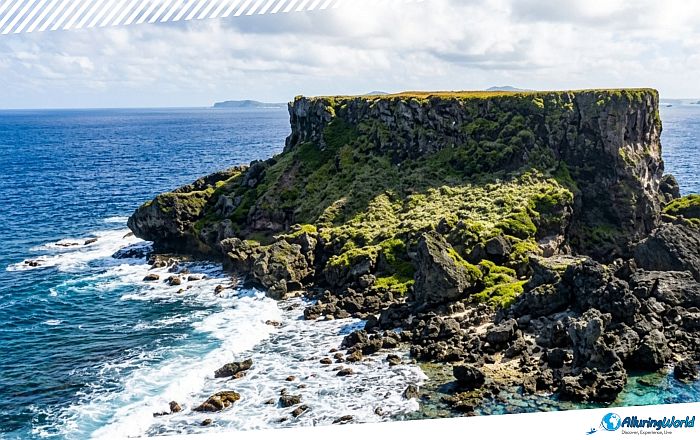
Since the land bridge that leads to the Forbidden Island is only exposed during low tides, it is necessary to carefully plan for the best time to make the crossing. Tourists need to refer to local NOAA tide charts to know when the tide will be at its lowest point in the day. It is risky to try to cross while the tide is high or when there is a turbulent sea environment. Some tourists prefer staying on the other side of the lagoon on the main island, as this feels the safest and most proper way to be still part of the Forbidden Island experience from the Northern Mariana Islands.
The best period to make a trip to this place should be the dry season in Saipan, which falls between December and May. It is better to start walking early in the morning, as there is enough light at that time, and the winds do not blow as strongly. Of course, the main thing is the right timing of tides, so before you venture on this adventure, please make sure that you will double-check everything, or ask the locals for proper guidance.
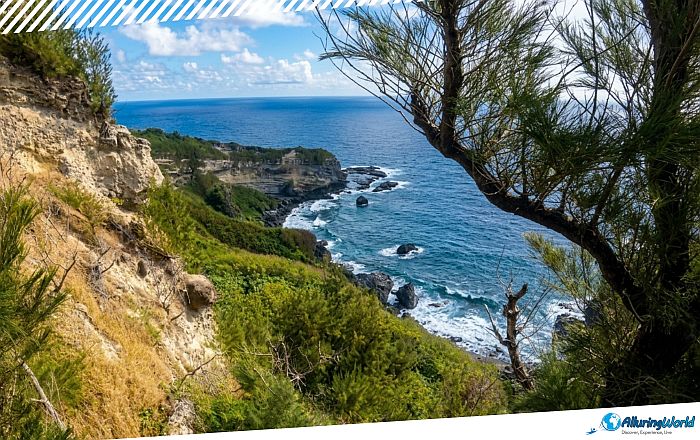
Overall, it can be said that Forbidden Island is not just a great place from which you can view the majestic Mariana scenery; it is a chance to experience the essence of Saipan’s wilderness. If you are going to venture to Forbidden Island with reverence, you will be rewarded with an incredible hiking experience through landscapes formed by corals, winds, waves, and hundreds of years of Chamorro culture.