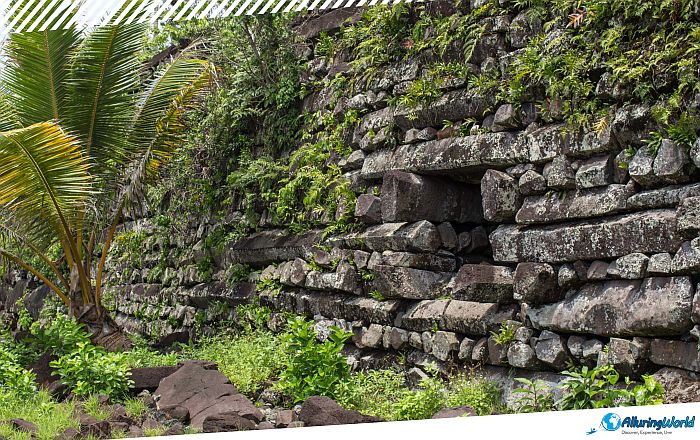
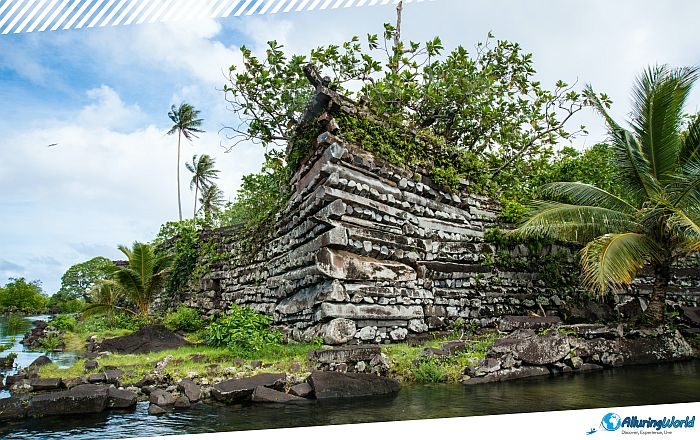
Nan Madol is an ancient, megalithic city that serves today as an important archaeological site located off the eastern shore of Pohnpei Island, adjacent to Temwen Island, in the Madolenihmw District of Pohnpei State in the Federated States of Micronesia. The site is considered to be one of the Pacific’s most extraordinary archaeological achievements; it is often dubbed the “Venice of the Pacific,” but overall, this ancient megalithic city comprises approximately 92 to 100 artificial islets constructed atop a submerged coral reef. Divided up by a geometric grid system of tidal canals, this extensive ceremonial and political capital was the official seat of the Saudeleur Dynasty for centuries. If you are a regular traveler, historian, or an archaeology enthusiast, Nan Madol will be the perfect place for you to explore since it is unique in providing access to pre-European Pacific engineering, royal traditions, and Pohnpeian culture.
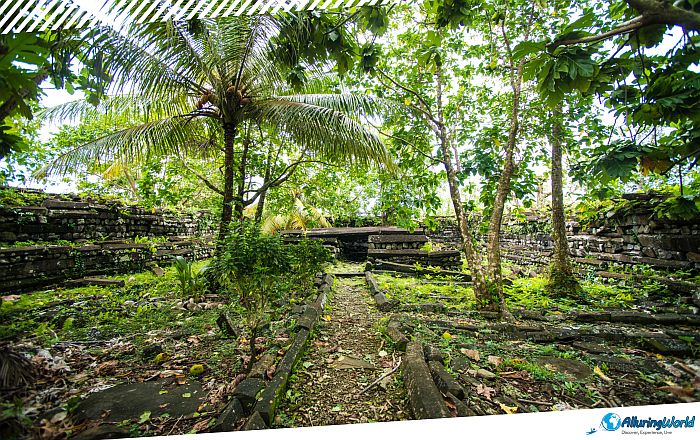
Radiocarbon dating suggests that humans inhabited Pohnpei as early as the first two centuries of the Common Era, while the earliest date for stone construction on the reef is 800 to 900 CE. However, according to the available data, the construction of megalithic structures at Nan Madol started around 1200 CE. Pohnpeian folklore claims that the city was established by twin sorcerers, Olisihpa and Olosohpa, who came from the mythical western region of Katau in order to build an altar for Nahnisohn Sapw, the god of agriculture. After Olisihpa’s death, Olosohpa became the first Saudeleur, thereby starting a dynasty of centralized and authoritarian rule.
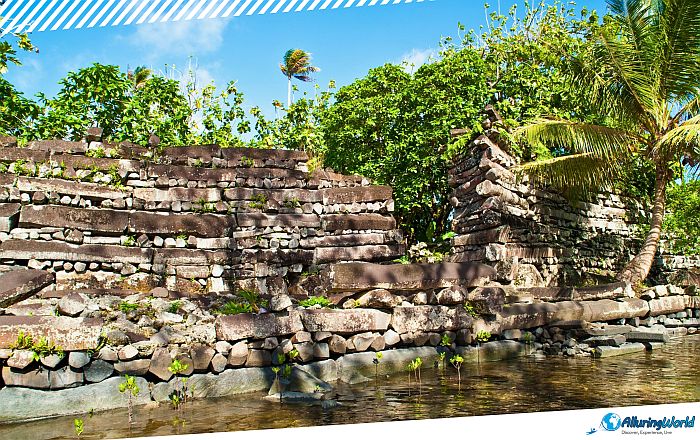
The Saudeleurs ruled Pohnpei until roughly 1628 CE (though some archaeological estimates place the dynasty’s collapse closer to the early 1500s). By forcing local chiefs to reside within Nan Madol, the rulers maintained strict political surveillance over the island’s population, demanding regular tributes of food and sakau (the local name for kava). Eventually, the dynasty became more and more oppressive until they were finally overthrown by Isokelekel, who was a mythological hero from the island of Kosrae. Instead of setting up another monarchy, Isokelekel tore down the Saudeleur Dynasty and set up the Nahnmwarki Chieftaincy System, which is used to this day. Nevertheless, without the central tribute system required to support an urban elite on an artificial reef, Nan Madol was slowly deserted as a residential capital, though some islets continued to be used for religious rituals.
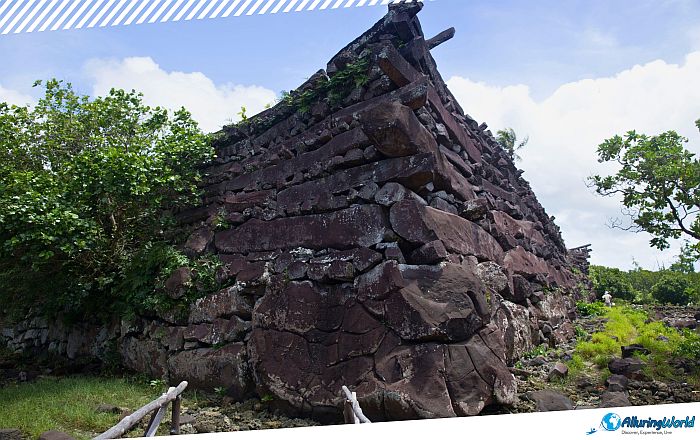
The local name of the site, Nan Madol, when translated into English from Pohnpeian, means “within the intervals” or “spaces between,” and this is a direct reference to the network of waterways separating the stone platforms. Spanning roughly 0.7 square kilometers (0.27 square miles) in the lagoon, the city was engineered using massive prismatic basalt logs, naturally occurring hexagonal and octagonal columns formed by cooling volcanic lava, interlocked in a header-and-stretcher (“log-cabin”) technique without a single drop of mortar. The coral rubble was then filled inside the retaining walls to form dry elevated platforms above the high-tide mark. Archaeologists believe that the total weight of the used basalt rock is more than 750,000 metric tons (826,700 short tons), with individual stones weighing up to 50 metric tons (55 short tons). There is no clear evidence of how ancient engineers quarried these stones from Pohnpei’s rugged volcanic interior and transported them across the lagoon, but it is likely a job done using bamboo rafts at high tide, although this remains a subject of deep admiration and ongoing research.
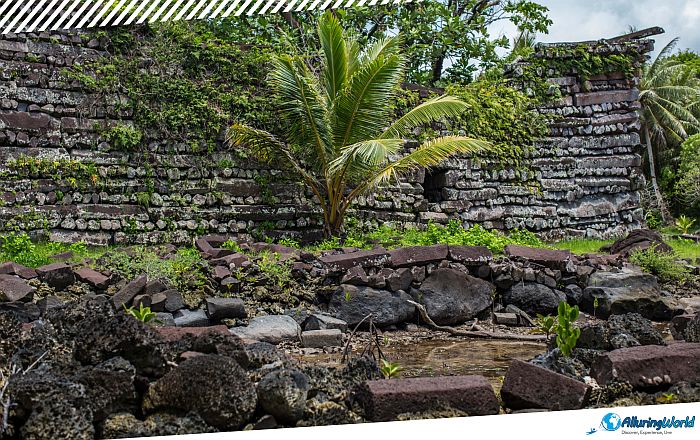
The entire site was divided into two distinct functional zones which were separated by a central canal, and the urban planners have planned it as such:
- Madol Pah (Lower Town): Situated in the southwest, this sector functioned as the administrative and residential heart of the city, housing the palace complexes of the Saudeleur rulers, quarters for visiting chiefs, and food preparation areas.
- Madol Powe (Upper Town): Located in the northeast, this sacred mortuary and priestly sector contains 58 islets dedicated to religious rituals, royal tombs, and residences for high priests. When the city was abandoned, some of these continued to serve for religious purposes.
- Nandauwas (Nan Douwas): The architectural masterpiece of Madol Powe, this royal mortuary enclosure features soaring double walls reaching up to 7.6 meters (25 feet) high, thus protecting a central courtyard and inner burial vault reserved for deceased Saudeleur monarchs. This is considered one of the most important features of Nan Madol.
ADVERTISEMENT
In July 2016, UNESCO inscribed Nan Madol: Ceremonial Centre of Eastern Micronesia onto the World Heritage List, thus recognizing it as an irreplaceable masterpiece of megalithic maritime engineering. Simultaneously, however, the committee placed the site on the List of World Heritage in Danger because Nan Madol sits directly in a dynamic coastal zone that is prone to climate change. Its mortarless basalt walls face relentless pressure from tropical storm surges, sea-level rise, and severe siltation of the tidal waterways; in addition, the aggressive mangrove roots and dense jungle vegetation have further caused irreparable damage, as they penetrated many outer islets, prying apart ancient stonework and obscuring the city’s once-crisp geometric canals. Preservation groups from other countries collaborate with the local Pohnpeian caretakers in removing invasive plant species and stabilizing eroding sea walls, thus making sustainable tourism a key element for the survival of the place.
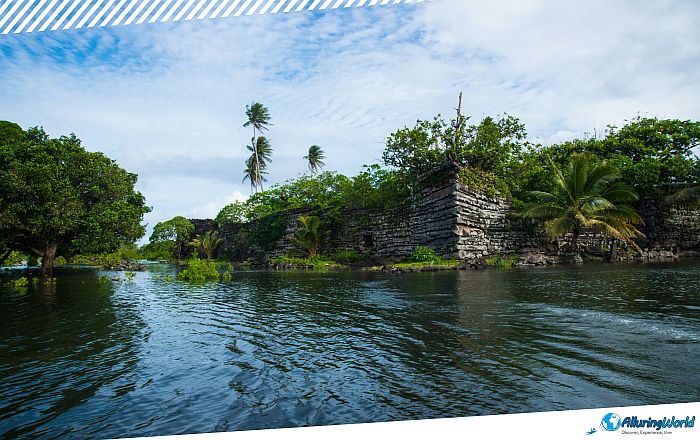
In order to access Nan Madol, you need to take into consideration the geographical isolation of Pohnpei and its tidal cycles. The place is located about 20 kilometers (12.4 miles) southeast of Kolonia, which is the principal city and commercial center of Pohnpei Island. Overall, it takes about 45 to 60 minutes to get there by car via the picturesque coastal highway of Pohnpei. Since access crosses through traditional clan areas on Temwen Island, you need to pay minimal entrance fees at the landowner’s checkpoint during your final approach to the area. Always carry some US dollars (the official currency of the Federated States of Micronesia), as landowner and site fees are usually between $8 and $15 per person. Nevertheless, once you arrive at Nan Madol, have in mind that your experience there depends entirely on the ocean tide:
- Low-Tide Walking Approach: During low tides, you can travel via a 10- to 15-minute-long jungle trail from Temwen Island and wade through shallow coral passages directly to Nandauwas. The water level usually ranges from ankle to knee deep, measuring about 0.3 to 0.5 meters (1 to 1.6 feet), but at high tides, the water can push up to chest level.
- High-Tide Boat or Kayak Tours: Arriving at high tide allows local boatmen or guided kayak tours to navigate directly through the ancient canals, offering an authentic perspective of how residents moved through the city centuries ago.

Pohnpei ranks among the rainiest parts of the planet, with an average yearly precipitation of more than 4,500 millimeters (177 inches) in the interior of Pohnpei Island. The ideal time to tour Nan Madol is during the drier trade-wind season that lasts from January to April, when showers during the afternoon are less frequent, the seas are calmer for boat transfers, and the day’s temperatures remain pleasantly warm from about 28°C to 31°C (82°F to 88°F). It is best to set off for your tour in the morning hours from around 07:30 to 08:30 to take advantage of cooler temperatures, softer photography light on the basalt walls, and calmer morning winds, while ensuring you return well before dusk at 18:00.
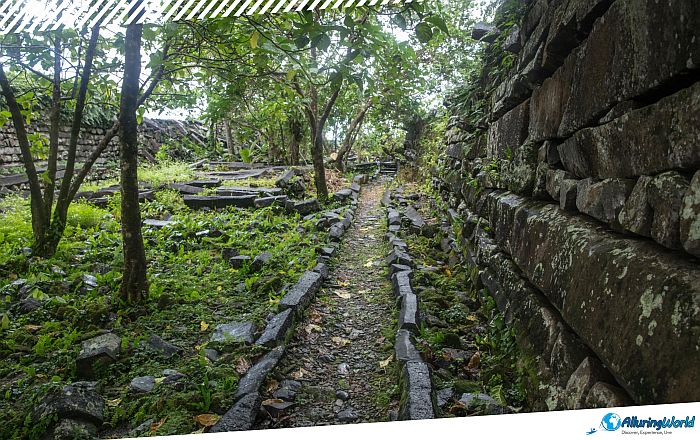
Nan Madol is not a manicured archaeological site as you might expect; it is rather a sacred landscape that is rough and uneven in its contours. The wet basalt rocks, the submerged coral debris, and the entangled mangrove roots pose a considerable risk of slipping. It would be wise to wear closed-toe water shoes or amphibious sandals with great traction, instead of the usual and slippery flip-flops. In addition, you should bring a dry bag to keep your camera and electronic equipment safe from the water when crossing. Hiring a certified local guide from Pohnpei is strongly advised not only for safe navigation of the tides, but also to ensure that you do not violate any of the sacred boundaries. Never climb on top of the ancient basalt walls, avoid disturbing coral or stone fragments, and always ask permission before entering outer islets outside your agreed route.
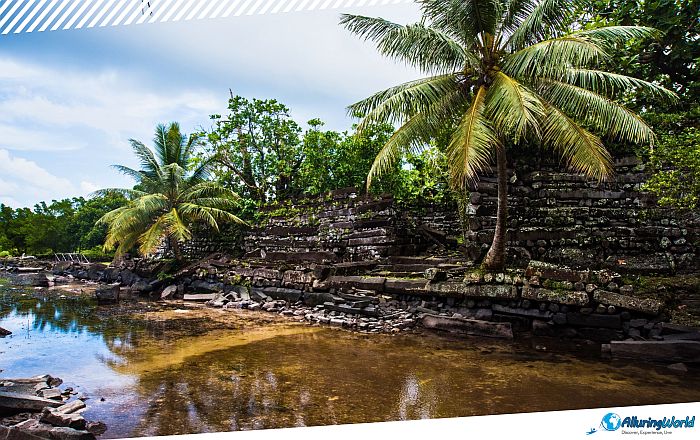
In summary, being among the massive mossy stone walls of Nandauwas while the gentle tides embrace its basalt structure leaves an indelible memory and an unforgettable image. Nan Madol is a special destination that not many people can visit, and it gives adventurous visitors like yourself a rare opportunity to have a quiet moment with one of the marvels of the most impressive maritime engineering projects done by a man. Overall, this place is a blend of volcanic stones, ocean tides, and centuries of Micronesian oral history that deserves to be told to the world and, most importantly, preserved for future generations to be aware of the Micronesian legends that are still alive here.