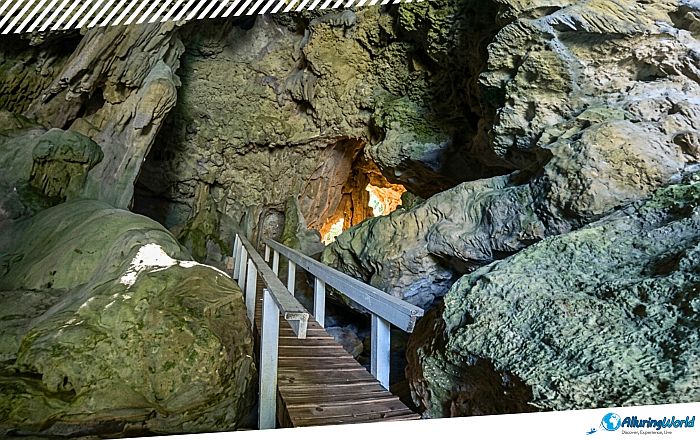
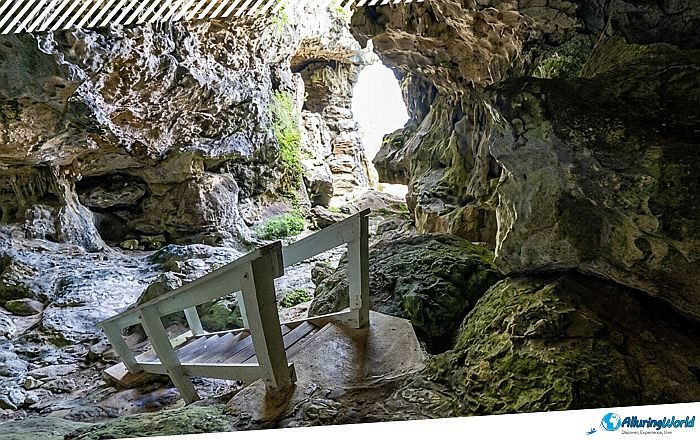
Avaiki Cave is a naturally formed coastal cave that is located near Makefu Village, about 6 km (4 mi) to the north of the city of Alofi, the capital of the self-governing island country in free association with New Zealand, Niue. Located more precisely on the western coast of Niue, Avaiki Cave offers one of the island’s most atmospheric and culturally meaningful experiences, due to its combination of geological wonders, ancestral storytelling, and an exceptionally beautiful natural pool that reveals its full character only when the tide recedes. This coastal cavern feels like an intimate and monumental experience at once since it is considered to be a place where the island’s rugged limestone formations meet glowing turquoise water in perfect harmony. If you are visiting this small gem in the Pacific, then visiting Avaiki Cave is not simply a sightseeing stop; this is an experience that will provide you with an encounter with Niue’s earliest history, its enduring traditions, and a landscape shaped by thousands of years of ocean sculpting and coral uplift.
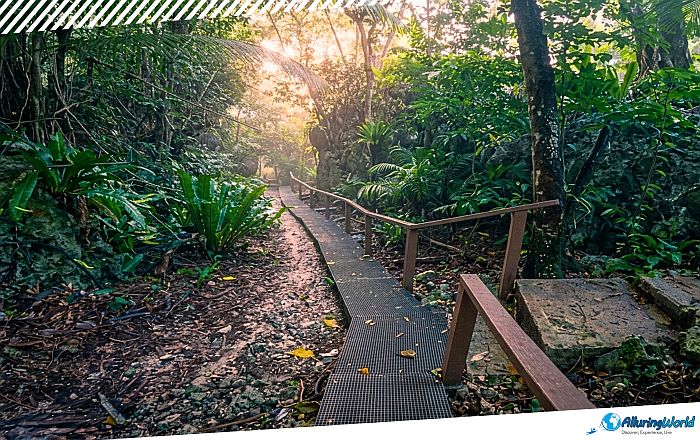
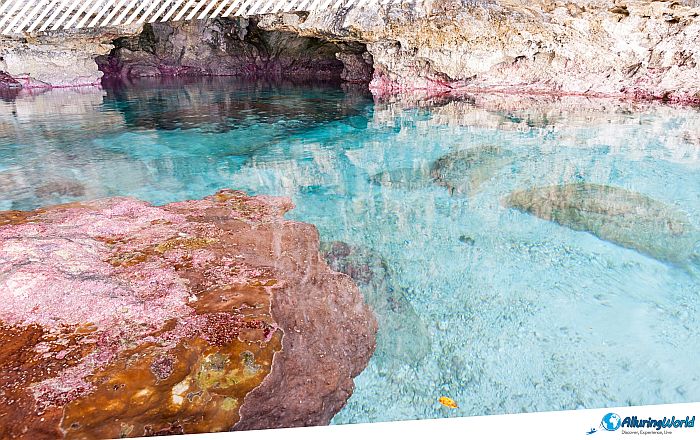
Once you’re in Niue and have decided to get to the alluring Avaiki Cave, reaching it requires just a brief walk from the road along a descending sea track that has been carved into Niue’s raised coral atoll. The island itself is known as “The Rock of Polynesia,” and Avaiki illustrates this identity with precision: the cave is a vast limestone hollow formed inside the fossilized coral mass that makes up the island’s foundation. The cave’s entrance opens onto a wide cavern where daylight filters through the archway, thus illuminating clusters of stalactites and stalagmites that rise like columns in a natural cathedral. When you go deeper inside, you will encounter the most enchanting feature. The highlight of the Avaiki Cave is the beautifully clear rock pool, which is filled by ocean water that seeps through small reef passages and natural openings in the cave wall. The color of this pool shifts from pale aquamarine to deep turquoise depending on the angle you stand, the light that comes into the cave, and the height of the tide, further giving it an almost enchanted character that has made it famous among local residents and travelers alike.
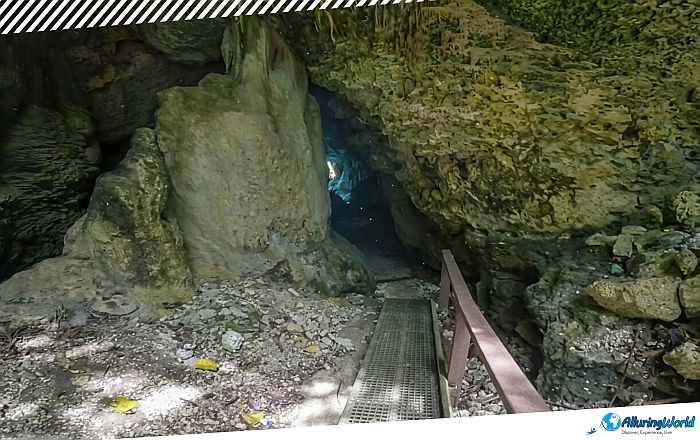
The most important part of the cave is the tide since this plays a crucial role in shaping the experience. When you time your visit correctly, you can experience the Avaiki Cave in its greatest glory, so planning is essential. At low tide, the pool is calm, sheltered, and fully accessible, offering safe entry for swimming or light snorkeling. When the ocean sits low, the water inside the cave becomes so clear that the coral structures beneath it appear almost magnified. Small reef fish occasionally drift through the shallows, taking refuge in the tranquil environment. This is the time when the cave is at its most peaceful, and the experience is most rewarding; however, during high tide, the cave changes dramatically. The ocean pushes up into the cavern with force, sending strong surges through the same openings that fill the pool. At this time, entry becomes dangerous, and swimming is not permitted. Because of this, you should always check local tide tables before heading to Avaiki, but it is always best to speak with locals if you are unsure about timing.
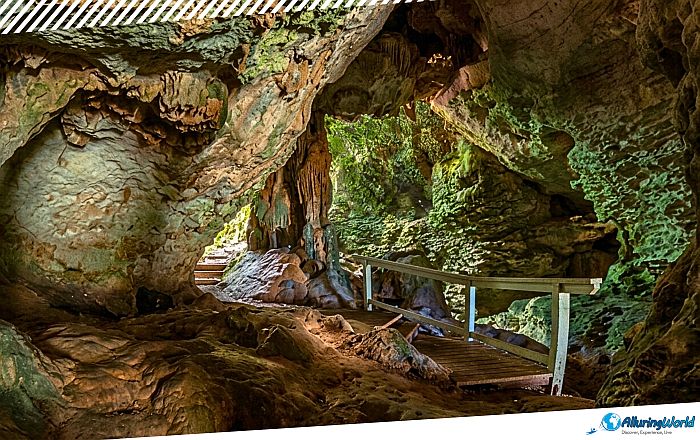
Beyond its natural splendor, Avaiki Cave carries significant cultural importance that is deeply woven into Niuean identity. The name Avaiki is associated with the Polynesian spiritual homeland, often referred to as Hawaiki across multiple island groups. In addition to this, the cave is associated with a Niuean legend as well because the cave marks the landing site of the island’s first Polynesian settlers. According to oral tradition, the early voyagers arrived by canoe and found this sheltered coastal opening an ideal first landing point. It cannot be said with certainty that this is true, but its location, easy to access from the sea and protected from harsh ocean swells, supports the likelihood that such stories originated in early settlement memory. Standing in the mouth of the cave today, looking out across the reef and the vast Pacific, it becomes easy to imagine the significance this place once held.
ADVERTISEMENT
In later centuries, the pool within the cave earned another distinction as a bathing place reserved for Niuean royalty, specifically the putu-iki, or kings, and high-ranking chiefs. There are some sources that suggest that two separate bathing pools existed at different times: one for the kings and another for their attendants, but with the passing centuries and changing of the geology, it cannot be officially confirmed. Still, this exclusivity highlights the cave’s perceived sanctity and its association with purification, rest, and spiritual grounding, consequently keeping its important place in Niuan history. Even today, traditional customs influence access to this majestic place. During the annual kaloama season, when small sardine-like fish migrate and spawn, Avaiki Cave is sometimes closed temporarily in accordance with long-standing conservation practices. Even though you are not allowed to get to the Avaiki Cave, you are reminded that Avaiki is not merely a scenic landmark for you to cross out of your Niue bucket list, but it is rather a place where cultural and environmental stewardship converge.
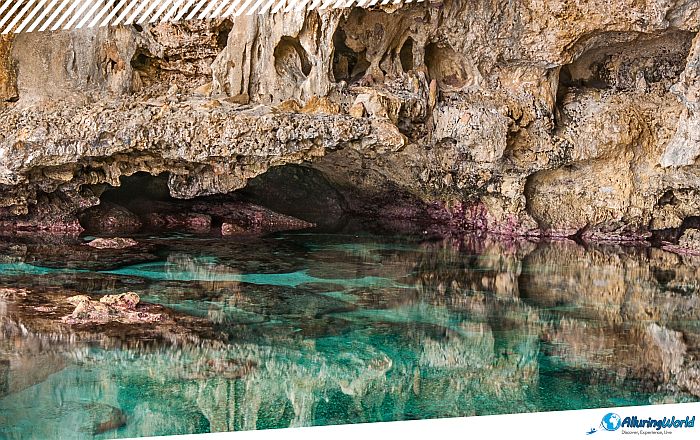
You, as a modern traveler who would like to get a glimpse of Avaiki, will be provided with a serene and almost meditative experience, particularly when explored early in the morning or near sunset at low tide. Swimming in the pool feels like slipping into a perfectly still, naturally illuminated chamber where echoes of dripping water create a peaceful rhythm. The limestone formations that are seen around the pool appear sculpted with artistic intent, even though they were formed as mineral-rich water dripped and hardened over centuries. If you do not prefer to swim in the calm waters, you can still find plenty to enjoy by walking carefully across the cavern floor. You can admire the formations and observe how sunlight transforms the space as it shifts.
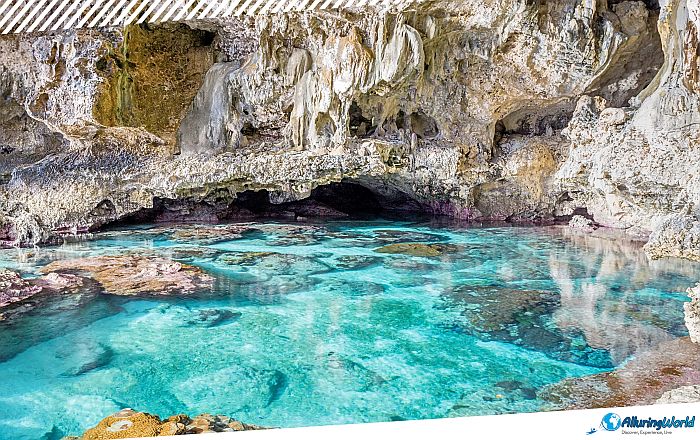
Overall, the surrounding coastline enhances the overall experience because it offers dramatic views of the reef and ocean beyond the cave entrance. The cliffs along this part of Niue’s west coast are some of the most photogenic on the island, shaped by layers of fossilized coral and eroded by millennia of wave action. Nearby attractions, such as Palaha Cave and the Talava Arches, make it easy to plan a half-day circuit exploring some of the island’s most iconic geological features. All are within short driving distance of one another, and each offers a distinctive perspective on Niue’s formation and landscape.
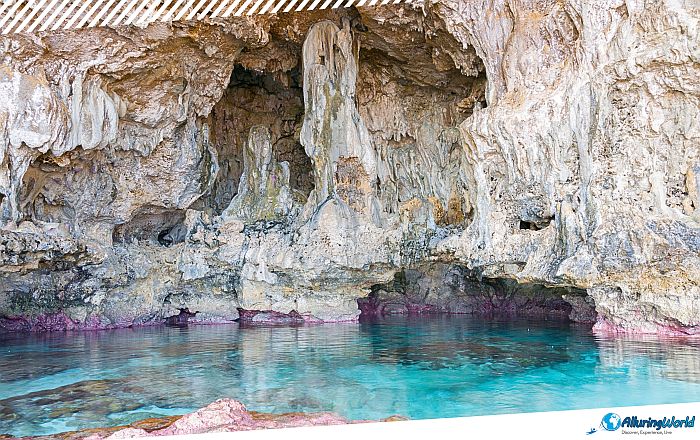
Planning a visit requires only a few simple preparations. Because access depends on the tide, it is wise to arrive during the lowest point of the tidal cycle. It is recommended that you have good footwear, particularly for navigating the rocky path and the uneven surfaces inside the cave, which can be dangerous if you do not have a thick outsole on your shoes. Bringing swimwear, a towel, and a waterproof bag is advisable for those wanting to enter the pool. Sunscreen is also essential for the walk down, as the west coast can be bright during midday hours. Most travelers spend between 45 minutes and an hour at the site, but many linger longer since they are captivated by the calm atmosphere and the quiet interaction between water, stone, and light.
In conclusion, Avaiki Cave is more than a coastal attraction that should be seen in person while visiting Niue. This mesmerizing cave is a synthesis of history, geology, and living tradition, which, together with its crystalline pool, dramatic limestone chamber, and deep cultural resonance, is one of Niue’s most unforgettable destinations. When you visit this place, you are not only to enjoy a moment of beauty and tranquillity but also to connect with Niue’s earliest stories, its royal past, and its enduring respect for nature’s rhythms.