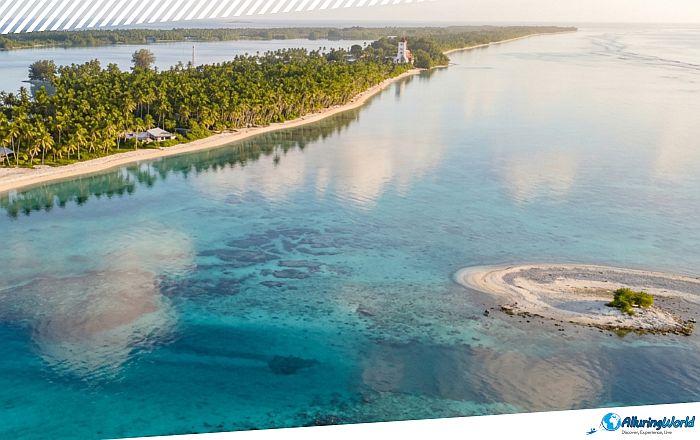
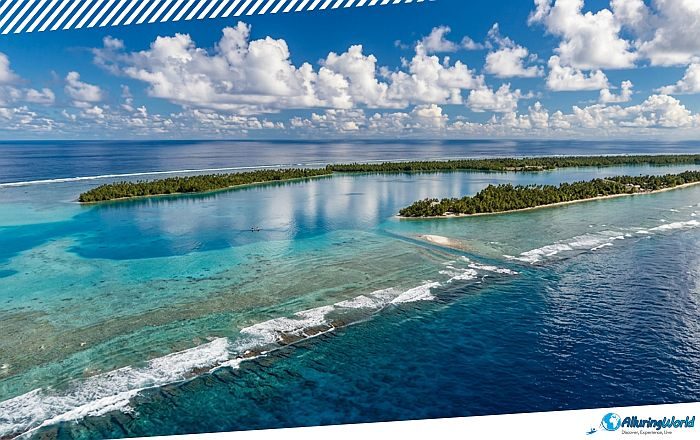
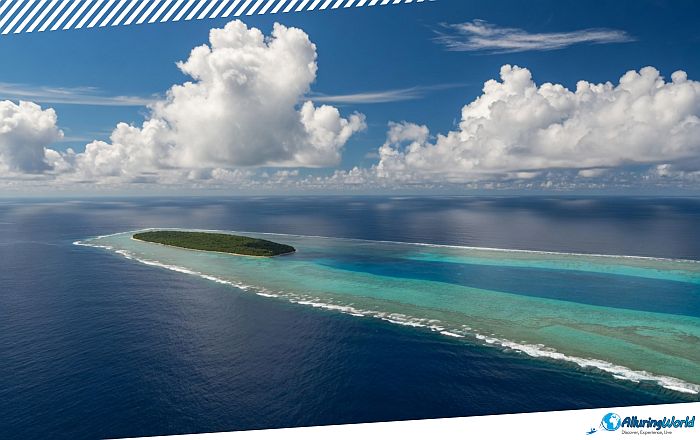
Nanumea Atoll is a small atoll that is the northwesternmost atoll that forms the small island nation of Tuvalu in the Pacific Ocean. As it is a group of nine coral atolls and islands which are spread over about 640 km (400 mi), just south of the equator and west of the International Date Line, this atoll embodies the essence of Polynesian resilience, ancestral memory, and life shaped by the rhythm of the Pacific Ocean. The uniqueness of Nanumea can be attributed to more than just its geographical location, since it boasts an extensive array of cultural backgrounds and environmental practices.
Far from any other inhabited places, unique and picturesque, it presents a special chance to see and experience a traditionally protected lifestyle of its people. If you are a passionate traveler who seeks to explore the cultural and natural aspects of the place, Nanumea Atoll will surely meet your expectations, if not exceed them.
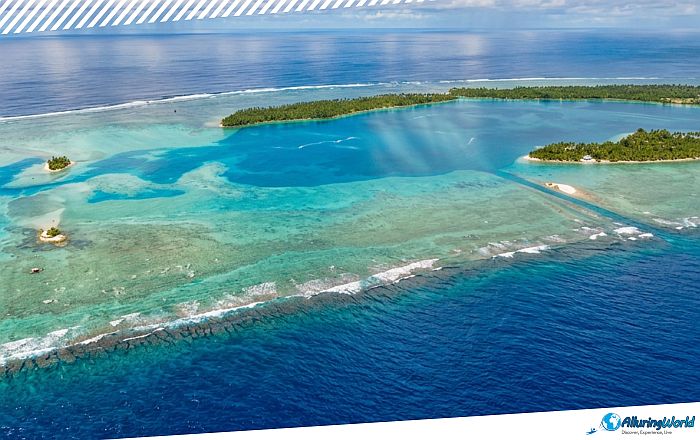
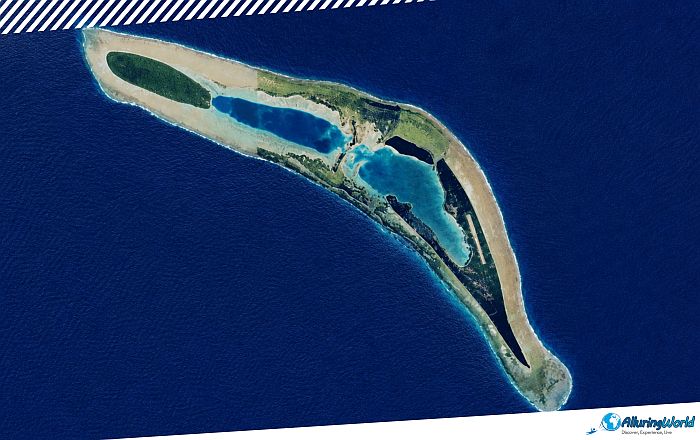
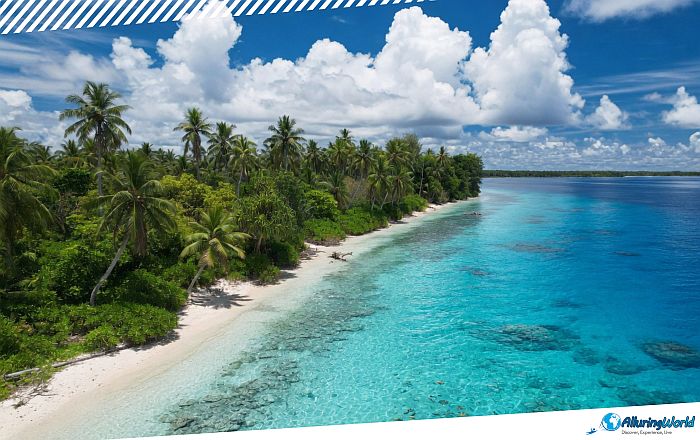
The atoll of Nanumea is located some 465 km (289 mi) to the north-west of Funafuti, being the northernmost atoll of Tuvalu, an island that is isolated in nature because of its geographical position, impacting the culture of the island. The atoll consists of many islets, of which the biggest inhabited island is Nanumea. The atoll’s lagoon is undoubtedly the characteristic feature of the atoll’s existence, as one would expect of a typical Pacific atoll, and it serves as the source of income through various economic activities such as fishing, harvesting, and traveling, while adding to the picturesque appearance of the area. Among the other islets of the atoll, one can name Lakena with its taro pits and Temotufoliki.
The challenge of reaching Nanumea is all part of the experience that you will get when you try to reach this distant place. As it is quite remote from any other civilized places, Nanumea can be reached only by the government-owned inter-island ferries. The ferries leave irregularly from Funafuti, and there will be times when patience is needed because the schedule might change, due to weather or some other unforeseen circumstances, and the trip may even take longer, depending on the weather. For people who are prepared to ride on the tempo of traveling through a remote Pacific Island, the ferry ride itself will be a big part of the trip, so if you dare to do this trip, then you have to be patient and believe that sooner or later you will reach the atoll.
Once you reach Nanumea, you will notice that the atoll has a vibrant culture that ranks among the most vibrant ones in Tuvalu. The culture of Nanumea is based on oral traditions relating how Nanumea came into existence thanks to its ancestral forebears, Tefolaha and Finkaimanu, who are said to have come from Samoa. The story of how Tefolaha and Finkaimanu settled on the atoll forms part of the Nanumea people’s heritage and underpins their culture. Their legacy is so important that it determines Nanumea’s social relations and the manner in which the land is owned.
Contact from Europeans occurred in early times, with the Spanish explorer Álvaro de Mendaña y Neira making a record of Nanumea as far back as 1568. Notwithstanding this contact, Nanumea kept its independence for a long time up until modern times while adjusting to any foreign influence in its unique way and maintaining close associations with its past, language, and culture. Its significance increased during World War II when the U.S. military built the Nanumea Airfield in 1943, but even though the Nanumea Airfield became deserted later on, the remnants of it can still be seen on the island.
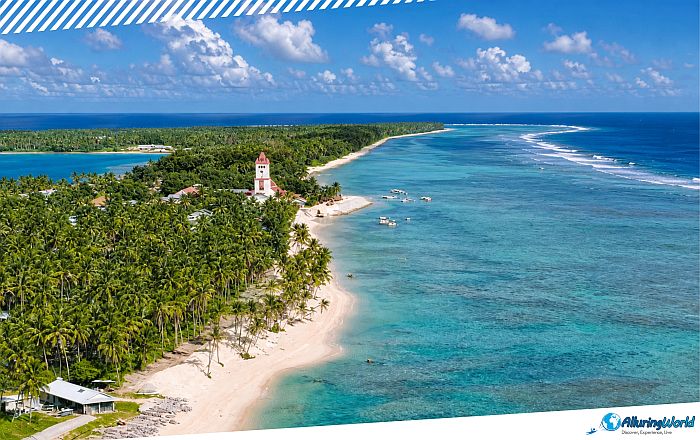
Currently, the main focus in Nanumea is its small yet close-knit community, which mainly resides in the village of Haumaefa, located on the islet of Nanumea. The people who dwell here are few in number, making it easier to feel a closer connection to each other as a collective entity. The importance of traditional resource management cannot be overstated, as the sustainability of the community depends on it. Nanumea has always been famed for its excellent and eco-friendly utilization of natural resources in agriculture and fishing. In Lakena Island, whose soils are fertile, the people are planting pulaka or swamp taro there so that they would have some of their own-grown food.
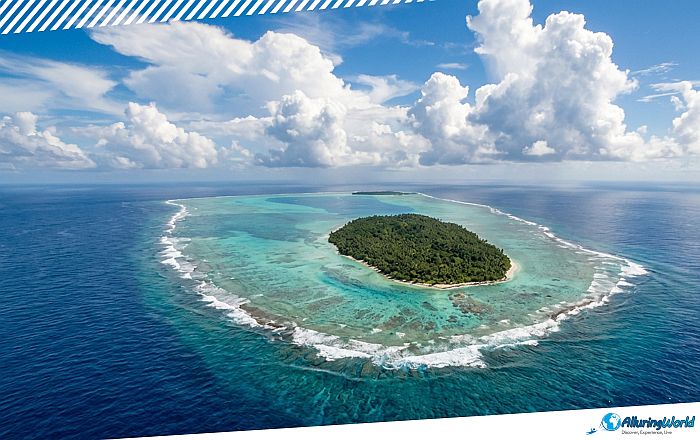
Aside from this, fishing is a key element in the subsistence and survival practices in Nanumea. Fish are abundant in the waters of the lagoon and in the ocean nearby, thus providing not only food for consumption but also fish in abundance during celebrations in the community. There are also traditional methods used in fishing that have been practiced through the ages, and the local community can show you how they managed to keep this traditional practice to this day.
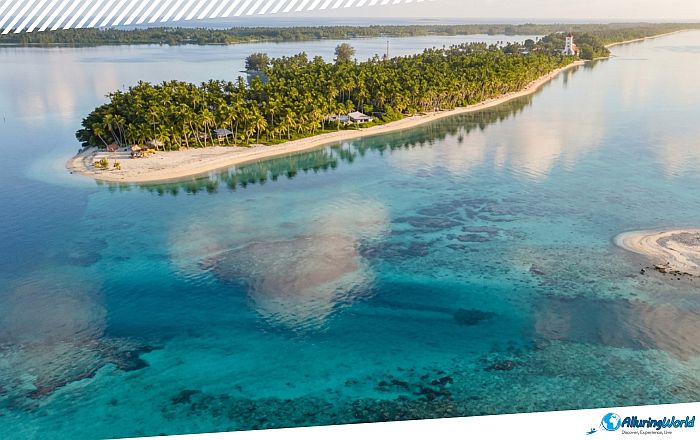
There are, however, environmental challenges looming on the horizon of Nanumea’s development. This small atoll, like all other atolls in Tuvalu, is exposed to serious environmental threats from our modern age. These include rising sea levels and coastal erosion, and the negative effects from these processes can be felt in the agricultural zones and residential areas. With the rise of the ocean level, the supply of fresh water is under serious threat, and the locals, depending on this very important source of life, cannot live without it if it slowly mixes with the ocean water or fully disappears.
ADVERTISEMENT
The relationship between land and ocean has always been a fragile balance, requiring proper management. But today, because of fast-changing environmental conditions, it has become more demanding than ever before. People need to take great care of their land, otherwise it might disappear. If you get the chance to visit this unique place in Tuvalu, you will observe all these issues up close.
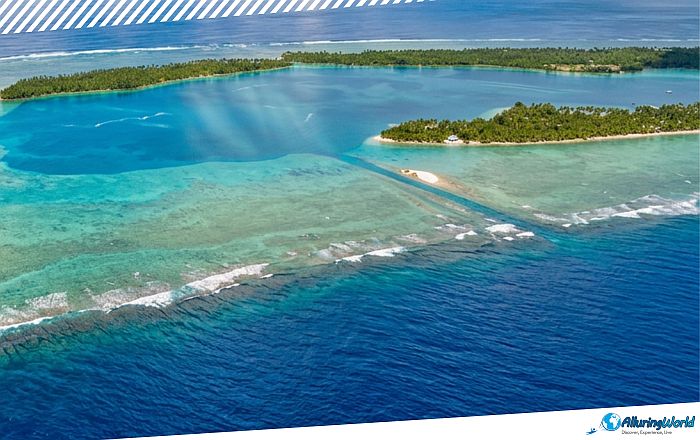
The picturesque atoll finds itself in a losing battle against extinction. With an elevation of just 2 m (7 ft) above sea level, the delicate sand structure is being slowly consumed by the relentless rise in ocean levels and damaging storm surges that destroy the shoreline and contaminate precious freshwater sources. However, there is hope for Nanumea to fight against the forces of nature. The Tuvalu Coastal Adaptation Project (TCAP) is implementing cutting-edge engineering solutions to make a stand against the encroaching tides. Engineers have constructed a giant storm barrier system spanning 1.3 km (0.80 mi) along the atoll’s weakest shorelines, as well as Seabee concrete barriers that break the waves protecting the main village area.
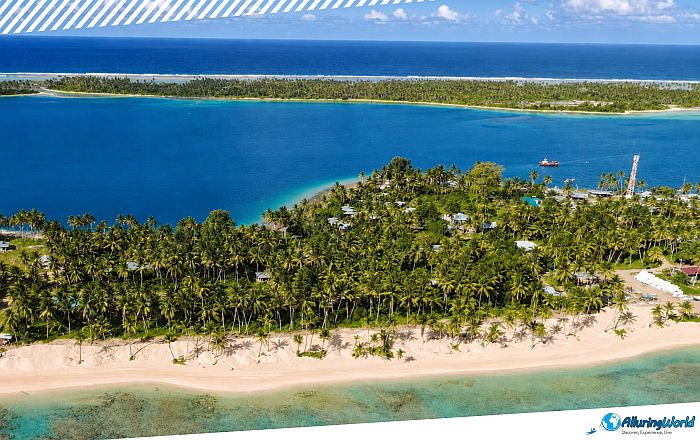
In terms of travel arrangements, the ideal time to visit Nanumea would be in the dry season, usually from May to October, as this is when the seas are calmer and there is better weather. There is a very small selection of accommodation, which includes basic guest houses or staying with locals after making arrangements beforehand. It is advisable to prepare yourself for the laid-back nature of the island and lack of amenities, while at the same time appreciating its simplicity, as this is what makes the island unique and worth visiting.
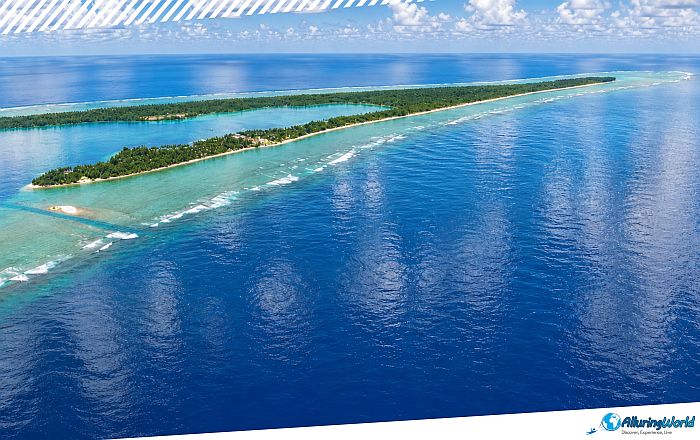
With a simple stroll on the shores of Nanumea Atoll, you will feel that the rhythm of day-to-day activities calls upon the perfect fusion of pure nature and true Polynesian culture. This way, you may spend your day snorkeling in the transparent lagoon waters surrounded by the channels of Nanumea featuring large clams and reef fish, or visit a little island called Lakena to observe pulaka pits and coconut groves.
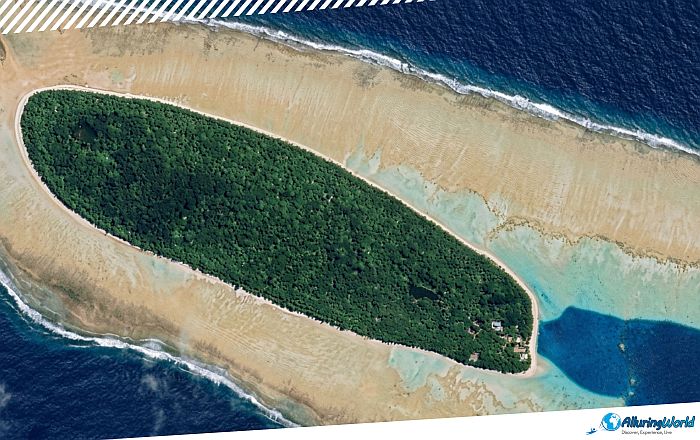
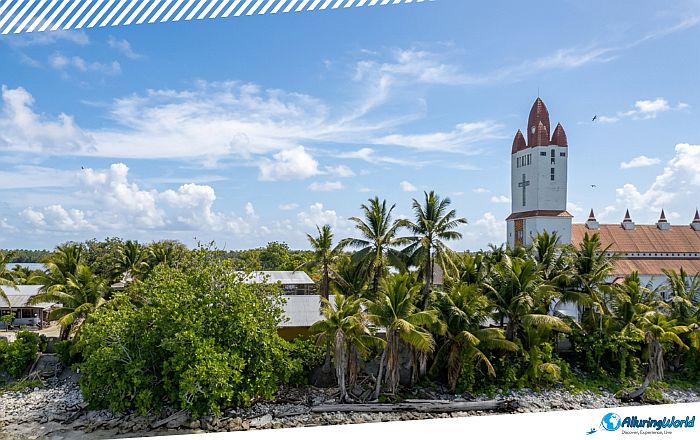
Historically inclined travelers may try their luck by looking for World War II sites, from coastal defenses to a wartime landing craft, as well as the ancient Nanumea Church standing out in this part of the world. Once the hot afternoon ends, the community will come to life with various activities; you may find skilled artisans working on traditional outrigger canoes, play a relaxing volleyball game at the former airstrip, or participate in a traditional fatele performance inside the community maneapa.
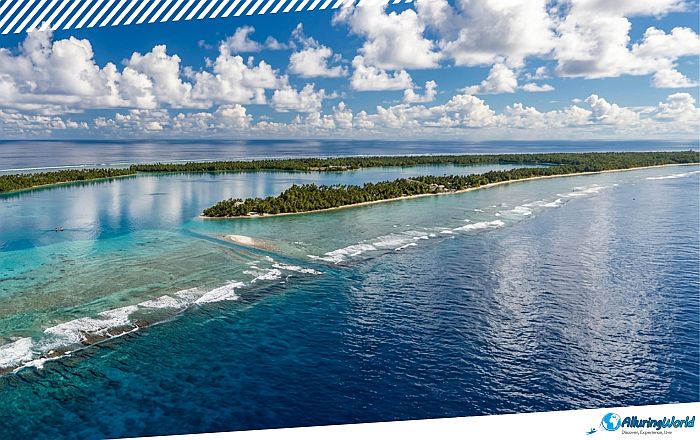
Overall, Nanumea Atoll represents a rare opportunity to immerse oneself in the traditional environment where natural processes have influenced people’s lifestyle significantly. This place is a destination for everyone who wants not only to admire the views but to get a sense of history, culture, and problems related to the island nation’s environment. Traveling there becomes an experience of meeting with the ongoing story of Nanumea Atoll in Tuvalu.