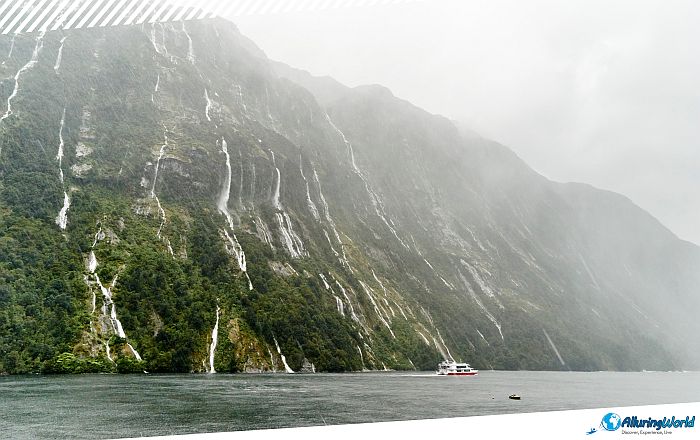
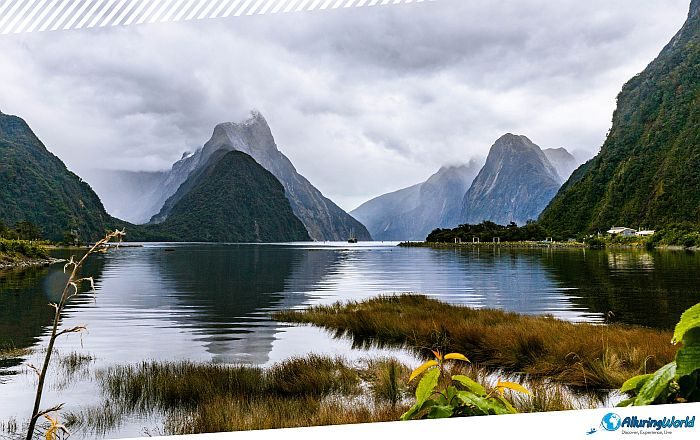
Milford Sound, locally known by its ancestral Māori name, Piopiotahi, is an amazing and one of the most popular fjords in the world, located on the remote southwest coast of the South Island of New Zealand. Located more precisely within the Fiordland National Park, it is called the world’s top travel destination and New Zealand’s most famous tourist destination.
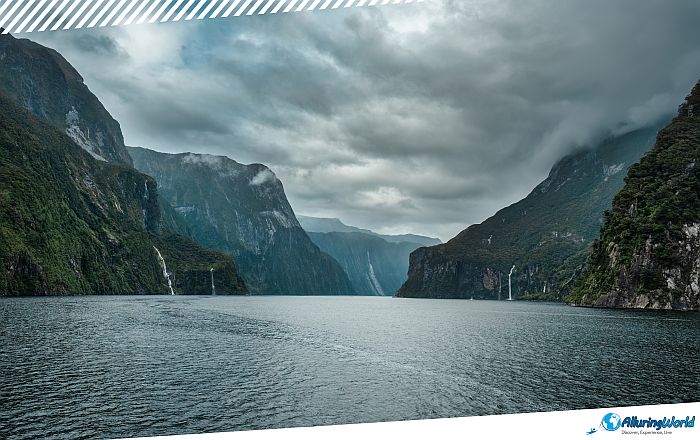
Being part of the deep and quite pristine wilderness of New Zealand, this breathtaking geographical wonder is widely celebrated as one of the top travel destinations in the world. The English poet, Rudyard Kipling, even famously dubbed it the “Eighth Wonder of the World.” As New Zealand’s ultimate tourism crown jewel, this ancient glaciated valley combines soaring cliffs, thundering waterfalls, and rare marine ecosystems into a single, awe-inspiring landscape.
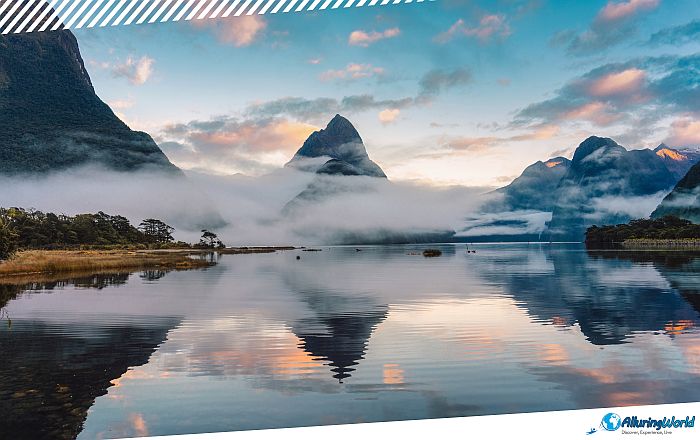
No landmark encapsulates the raw majesty of Milford Sound quite like Mitre Peak, or Rahotu in Māori history. Rising a staggering 1,695 meters (5,560 feet) almost vertically out of the black ocean waters, its distinctive silhouette resembles a bishop’s mitre hat. If the anatomy of the peak should be broken down, then rather than a solitary mountain, Mitre Peak is actually a closely knit cluster of five separate peaks that seamlessly converge around a single, arrow-headed summit. When you see Mitre Peak from a climber’s perspective, due to its sheer, near-vertical rock faces, you will notice that it has a very unpredictable alpine weather and a lack of easy footholds. Overall, it is an incredibly treacherous mountain that only a brave few expert mountaineers ever dare to climb.
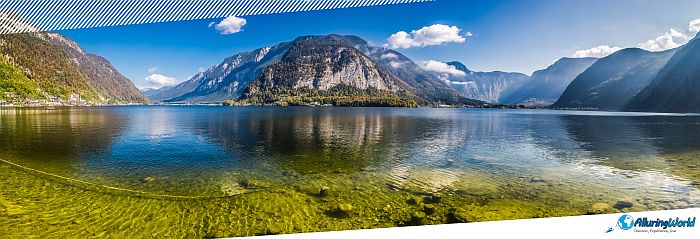
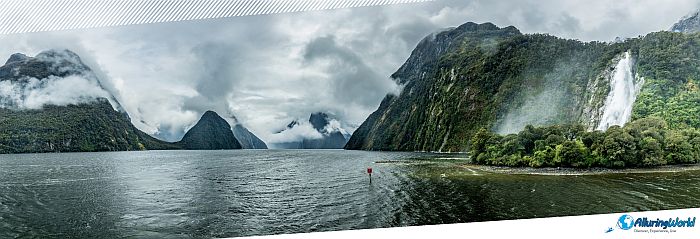
Milford Sound stretches 15 kilometers (9 miles) inland from the turbulent Tasman Sea, bounded on either side by sheer rock walls that showcase millions of years of glacial carving. The fjord boasts two massive, permanent waterfalls that roar with immense volume all year round, but from the many small and big waterfalls, you will notice the following:
- Lady Bowen Falls: Cascading 162 meters (531 feet), this torrent provides electricity and fresh water to the small local settlement of Milford Sound.
- Stirling Falls: Dropping 155 meters (508 feet), this waterfall sits framed by deep, hanging valleys. Tour boats frequently drive directly underneath it, giving passengers a thrilling glacial spray “face wash.”
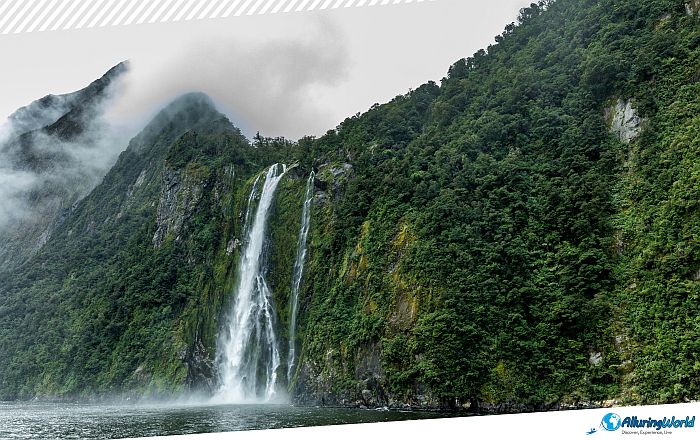
The Rain Effect: The Milford Sound area has one of the highest levels of rainfall in the world, getting an annual precipitation of more than 6,400 mm (250 inches). When it rains heavily, the entire place comes to life with numerous temporary waterfalls that cascade down the black cliffs, but if you manage to see the place with the cloud coverage and the misty fog, then you are experiencing Milford Sound at its best.
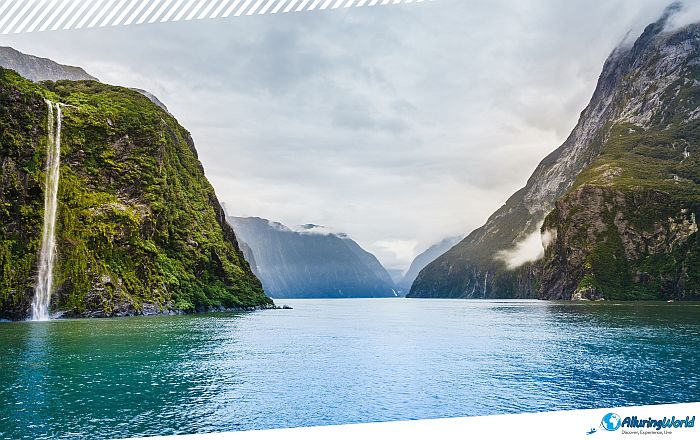
Thanks to its international standing, Milford Sound draws as many as 1 million visitors annually, along with large numbers of cruise boats, scenic flights, and other vehicles that are used for tours. It is a challenge for the environmental authorities in New Zealand to regulate such a large number of commercial vessels, given the sensitivity of the fjord’s ecosystem, but somehow the system works.
ADVERTISEMENT
The fact that fjords consist of an exclusive combination of fresh and salty waters makes them possess a very specialized form of circulation in their deep waters. Because of such stratification, even minor forms of pollution will have a huge impact on the wildlife in the area. In order to avoid overstraining the ecosystem, the New Zealand government and private organizations have introduced sustainability measures, knowing well that the purity of the water is crucial for keeping Milford Sound’s reputation intact.
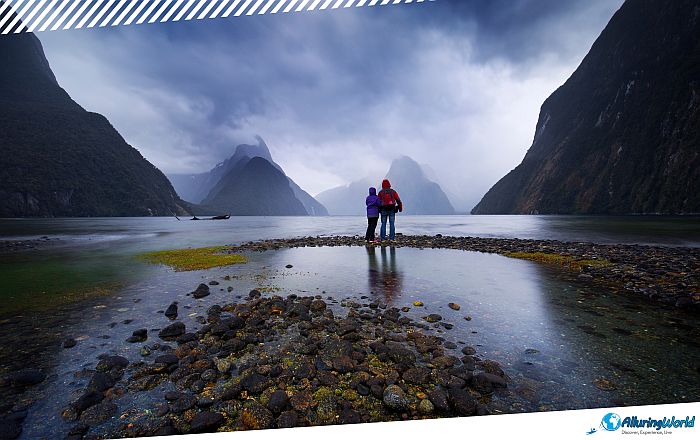
These very strict conservation practices help maintain this unique type of environment that supports an occurrence referred to as “deep-water emergence”. The thick cover of fresh rainwater that blocks sunlight enables unique black coral trees that generally survive in dark water to thrive in shallow waters. With the old coral species, there are bottlenose dolphins, New Zealand fur seals, and the rare Fiordland crested penguin. The conservation of this delicate environment will help ensure that Milford Sound is not only a source of income for the country in terms of tourism but also serves as a haven for wildlife and landscape photographers.
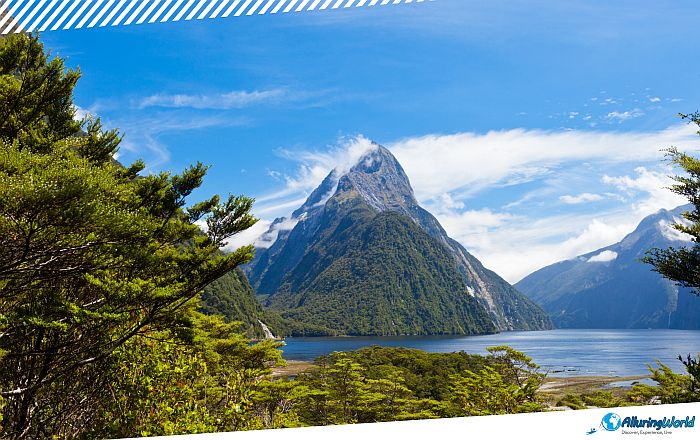
The time of year you decide to travel to Milford Sound will depend entirely on the type of atmosphere that you desire to experience. The hottest weather will occur during the summer period, which occurs between December and February, at a moderate temperature of approximately 18 degrees C (64 degrees F). This period is perfect for kayaking and swimming in the sound, as well as some other adventures. Unfortunately, summer is also the busiest season, with the most tourist traffic and the most activity by the pesky sand flies common to Milford. If your interest is in photography, consider visiting Milford Sound during the shoulder season of either late spring or early autumn, when the atmosphere is calm and beautiful. Spring will see beautiful waterfalls due to melting glaciers and rainfall.
Arriving at Milford Sound is quite an experience in itself, and usually tourists make use of towns like Te Anau (a 2.5-hour drive away) or Queenstown (a 5-hour drive away) to begin their journey. Since there is just one small and twisting alpine road that goes into the fjord, State Highway 94, tourists usually have three ways of getting around:
- Guided Coach Tours: Taking a luxury, glass-roofed bus tour from Queenstown or Te Anau is the most popular and stress-free option. It eliminates the pressure of navigating the hazardous, icy, or narrow mountain passes, allows you to enjoy the narrative commentary from local guides, and guarantees your arrival aligns perfectly with scheduled boat cruise departures.
- Self-Driving: Renting a car or campervan gives independent travelers the ultimate freedom to stop at iconic roadside landmarks like the Mirror Lakes, Eglinton Valley, and the historic, hand-carved Homer Tunnel. If you choose to drive, you must leave early to avoid peak tour-bus traffic, keep your headlights on, and monitor strict winter road restrictions.
- Scenic Flights: For those short on time or seeking an unforgettable perspective, small fixed-wing planes and helicopters operate scenic fly-cruise-fly packages out of Queenstown. This cuts a grueling 10-hour return drive down to a breathtaking 40-minute flight over the snow-covered Southern Alps.
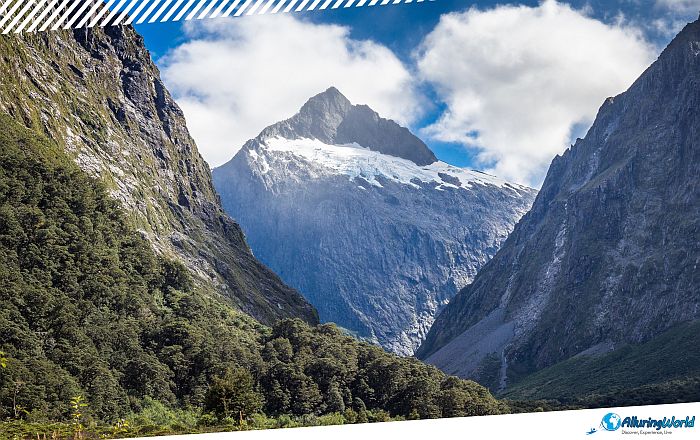
For maximum enjoyment of your visit to Fiordland, here are some tips that travelers can use to their advantage. Firstly, avoid canceling your visit if the weather forecasts rain. Fiordland has been labeled as one of the rainiest places in the world, and it’s actually the rainy conditions that will make the temporary waterfalls appear in Milford Sound, turning the fiord into an amazing landscape scene. Due to the wet environment in this place, you need good rainproof clothing as well as boots at any time of the year. Moreover, always carry a strong insect spray since there are very aggressive sand flies in this place, and you also have to make sure your car is fully fueled before leaving Te Anau because there are no gas stations on Milford Road.
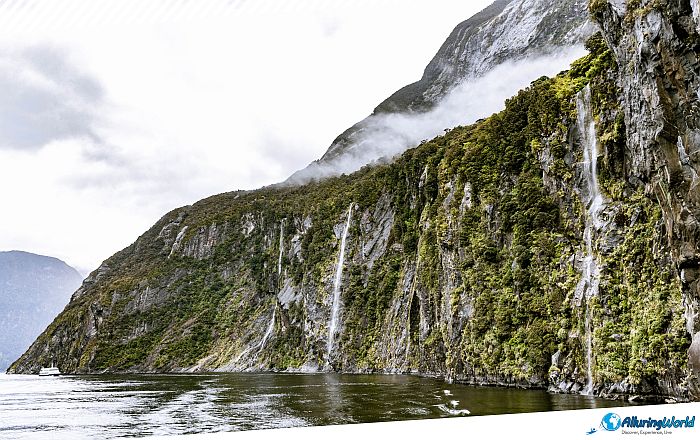
In conclusion, Milford Sound (Piopiotahi) is truly one of the most spectacular embodiments of the awesome strength of Mother Nature. The area from the peak of the Mitre Peak all the way down into its murky depths represents the challenge of finding the right balance between exploring the place and protecting it. In spite of all kinds of changes that have happened both naturally and ecologically, Milford Sound stands out as an untouched piece of the wild.