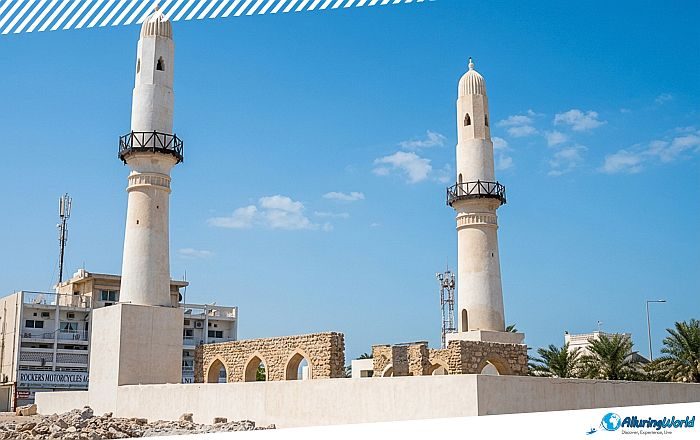
The Khamis Mosque is believed to be the first mosque that was built in the country, located in the Khamis district, which is a largely residential area with a number of shops and business establishments in the capital city of Manama, within the northern part of the Kingdom of Bahrain.
Standing as a silent witness to the dawn of Islam in the Persian Gulf, the mosque serves as an architectural anchor, connecting modern-day Bahrain to the era of the Umayyad caliph Umar II. The origins of the mosque are steeped in historical debate, which only adds to its mystique, but there are traditional accounts that suggest it was founded around 692 AD. This would make the mosque one of the oldest Islamic structures in the Arab world. However, some archaeological evidence and historical sources suggest a slightly later origin during the rule of the Uyunid dynasty, initially featuring only a single minaret.
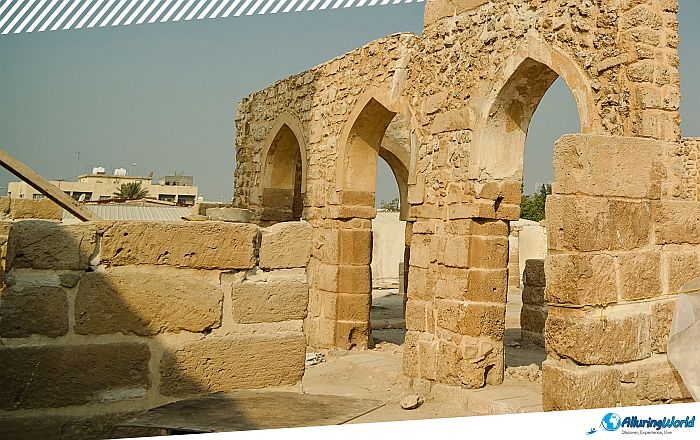
Regardless of the specific decade of its founding, the mosque has undergone significant transformations over the centuries, since it was rebuilt twice. The first time was in the 14th century and again in the 15th century, thus reflecting the evolving architectural styles and the growing importance of the site as a religious center.
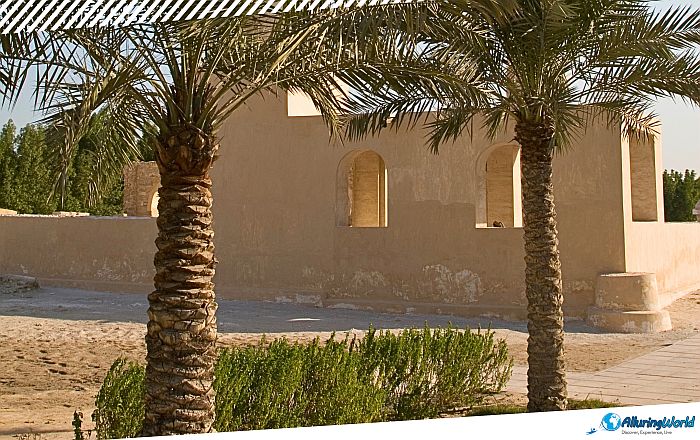
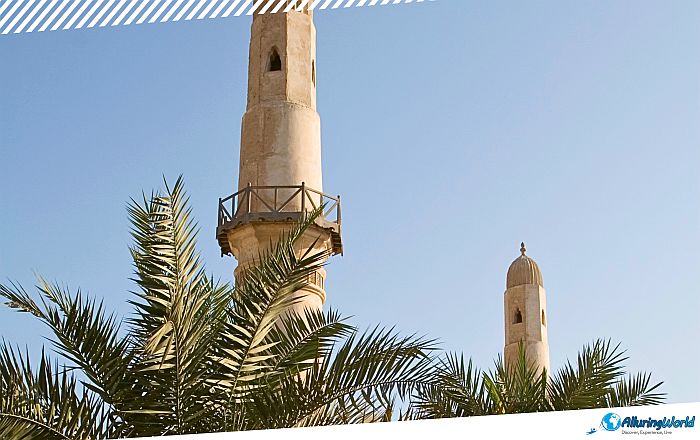
The most striking feature of the Khamis Mosque today is its identical twin minarets. While many ancient mosques feature a single tower, these two limestone structures make the mosque easily identifiable to anyone driving along the Shaikh Salman Road. The timeline of these towers is a lesson in regional history because the first minaret is believed to have been part of the earlier Uyunid construction, while the second minaret was added two centuries later during the rule of the Usfurids, purposefully designed to match the existing one to create a rare, symmetrical aesthetic that was ahead of its time.
ADVERTISEMENT
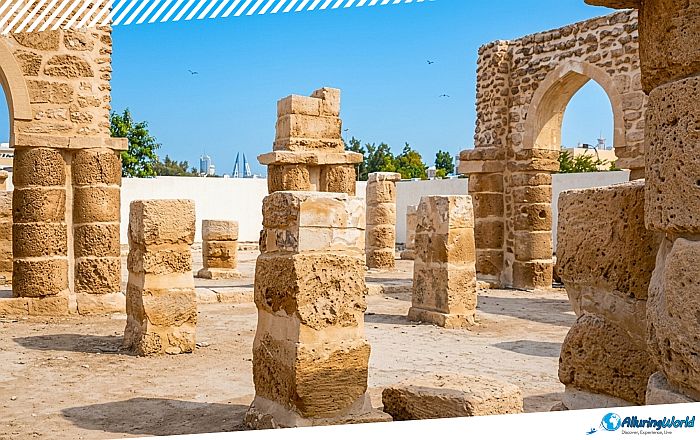
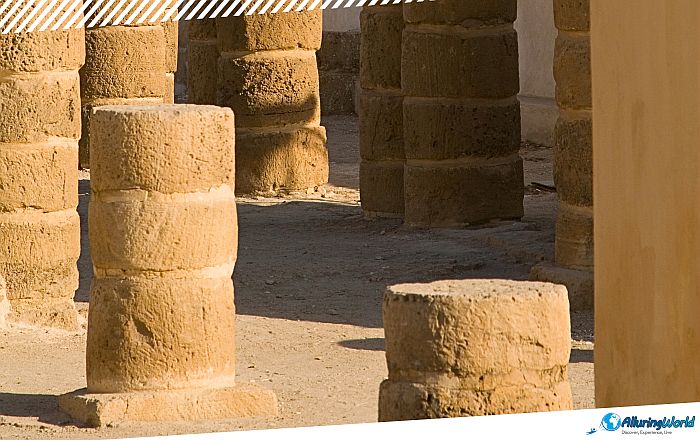
Nevertheless, the interior of the mosque is a fascinating “time capsule” of medieval construction techniques. Following partial restoration, visitors can now see the distinct phases of its growth as the interior has changed and improved throughout the centuries. Most notable is the Early Prayer Hall, which featured a flat roof supported by slender wooden columns that date back to the 14th century.
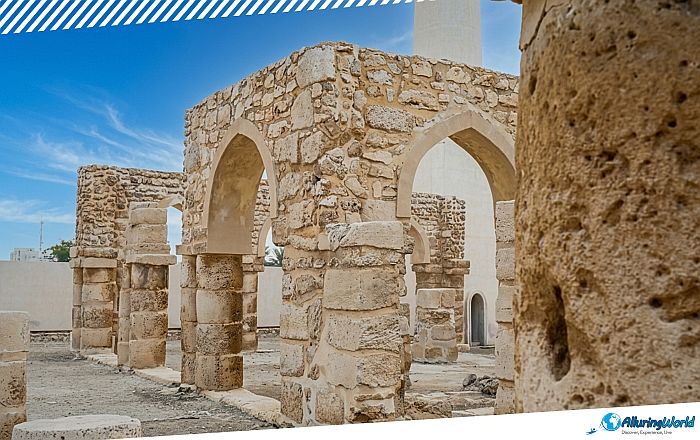
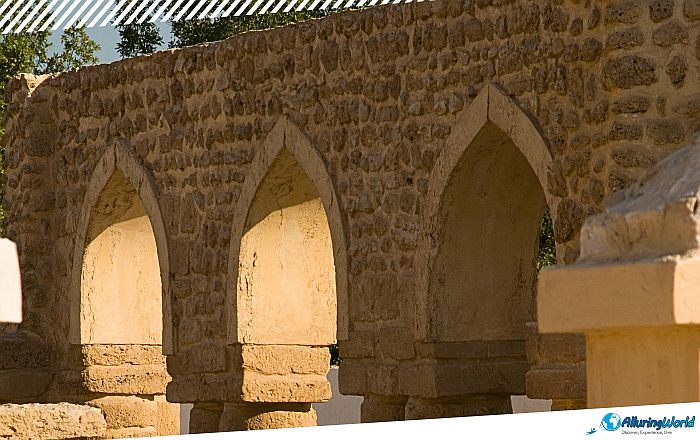
The Later Extension introduced a subsequent section of the roof that was supported by heavy pointed arches resting on thick masonry piers. Inscriptions found on these piers have allowed historians to date this expansion precisely to 1339. Overall, the transition from wooden pillars to heavy masonry illustrates the shift toward more permanent, monumental architecture as Bahrain became a more prosperous trade hub.
In conclusion, the Khamis Mosque today no longer holds regular daily prayers but instead functions as a protected historical site and a premier destination for cultural tourism. Its weathered limestone walls and open-air courtyards provide a stark, beautiful contrast to the surrounding modern businesses. Overall, it serves as a profound reminder of the deep-rooted Islamic heritage in the Kingdom of Bahrain.
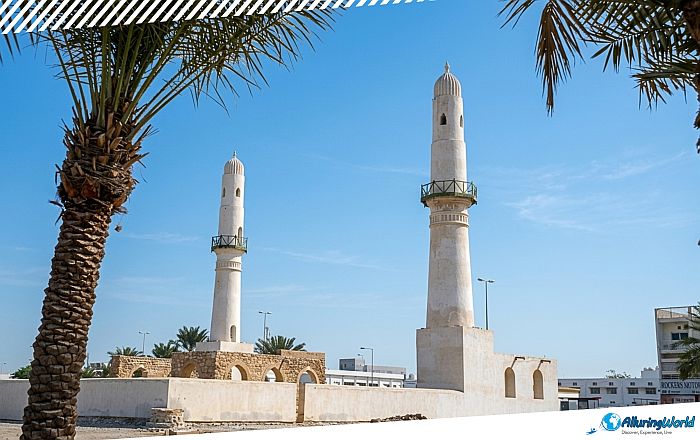
Travelers and historians alike who would like to see a different, more historical side of Bahrain, rather than the usual modern skyscrapers, the Khamis Mosque offers a rare opportunity to walk through centuries of architectural layers, from the simple piety of the Umayyad era to the grander, arched designs of the late Middle Ages.