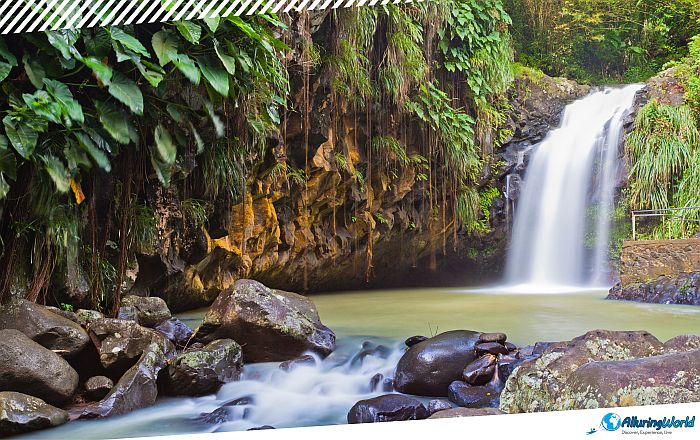
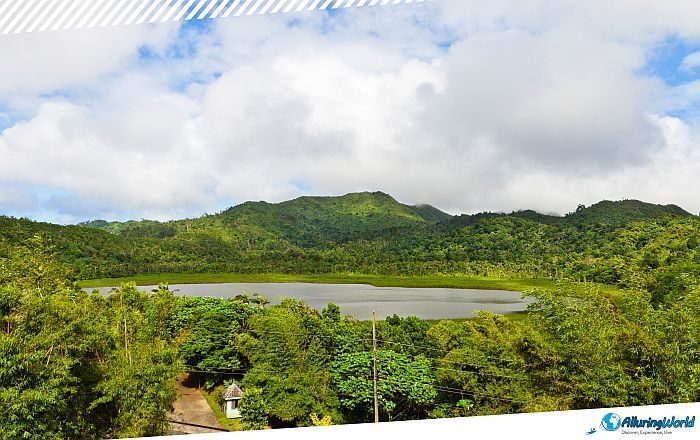
Grand Étang National Park, also known as Grand Étang Nature Reserve, is a protected part that includes rainforest, the Grand Étang Lake, as well as interesting, varied elevations and terrains in the middle of the Caribbean island country of Grenada. Tucked away in the mountainous spine of the Spice Isle, Grand Étang National Park and Nature Reserve is the beating green heart of Grenada. This protected sanctuary spans a lush landscape of ancient rainforests, volcanic craters, and dramatic elevations in the center of this Caribbean island nation.
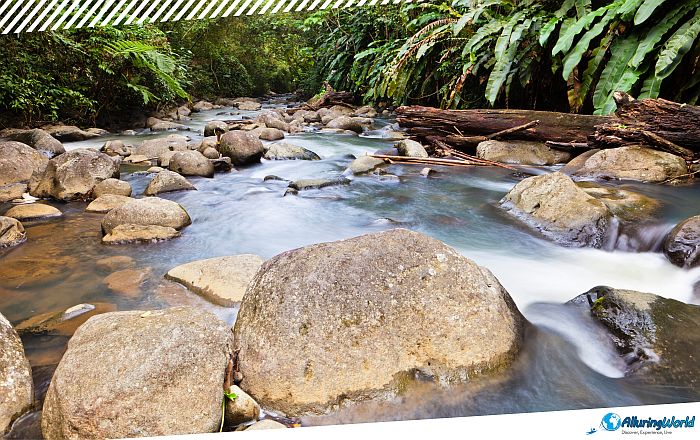
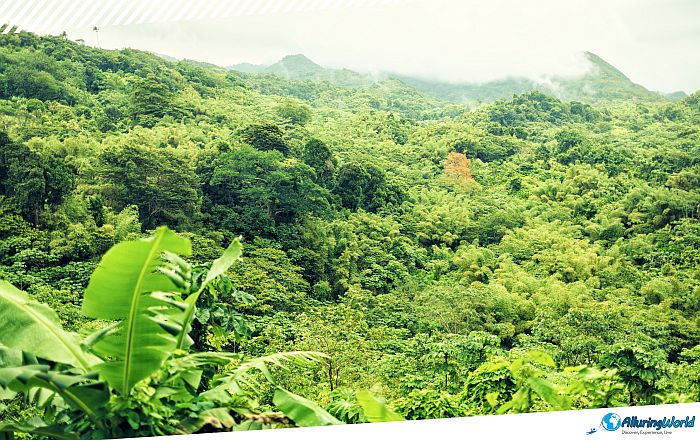
If you are looking to trade the white-sand beaches for an eco-adventure, then Grand Étang will offer you an unmissable journey into one of the region’s most biodiverse tropical ecosystems. The reason why Grand Étang National Park stands out in eco-tourism is due to its diverse terrain and changeable microclimate. While climbing up the slopes of the mountains located at the core of the park, you will come across a number of different ecosystems. The slopes’ base area comprises tall mahogany and gommier trees that transition into dense montane rainforests further up the slope. The summit is marked by mysterious elfin woods, which are basically clouds that cover the stunted trees of this unique type of high altitude cloud forest.
Being a short drive from the capital city of St. George’s, the park can easily be reached within a short time from there. Being located close to the town of Constantine and a few kilometers northeast of the transversing highway on the island, accessing it by private cars, taxis, or even public minibusses becomes quite convenient.
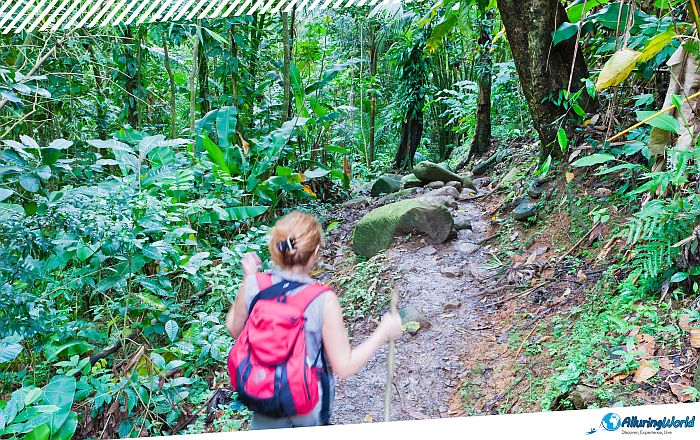
Grand Étang is a definite paradise for hikers, and people who would like to see something different from the usual Caribbean landscape, thus offering a network of trails that cater to casual walkers and seasoned trekkers alike. For a small admission fee at the visitor center, you gain access to some of the best hiking trails in the Caribbean, and the list of these great experiences is the following:
-
Morne La Baye Trail (Easy | 15 Minutes): Beginning right at the visitor center, this short, educational walk is perfect for families. It leads to a viewing platform offering sweeping vistas of the island’s windward coast.
-
Grand Étang Lake Shoreline Trail (Moderate | 1.5 Hours): A peaceful loop that tracks the edge of the crater lake, immersing you in dense ferns and bamboo groves.
-
Mount Qua Qua Trail (Challenging | 3 Hours Round-Trip): This moderately difficult trek takes you along a steep, muddy ridge line to the summit of Mount Qua Qua. At the peak, you are rewarded with panoramic views of the reserve and the Atlantic Ocean.
-
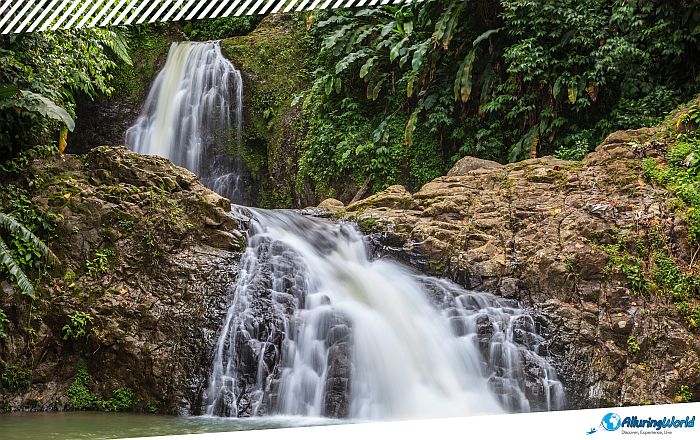
Seven Sisters Falls Hike (Moderate | 2 Hours): Often called the best hike on the island, this trail winds through a private plantation and deep rainforest to a series of seven consecutive waterfalls. Visitors can swim in the cool, crystal-clear pools fed by the cascading water.
ADVERTISEMENT
At the absolute center of the park lies Grand Étang Lake, something that looks like a drop of water that was left after a heavy rain. Situated at an impressive 530 meters (1,740 feet) above sea level, this striking body of water fills the crater of an extinct volcano. The rich mineral composition of the old caldera gives the water a deep, mesmerizing cobalt-blue hue.
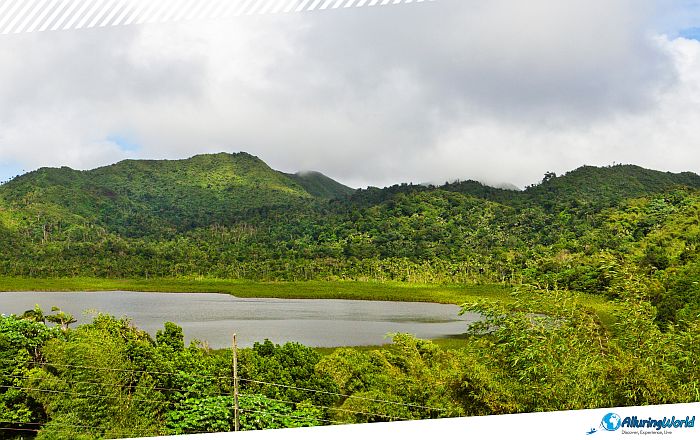
Local folklore has long surrounded the lake, and there are many historical myths that claim that it is entirely bottomless and holds a mysterious connection to the sea. Considering this is a folktale, however, modern geological soundings have debunked the legend, revealing that the lake has a maximum depth of about 5 meters (18 feet).
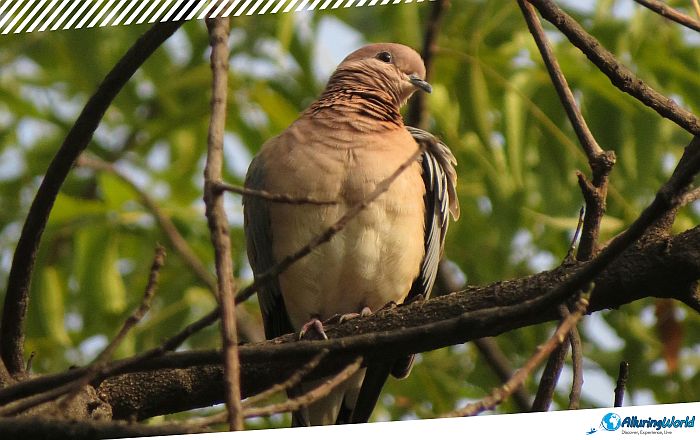
Perhaps why the Grand Étang was created by the Grenadian authorities is that the tranquil depths of the Grenadian mountains serve as a vital refuge for native and introduced wildlife. As you walk the trails, the canopy comes alive with the calls of tropical mockingbirds, lesser Antillean tanagers, and hummingbirds. If you look closely at the forest floor and tree trunks, you will spot an array of tiny tree frogs and colorful lizards. However, the park’s most famous residents are the Mona monkeys. Introduced to the island from West Africa during the slave trade era, these playful primates have completely adapted to the rainforest. They can often be spotted near the visitor center, peering down from the branches at arriving guests.
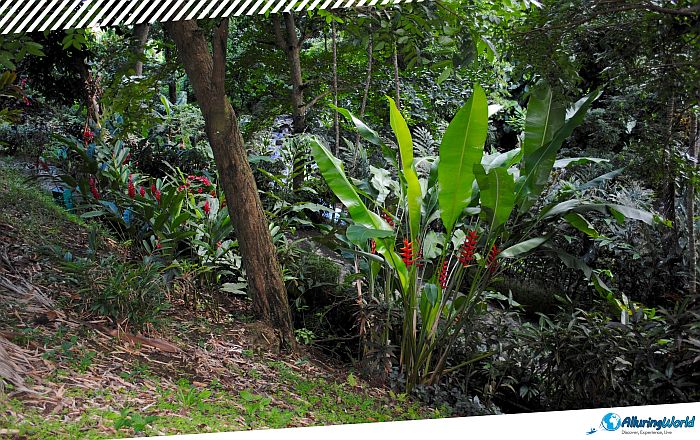
The unbelievable diversity of plant life, from huge elephant ears to delicate ginger plants, in conjunction with the abundant wildlife at Grand Étang, has made it an absolute must-see place for visitors. The place gives a raw feel to the traveler, which cannot be experienced elsewhere.
In conclusion, Grand Étang National Park is a place like no other in the Caribbean region. The park is filled with adventures that are waiting for you, and you just need to decide whether you want to visit this majestic place between January and April, when it is the best time if you care about perfect weather, or if you prefer a more balanced option and visit Grenada during the shoulder season that runs from May to June, and then again in November. This season is the best balance of price and weather, but be aware of the rainy or low season that runs from July to November, and this is the best time for budget activities and culture.