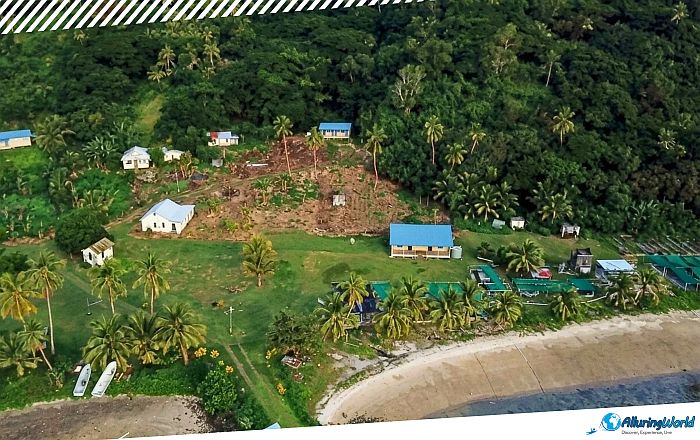
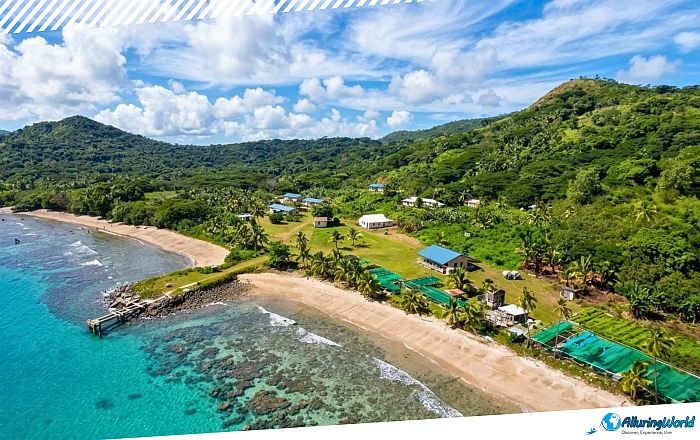
Makogai Island, sometimes referred to as Makongai Island, is a small volcanic island in the Pacific Ocean that forms part of the Lomaiviti Archipelago, in the northwestern part of the Eastern Division of the Republic of Fiji. As the island rises from the sapphire waters of the Koro Sea, Makogai Island is considered to be one of Fiji’s most compelling yet least-visited destinations. With an approximate size of 8.4 square kilometers (3.2 square miles), Makogai lies to the northeast of Fiji’s main island, Viti Levu, and, in addition, it can be seen from the historical port town of Levuka in Ovalau. Unlike the manicured resort islands of the Mamanucas or Yasawas, Makogai offers no commercial hotels, paved roads, or tourist infrastructure, and instead, its deeply indented coastline, particularly the sheltered waters of Dalice Bay on its western shore, shelters both the poignant ruins of the South Pacific’s most significant leprosarium and a pioneering mariculture research station dedicated to saving the region’s giant clams.
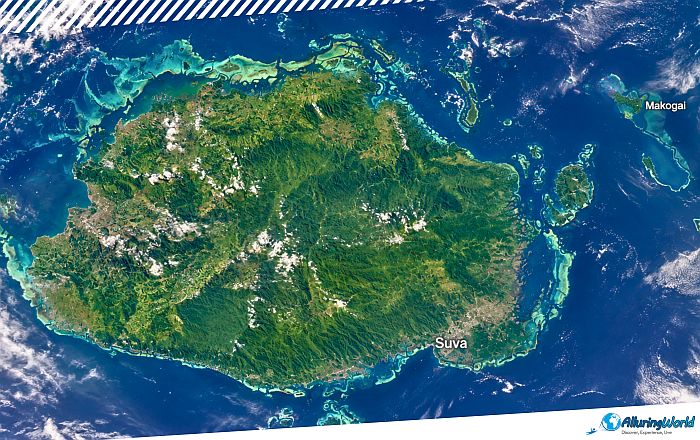
If you love adventure and discovery, marine history, and reefs, the opportunity to visit Makogai Island will provide you with an understanding of Fiji’s past and its environmental future. To understand the island better, you must know its two chapters: its half-century role as a compassionate sanctuary for thousands of Hansen’s disease patients across Oceania, and nowadays as a protected marine nursery.
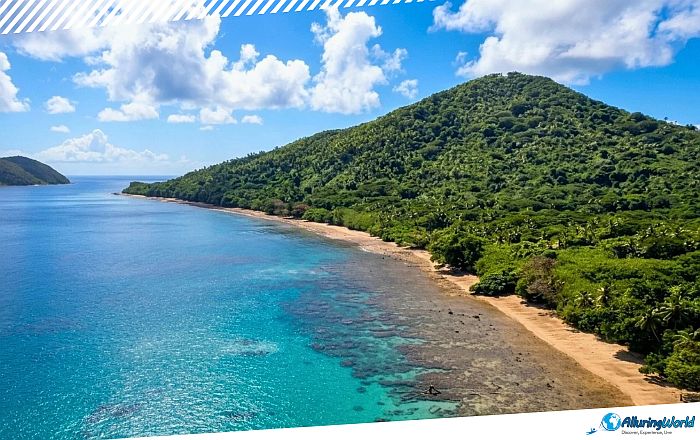
Makogai Island is a severely eroded volcano that stretches a maximum of 4.3 kilometers (2.7 miles) along its north–south axis and 3.3 kilometers (2.1 miles) along its east–west axis. The geography of the island is characterized by steep hillsides blanketed in tropical rainforests, coconut palm trees, and wild mango trees, culminating at a maximum height of 267 meters (876 feet) with twin peaks at its center. Around the island lie the complicated fringing and barrier reefs that form turquoise lagoons on the leeward side while sheltering the shores from the vast open ocean swells of the Koro Sea. Due to its volcanic composition and its freshwater springs, the island has long been fertile when compared to other Fiji islands. Its anchorage on the west side in Dalice Bay gives it access to very deep water, with an average depth of 15 to 25 meters (49 to 82 feet) in the mooring area. It has thus proved popular with cruising yachts traveling from Ovalau and Savusavu to the northern Lau group of islands. Just to the south is the small islet of Makodroga, while 18 kilometers (11 miles) south is the private island of Wakaya.
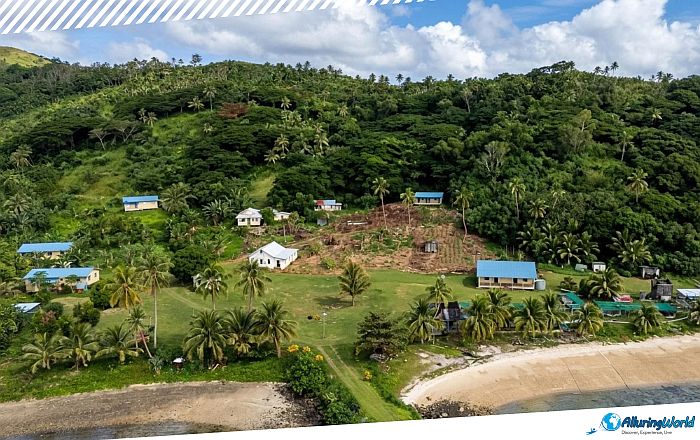
Officially opened in November 1911 by the British colonial authorities, the Makogai Leprosy Hospital was not just a local quarantine station, but the central leprosarium for the entire South Pacific. Over the 58-year-long period of its existence, more than 4,000 patients were brought to the island from Fiji, Samoa, Tonga, Cook Islands, Niue, Tokelau, Gilbert Islands (today Kiribati), Solomon Islands, and New Zealand. In the 1950s, there were approximately 700 patients living on Makogai.
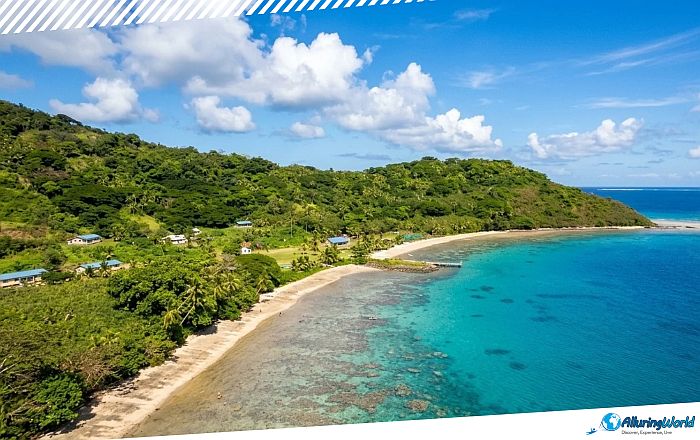
Rather than being a grim prison, Makogai Island was carefully planned with distinct villages like Nasau, Dalice, and Yaroi, which allowed Fijians, Indo-Fijians, Rotumans, and other Pacific Islanders to preserve their language, culture, and religion. Patients who were physically able farmed the fertile inland plots, tended cattle, fished, and worked in a local bakery and coconut soap factory. To prevent the spread of infection through regular banknotes, the settlement even minted its own internal token currency, while residents formed a celebrated brass band and choir that performed for visiting dignitaries. The daily health and spiritual care of the patients was handled by the Missionary Sisters of the Society of Mary (Marist Sisters), whose commitment was legendary throughout the Pacific region. Until the late 1940s, when sulfone drugs were introduced, the treatment of patients mainly consisted of painful intradermal injections of chaulmoogra oil. Despite that, more than 2,500 patients were successfully treated and discharged at the hospital during its existence.
ADVERTISEMENT
Following the widespread success of modern multi-drug therapies for Hansen’s disease, the facility closed in 1969, and the remaining patients were transferred to the P.J. Twomey Hospital in Suva. Today, though battered by time and the severe tropical Cyclone Winston in 2016, atmospheric remnants remain scattered among the tropical foliage:
- The Dalice Bay Hospital and Theatre Ruins: You can walk inland, and you’ll see from the old arrival jetty the concrete steps of the former hospital, the stone pillars and projection booth of an open-air cinema built to boost patient morale, and the overgrown foundations of the island’s soap factory and bakery.
- The Hilltop Cemetery: Located above Dalice Bay is a large hilltop cemetery where more than 1,200 deceased patients and several Marist Sisters, including Fijian Sister Maria Agnes Filomena, who served on the island for three decades, are buried. Their graves are marked by weathered concrete headstones and early glass-bottle markers.
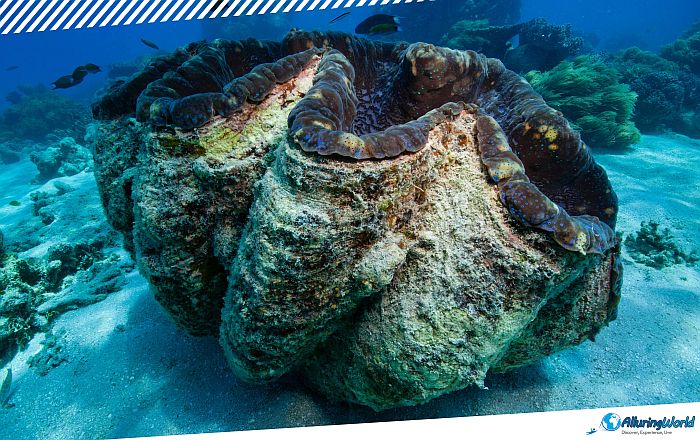
In the 1980s, Fiji’s Ministry of Fisheries repurposed Makogai’s isolated coastal infrastructure into the Makogai Mariculture Research Centre. At the heart of this initiative is the breeding and conservation of giant clams, which had suffered severe population declines and local extinction in the case of the true giant clam (Tridacna gigas), due to overharvesting across Fiji. Broodstock of Tridacna gigas were originally brought to Makogai from Australia’s Great Barrier Reef, joining native Fijian species such as the fluted giant clam (Tridacna squamosa), the smooth giant clam (Tridacna derasa), and the rugose giant clam (Tridacna maxima). In solar-powered land-based saltwater raceways, fisheries technicians cultivate juvenile clams until they reach a length of about 30 centimeters (12 inches), which is large enough to ensure their survival from natural predators on the reefs such as triggerfish and octopuses. After reaching a stage where they can be moved, thousands of clams are transported throughout the archipelago to replenish the depleted reefs and other resort conservation zones. Alongside giant clams, the station has also bred trochus shells (Tectus niloticus) and sea cucumbers while running a head-start program for green and hawksbill sea turtle hatchlings.
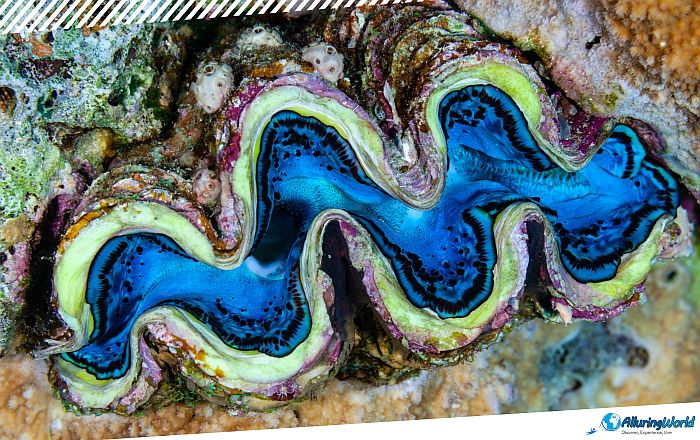
The island’s broodstock is protected and managed as a Marine Protected Area under a traditional Fijian tabu (a sacred fishing prohibition), which bans any extractive fishing practices. As a consequence, the coral gardens of the island have flourished with incredible vigor. Snorkelers and divers can see the huge adult giant clams lying peacefully in the sand surrounded by hawksbill and green sea turtles, reef sharks, and shoals of butterfly fish. Incredibly, near the old jetty of Dalice Bay, rusting iron hospital beds from the leper colony period lie buried in the seabed at depths of 5 to 10 meters (16 to 33 feet), covered with living hard and soft corals. Makogai Island is a place that has a small resident community of about 40-60 people, which mainly comprises the Ministry of Fisheries staff members and their families. Because the island is an active government research station, you will be required to follow the rules and requirements of the island to ensure that you will have an immersive experience.
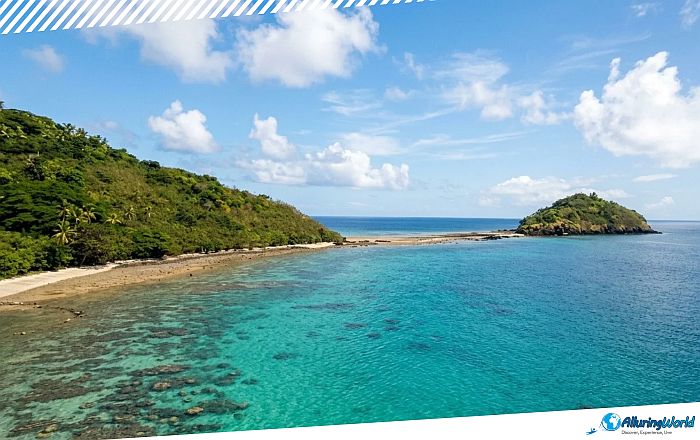
Despite the lack of established hiking trails, an unpaved path is found that extends some 2.5 kilometers (1.6 miles) from the Dalice Bay settlement past the graveyard through the center of the island towards the eastern coast. If you are more daring, then you can venture along unofficial bush trails up to the 267-meter (876-foot) central peaks; a trip that will take approximately 90 minutes one way and will give you stunning views of Ovalau, Wakaya, and Koro Island. Wet conditions make the paths slippery and overgrown with vegetation; hence, suitable footwear, long pants, and insect repellent are necessary. The most essential visitor etiquette that should be observed is:
- Present a Sevusevu: You have to undertake a sevusevu ceremony by presenting a bundle of dried yaqona (kava root) to the head fisheries officer or village caretaker to be granted entry into the island. Because Makogai is an active government research station, visitors should also notify Fiji’s Ministry of Fisheries in advance or have their Levuka boat operator radio ahead before arrival.
- Respect Modest Dress and Tabu Zones: Ashore, dress modestly by wearing clothes that cover your shoulders and knees, taking off hats indoors, and not disturbing any shells, corals, or historical objects. Spear-fishing, line-fishing, and handling the giant clams in the lagoon are strictly forbidden.
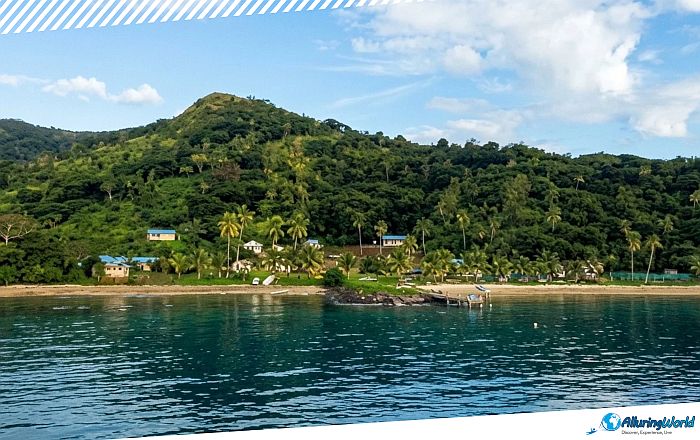
Reaching Makogai requires planning, as there is no airstrip, regular passenger ferry schedule, or public accommodation on the island. Most travelers stage their trip from Levuka on neighboring Ovalau Island, located roughly 28 kilometers (17 miles) to the southwest. From Suva, located on Viti Levu, tourists have the choice of taking a bus-and-ferry connection via Natovi Landing, departing Suva around 06:00 and reaching Levuka at about 10:30. Alternatively, take a flight to Bureta Airport, which is located on Ovalau. After reaching Levuka, you need to arrange a private chartered fiberglass boat to Makogai. This crossing takes approximately 60 to 90 minutes depending on sea conditions in the Koro Sea; otherwise, private cruising yachts frequently anchor in Dalice Bay, and occasional expedition cruise ships include Makogai on Lomaiviti itineraries.
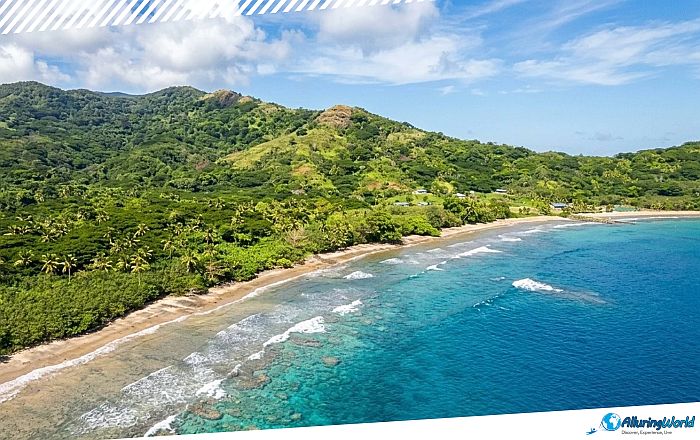
Because the Pacific is known to be sometimes rough with the weather, and since you are crossing water and walking around islands, timing your visit with Fiji’s weather patterns makes a substantial difference:
- Best Time to Visit: The country’s dry season, which runs between May and October, offers the calmest seas, lower humidity, and daytime temperatures that hover between 24°C and 28°C (75°F and 82°F), thus providing ideal conditions for boat charters and underwater visibility in Dalice Bay.
- Cyclone Season Warning: Cyclones usually occur between November and April, and this is the period of heavy tropical rains which make the island’s dirt tracks muddy, and southwesterly winds or tropical cyclones can make the Dalice Bay anchorage uncomfortable or unsafe for small vessels.
- Daily Timing: Levuka boat charters usually leave at 07:30 to make use of the less turbulent trade winds in the morning, returning by 15:30 since afternoon swells can form in the Koro Sea. Plan your visit between Monday and Saturday, as Sundays are strictly observed for church services and rest, meaning boat charters generally do not operate, and ashore activities are restricted. You will have to carry all water, food, reef-safe sunscreen, and money since there are no stores or health facilities on the island.
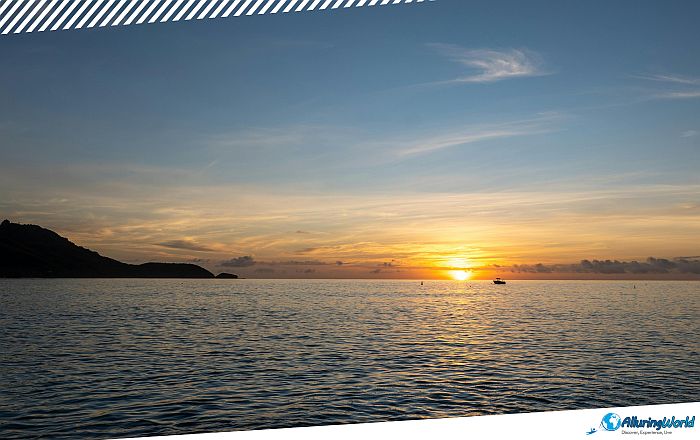
Walking onto the shores of Makogai Island is an intimate, humbling journey that strips away the commercial polish of modern tourism. In just a few hours on this island, you will get a chance to witness firsthand the ruins of the old hospital, which was once a place of solace for countless exiles from Oceania. You will be able to immerse yourself in the clear water, which will be brimming with giant clams working hard to recreate Fiji’s coral reefs.