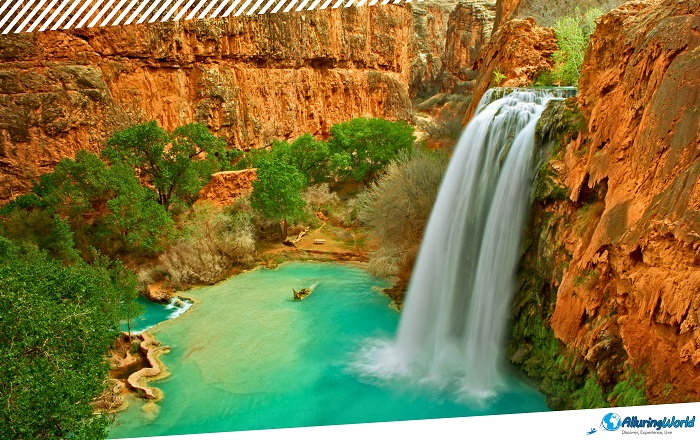
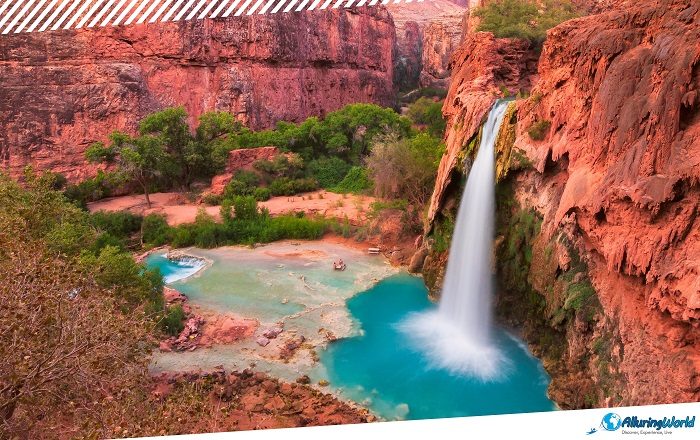
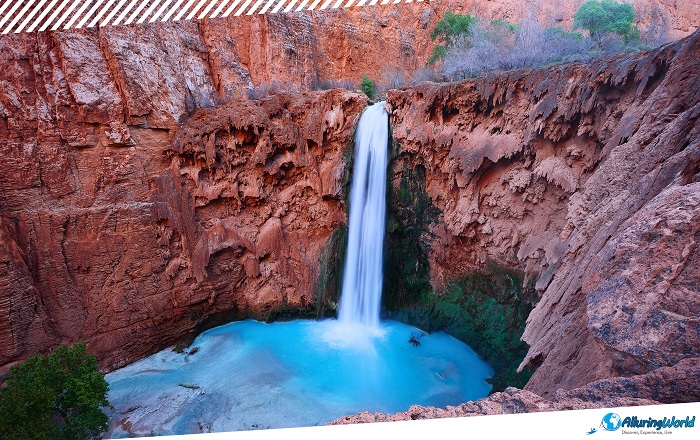
Havasu Falls is a magnificent waterfall that is considered to be one of the most stunning and sought-after natural attractions located in the Havasupai Indian Reservation in the northwestern part of the State of Arizona, within the southwestern part of the United States of America. Nestled deep within the Grand Canyon, Havasu Falls is part of the Havasu Creek, which is renowned for its striking blue-green waters and creates a vivid contrast against the red rock cliffs surrounding the area. This breathtaking waterfall is part of a series of falls, and it is a popular destination for adventurers and nature lovers seeking an unforgettable experience in a remote and pristine wilderness setting.

The falls themselves are approximately 30 m (100 ft) high, with water cascading over a cliff into a series of natural travertine pools below, where the unique color of the water is due to the high concentration of calcium carbonate and magnesium in Havasu Creek, which reflects the sunlight and gives the pools their signature turquoise hue. The falls have a distinctive and picturesque appearance, with the water splitting into several smaller streams as it flows over the cliff, creating a curtain of water that is mesmerizing to behold.
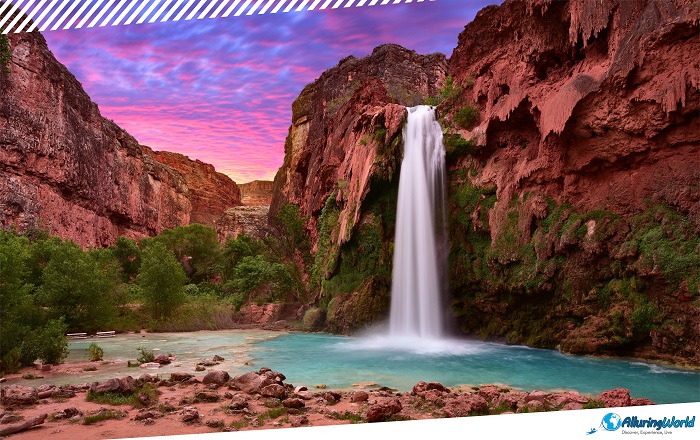
The formation of this impressive feature began with the uplift of the Colorado Plateau around 70 million years ago, which caused the Colorado River to carve out the Grand Canyon over millions of years. The falls themselves were created by the process of travertine deposition, and this travertine is a type of limestone deposited by mineral springs, especially hot springs. As the water flows over the edge of the cliff, it deposits calcium carbonate, forming the distinctive travertine terraces and pools, and the striking blue-green color of the water is due to the high concentration of calcium carbonate and magnesium in the water, which reflects sunlight and gives it a vibrant hue.
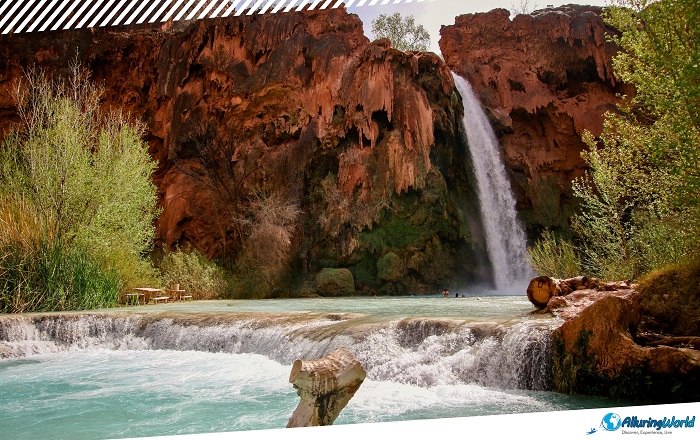
The specific age of the falls is difficult to pinpoint, as the travertine formations are continually being reshaped by the flow of the water; however, the falls are part of a geological history that spans millions of years. The falls have likely existed in some form for several thousand years, with their current formation taking shape as the travertine deposits have built up over time. Havasu Falls was known as Bridal Veil Falls until 1910, when a flood altered the course of the creek and created the waterfall’s present-day appearance. This is just proof that the dynamic nature of the landscape continues to change, and with floods and natural events occasionally altering the flow and appearance of the falls, we’re not certain if the appearance we see nowadays will remain the same in the next few decades.
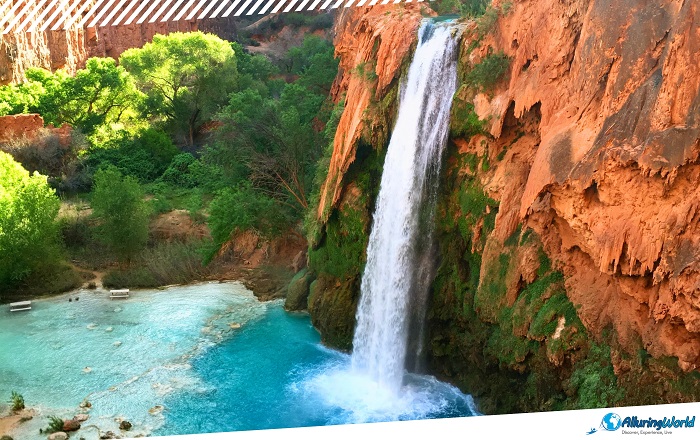
Accessing Havasu Falls requires some planning and effort, as it is located in a remote part of the Grand Canyon. The journey typically begins in the town of Supai, which is the gateway to the falls and is accessible only by foot, horseback, or helicopter; however, visitors must obtain a permit from the Havasupai Tribe to enter the reservation and hike to the falls. The permits are highly coveted and limited, so it is quite essential to plan the trip and the amazing adventure well in advance. The hike to Havasu Falls is approximately 16 km (10 mi) one way, starting from the Hualapai Hilltop, where visitors park their vehicles and begin their descent into the canyon.
ADVERTISEMENT
Interestingly, the hike to the falls is a challenging yet rewarding experience, offering stunning views of the canyon’s rugged landscapes, and as the trail winds through the desert terrain, past towering cliffs and unique rock formations, it finally arrives at the lush oasis of Havasu Creek. It needs to be emphasized that the trek requires a good level of physical fitness, as the elevation change is significant, especially on the return journey when hikers must climb back out of the canyon.
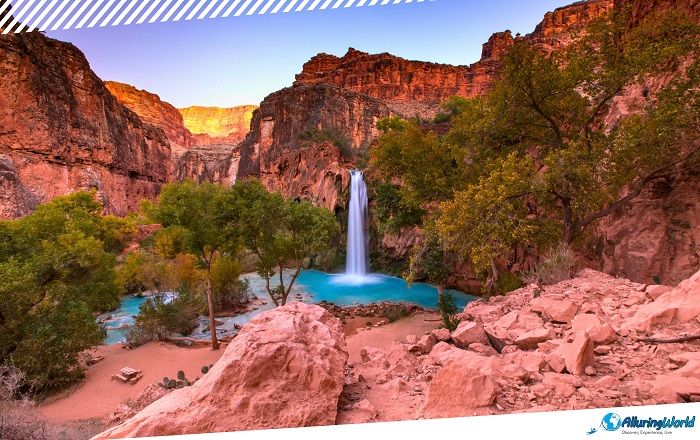
Another adventurous option is camping, which is considered the primary accommodation option for those visiting Havasu Falls. The Havasupai Tribe operates a campground near the falls, where visitors can set up tents and enjoy the natural surroundings, and as the campsite offers basic amenities such as composting toilets and fresh spring water, it is very essential to bring camping gear and supplies, as there are no stores or services within the canyon. The campsite is located close to Havasu Falls, allowing campers to easily access the falls and other nearby attractions, such as Mooney Falls and Beaver Falls.

Havasu Falls is part of a larger network of waterfalls in the area, including Mooney Falls and Beaver Falls, each with its own unique charm. Mooney Falls, located further downstream, is the tallest waterfall in the canyon, dropping approximately 60 m (200 ft) into a turquoise pool, and the descent to Mooney Falls involves a challenging climb down a series of ladders and chains, but the effort is rewarded with breathtaking views and a sense of adventure. Beaver Falls, located further downstream, is a series of smaller cascades and pools that offer a more secluded and tranquil experience.
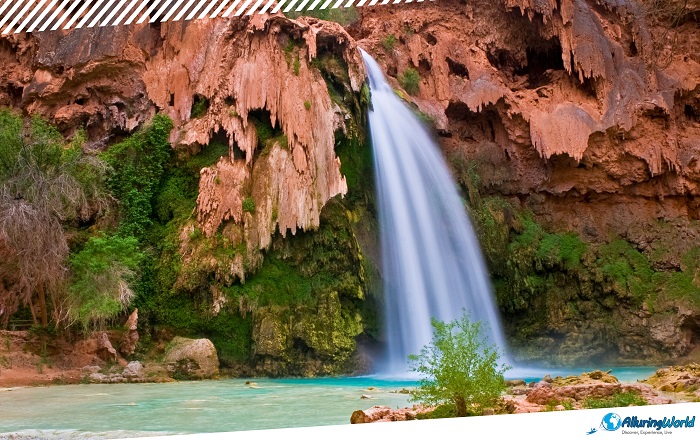
Furthermore, the area around Havasu Falls is rich in cultural and natural history, as the Havasupai people, who have lived in the Grand Canyon for centuries, consider the land sacred and continue to maintain a deep spiritual connection to the area. Visitors to Havasu Falls have the opportunity to learn about the tribe’s history, traditions, and way of life, gaining a deeper understanding of the cultural significance of the land.
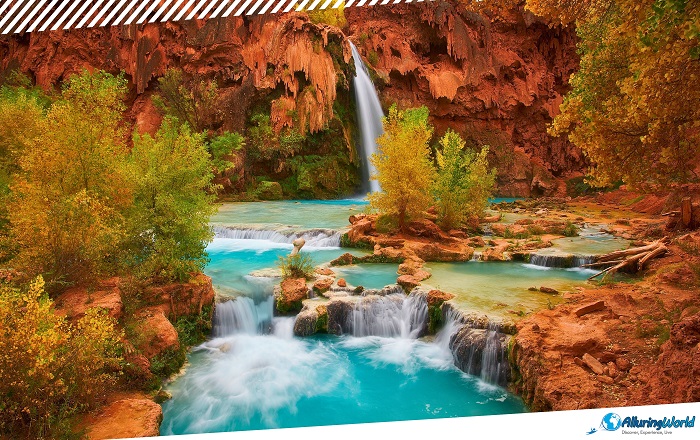
While Havasu Falls is a remarkable destination, it is crucial to understand and acknowledge the history of this amazing place, and every visit should always be done with respect and responsibility. The Havasupai Tribe works diligently to preserve the natural beauty and cultural integrity of the area, and visitors are expected to follow guidelines and regulations imposed by the tribe to minimize their impact. This includes, and is not limited to, packing out all trash, staying on designated trails, and respecting the privacy of the Havasupai community. The Havasupai people, whose name means “people of the blue-green waters,” have lived in the Grand Canyon area for over 800 years and consider Havasu Falls and the surrounding canyon very sacred.
In conclusion, Havasu Falls in Arizona is a true natural wonder, offering a unique and awe-inspiring experience for those willing to make the journey. The combination of stunning waterfalls, vibrant turquoise waters, and the rich cultural heritage of the Havasupai people make it a must-visit destination for adventurers and nature enthusiasts, and whether you’re drawn by the promise of adventure, the allure of the turquoise pools, or the opportunity to connect with nature, Havasu Falls is a place that leaves a lasting impression on all who visit.