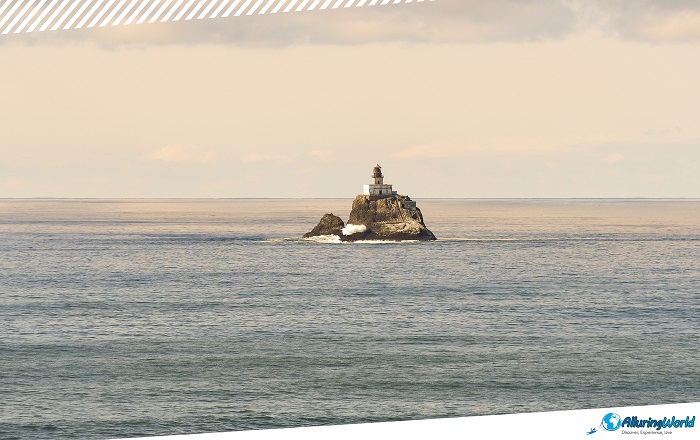
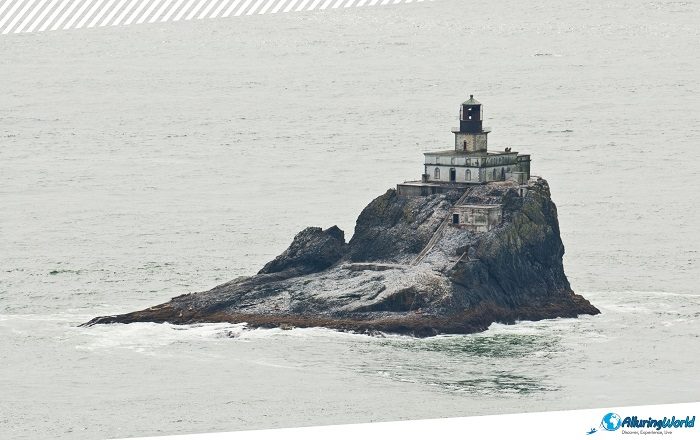
Tillamook Rock Light, often referred to as “Terrible Tilly,” is a legendary lighthouse that is located between the towns of Seaside and Cannon Beach, just off the coast of the State of Oregon, within the northwestern part of the United States of America. As the lighthouse is approximately 1.9 km (1.2 mi) offshore from Tillamook Head, this iconic lighthouse, perched atop a rugged basalt sea stack, stands as a testament to the challenges of maritime navigation in the Pacific Northwest, where treacherous waters and dense fog frequently made coastal travel perilous. Its remote and dramatic location, battered by high winds and enormous waves, has made it one of the most famous and storied lighthouses on the American West Coast.
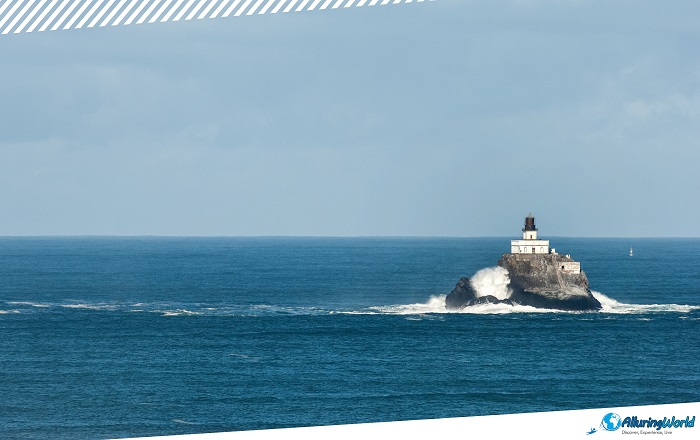
The construction of Tillamook Rock Light began in 1879 and was completed in 1881, where the building of the lighthouse was an extraordinary feat of engineering, given the perilous conditions surrounding its location. The initial site survey and construction were incredibly difficult due to the isolated rock formation and constant barrage of waves, so workers had to be ferried by boat to the rock, and construction materials had to be lifted by cranes. In fact, the first man to attempt to land on the rock was swept away and lost to the sea, setting the tone for the dangerous and challenging nature of the project.
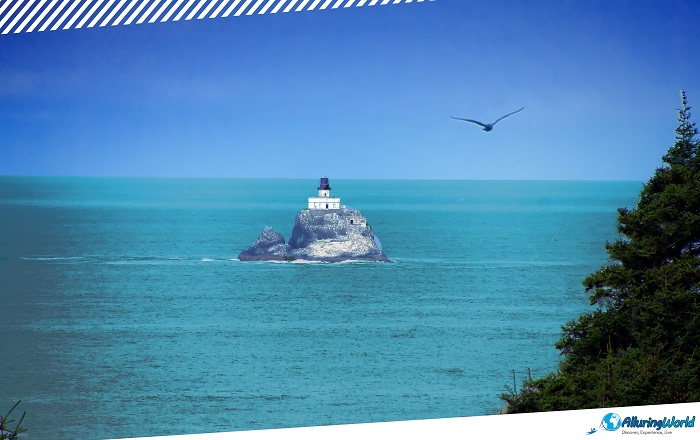
Despite these early setbacks, the construction proceeded under the guidance of the U.S. Army Corps of Engineers, and after more than a year of dangerous labor, the lighthouse was finally completed. The workers drilled deep into the basalt rock to create a foundation for the tower, which was built using durable sandstone and concrete to withstand the punishing environment, so the end product, the lighthouse tower stood 40 m (133 ft) above sea level, with a powerful Fresnel lens designed to cast a beacon of light visible for 29 km (18 mi), warning mariners of the nearby rocky coastline.
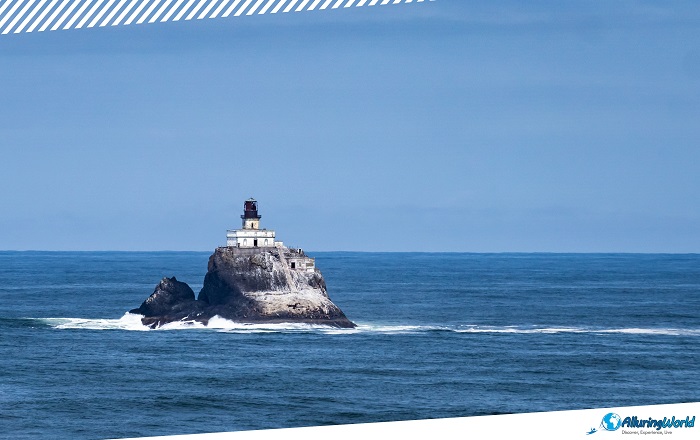
The primary reason for the construction of Tillamook Rock Light was to aid maritime navigation along the hazardous Oregon coast, where strong currents, frequent storms, and rocky shores made it one of the most dangerous shipping routes in the Pacific, so the lighthouse’s beam provided a crucial guide for vessels navigating these treacherous waters, helping to prevent shipwrecks and maritime disasters. It was especially important in the late 19th and early 20th centuries when commercial shipping and fishing were vital industries along the Oregon coast.
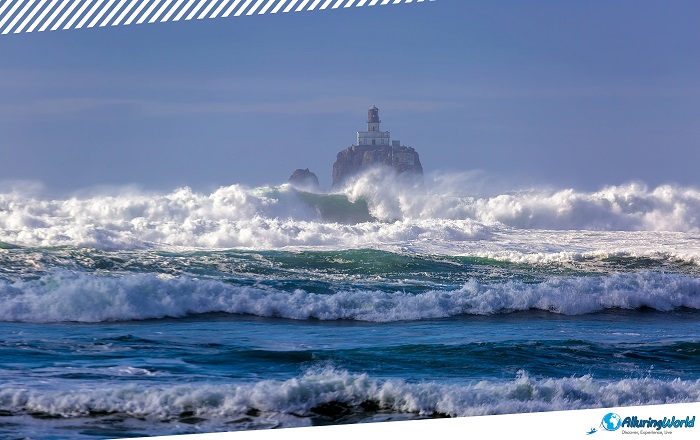
The lighthouse remained in operation for 77 years, enduring countless storms and near-disasters, but one of the most significant events in its history occurred in 1934, when a powerful storm struck the lighthouse, sending massive waves crashing over the structure and breaking windows; however, miraculously, the lighthouse continued to function.
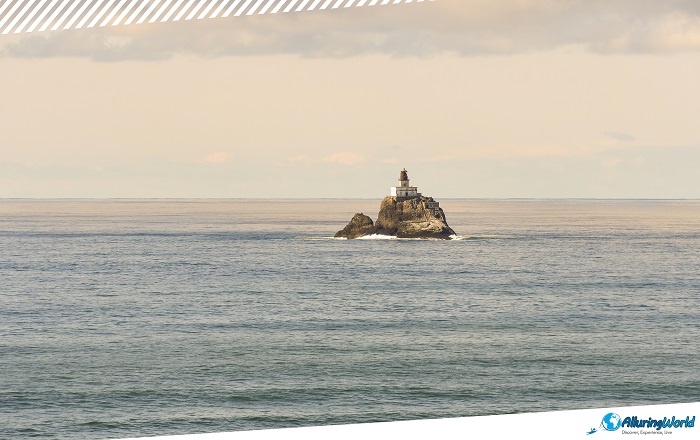
The resilience of the structure and its keepers through these harrowing events only added to its legendary status, and despite its nickname “Terrible Tilly,” which reflects the difficult conditions faced by the lighthouse keepers, it continued to serve as a vital aid to navigation until it was decommissioned in 1957 due to advances in navigational technology and the rise of automated systems.
ADVERTISEMENT
Today, Tillamook Rock Light no longer serves as an operational lighthouse, but it remains a significant historical landmark along the Oregon coast. The structure was added to the National Register of Historic Places in 1981, acknowledging its cultural and maritime importance, and although it is no longer a guiding beacon for ships, “Terrible Tilly” still captures the imagination of visitors and historians alike for its storied past and dramatic location.
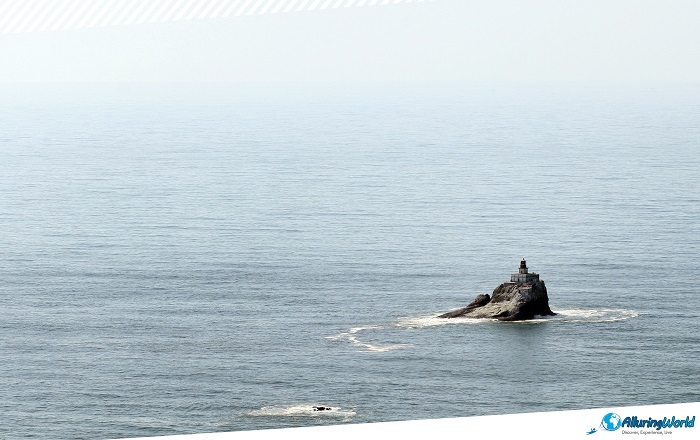
Despite its historical significance, Tillamook Rock Light is not open to the public, as the lighthouse is privately owned and sits on a rock that is difficult to access due to the treacherous waters surrounding it. The structure has also fallen into a state of disrepair since its decommissioning, with parts of the building damaged or eroded over time by the relentless ocean conditions, so attempts to preserve or restore the lighthouse have been limited, and its current state of preservation remains precarious. Moreover, the island on which it stands has been used as a columbarium, where urns containing ashes of the deceased were stored, adding another layer of intrigue to its legacy.
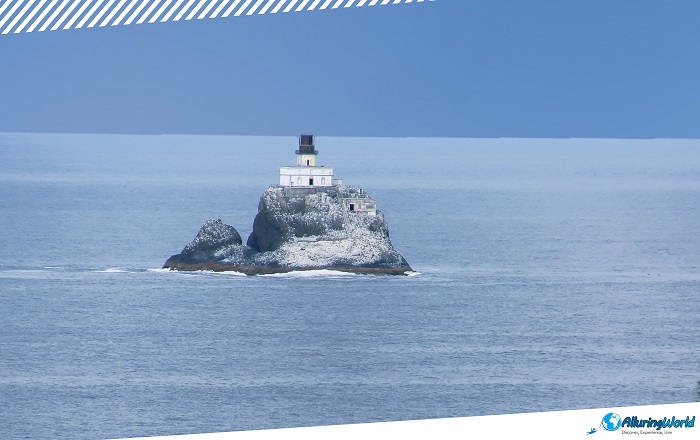
While the lighthouse cannot be visited up close, it can still be viewed from several vantage points along the Oregon coast. The best way to catch a glimpse of Tillamook Rock Light is from the scenic viewpoints at Ecola State Park, located just north of Cannon Beach, and from there, visitors can enjoy a breathtaking view of the lighthouse perched on its rocky outcrop amidst the powerful Pacific waves. The park offers hiking trails and picnic areas, making it an ideal place to take in the rugged beauty of the Oregon coast while marveling at the historic lighthouse in the distance.
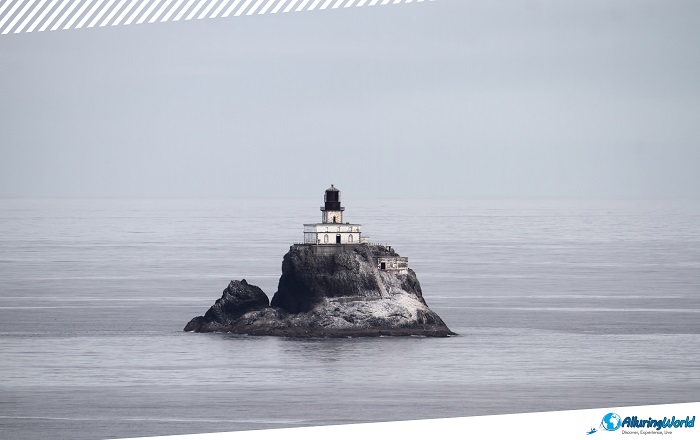
In conclusion, Tillamook Rock Light is a fascinating and enduring symbol of Oregon’s maritime history. Its dramatic location, challenging construction, and long service as a beacon for ships navigating dangerous waters have cemented its place in the lore of the Pacific Northwest, and though it may no longer be accessible to visitors or functioning as a lighthouse, “Terrible Tilly” continues to captivate the imagination and remains a haunting reminder of the bravery and determination of those who worked to keep ships safe along Oregon’s wild and unpredictable coast.