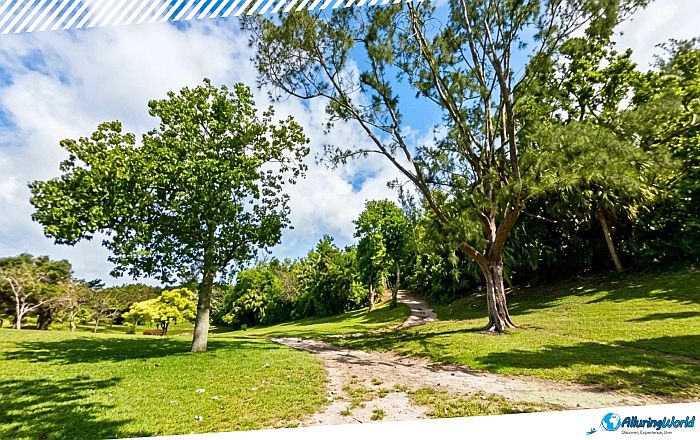
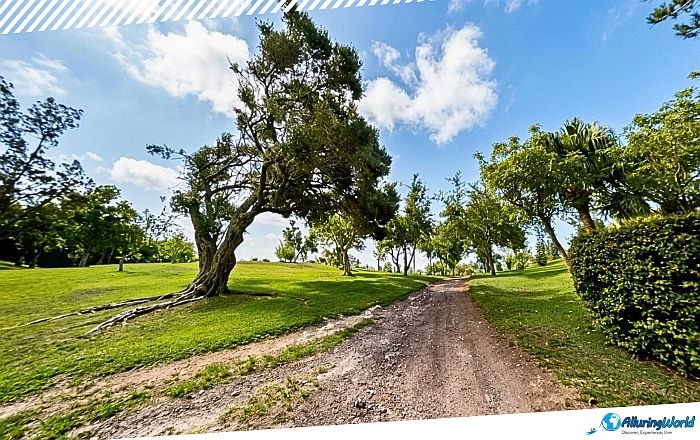
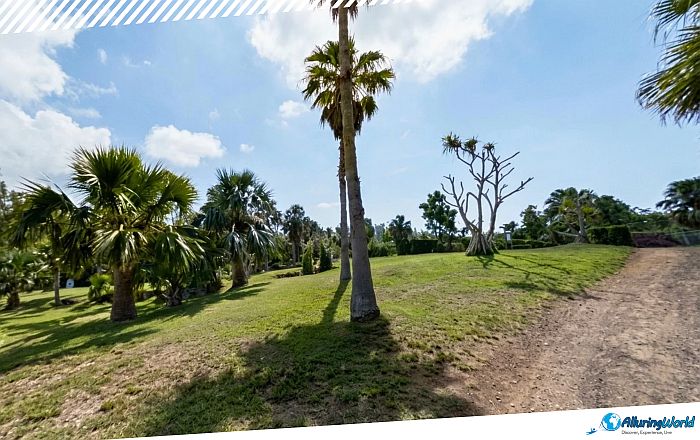
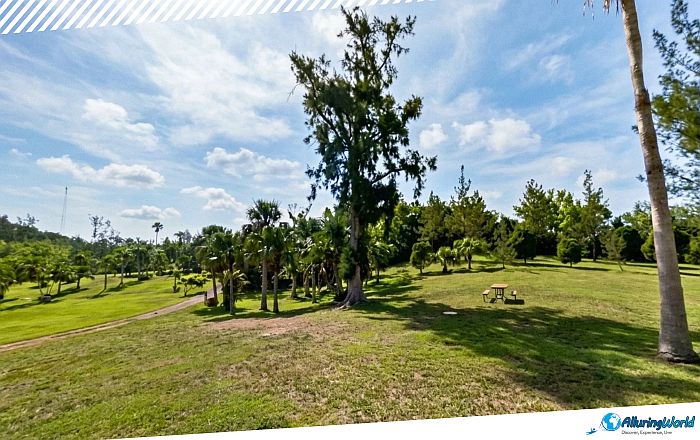
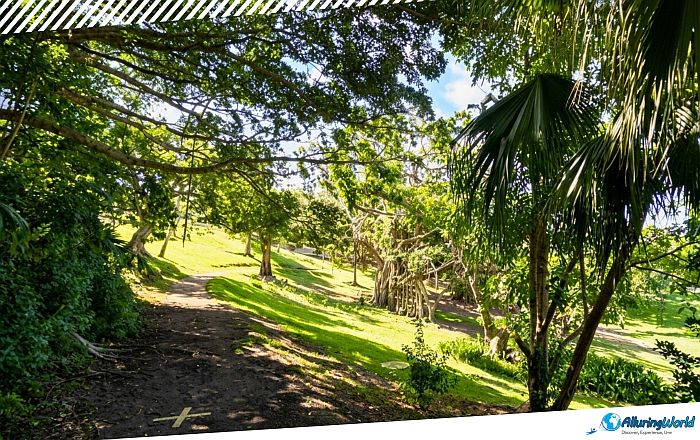
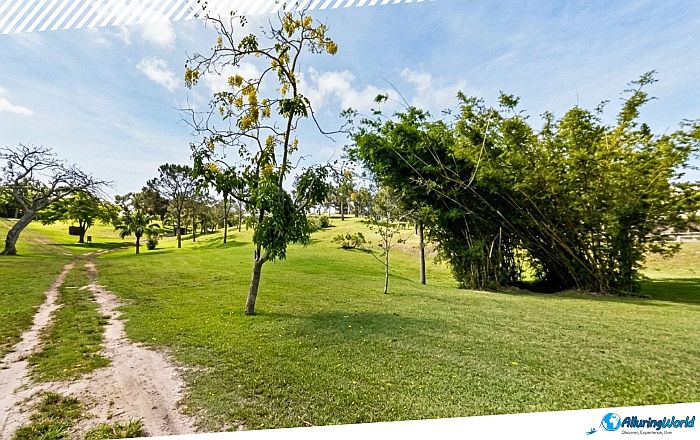
The Arboretum, sometimes referred to as the Bermuda Arboretum or Montpelier Park, is a public park located at the corner of Montpelier Road and Middle Road in Devonshire Parish, within the central part of the British Overseas Territory in the North Atlantic Ocean, Bermuda. Tucked into the rolling, residential heart of the parish, the Arboretum offers a quiet, shaded counterweight to the island’s famous pink-sand beaches and bustling coastal harbors. The park covers an area of roughly 8.9 hectares (22 acres) and consists of rolling hills with trees from different countries, open spaces with wildflowers, and areas of woodland. If you are looking to experience Bermuda’s interior landscape, then the Arboretum will provide you with an unhurried sanctuary where morning joggers, amateur botanists, picnicking families, and birdwatchers share the same winding trails.
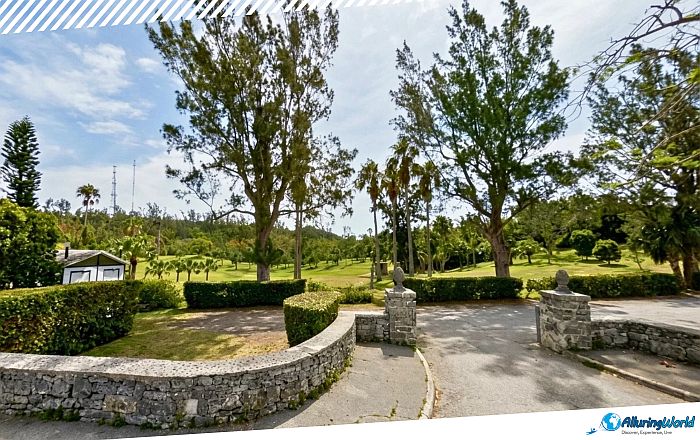
Unlike the neatly arranged flower gardens found at the Bermuda Botanical Gardens in Paget, the Arboretum emphasizes informal walks through the woods and open green spaces. There are no rigid hedges or ornate glass houses here, and instead you enjoy walking in the shade of both native and exotic trees, crossing ornamental water features through a cedar wood bridge, and resting under a quaint wooden gazebo. Run by the Bermuda Government’s Department of Parks, it combines both nature conservation and recreation for the community, offering one of the best free things to do in Bermuda. The Arboretum is located some 2.5 kilometers (1.5 miles) east of the capital city of Hamilton, and thanks to its central location inland, the Arboretum is conveniently accessible regardless of whether you stay in Hamilton, tour the central parishes, or travel through the east-west transit corridors.
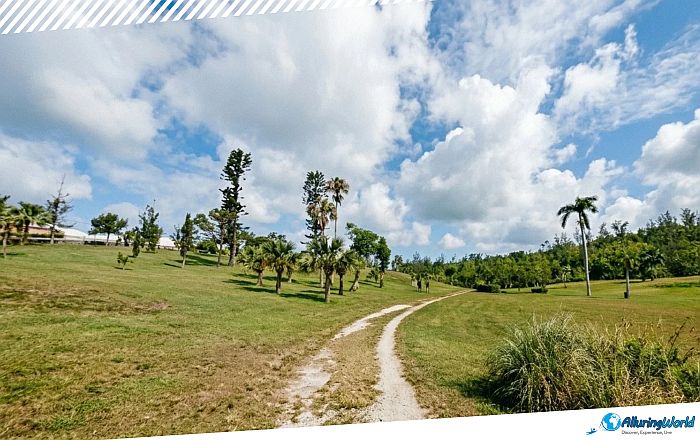
If you are using Bermuda’s public bus system, Route 3, which goes from Hamilton to the Town of St. George via Middle Road, will get you very close to the park boundary. Passengers need to disembark at the stop near the junction with Montpelier Road and then walk just 200 meters (656 feet) to reach the main entrance. People exploring the island by scooter, electric microcar, or pedal bike will need to travel east down Middle Road from Hamilton for around five to seven minutes. Parking is available near the perimeter entrances for two-wheeled vehicles and compact rentals. Remember that non-residents cannot rent conventional full-sized cars in Bermuda, so your options are limited to public transit, taxis, scooters, bicycles, or compact electric microcars. In general, the Arboretum’s position in Devonshire makes it easy to anchor an inland half-day tour program in Bermuda. The National Stadium and the Bermuda National Sports Centre are located right beside the north boundary of the park. On the other hand, the 14.5 hectares (36 acres) of Bermuda Botanical Gardens in Paget Parish are located about 2 kilometers (1.2 miles) southwest of the Arboretum.
Before runners traversed the lawns at the Arboretum, the land beneath it played a critical role in British imperialism. Throughout the 19th to early 20th centuries, Bermuda was a key military post for Britain within the western Atlantic, often dubbed the “Gibraltar of the West.” This park in Devonshire was just one piece of the large amount of land that was overseen by the British War Department and the British Army since it supported nearby barracks, rifle ranges, and military logistics across the central parishes. After the reduction in the troop numbers stationed by the British forces in the aftermath of World War II, the War Department handed over the land at Devonshire to the Bermuda Government in 1951. Instead of dividing the property into small parcels for construction of houses and commercial buildings, there was a realization that it was important to retain the green space intact at the center of the island.
The active development of the park started in the following years, and 1962 is considered the year when the park was officially founded and planted as a public arboretum. In cooperation with botanical organizations of other countries, the Department of Agriculture and Fisheries of Bermuda brought many saplings from other parts of the world in order to see how non-native species could acclimatize in the subtropical and limestone-soil conditions of Bermuda. Trees and shrubs were brought from places such as the Royal Botanic Gardens, Kew in London, Japan, New Guinea, and Canada. By interplanting these international arrivals among surviving native woodland, the government transformed former military land into a living botanical archive that remains open to the public today. The key aspect of the Arboretum is the variety of its arboreal canopy, which is a mixture of trees from five continents. You do not need any prior knowledge of botany in order to understand the variation of bark and bloom throughout the park when you’re moving from its well-lit spots to shady areas.
ADVERTISEMENT
The central focus of the garden is the Bermuda cedar tree (Juniperus bermudiana), which is the iconic endemic tree of the island. Before the mid-20th century, thick forests of cedars covered the hilly parts of Bermuda, serving as sources of timber for shipbuilding and architecture. A devastating scale-insect blight in the 1940s led to the death of nearly 95 percent of the cedar population, thus making the conservation of the remaining population of the tree in places such as the Arboretum critical. Among other trees in the garden are the beautiful golden acacias, rubber trees (Ficus elastica), ebony, and avocado trees. While you are already at the park, you should be aware of the following:
- Native & Endemic Highlights: Seek out groves of Bermuda cedar growing amid endemic Bermuda palmettos (Sabal bermudana), which form Bermuda’s only native palm species with large fan-shaped fronds and robust trunks.
- Global Introductions: Compare local plants to Chinese fan palms, fragrant cherry forests, and coniferous or subtropical hardwood trees donated by Kew Gardens and the Pacific Rim region.
- Open Meadows: Between the wooded copses, rolling wildflower meadows and open lawns allow sunlight to reach the forest floor, creating natural visual corridors across the valley.
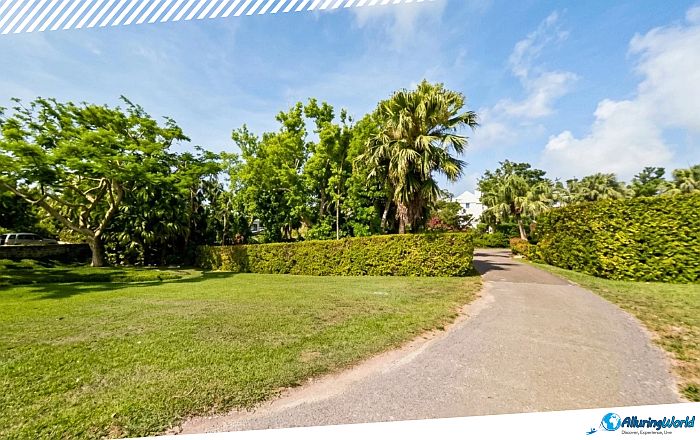
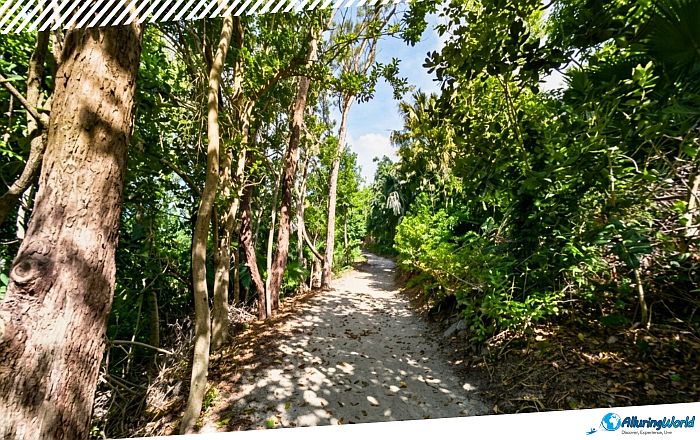
Compared to the natural beauty of the rugged coast with nature reserves like Spittal Pond and Ferry Reach, the Arboretum offers well-trodden, gently sloping walkways suitable for walking, trail running, and family walks. A path around the whole park covers about 1.6 km (1 mile); however, there is also the possibility of extending or reducing your walk by choosing an appropriate point from the paths that criss-cross each other, if you feel energized. Mainly, the trails are made of earth, grass, and crushed limestone, thus giving an authentic feeling to each visitor. If you are physically active, the fitness path (parcourse) within the park stands out as one of the unique facilities for you. There are about 20 wooden and metal stations located at intervals along the main walking circuit that include a pull-up bar, balance beam, sit-up station, and hurdle step. The stations enable you to exercise through running and strength training while breathing fresh air.
For those taking their time, there will be lots of places for quiet architectural and landscape focal points. Closer to the pools, there is an ornamental bridge made of Bermuda cedar that has a nice scent and spans over some water features with palms and water plants. Another focal point is the wooden gazebo, which can protect people from sudden rain or sun in the area, while many picnic tables and open areas are available for people to enjoy an outdoor lunch. Due to the Arboretum’s dense canopy coverage, fruit-bearing trees, water bodies, and clear areas where birds can forage in grasses, the park functions as an essential wildlife corridor in one of Bermuda’s most populated parishes. Those who visit at daybreak will witness the birds at their most active before the sun climbs high in the sky.
Among the most sought-after sightings is the Eastern bluebird (Sialia sialis), locally cherished as the Bermuda bluebird. As it was threatened with extinction in the past, the bluebirds nowadays thrive in the Arboretum’s open meadows, where they swoop down from low branches to catch insects in the grass; conservationists maintain wooden nest boxes around the park perimeter to support their breeding pairs. You are also almost guaranteed to spot the bright crimson flash of the Northern cardinal (known locally as the Bermuda cardinal), the bold yellow-bellied great kiskadee (introduced from Trinidad in 1957 to control lizard populations), and the white-eyed vireo (Vireo griseus bermudianus), an endemic subspecies locally called the “chick-of-the-village” for its cheerful, chattering call.
It is quite easy to decide when you should visit the Arboretum, though it is necessary to take into consideration some rules and facts about seasons. There is no entrance fee, though remember that the park is open from dawn till dusk, which means from about 06:30 to 20:00 during the summer season and 07:15 to 17:15 during the winter season. The best time to visit the park is from 07:30 to 10:00, as this is the period when the light filters softly through the canopy and birdlife is most active, or after 16:00 as temperatures cool. In addition to this, to enhance your experience further, consider:
- Footwear & Hydration: It is advisable to wear comfortable walking shoes or trainers instead of shoes with smooth soles, as the grass track can get slippery when morning dew falls on it, and there are times when you will encounter tree roots along the unpaved trail. You should carry a minimum of 0.5 liters (17 fluid ounces) of water per person, as there are no cafes or vending machines on the park grounds.
- Picnic & Park Rules: Casual picnics on the lawns or at wooden tables are gladly welcomed, although the Bermuda Department of Parks does not allow any open flame, barbecue, campfire, or bonfire on any part of the park.
- Special Events: Individuals or families may tour without applying for special permission; however, if you are planning an organized event such as a fitness class or community event, you will be required to obtain special-event permits from the Department of Parks at least 14 days in advance.
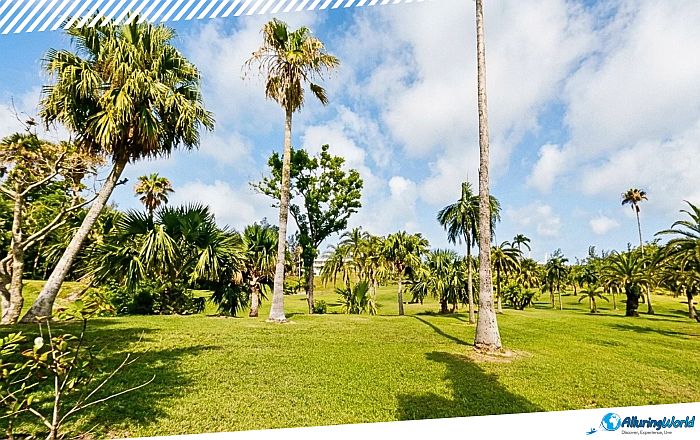
Whether testing yourself at one of the 20 fitness stations, exploring the boundaries of the meadow for signs of the local Bermuda bluebird, or relaxing under mature cedars and global palms, the Arboretum will show you a side of island life that is both quieter and greener. Just moments from the hustle and bustle of Hamilton’s harbor front, this amazing park, filled with woodlands and meadows, provides enduring evidence of Bermuda’s horticultural past and present.