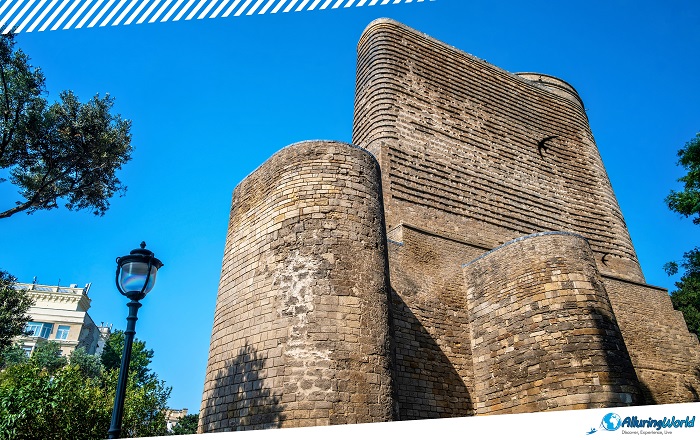
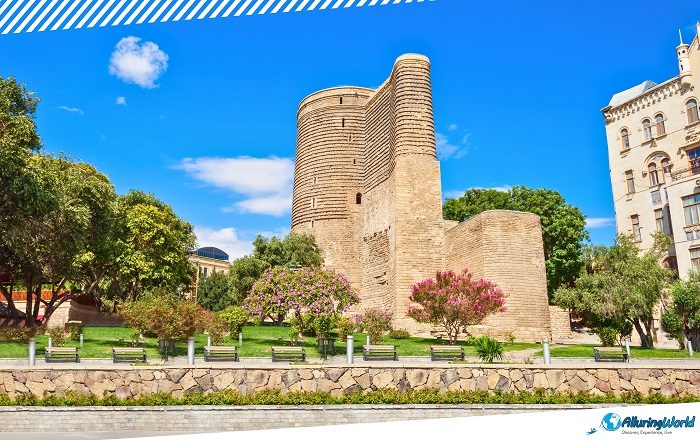
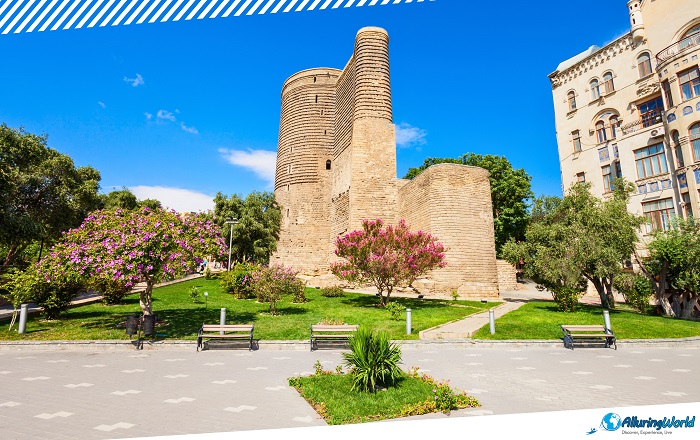
The Maiden Tower, locally referred to as Qiz Qalasi, is a historic landmark that is a very much-loved symbol located in the old historic center of the city of Baku, the capital of the Republic of Azerbaijan. This historic structure looks dark and enigmatic, as it is looking out to sea from the southern edge of Baku’s old, walled city, locally referred to as the Icherisheher. This ancient structure, today, serves as a silent witness to the city’s transformation from a medieval fortress to a modern metropolis.
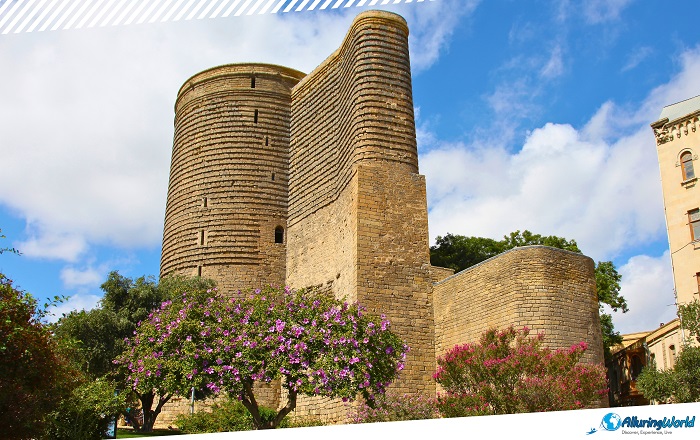
Together with the Shirvanshahs’ Palace, dated to the 15th century, it forms an ensemble of historic monuments inscribed in 2001 under the UNESCO World Heritage List of Historical Monuments as cultural property, Category III. Baku’s Maiden Tower, being one of Azerbaijan’s most distinctive national emblems, is even featured on the Azeri currency notes and official letterheads, further representing the enduring spirit and heritage of the Azerbaijani people.
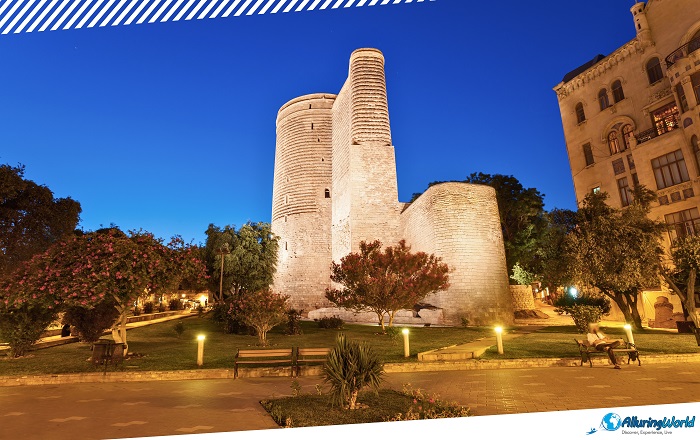
The Maiden Tower houses a museum, which presents the story of the historic evolution of Baku city through a series of immersive exhibits and archaeological artifacts. If you are visiting this amazing city in the Caucasus, then you must explore the layers of history within its walls before climbing to the top. The view from the roof takes in the winding alleys and minarets of the Old City, the sprawling Baku Boulevard, the historic De Gaulle house, and a wide vista of the Baku Bay. In recent years, the brazier on the top has been lit during the nights of the Nowruz festival, acting as a beacon of celebration for the spring equinox.
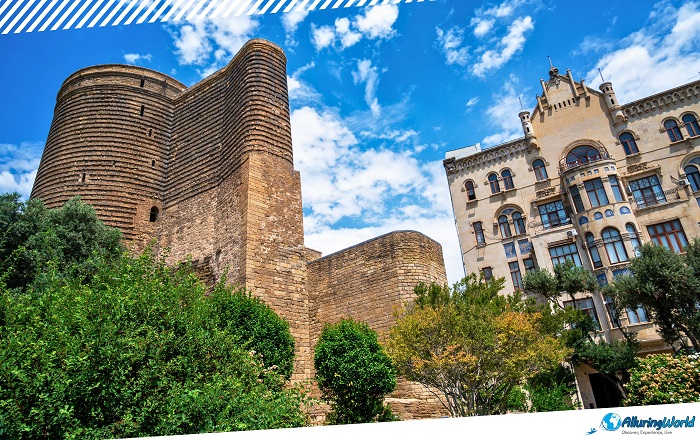
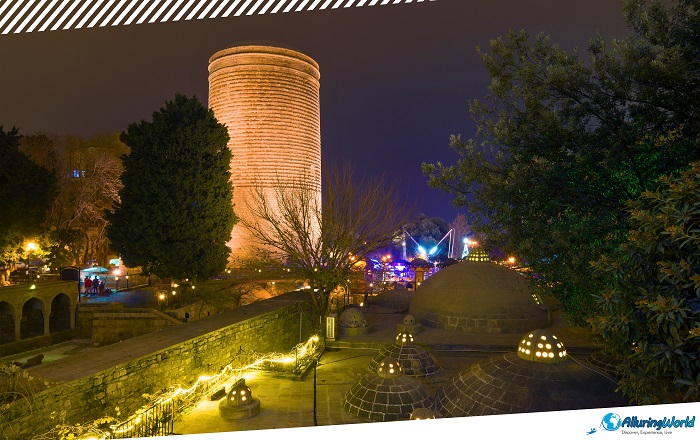
As of 2011, the tower also participates in “Earth Hour,” a global campaign against climate change in which large buildings “go dark” for an hour to draw awareness to the cause. Seen from an architectural perspective, the Maiden Tower is built on a solid rock foundation and represents a unique fusion of Arabic, Persian, and Ottoman influences. Interestingly, it was constructed alongside a natural oil well, thus accenting the region’s ancient ties to “black gold,” and Azerbaijan’s chance to gain economic benefits.
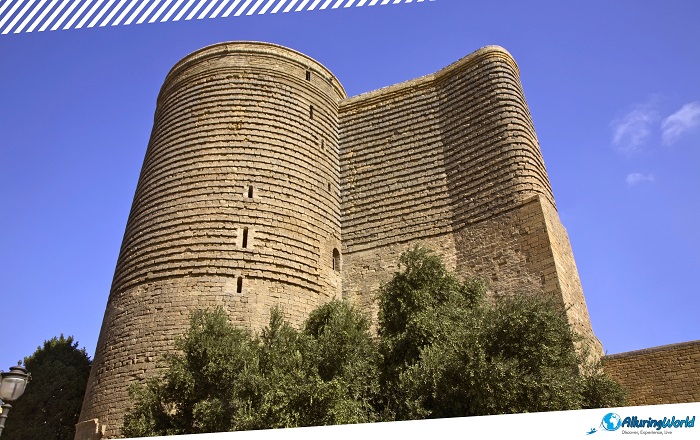
Baku’s Maiden Tower is a cylindrical structure that features eight stories, and it rises to a height of 29.5 m (97 ft) with a base diameter of 16.5 m (54 ft). While historians continue to debate its exact origins and cannot agree on the right year of construction, the upper part of the Maiden Tower is widely attributed to the 12th-century architect Masud ibn Davud, though its lower foundations are believed by many to date back significantly earlier to the pre-Islamic era.
ADVERTISEMENT
The internal space that is available in the Maiden Tower is said to be adequate to accommodate 200 people, since it is spread across its various levels. There is a long, solid projection to the main tower, which faces east, and it is oriented towards sunrise, pointing to the equinoxes. This specific alignment has led scholars to the conclusion that it was built as an astronomical tower or perhaps as a Zoroastrian fire temple, although there is no clear source that can confirm this. While the buttress faces east, the door access to the tower faces southeast, maximizing the use of natural light and celestial positioning.
There is a legend that the locals tell all the time, and it has also been a subject of many poems and plays. The legendary tale involves a king willing to force his daughter to marry a man she doesn’t love, and she seeks a way to escape everything. She escapes this fate by asking her father to first build a tower for her, as this would be a great honor. When Baku’s Maiden Tower was finished, she climbed to the top and committed a suicide by jumping, choosing freedom over a forced union. This narrative is also the subject of many Azerbaijani poems and plays, making it a solidified place in the romantic and tragic folklore of the nation.
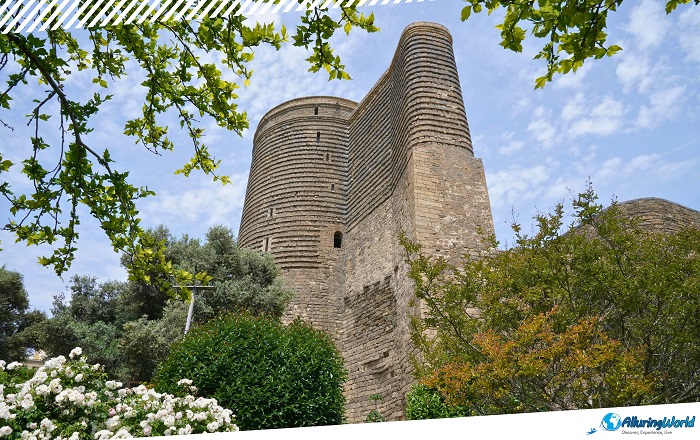
In conclusion, Baku’s Maiden Tower stands today as more than just a stone monument. This is among the most important monuments of the city that serves as the heartbeat of Baku’s historical identity and a bridge between its ancient roots and modern aspirations. By blending architectural mystery with legendary storytelling, it continues to draw visitors from around the globe who seek to experience the deep cultural heritage of Azerbaijan.
If you are visiting Baku, this is a must-see attraction that you should not miss, and whether you are viewing it as an ancient observatory, a defensive fortification, or a symbol of tragic love, the tower shall continue to be an essential centerpiece of Baku’s Old Town. To sum it all up, its presence simply ensures that the stories of the past remain a living part of the city’s future.