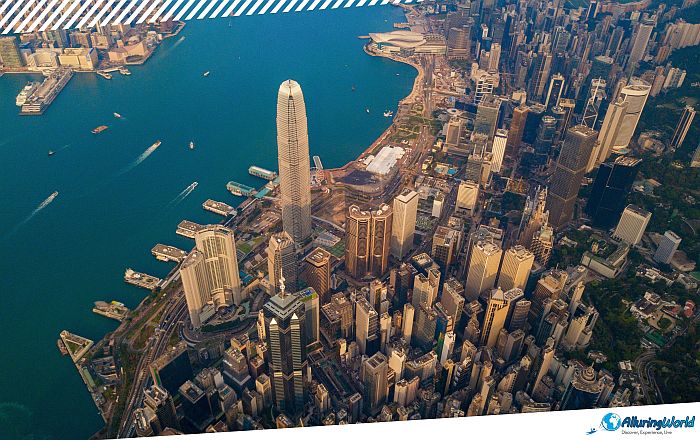
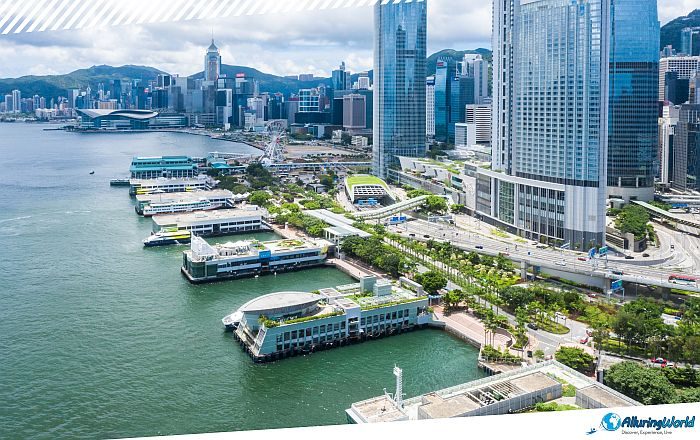
The Central Piers are a cluster of ten numbered waterfront piers standing at the northeast part of the Central District, on the northwestern part of the edge of Hong Kong Island, within the southern part of the Special Administrative Region of the People’s Republic of China, Hong Kong. Being a place where polished steel towers meet the gentle swell of Victoria Harbour, the Central Piers represent the beating heart of the city’s marine heritage that has seen quite a history in this small place. While most international financial centers rely almost entirely on subterranean railways and multi-lane highways, Hong Kong continues to embrace the water and transport its citizens and travelers over water. The Central Piers serve as a dynamic gateway linking the financial district with quiet fishing villages, remote island sanctuaries, and the waters of the South China Sea.
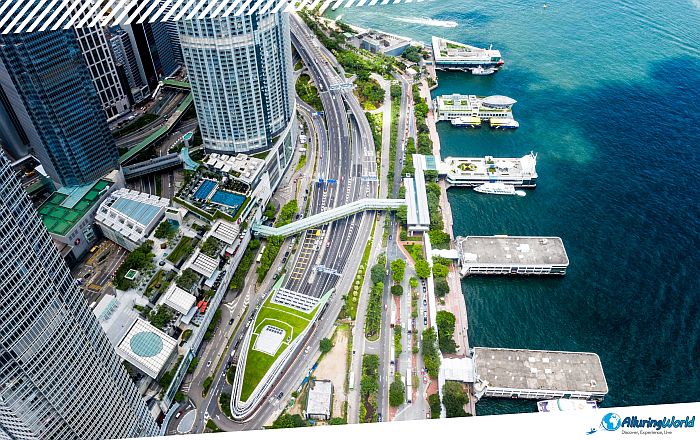
Visitors and locals can benefit from this by experiencing firsthand the daily life of Victoria Harbour through these piers. If you are taking a walk on these wooden boards and enjoying the sea air, it is quintessential to the Hong Kong experience, but it is something you have to witness for yourself. Regardless of whether you will embark on a nostalgic voyage on a classic two-story ferry across the harbor or you will hop to an island on your way to explore Hong Kong, learning about Central Pier is crucial.
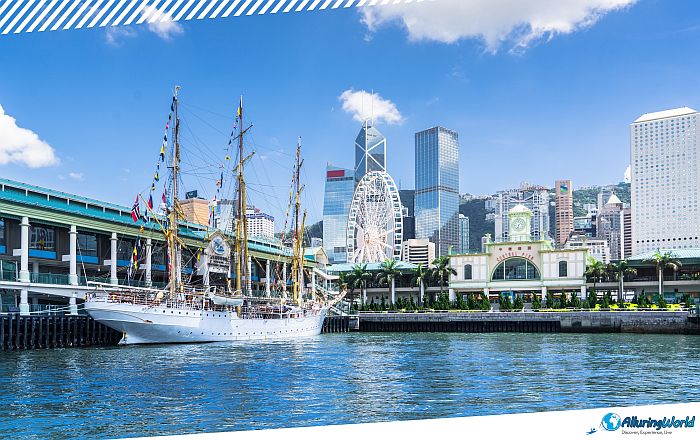
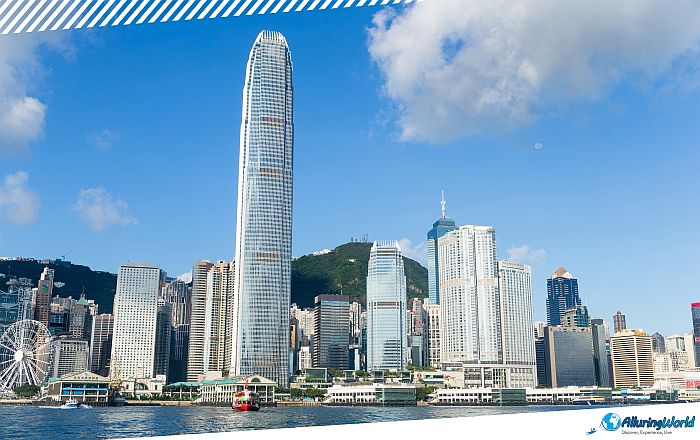
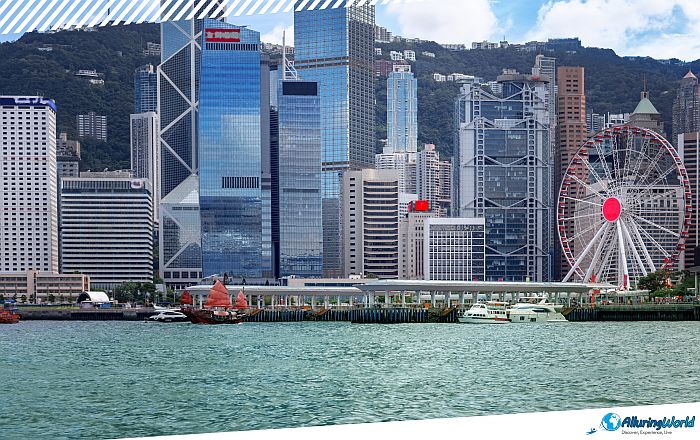
Lying within one of the prime locations of the Central Harbourfront of Hong Kong Island, these Central Piers are a part of the transportation system of Hong Kong Island that lies right in front of the famous International Finance Centre (IFC), which is beside the Observation Wheel. Nevertheless, getting to the piers is easy because of the entire transport system in Hong Kong. There is an overhead enclosed footbridge linking the piers straight to Central MTR Station (Exit A & A2) and Hong Kong Station (Exits E1 & F), thus making it easy to navigate and get to your designated destinations.
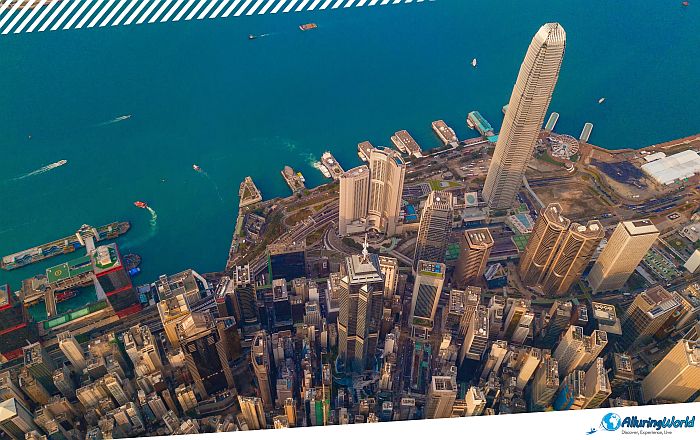
Passengers will be able to travel from train stations directly to the shore through a 5-minute to 10-minute walk without walking on any roads. The Central Piers are located in the vicinity of other transportation hubs, such as:
- Central & Hong Kong MTR Stations: Found around 500 to 800 meters (1,640 to 2,624 feet) away via covered elevated walkways.
- Victoria Peak Tram Lower Terminus: Situated roughly 1.5 kilometers (0.9 miles) to the south of the piers.
- Hong Kong International Airport: Positioned 38 kilometers (24 miles) away, directly accessible via the Airport Express train arriving at adjacent Hong Kong Station.
The history of Hong Kong is basically the history of movement by sea. It was long before the building of the Cross-Harbour Tunnel in 1972 or the development of the Mass Transit Railway (MTR) system in the late 1970s that boats provided the only means of transportation between Hong Kong Island and the Kowloon Peninsula and nearby islands. People had no other choice but to take a boat to get to the other parts of the region.
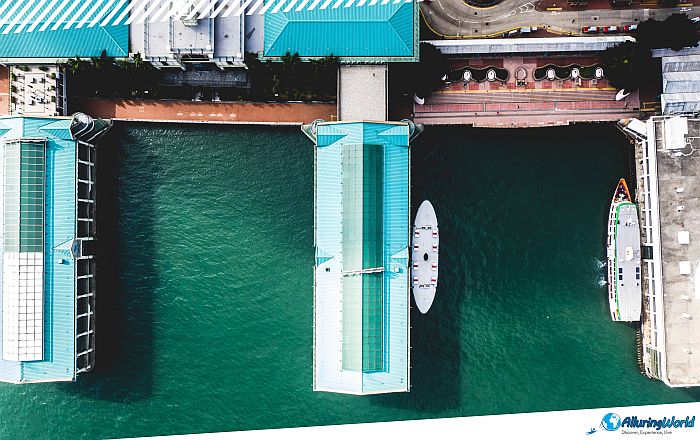
During the mid-19th century, trade around the harbor was thriving due to its feature being a natural deep-water harbor. The wooden sampans, row boats, and early steam launches carried traders, goods, and passengers through the bustling water passage. Over time, and with the increase in the population in Hong Kong, the population was led to use the ferry services, which were being structured to cope with the influx of commuters on a daily basis. It is through such humble wooden boats that Hong Kong grew into an international business center. The Central Piers today continue to carry on an uninterrupted tradition of maritime service for Hong Kong. While the shoreline has changed greatly within the last hundred years through the process of land reclamation, the essence of standing by the water, listening to the sounds of ships, and heading out to sea remains unchanged. Built between 1995 and 2006 as part of the massive Central Reclamation project, the current piers were constructed on newly filled land pushed roughly 300 meters (984 feet) into Victoria Harbour to make way for Hong Kong Station and the Airport Express railway. Designed as a series of modern finger piers linked by elevated pedestrian walkways, the complex replaced older mid-century terminals, opening its outlying island piers in May 1995 and concluding with the 4th-generation Star Ferry Pier (Pier 7) in November 2006.
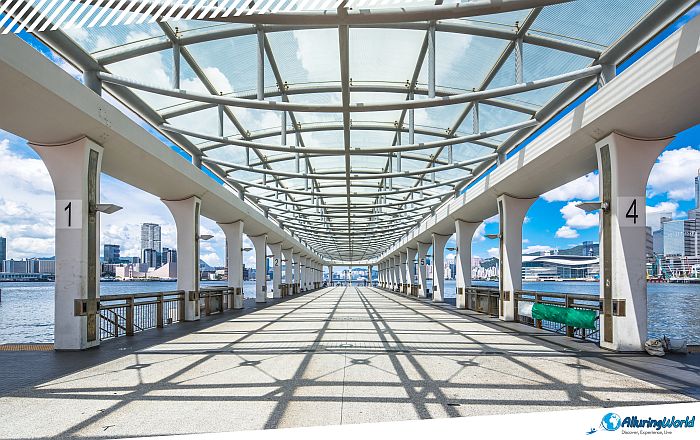
Following a logical sequence from west to east along the waterside, each of the piers is numbered accordingly. Each pier caters to certain routes or services, and knowledge of such an arrangement is important for a hassle-free trip to the other side of the harbor or the islands. All ten piers are organized in the following format:
- Pier 1: Government and Official Operations: Pier 1 is restricted solely for use by the government, maritime police, and visiting official ships. Though not open to the general public, its striking architectural design is the endpoint of the main pier area on the western side.
- Piers 2 through 6: The Outlying Islands Gateways: These active passenger terminals link the urban area to the tranquil scenery of the Hong Kong Outlying Islands. Pier 2 offers service to Park Island of Ma Wan. Pier 3 connects Discovery Bay on Lantau Island through catamarans that operate at high speeds. Pier 4 connects Lamma Island through two routes, which include Sok Kwu Wan and Yung Shue Wan. Pier 5 connects Cheung Chau by offering ferry services in normal and fast ferries. Pier 6 connects Central to Peng Chau and Mui Wo on Lantau Island.
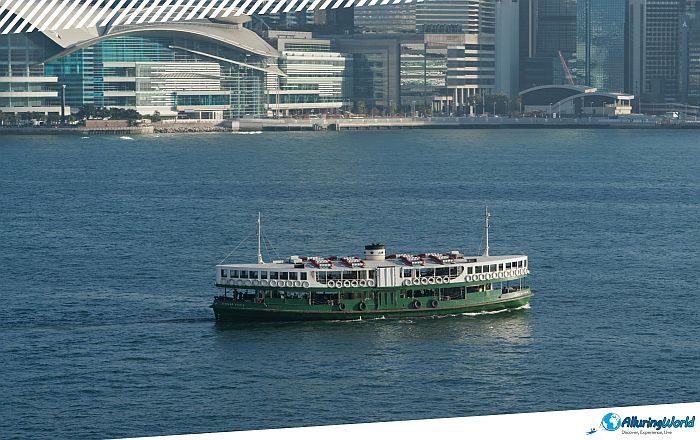
- Pier 7: The Historic Star Ferry Pier: Dedicated to the Star Ferry service traveling to Tsim Sha Tsui in Kowloon, Pier 7 is the most iconic terminal of the entire complex. Characterized by its retro design elements reminiscent of the early 20th century, Pier 7 has green-and-white decor, double-deck boarding platforms, and harbor view terraces.
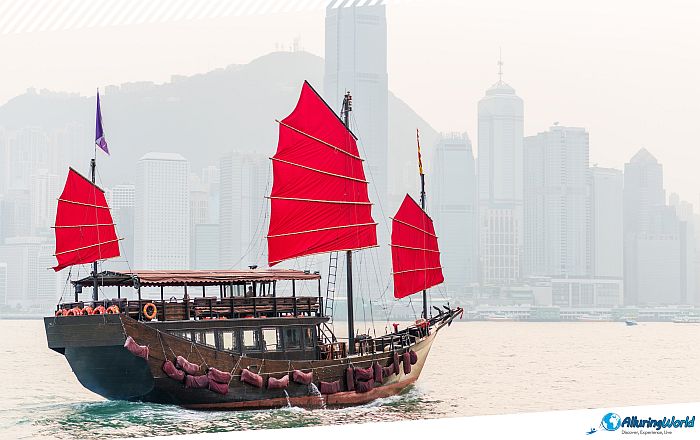
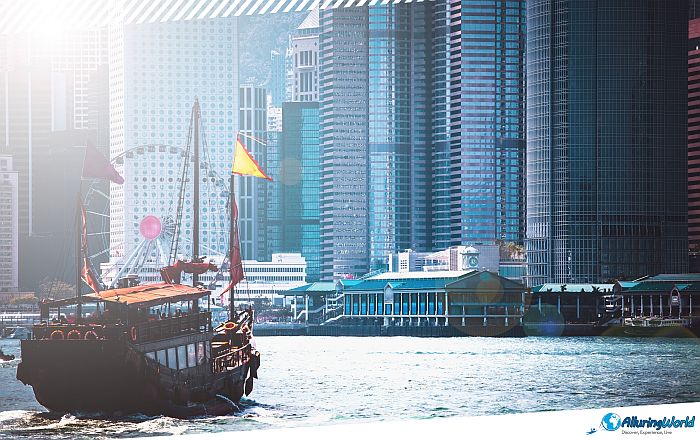
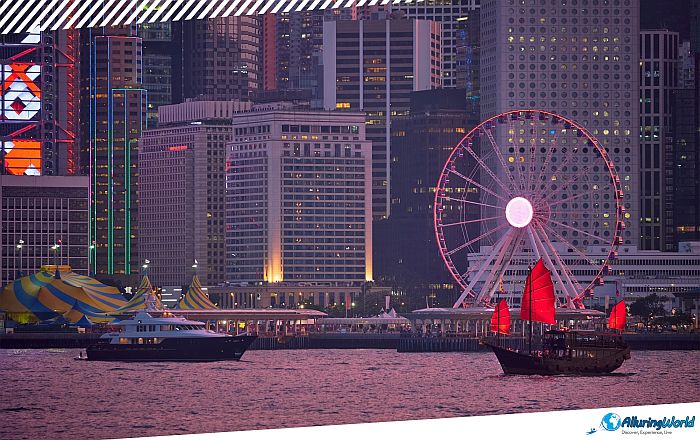
- Piers 8, 9, and 10: Special Services and Public Piers: Pier 8 houses the Hong Kong Maritime Museum alongside berth spaces used for commercial events and specialty ferry charters. Piers 9 and 10 are open public landing steps used extensively by private yachts, tour boats, government launches, and specialized harbor cruises such as traditional red-sailed junks.
ADVERTISEMENT
A visit to Hong Kong is never complete without taking the Star Ferry from Central Pier 7 to Tsim Sha Tsui. In operation since 1888, the Star Ferry has been one of the most renowned and budget-friendly urban transport systems in the world. The short eight-to-ten-minute journey offers sweeping views of Victoria Harbour, and as the vessel pulls away from the pier, you will be treated to a panoramic display of architectural icons, including the International Finance Centre, Bank of China Tower, and the HSBC Building, all set against the green backdrop of Victoria Peak. On the return trip, the skyline of Kowloon rises to meet you.
While modern underground MTR trains cross beneath the harbor in under three minutes, millions of passengers still choose the Star Ferry each year for its relaxing open-air breeze, nostalgic atmosphere, and great value. This is why you should consider:
- Choosing the upper deck during daytime crossings for superior lighting, open windows, and clear photography angles.
- Time your evening crossing for 19:45 to watch the nightly A Symphony of Lights laser show illuminate the skyscrapers right from the middle of the harbor.
Overall, you should know by now that the Central Piers serve as the launching pad for discovering a completely different side of Hong Kong; one characterized by traffic-free fishing villages, sandy beaches, coastal hiking trails, and fresh seafood restaurants. As you travel from Pier 4 to Lamma Island, you will find that the island is famous for its diverse population, leisurely pace of life, and car-free way of living. Tourists landing at Yung Shue Wan can walk through the narrow streets of the village with their artisanal stores, independent coffee shops, and green boutiques. There is an interesting 3-kilometer (1.8 miles) pathway that links Yung Shue Wan to Sok Kwu Wan, thus allowing visitors like you to walk past windmills and bays and reach a line of open-air seafood restaurants.
On the other hand, when you go to Cheung Chau via Pier 5, you will discover a vibrant island that is steeped in maritime traditions. Famous for hosting the annual Cheung Chau Bun Festival every spring, the island features narrow alleyways packed with traditional snack vendors selling giant curry fish balls and mango mochi. Visitors can rent bicycles, explore historic temples like the Pak Tai Temple built in 1783, or relax on Kwun Yam Beach. Lastly, when starting your ferry journey from Pier 6 to Peng Chau & Lantau Island, you will be offered a tranquil escape that focuses on local heritage, artisan ceramic studios, and peaceful seaside walks around Finger Hill. Meanwhile, ferries bound for Mui Wo on Lantau Island land you at the starting point of the famous Lantau Trail, thus providing a direct access to silver-sand beaches, mountain ridge hikes, and overland bus connections to the Tian Tan Buddha.
The area surrounding the Central Piers has been transformed into a public precinct which is packed with cultural and recreational highlights, and other highlights that you can see around the Central Piers are:
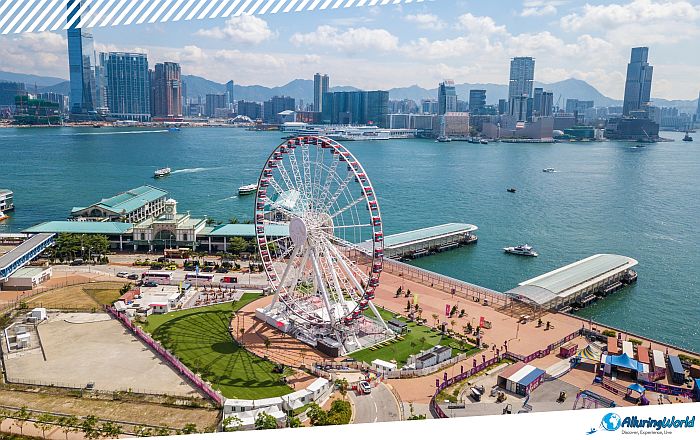
- Hong Kong Observation Wheel: Located directly outside Piers 9 and 10, this Ferris wheel is 60 meters (197 feet) in height, and it offers climate-controlled gondolas with panoramic views across Victoria Harbour.
- Hong Kong Maritime Museum (Pier 8): Incredible museum showcasing the maritime history of the area, complete with models of old ships, navigational tools, and interactive exhibits on modern-day shipping.
- Central Harbourfront Event Space: A sprawling outdoor venue hosting international cultural events, music festivals, food fairs, and outdoor cinema screenings throughout the year.
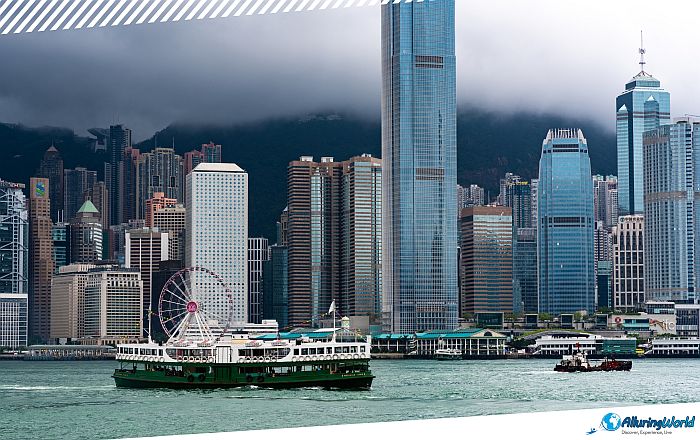
The Central Waterfront provides one of the premier photography locations in Asia and is one of the most recognizable ones. The dynamic interaction of ships, water reflections, glass skyscrapers, and dramatic weather patterns offers creative opportunities for photographers of all skill levels. The dry and pleasant climate with low humidity and very clear air from autumn to early spring, running between October and March, creates photo opportunities of the harbor skyline against clear skies. In the late afternoon, especially at sunset, some time between 17:30 and 19:00, you will see the golden light in the harbor, which is the perfect time to photograph the old ferries sailing in the harbor. When it gets dark, the city skyline becomes lit up, and walking around the public boardwalks outside of Piers 9 and 10 is one of the more popular activities.
When you are navigating the Central Piers, it can be quite straightforward, but keeping a few practical tips in mind will ensure that your experience will be seamless. An Octopus Card is the single most important tool for navigating the piers because this contactless stored-value card is accepted across all public ferry routes, therefore enabling quick tap-and-go entry without waiting in cash ticket lines, which will save you time. Contactless credit cards and mobile payment systems are also widely accepted at most turnstiles. Boarding areas are clearly marked with destination signs written in English and Traditional Chinese. Standard and fast ferry options are available for destination islands like Cheung Chau and Lantau; fast ferries cut travel times nearly in half for a slightly higher fare. Weekend departures, especially on clear summer days, attract large crowds of local hikers and day-trippers, so arriving 15 to 20 minutes prior to scheduled departure times is recommended.
To conclude, the Central Piers are not merely a bunch of ferry piers along the famous Victoria Harbour. They are symbolic of the eternal soul of Hong Kong; a city that is at the forefront of modern architecture and finance but which is firmly rooted in its seafaring heritage. Whether through the nostalgic journey of the Star Ferry or through the relaxing boat trip to the remote fishing villages, these piers offer an insight into the local culture that one cannot obtain by taking a subway ride. Visiting the Central Waterfront during the day or at night is something you should never miss when visiting this harbor city.