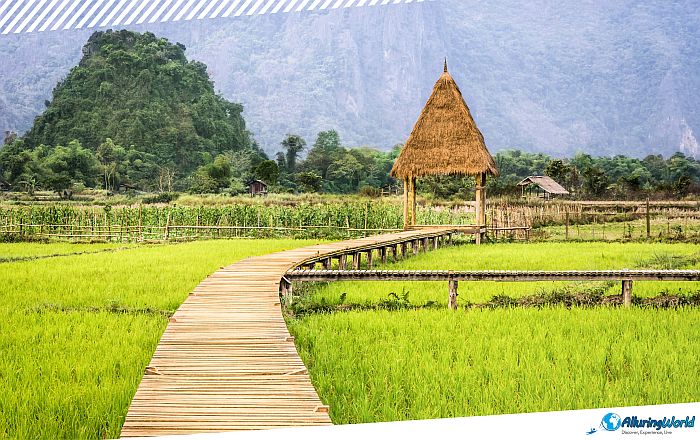
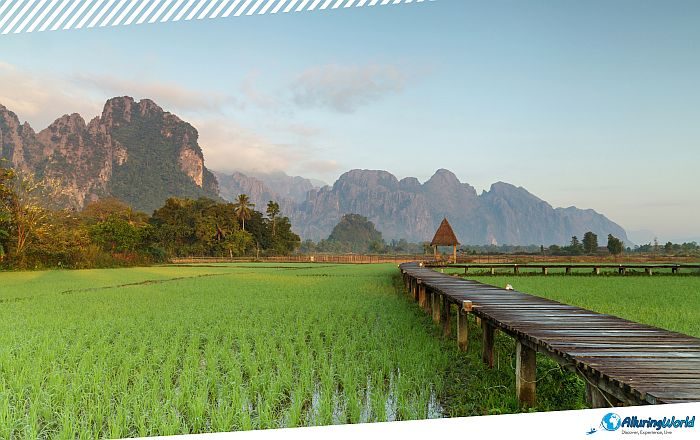
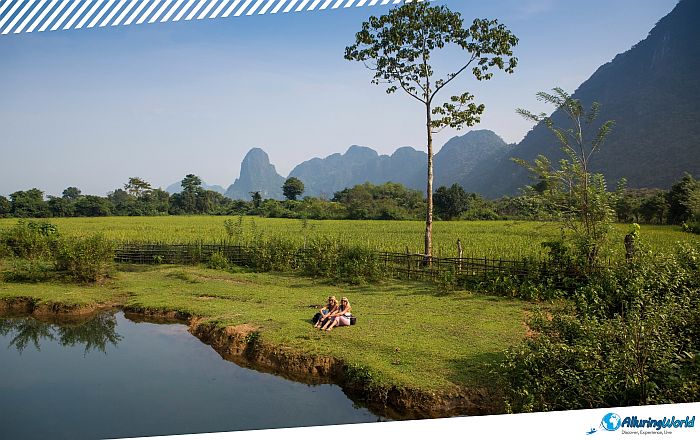
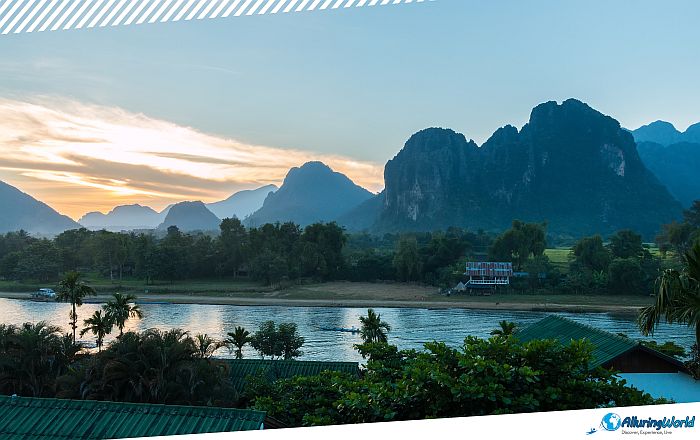
Vang Vieng is a small yet very remarkable village that is located in the Vientiane Province, more precisely in the northern part of the city of Vientiane, within the central part of the Lao People’s Democratic Republic. Placed neatly on the banks of the amazing Nam Song River and surrounded by dramatic karst limestone mountains, rice paddies, and lush forests, it has become one of the most recognizable destinations in the country. Though today it is best known as a hub for tourism, Vang Vieng also carries cultural, historic, and economic importance that has shaped its growth over time.
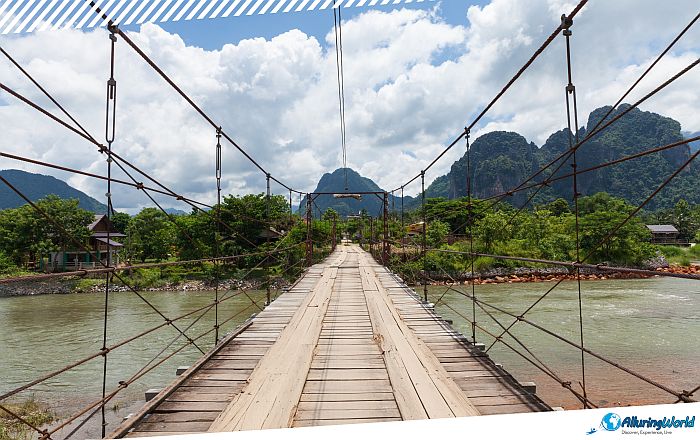
The history of Vang Vieng can be dated back to the 14th century, specifically during the period of the Lan Xang Kingdom, when the village was first formed as a small settlement on the route between Vientiane and the northern province. The formation of the village can be seen at the end of the 14th century or the beginning of the 15th century, when the village was built as a way station for traders, business people, travelers, etc., traveling through the Nam Song River. In that period, the materials utilized in building the town included mostly bamboo, wood, and other natural materials, which were typical of Lao architecture.
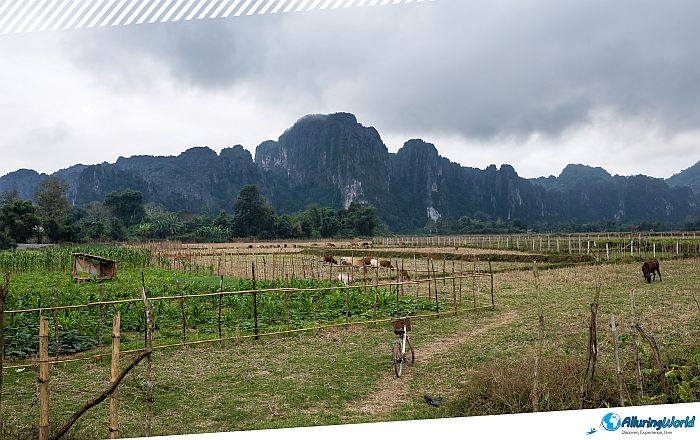
The location of the village was well thought out. Vang Vieng was located at a strategic place connecting several parts of the country and therefore served as a resting point for travelers within the region. The river banks were fertile enough to allow for agricultural activities, especially in rice cultivation, and there was water available from the Nam Song River. This water was used for irrigation as well as a source of transport, while the limestone cliffs offered protection to the people who were living in the area.
Vang Vieng has witnessed moments of turbulence in the course of time. Due to the village being an administratively and logistically important place during the time of French colonization, which happened in the area in the late 19th and early 20th centuries, however, Vang Vieng was not as big as other places in those times. Then, in the times of the Indochina wars of the middle of the 20th century, Vang Vieng gained strategic importance owing to its location between the north and south parts of Laos.
Despite all these happenings, however, Vang Vieng was still mainly an agricultural area up until the end of the 20th century. It would be the 1990s and early 2000s that saw major changes happening in Vang Vieng due to the increasing openness of Laos to tourists. The beautiful scenery of the region attracted tourists to the area and transformed it into a place where tourism became an economic force to reckon with. Guesthouses, small hotels, and restaurants sprang up, with many of these constructed using concrete and other modern building materials.
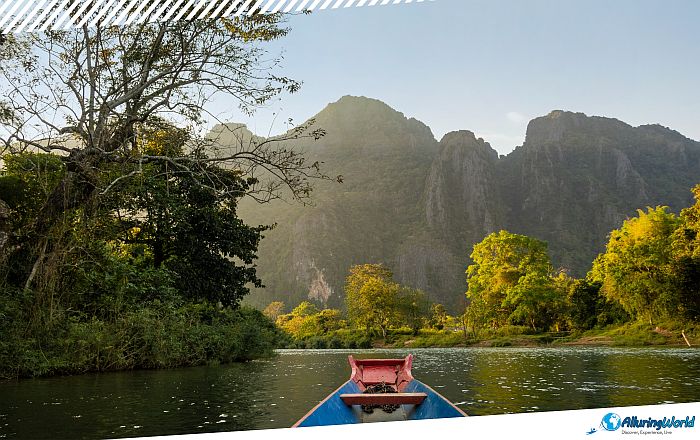
Currently, Vang Vieng plays an important role for the country and tourists from other parts of the world. On a national level, it is considered to be one of the most prominent instances where rural societies have successfully managed to transform themselves into tourist-based economies while retaining their agricultural and cultural heritage. For tourists, Vang Vieng is the gateway to some of the most amazing scenic beauty that the Southeast Asian region has to offer. The karsts, which surround the Nam Song River, are the perfect scenery for activities like kayaking, tubing, hot air ballooning, trekking, and rock climbing.
ADVERTISEMENT
Apart from the natural scenery, Vang Vieng is also famous for its caves, some of which are steeped in cultural and historic value. For instance, there is a cave called Tham Chang Cave that has been serving as a hideout in times of conflict in the 19th century, and there are other caves that have Buddhist temples inside them.
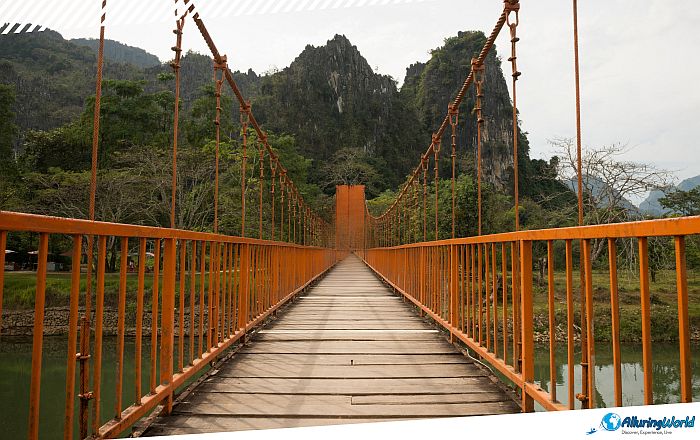
Traveling to Vang Vieng has been quite easy due to the village becoming an important station along the tourist itinerary from Vientiane to Luang Prabang. Recently, there has been the development of the fast train from China through Laos to Vang Vieng, making traveling even easier. Other modes of transport that tourists can use include buses, minivans, or cars when traveling from Vientiane. It will take about four hours to get to the village using a bus or minivan. In Vang Vieng, you can walk around, ride bicycles, or use motorbikes.
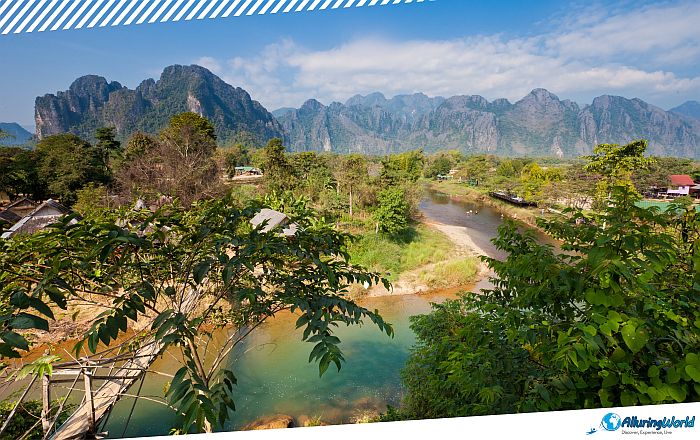
The best period to visit Vang Vieng is during the dry season, between the months of November and March. This period is characterized by mild temperatures, and activities outdoors are more enjoyable. In this period, the paddy fields are usually green, while the river conditions are ideal for canoeing and cruising. On the other hand, the wet season, between the months of May and October, is characterized by heavy rainfall, making some areas harder to reach, although adding much beauty to the surroundings and filling up the rivers.
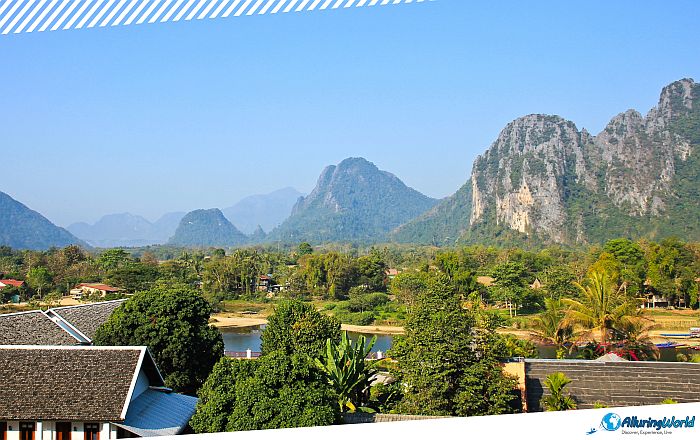
Apart from tourism, Vang Vieng also holds cultural significance. The town has the traditional Laotian markets, where you can get to know the significance of farming in everyday life. Rice, vegetables, and locally made products still hold value in this place despite the growing industry of tourism, but in the end, it is the blend of traditional aspects and modern attractions that makes the uniqueness of this place.
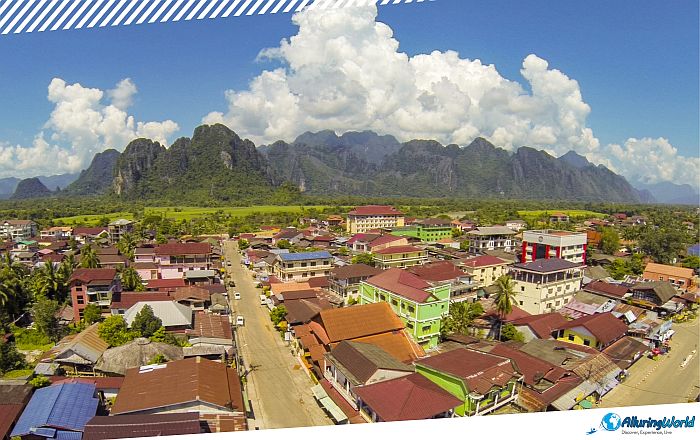
In conclusion, the village of Vang Vieng is not only a place that attracts tourists, but it is also a place that has rich historical background since the very beginning, when it was a small village in the Lan Xang Kingdom. It was developed by means of trade and agriculture and eventually turned into the most famous destination in Laos that people love to visit today. The natural setting of this village, starting from the magnificent karst mountains and ending with the caves, draws a lot of attention worldwide, while the culture makes sure that this destination will always be truly Lao.