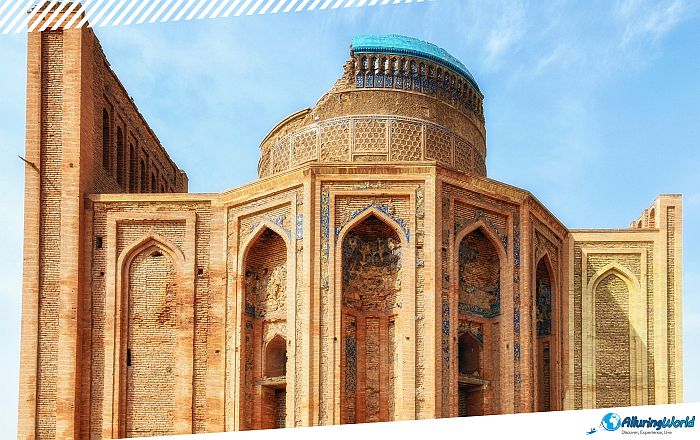
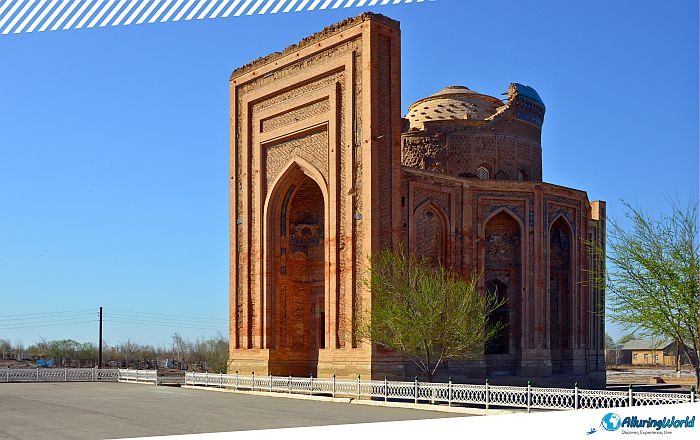
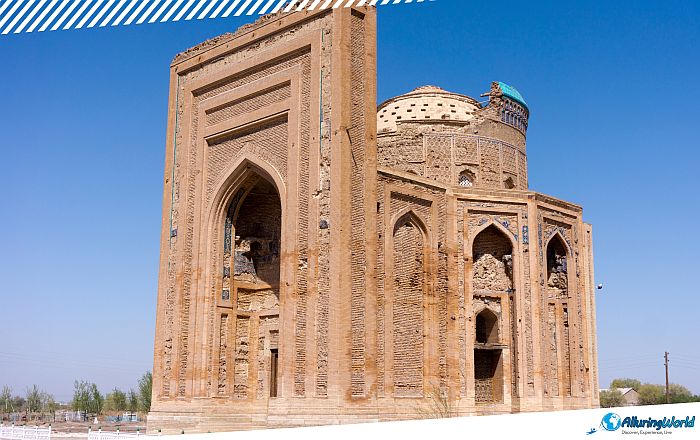
The Turabek Khanum Mausoleum is an exquisite and quite amazing historical landmark that is located in the archeological site of Kunya-Urgench, sometimes referred to as the Konye-Urgench, in the Dashoguz Province within the northern part of the landlocked country in Central Asia, Turkmenistan. As one of the major landmarks of Turkmenistan’s architecture, the ancient city is part of the UNESCO World Heritage List, whereas the mausoleum is considered to be an architectural gem of medieval Central Asia and an enduring symbol of the significance of the region during the period of the Khorezm empire. Overall, the architecture, design, and symbolism make the mausoleum one of the most celebrated landmarks of Turkmenistan for tourists who have an interest in Islamic architecture.
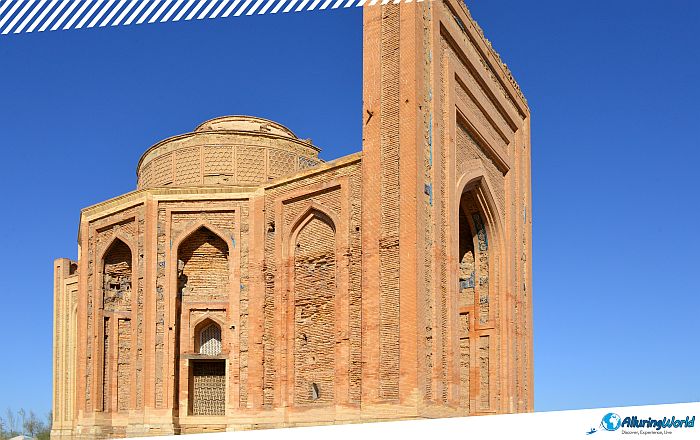
Built during the 14th century, the structure is traditionally linked to the wife of a prominent ruler called Kutlug Timur. There is no clear evidence that would suggest who is really buried in the mausoleum; it is closely linked to Turabek Khanum, a Mongolian princess and a patron of women. It is likely that she could have been a highly influential woman since she must have been the one who ordered the building of the mausoleum or was honored with the monument’s erection. The construction of the mausoleum demonstrates how culturally rich, economically prosperous, and artistically advanced Kunya-Urgench was during its prime.
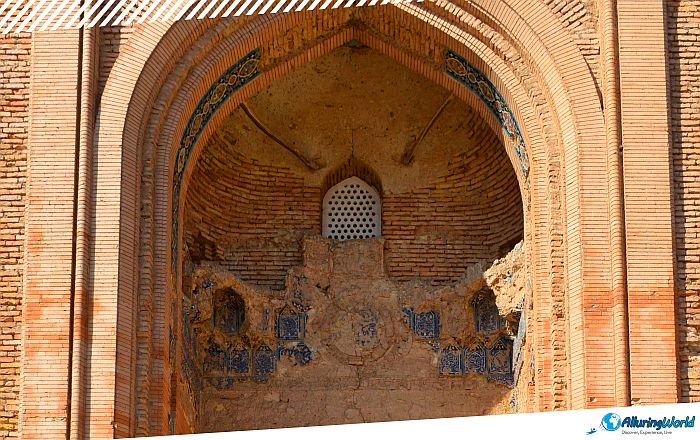
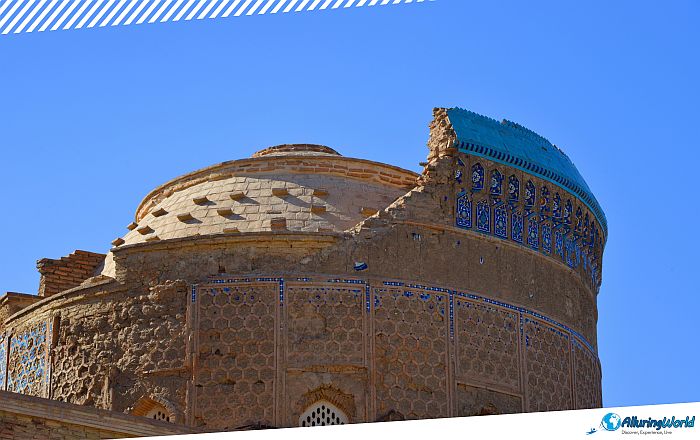
Composed mainly of baked bricks, as this was the main construction material during the era when it was constructed, the mausoleum also uses decorative methods that set it apart from other contemporary structures. The walls and the dome of the structure are made of tiles, which are patterned in intricate geometric designs, flowers, and verses from the Quran. The usage of the popular colors of Islamic architecture at the time, including the colors blue and turquoise, creates an amazing contrast against the white color of the baked bricks, making the building very vibrant even after all those years. Nevertheless, one of the most fascinating architectural features of the mausoleum is its dome, which is decorated by beautiful mosaics of starlike designs that seem to shift in the sunlight.
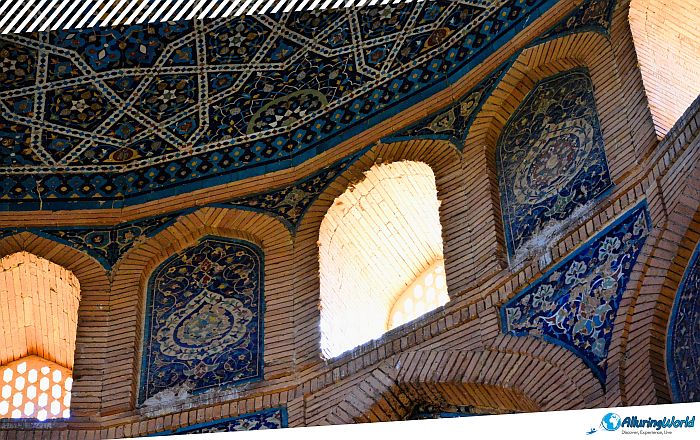
As remarkable as the exterior of the structure is, so is the interior. The inner walls are adorned with decorative plastering and glazed tiles, which have been put together to form unique patterns representing unity, eternity, and sky. The harmony between architecture and design of ornamentation is characteristic of the architectural features common during the era of the Timurids and Khorezmians. The methods employed during the construction of the building, such as brick-laying and glazed ceramics, indicate the high level of craftsmanship of the artisans of Kunya-Urgench during the 14th century.
ADVERTISEMENT
Back in the day, the mausoleum itself was an important object in the sense that it was more than just a burial site. It stood as a testament to the fusion of politics, faith, and culture in a time when Central Asia served as a center of civilization. Moreover, its aesthetic appeal gave Kunya-Urgench another edge as a city famed for its trade, academic institutions, and magnificent structures.
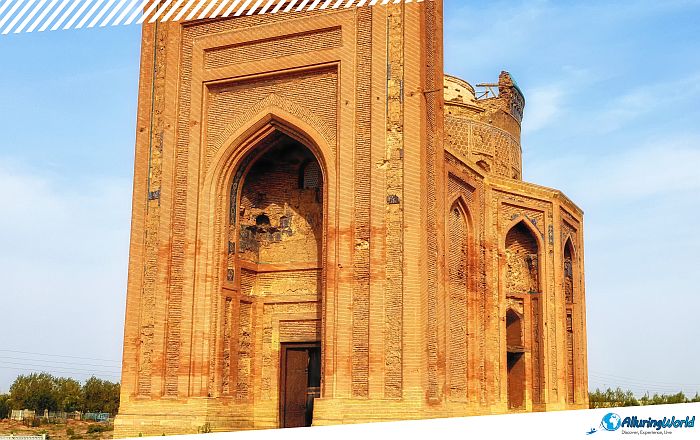
Currently, the mausoleum continues to be among the most visited landmarks in Turkmenistan. The significance of the landmark includes not only the protection of cultural heritage but also its architectural design, which represents the culture of the medieval period. In relation to the Kunya-Urgench archaeological site, the mausoleum appeals to both scholars and tourists interested in discovering the artistic culture of the country. Moreover, for citizens of Turkmenistan, the mausoleum serves as proof of the contribution of their lands to the history of the Silk Road.
The visitation process of the mausoleum is not complicated for tourists who find themselves in Turkmenistan. The Kunya-Urgench town is easily reached from the city of Dashoguz, which, in turn, can be accessed through domestic flights and roads from Ashgabat and other cities. It will take you less than one hour to get from Dashoguz to the monument complex, where tourists can explore the Turabek Hanym Mausoleum along with other structures, such as the Kutlug Timur Minaret and the Tekesh Mausoleum.
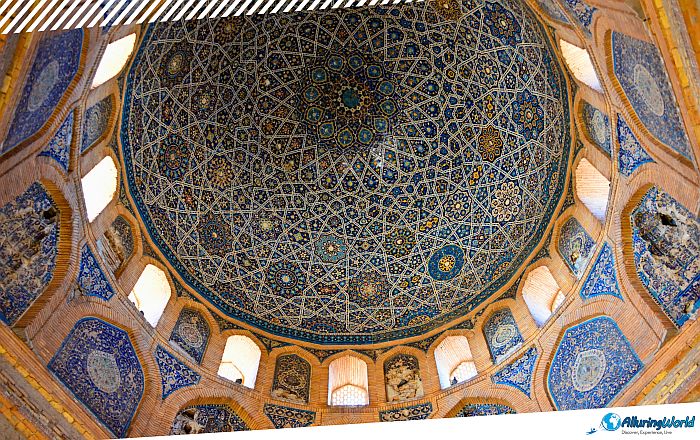
You should make your visit to this majestic place during the spring and fall seasons since the weather during this period is relatively moderate and enables visitors to appreciate the site while exploring it. Photography enthusiasts, on the other hand, would be able to capture the essence of the mausoleum, especially during sunrise and sunset hours, because the natural lighting adds a unique sparkle to the dome.
To conclude, the Turabek Khanum Mausoleum is not only a remarkable architectural monument but also a cultural symbol of the importance of Turkmenistan. The construction of this 14th-century building demonstrates the exceptional skills of the people who put a lot of effort into constructing an architectural masterpiece that will be appreciated and respected for centuries to come. While it was erected in honor of an outstanding woman from the Khorezm Empire, and there is some damage to the outer dome of the structure due to centuries of damage, the monument remains relevant even today, as it gives insight into the culture of Central Asia.