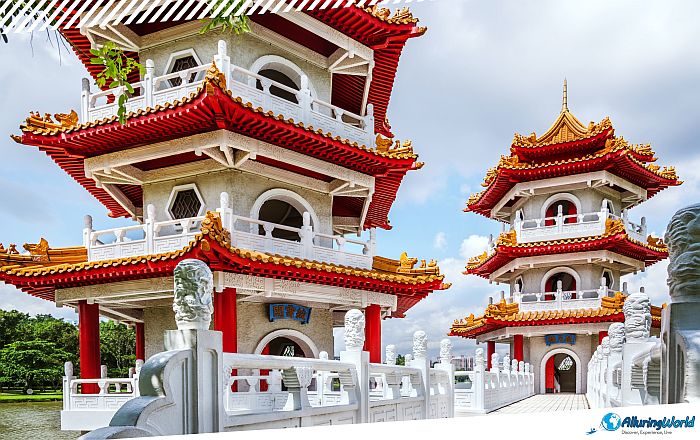
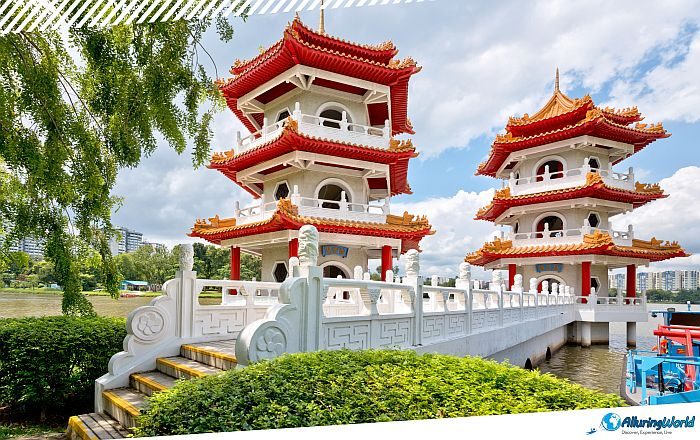
The Twin Pagodas of Singapore are among the most recognizable landmarks in the Chinese Garden, a cultural and architectural gem located in Jurong Lake Gardens, within the western part of the city of Singapore, which forms the city-state of the Republic of Singapore. As they represent such exquisite buildings, while reflecting the architectural style of China, they serve as symbols of the multiculturalism in Singapore as well as its desire to keep the traditions of Asia alive amid the urbanization process. Located amidst beautiful scenery, lakes, and bridges, the pagodas are a perfect place if you would like to combine culture, history, and peace of mind in the cityscape.
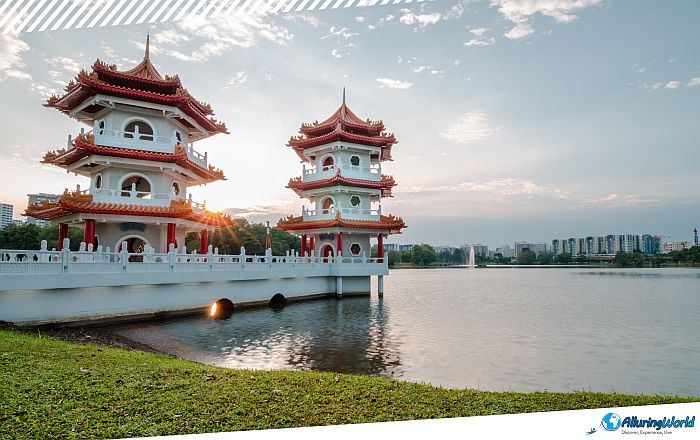
The construction of the Twin Pagodas took place in the year 1975, right after the construction of the Chinese Garden itself. The idea behind their construction was based on an overall initiative by the government of Singapore that aimed at providing recreational areas for its inhabitants while giving respect to their cultural diversity. This project was managed by the Jurong Town Corporation at that time and envisaged building the garden as a way to include traditional Chinese architecture in public areas. The renowned Taiwanese architect Prof. Yu Yuen-Chen is the responsible person that was in charge of designing the Chinese Garden, thus creating these two masterpieces.

Constructed from reinforced concrete, these pagodas are a blend of modern strength and Chinese-style architecture. Decorated with red railings, distinct orange-red tiled roofs, and intricate engravings, the structure has a resemblance to the architectural characteristics usually found in classical Chinese gardens located in northern parts of China. The pagodas have been built on several floors, each having interior stairs to climb up to the top. The octagonal design of the pagodas is important in terms of symbolism for the Chinese, indicating harmony and eternity, but the vibrant colors of the decorations are the most striking amid the greenery and serene water bodies of Jurong Lake.
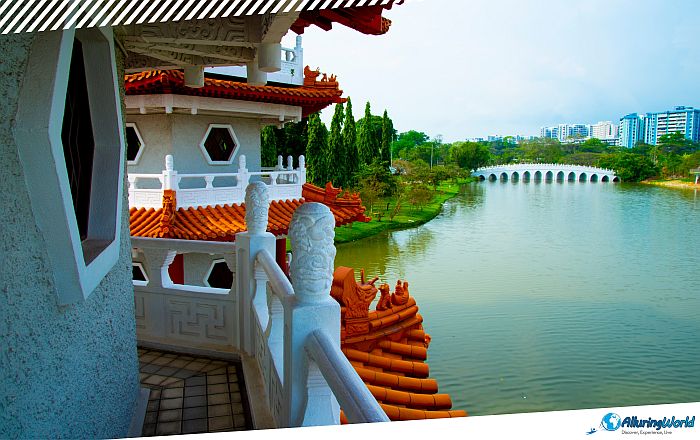
The construction of the Twin Pagodas was not only a construction endeavor that would have been taken on, but it was also a cultural statement. Singapore, having gained independence only a decade earlier in 1965, was focused on building its national identity. However, the Singaporean government understood the significance of respecting the traditions of its multicultural society, whether that be Indian, Chinese, Japanese, Malay, etc. As the Chinese form the majority of the population in Singapore, the Twin Pagodas are symbolic of respect for the Chinese heritage and culture. The incorporation of such traditional buildings in a modern garden is also indicative of Singapore’s philosophy of embracing the old and the new at the same time.
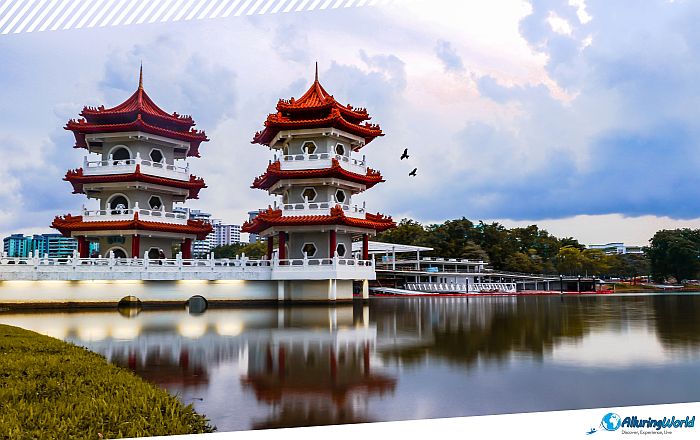
In many ways, the Twin Pagodas have hosted a wide range of cultural and community functions. The Mid-Autumn Festival, for example, is a festival that has been held at the Twin Pagodas on more than one occasion, where the lanterns are displayed to light up the whole garden. In these festivals, people come together while learning about the cultural value of the pagodas and how they are a connection between generations.
ADVERTISEMENT
In the present-day context, the Twin Pagodas have significance as architectural structures and as cultural landmarks. The pagodas act as a medium of education that can help people realize the impact of Chinese architecture and philosophy. At the same time, their design incorporates concepts such as feng shui, harmony with nature, and symbolic use of forms and colors. For the locals, the pagodas symbolize continuity by connecting the traditions of their ancestors with modern existence in the city. The pagodas are a convenient way for foreign tourists to explore Chinese culture amidst other cultures in Singapore.
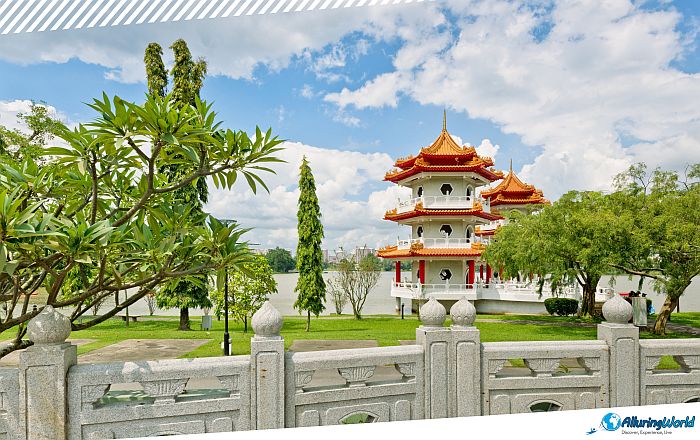
Visiting the Twin Pagodas is not difficult, and it is always recommended if you are in this small nation in Southeast Asia. The Twin Pagodas are found within the Chinese Garden area of Jurong Lake Gardens, which is accessible throughout the year. There is no entry fee to get in, so the place is suitable for a family visit, a study tour for students, and tourists who would like to see something different than the skyscrapers of Singapore. You can reach the place via the MRT, with Chinese Garden Station on the East-West Line being the closest stop. In addition, if you are traveling by car, then you have parking places nearby. No matter how you arrive, you will be able to see the views of Jurong Lake from the upper floor of the Twin Pagodas, and enjoy the amazing scenery.
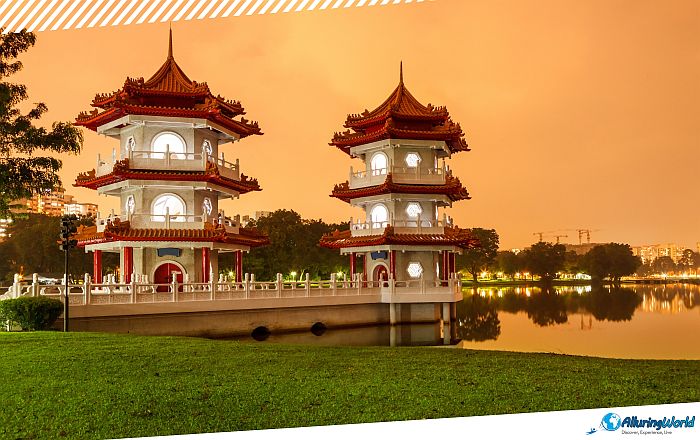
The Twin Pagodas should be visited either early in the morning or in the late afternoon, since this will allow you to appreciate the beauty of the colors through the way they interact with the light. This is an opportunity to photograph the beauty of the structures and meditate on the surrounding nature, and as they are accompanied by the beautiful gardens around them, you can walk in the cool shade and spend time reflecting with the lake waters.

Nonetheless, over the past few years, Twin Pagodas have also become popular not just because of culture, but as places where people come to relax and enjoy themselves through yoga, photography, and nature tours. The preservation of these two pagodas shows that Singapore is dedicated to preserving its cultural sites even as it undergoes rapid urban development, so that future generations would be taught to appreciate other cultures that comprise the nation.
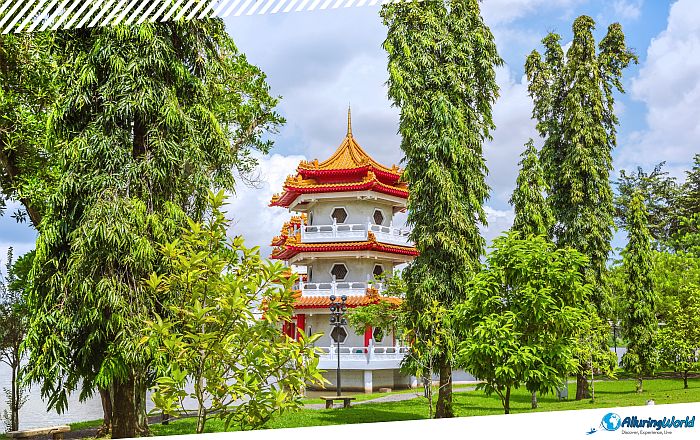
In conclusion, the Twin Pagodas of Singapore are far more than mere ornaments built a long time ago. Having been constructed as part of the Chinese Garden, the Twin Pagodas represent the harmony between heritage and modernity by symbolizing the cultural aspects of Chinese culture and architecture for visitors from all over the world. This is an example of the significance of preserving heritage in a new country, as well as the evolution of heritage buildings into places of entertainment, education, and community in modern times. For visitors who travel to Singapore, these pieces of architecture provide an aesthetically pleasing view of the cultural heritage and philosophy of the city that should never be missed.