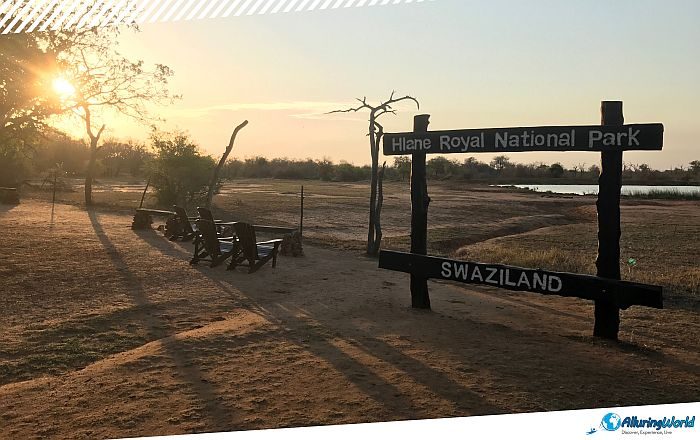
Hlane Royal National Park is an important national park that is the largest protected wildlife reserve that can be found in the Kingdom of eSwatini (Swaziland), within the southern part of the African continent.
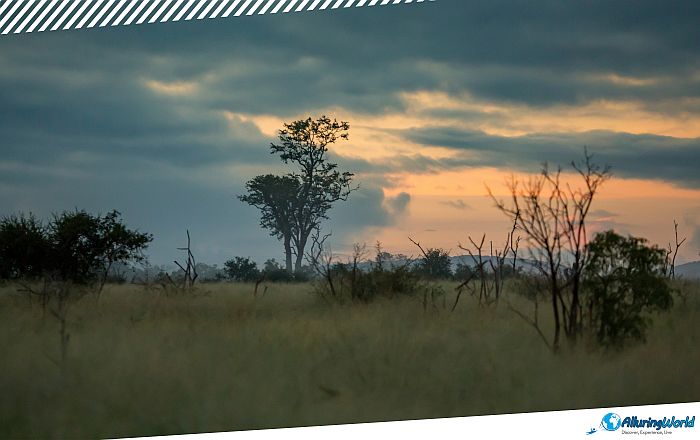
Spanning about 30,000 hectares (74,132 acres) of ancient lowveld bushveld, Hlane Royal National Park is the largest protected conservation area in the tiny kingdom that was named by King Sobhuza II. In translation, the word “Hlane” translates to “Wilderness” in siSwati, and as this vast expanse of hardwood vegetation is home to the largest concentration of wild game in the country, it is held in trust for the Swazi nation by His Majesty King Mswati III. In addition to this, the park is managed by the conservation group Big Game Parks, and Hlane offers one of Southern Africa’s most authentic, back-to-nature safari experiences that you should do if you ever visit this amazing place.
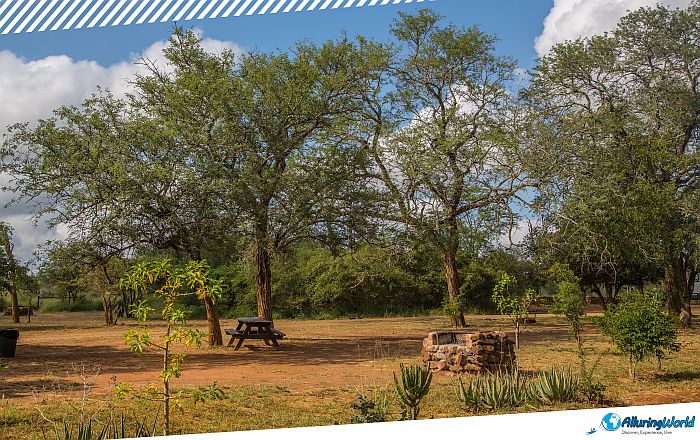
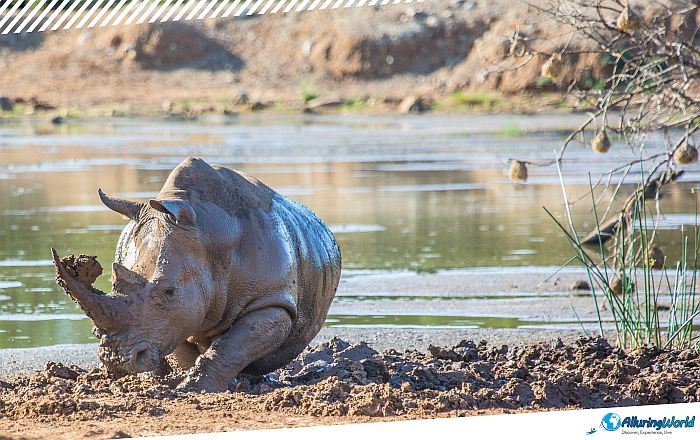
Dominated by towering Knobthorn trees and dry woodland, Hlane’s landscape supports a thriving community of African wildlife. The park is divided into specialized conservation enclosures to protect its megafauna, so if you visit this majestic place, you will be able to encounter the Big Four Members, lions, African bush elephants, and southern white rhinos that thrive within dedicated, protected sectors of the park. To top it all, there is also the Winter Waterhole Aggregations, which is a gathering of herbivores during the dry winter months (June through September). During this period, vast herds of wildebeest, zebra, impala, and giraffe gather around the park’s watering holes, providing world-class game viewing right from the camp’s viewing decks.
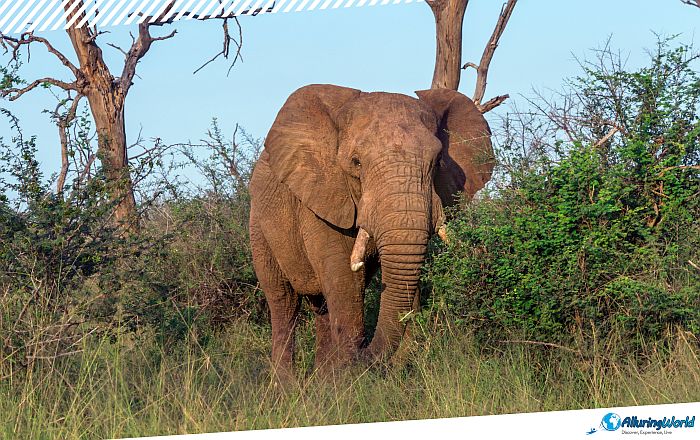
If you are a birdwatching enthusiast or an ornithologist, then Hlane Royal National Park is going to be a premier destination for you. The reason for this is that the park boasts the highest density of nesting white-backed vultures in Africa, along with healthy populations of marabou storks, raptors, and colorful woodland birds.
ADVERTISEMENT
Hlane features two distinct rest camps that will offer you the most amazing experience that you will ever have in Africa, as these cater to different styles of travel, ranging from rustic bush camping to fully equipped self-catering cottages. The two rest camps are:
- Ndlovu Rest Camp:
- Located immediately inside the main gate along the well-maintained asphalt Simunye road (MR3), Ndlovu Camp serves as the central hub of the park.
- Vibe: Open, accessible, and social.
- Amenities: Features an open-air restaurant overlooking a frequented waterhole where white rhinos and elephants often drink just meters away.
- Lodging Options: Offers a mix of camping sites, traditional thatched rondavels, and self-catering family cottages. Ndlovu operates primarily off-grid with romantic lantern-lit evenings, preserving an authentic wilderness atmosphere.
- Located immediately inside the main gate along the well-maintained asphalt Simunye road (MR3), Ndlovu Camp serves as the central hub of the park.
- Bhubesi Rest Camp:
- Situated 14 km (9 mi) north of Ndlovu Camp, Bhubesi Camp offers a quiet, secluded escape deeper inside the park grounds.
- Access: Accessible via self-driving along internal park dirt roads.
- Amenities: Encapsulates six self-contained stone cottages set along the banks of the Mbuluzana River. Unlike Ndlovu, Bhubesi cottages are equipped with full electrical power, modern kitchen appliances, and private barbecue (braai) areas for maximum comfort in a tranquil riverine setting.
- Situated 14 km (9 mi) north of Ndlovu Camp, Bhubesi Camp offers a quiet, secluded escape deeper inside the park grounds.
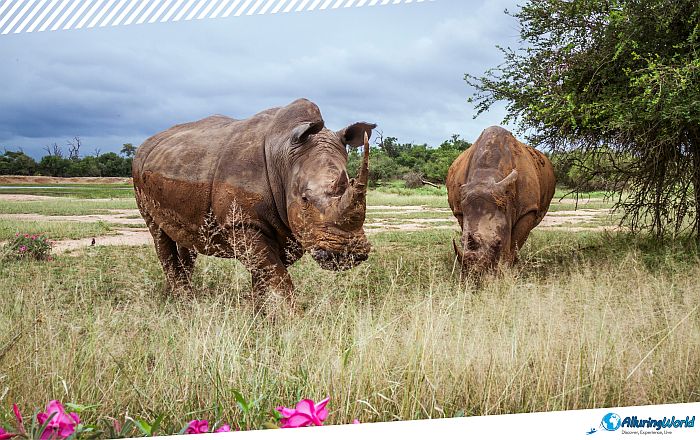
From the numerous activities you can do in Hlane National Park, there are several that are always recommended. Guided Rhino Walks is definitely one of the most intriguing and adventurous, as you will join experienced rangers on foot to track southern white rhinos in their natural habitat, and this is one of the few places in Southern Africa offering this rare encounter. Another equally important and intriguing activity is the Sunrise and Sunset Game Drives, as you drive in open 4×4 safari vehicles and they take you into the restricted lion enclosure for prime predator-tracking opportunities. If you are willing to adventure yourself in the African wilderness, then there is the option for a Self-Drive Safaris, which allows you to navigate the extensive network of public dirt roads at your own pace to spot plains game and birdlife. Finally, the most amazing experience that you might have is the Cultural Village Tours, as this will allow you to learn about traditional Swazi customs, dances, and history by visiting neighboring local communities outside the park gates.
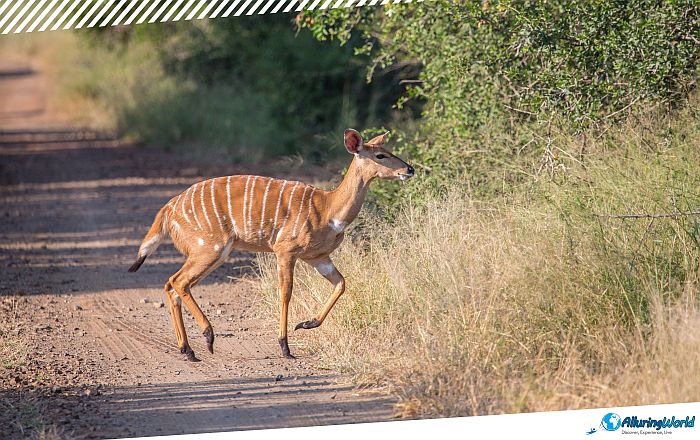
The best time to visit Hlane National Park is during the dry winter season, which runs between the months of June and September, and thi sis the period that offers optimal game viewing as animals cluster around remaining water sources and vegetation thins out. When you are traveling around Africa, you should be cautious about malaria because the park lies within the lowveld region, and you should take standard malaria precautions, especially during the warm rainy season, which runs between the months of November and March. Sedan cars can reach Ndlovu Camp easily via the main paved highway, but a vehicle with higher clearance is recommended for exploring internal park roads to Bhubesi Camp after rainfall.
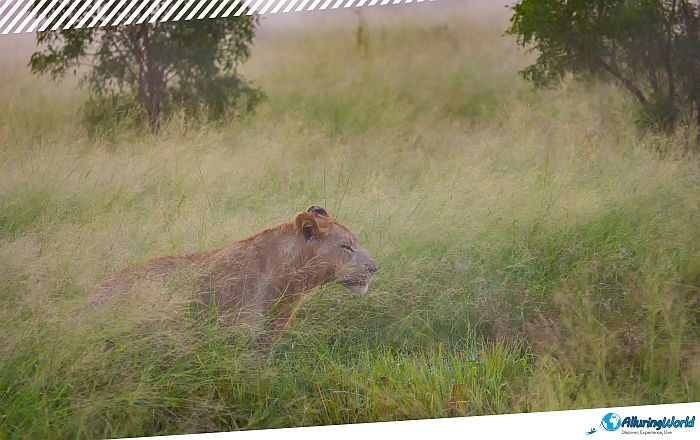
In conclusion, Hlane Royal National Park remains a jewel of Southern Africa, and especially of eSwatini, capturing the untamed beauty and royal heritage of the small kingdom. Whether you are listening to the roar of lions from a lantern-lit cottage at Ndlovu or tracking rhinos on foot through ancient hardwood forests, Hlane delivers an immersive, accessible, and unforgettable African wilderness adventure.