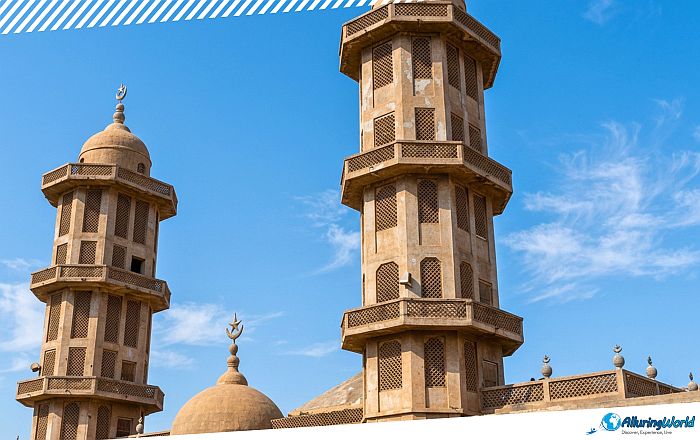
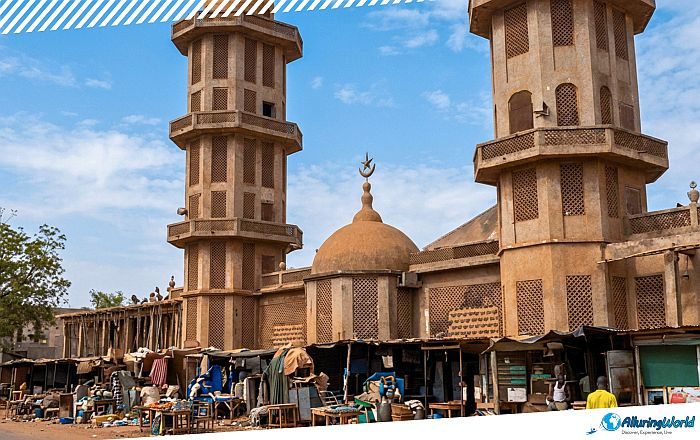
The Ouagadougou Central Mosque, locally referred to as the Grand Mosquée de Ouagadougou, is an important religious structure that is the main, most central, and one of the most important places of worship for the Muslim community of the city of Ouagadougou, the capital city of Burkina Faso. Regarded as one of the most significant places of worship and culture in the country, the mosque has an elevated presence at the center of the capital, and it has become one of the most prominent indicators of the legacy of Islam in the region. The historical ties between the Islamic religion and the social structure in West Africa are well represented by the mosque’s presence.
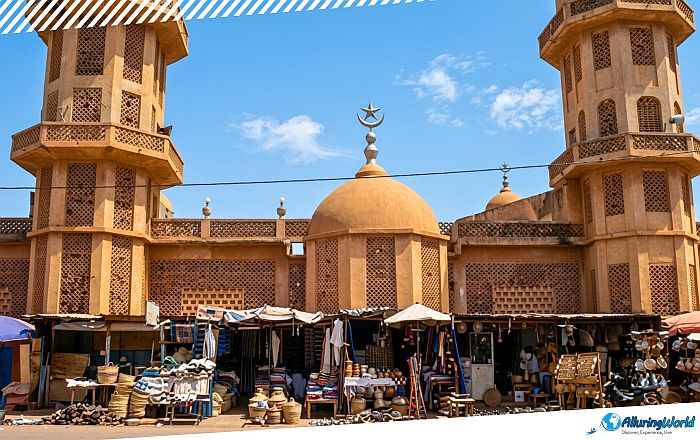
The religion of Islam is a critical part of the country’s identity as it helps form many of the nation’s social practices, education, music, and even everyday routines. In terms of Islamic culture and religion, the Ouagadougou Central Mosque can be considered the hub of activity in the area due to the fact that it serves as a place where people meet on Fridays for Jumu’ah prayers, celebrate important holidays like Eid al-Fitr and Eid al-Adha, and pray every day of their lives. All these activities are what bring people together in the huge mosques’ courtyards.
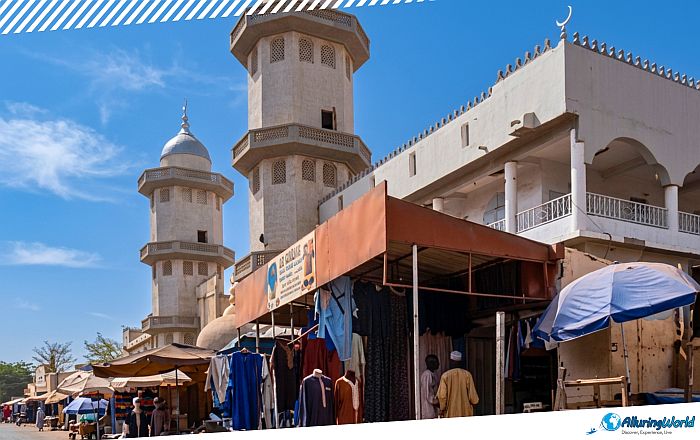
In terms of architectural style, the Grand Mosquée de Ouagadougou is an amalgamation of traditional Sahelian architecture with contemporary Islamic architecture. The mosque thus has a unique architectural style that not only represents its cultural background but also the evolving culture of the country. Depending upon the period of renovation or extension, the style of the mosque may differ; however, there are some distinct architectural features that the Grand Mosque always displays. Some of the prominent architectural elements of the mosque include its tall minarets, which are typical of the significant mosques of West Africa.
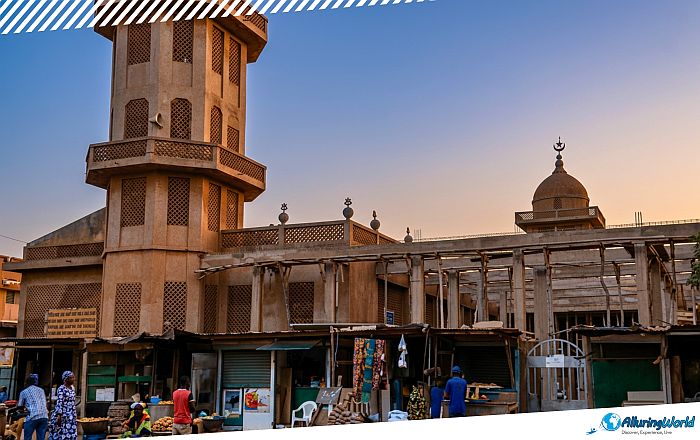
In both the inside and outside spaces of the mosque, there are large halls of prayer, covered by a central dome, which is common for most mosques nowadays. The mosque also offers a lot of space where many people can feel comfortable and where the sound is ideal for sermonizing and praying together. Using regional natural materials, such as clay-like façade or stones found in the region, along with reinforced concrete, gives a combination of traditional design elements and innovations. Interestingly, throughout the course of several decades, the mosque was expanded many times because of the increasing number of the city’s population.
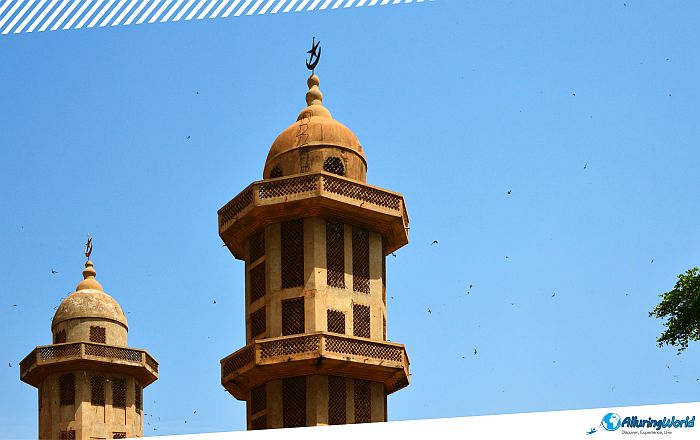
Apart from the importance of its architecture, the Ouagadougou Central Mosque is a center for spirituality and education of the Burkinabè Muslim population. The mosque is the central place for preaching the teachings of Sunni Islam, where the imams give sermons and explain the Islamic laws to the people. Other places surrounding the mosque usually have Madrasas, which are Islamic learning institutions where the youth and adults learn to recite the Quran, learn Arabic language, and gain knowledge about the history and jurisprudence of Islam.
ADVERTISEMENT
In addition to this, the Ouagadougou Central Mosque is also a center for social and philanthropic functions. The community members come together in the mosque not just for worship, but also for cultural activities, events, and philanthropy, such as distributing food during Ramadan and helping needy families. The management of the mosque works closely with other organizations to ensure that humanitarian work is done continuously and the Muslim community benefits from this. Overall, the mosque serves as a place for delivering messages from the leadership to the people during times when there is a need to reflect on the nation’s affairs, whether celebratory, calamitous, or political.
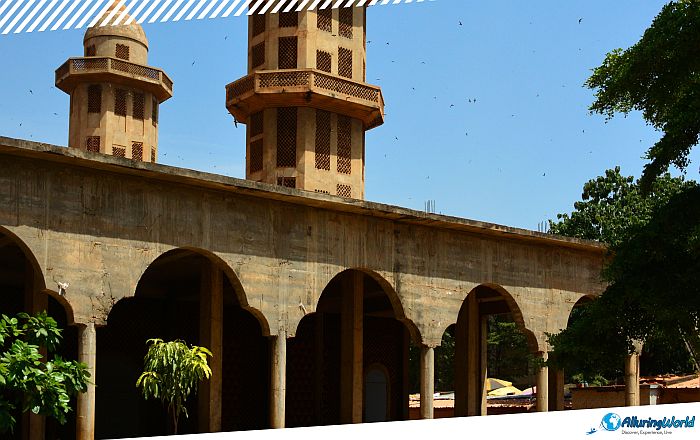
The location where the Ouagadougou Central Mosque is situated has been a place for Muslim prayer since the time when the city of Ouagadougou was founded. The expansion of the mosque and its adaptation to the changes have accompanied the evolution of the city from the capital of the Mossi Kingdom to an active and modern city. The religion of Islam was introduced to the area through the ages of trade, education, and migrations through the Sahel. It is evident that the mosque represents the legacy of all those years and functions as a keeper of history.
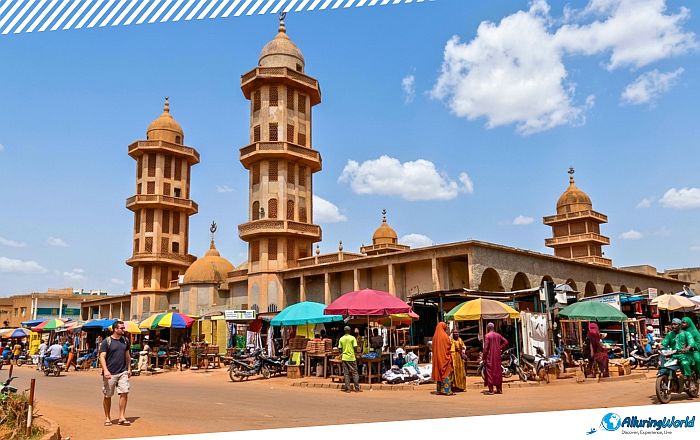
Moreover, the mosque also shows the culture of Burkina Faso as a nation of religious tolerance. In Ouagadougou, Muslims, Christians, and those from the native religions lived side by side throughout the centuries, and continue to do so even today. The existence of religious harmony is among the strongest cultural aspects of Burkina Faso that binds the Burkinabè people. This harmony is well illustrated by the presence of the mosque amid other houses of worship. As a cultural icon, the mosque represents the significant influence that Islamic art, literature, and architecture have had on the region.
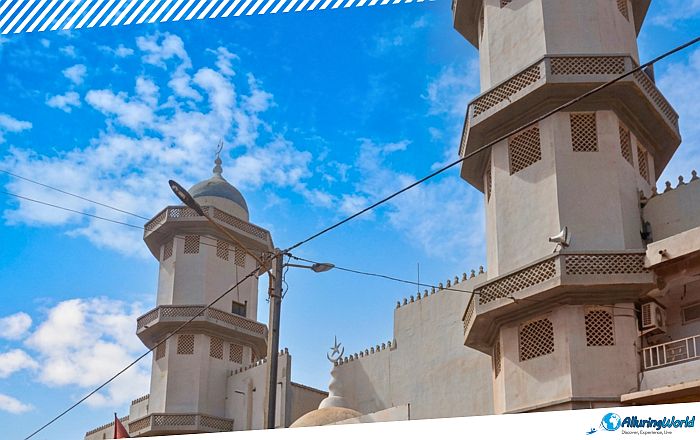
As far as travelers are concerned, there is no better place than the Ouagadougou Central Mosque to get an insight into the richness of spirituality and culture that exist in Burkina Faso. If you are visiting this unique country in West Africa, you are definitely going to be mesmerized by its architecture. Although non-Muslim travelers might not necessarily have unrestricted access to the interior parts of the mosque, the architecture of the building and the environment around it will provide you with a great deal of information. Ideally, you would come to Ouagadougou during the dry season, between November and March, since that time is much more pleasant for walking around the city.
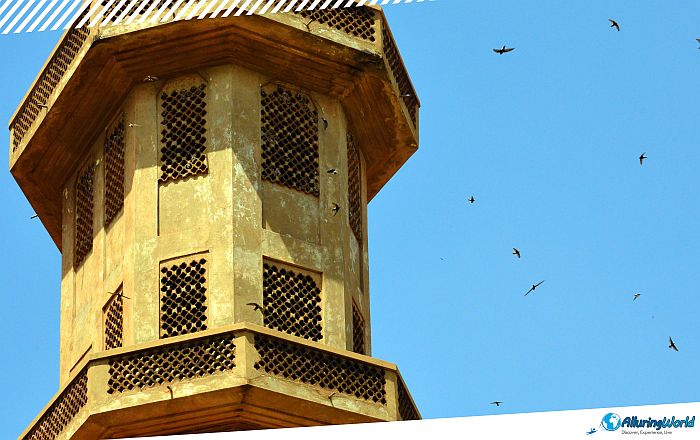
To conclude, the Grand Mosquée de Ouagadougou is a representation of the power of faith, cultural heritage, and solidarity within the Burkinabé community. Being of significant historic and spiritual value, this place of worship is a must-see for everybody who wishes to explore and discover the spiritual heritage of the country. Serving not only as a place of worship but as a cultural center as well, it has continued to serve the people for generations to come, and if you are in Burkina Faso’s capital, then do not miss this majestic religious structure.