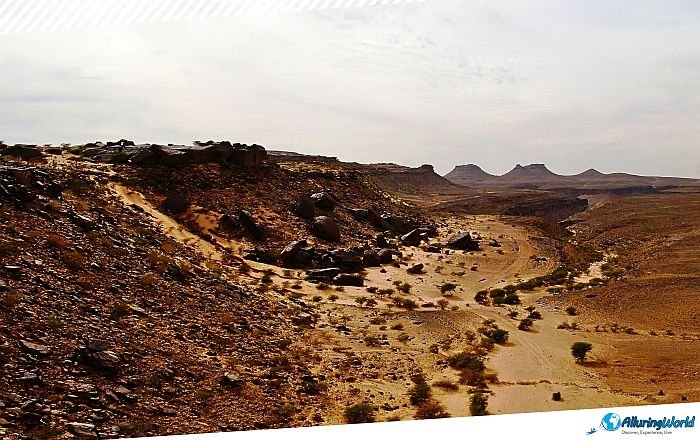
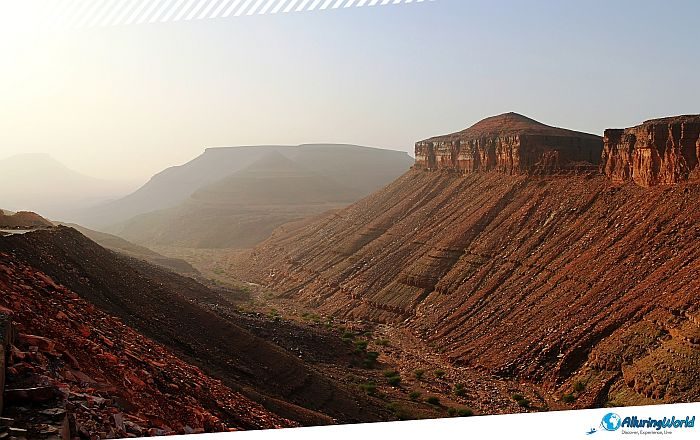
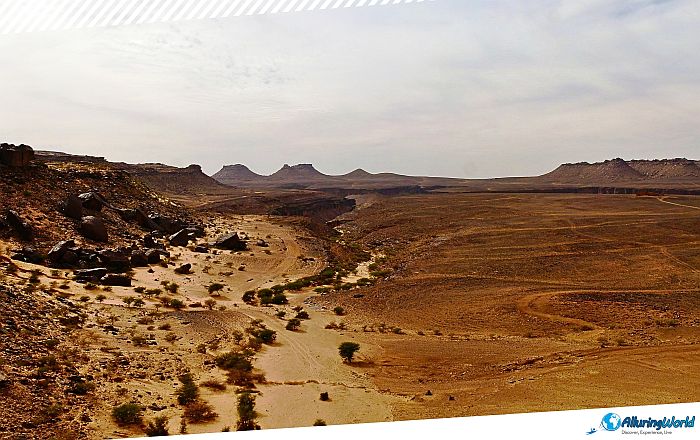
The Amojjar Pass is an important mountain pass that is part of the Adrar Plateau, in the central-west part of the Adrar Region, within the north-central part of the Islamic Republic of Mauritania. Located more precisely deep within the heart of the Sahara, the Amojjar Pass is part of a place where sprawling seas of sand yield to dark sandstone massifs and cracked plateau floors. This high-altitude mountain corridor has served as a critical lifeway for centuries, but as global perceptions of the Sahara often favor endless, rolling yellow dunes, the landscape surrounding Amojjar reveals a far more complex, sculpted topography shaped by millions of years of continental movement, torrential prehistoric rains, and relentless wind erosion.
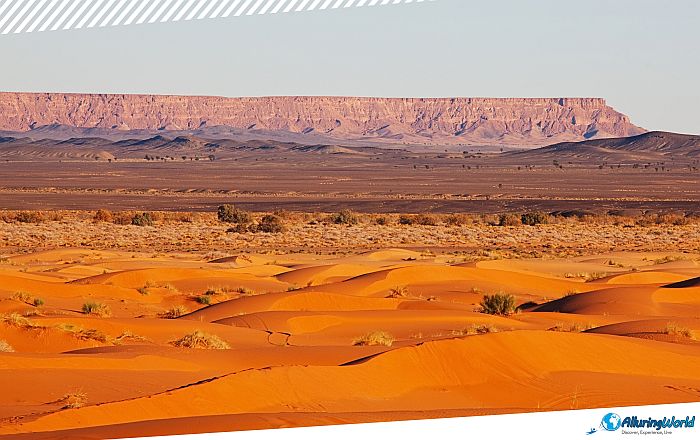
This pass serves as a gateway as well as a crossroad that winds through the Adrar Plateau to link the central trading centers with the desert villages. Going through Amojjar Pass entails passing through something like a geological museum in which prehistoric drawings meet up with the routes used by the traders. If you are traveling and exploring Mauritania, then the desolate highlands will provide you with an excellent opportunity to explore the old Sahara life through its silence.
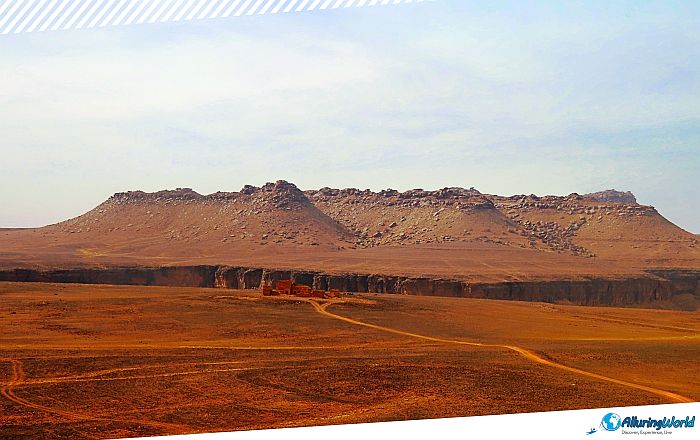
The history of Amojjar Pass extends all the way back to geological time. The Adrar Plateau itself is composed mainly of sedimentary rock from the Paleozoic Era, mostly sandstone and shale that were laid down hundreds of millions of years ago as the North African shield was flooded periodically by ancient oceans. Through the ages, movement along tectonic faults pushed the sediments up into high plateaus, and throughout the centuries, erosion they slowly were being brought to the surface, so changes in climate would go on to alter the landscape of this area drastically; during the African Humid Period, rivers flowed through the desert landscape, creating deep canyons and escarpments.
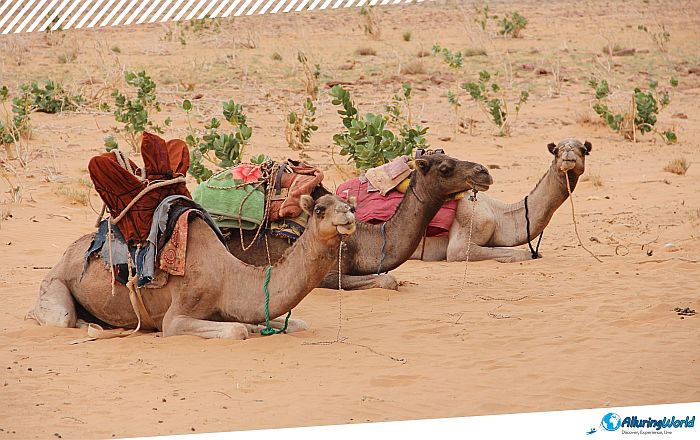
As the Sahara slowly dried up to form the extremely arid region we see today, wind erosion became dominant, and the cliff features were formed through this process. The result was a terrain characterized by deep amphitheaters, huge monoliths, and extensive gravel plains (reg). This is in contrast to the ergs (sand seas) that exist around the edges of the plateau. The pass’s human history is equally rich, and well before motorized vehicles could make their way up the slopes, Amojjar Pass was a small part of the route of trans-Saharan trade. Nomads, Arab traders, and caravan merchants all depended on the pass to make the ascent into the plateau of Adrar, so it was the caravans with Saharan salt, gold from the south, fragrant spices, fine textiles, and date palms from desert oases that were passing through the pass. In addition to this, the pass also served as an exchange point between West African kingdoms and North African trading centers.
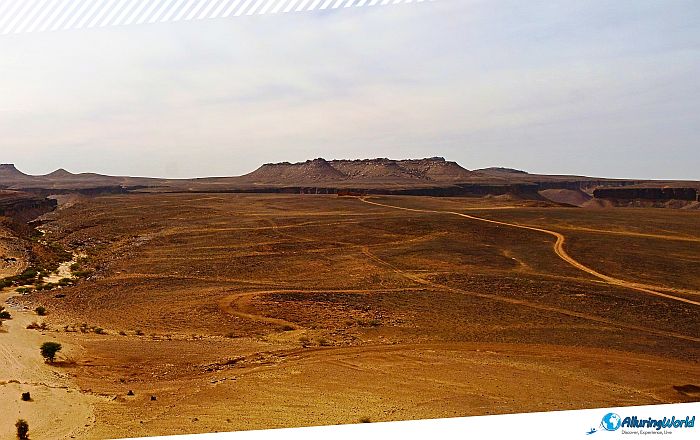
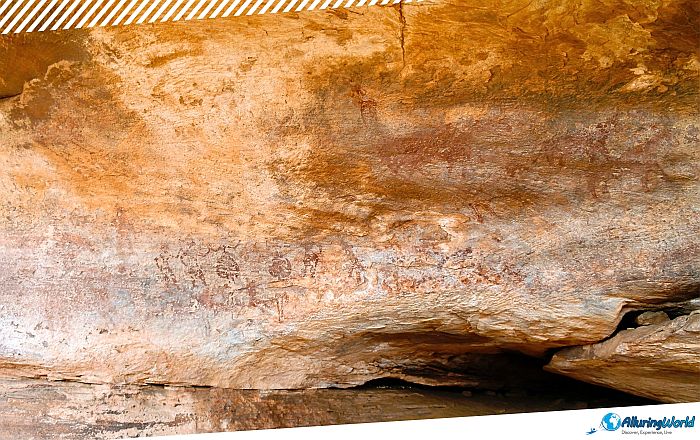
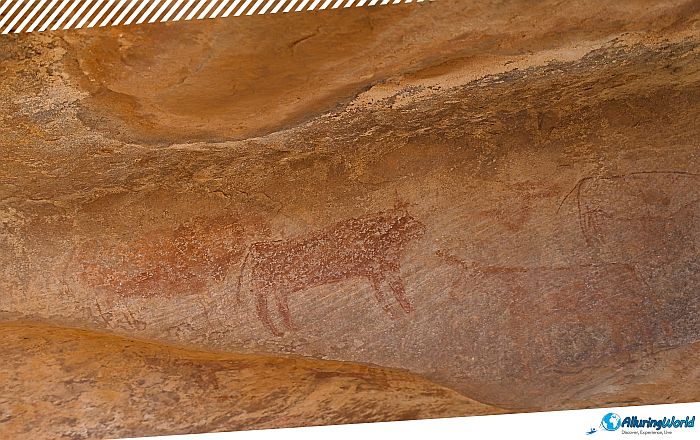
Apart from its value as a strategic point for medieval merchants, the region surrounding the Amojjar Pass is also of immense archaeological significance. Many thousands of years ago, in the Neolithic period, the Sahara was an environment that was rich with rain and lakes, making it a fertile savanna-like terrain. This “Green Sahara” provided habitation to the early pastoralist and hunting-gathering tribes who recorded their activities, religious beliefs, and wildlife on the rock faces surrounding the pass. These ancient drawings found near Amojjar provide a unique window into the past ecosystem. The paintings drawn in rock shelters/overhangs and rock-shelter sites, where rocks overhang, were done using iron oxide and charcoal to portray animals such as giraffes, elephants, cows, and various antelopes, which no longer exist in this desert region. Human figures are often seen hunting, herding cows, and performing other rituals.
ADVERTISEMENT
Exploration of such rock painting sites demands a keen sense, as well as profound reverence toward a valuable part of the heritage that is quite vulnerable. In contrast to the heavily excavated archaeological sites found all over the globe, the rock paintings of Amojjar continue to stay open to the elements and unprotected. Preserving these delicate artifacts requires visitors to tread lightly, avoiding direct contact with the painted surfaces, as skin oils and moisture accelerate the degradation of the millennia-old pigments. To get to and cross the Amojjar Pass, you need to prepare properly and know a lot about traveling in the remote areas of the Sahara Desert. The main starting point from which expeditions begin is the town of Atar, which is the capital of the Adrar region. The city is located at around 430 km (267 mi) northeast of Mauritania’s coastal capital, Nouakchott.
From Atar, you have to travel on an uneven and unpaved route, which quickly transitions from the asphalt road. The route up the pass is very tough and rocky for cars, but it is definitely something extra from Mauritania. The curves on the mountains have to be done at low speed on gravel and rocks, especially in places where the drop to the valley below is unprotected. If you want to drive to the Amojjar Pass, then keep this in mind:
- Vehicle Requirements: A heavy-duty 4×4 with high ground clearance, dual spare tires, a tire repair kit, and extra fuel capacity is a must to ensure that you will go through the pass safely.
- Navigation Essentials: A reliable satellite communication device, offline GPS maps, and an experienced local guide fluent in Hassaniya Arabic or French should be considered.
- Hydration Protocol: A minimum of 4 to 5 liters (1 to 1.03 gallons) of drinking water per person per day, stored securely within the vehicle.
While independent travel is technically possible, it is not generally recommended, so hiring an experienced local guide and driver in Atar is essential. Local guides possess vital knowledge regarding current track conditions, shifting sand drifts, and the location of hidden water sources, while also facilitating respectful interactions with nomadic families living in the surrounding valleys. Timing your visit is the most important thing to consider when traveling around the Adrar region. The temperature differences are very great in the Sahara Desert, and at certain times of the year, it becomes a very dangerous place to visit.
The best time to visit Amojjar would be between the months of November and February. This is because these are the winter months; the temperature during the day is relatively cool, averaging between 20°C and 28°C (68°F to 82°F), and the weather conditions during this period are quite suitable for activities like trekking and driving. On the other hand, the nights can get very cold after sunset since the temperature often drops in the desert below 10°C (50°F) and can even go below the freezing point in the plateau areas. Nevertheless, the months between May and September are the period when the weather is hot and harsh, where temperatures regularly rise above 45°C (113°F). It is dangerous to travel through this pass in mid-summer due to the risk of heat exhaustion, car overheating, and dehydration, so if you are adventurous, then plan your trip around wintertime.
A journey through Amojjar Pass integrates seamlessly into a broader itinerary through the cultural and natural highlights of the Adrar region, as the pass can be combined with several other places, such as:
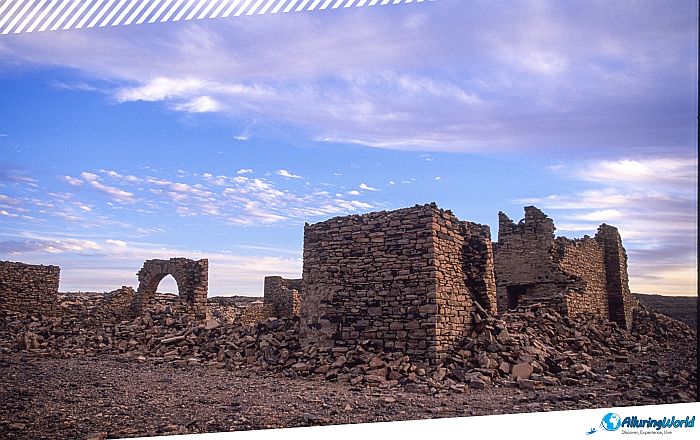
- Chinguetti: Situated beyond the plateau from Amojjar lies a 13th-century trading town which is well-known for its dry stone construction, ancient minaret, and family-run libraries that contain precious medieval Islamic manuscripts.
- Ouadane: A UNESCO World Heritage site situated further east, featuring dramatic stone ruins perched on a cliff edge overlooking extensive date palm groves.
- Terjit Oasis: A lush, spring-fed canyon south of Atar, where fresh water trickles down cliff walls into natural palm-shaded pools; the ultimate contrast to the dry heights of the pass.
The wilderness that surrounds Amojjar Pass is an ecosystem that is very delicate, and human disturbance will persist for decades because of the arid climate. Desert travel should be done responsibly so as to protect the ecosystem and the culture of the local people, and you should be very considerate of these delicate components.
If you choose to camp in the pass or around the valley areas, remember to remove all your trash, even those that may be biodegradable, because these break down at an excruciatingly slow rate in hyper-arid environments. Fuel wood is a very rare commodity in the highlands; collect only dead wood or opt for gas stoves to cook. Similarly, cultural awareness is necessary when dealing with the population in the Adrar communities. They are Muslims practicing the traditional form of Islam and have strict rules of desert hospitality. Always ask for permission before taking pictures of the people in the area, especially women and older people. In case you are invited to take part in the three rounds of tea drinking ceremony (Ataya) by the locals, accept the offer since this is an essential aspect of Saharan hospitality.
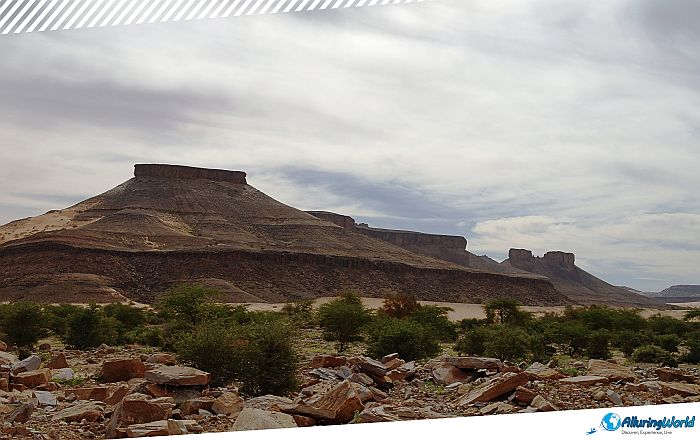
In summary, crossing the Amojjar Pass is not simply a case of navigating through the tough terrain of the mountain ranges so that you will have the pass ticked. It is an experience that takes you deep into the geologic past of our planet, back to when humans used to express themselves in art, and finally a tribute to the historic trading routes that joined Africa together as one continent. Climbing up to the top of the sandstone mountains and gazing out across the silent emptiness of the plateau, you will get to appreciate the vastness of the Sahara, an area that is vast and timeless.