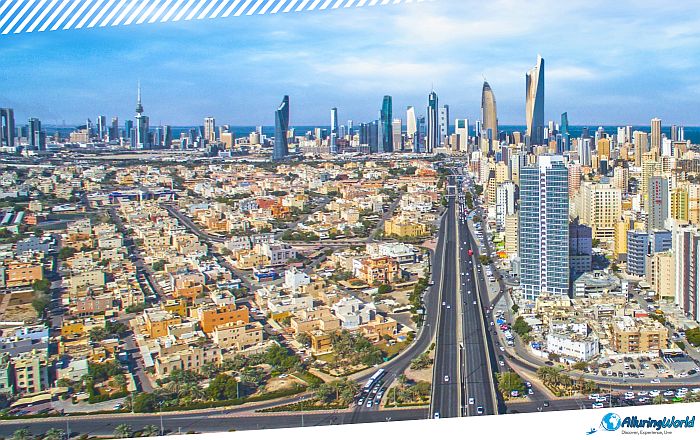
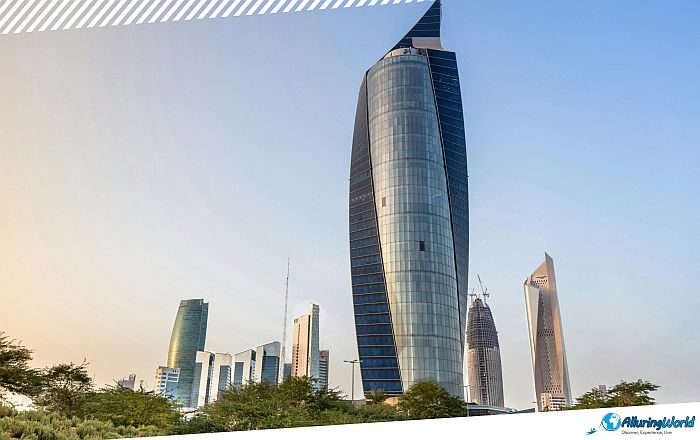
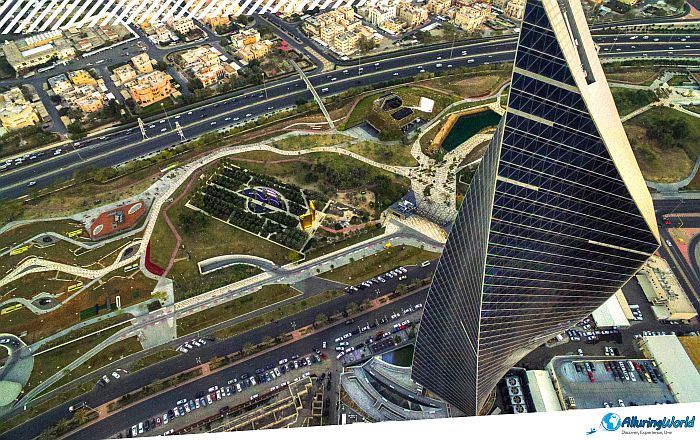
The Al Tijaria Tower is a modern and quite distinctive skyscraper, located in the historic District of Sharq in Kuwait City, the capital and largest city of the State of Kuwait. As the tower rises gracefully above the vibrant metropolis of Kuwait City, it stands as a testament to contemporary engineering and visionary design in this nation in the Middle East. As one of the most striking skyscrapers in the city’s commercial core, the impressive structure has transformed Kuwait City’s modern skyline since its completion. Despite the fact that contemporary high-rise buildings focus mostly on their towering height to draw attention, Al Tijaria Tower attracts people due to its revolutionary design idea. Since the building was constructed with the purpose of functioning as a commercial center and tourist attraction, it is made up of many geometric shapes and is covered in beautiful glass, which overall represents a unique architectural creation.
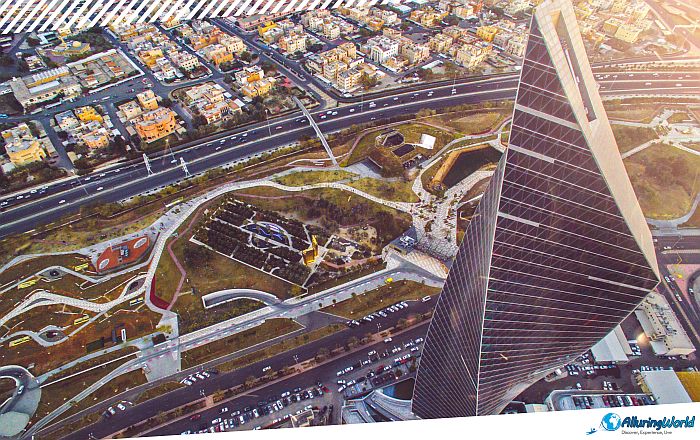
Al Tijaria Tower reaches an impressive height of 218 meters (715 feet), encompassing 41 above-ground floors along with multiple basement levels dedicated to parking and complex utility management. Designed by the internationally acclaimed architectural firm NORR in collaboration with the Commercial Real Estate Company (Al Tijaria), the tower breaks away from standard rectangular glass monoliths and offers something different from the usual tall, modern buildings. Instead, its architectural identity is rooted in the concept of kinetic harmony and organic fluid motion.
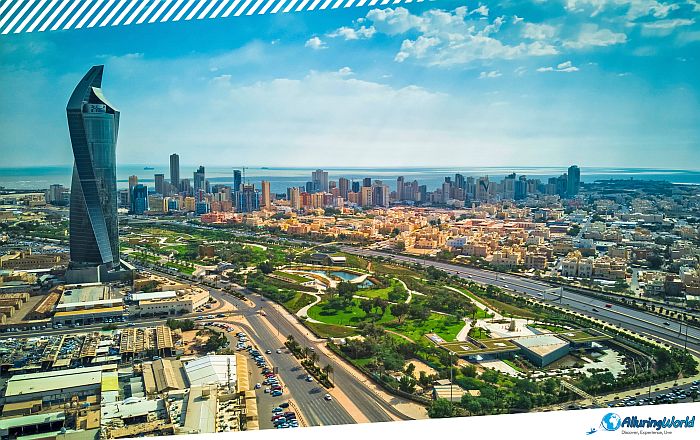
One of the outstanding engineering features of the building is its twisting form. In fact, as the building increases in height, each succeeding floor plate twists by a certain angle, shifting by an 8-degree rotation per tier to create its signature dynamic geometry. This engineering trick of twisting a tall skyscraper not only serves aesthetic purposes but also serves to reduce wind resistance from the Gulf winds. The visual drama does not stop with the tower’s façade, but rather continues within the atrium of the tower complex. The interior architecture revolves around the vertical gallery that gets ambient light from sunlight coming into the building from the highly efficient glass curtain walls. Instead of having interior layouts consisting only of stacked floors, this interior also has floating circular platforms and terraced walkways connected by a grand spiral motif.
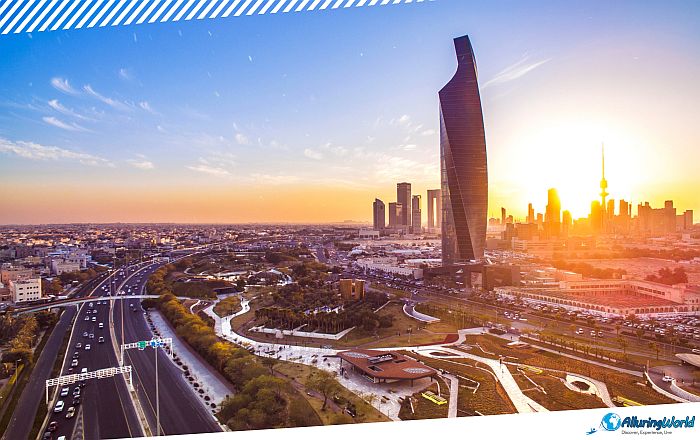
The design of the building with such a geometrical difference has been an interesting structural challenge for the architect. The base of the Al Tijaria Tower is supported by structural steel outriggers along with a post-tensioned floor system, whereas this combined engineering system takes care of lateral loads while ensuring complete stability. In order to fully understand the development of Al Tijaria Tower, it is essential to take into account the history of urban development in Kuwait. During the early decades of the 20th century, Kuwait City was a maritime trading port and pearling village constructed out of traditional mudbrick and coral stone. This changed with the discovery of large oil fields in the middle of the 20th century, which led to an economic revolution in the country and saw unprecedented economic transformation across the country.
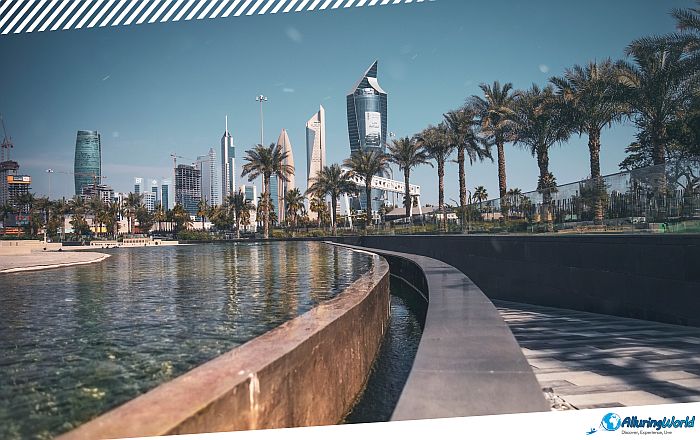
With the creation of wealth thanks to oil, the country embarked on large-scale infrastructure projects. In the latter part of the 20th century and the early 21st century, the city of Kuwait switched its strategy toward high-density commercial development, which would be able to accommodate international financial organizations and corporations. The Sharq district quickly became the nucleus of this process, evolving into a dense skyline that would eventually feature landmarks like Al Tijaria Tower and later the Al Hamra Tower.
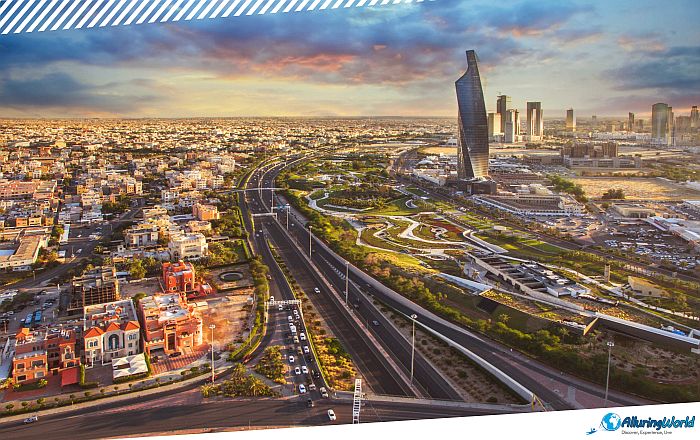
Completed during the mid-2000s boom period and officially opened in 2009, the Al Tijaria Tower came into being at a very critical point in the history of Gulf architecture. Cities in the region, such as Dubai, Doha, and Kuwait City, were all trying to create buildings that would serve not only as functional workplaces but would also serve as symbols of national progress and prosperity. The NORR architects did an amazing job with the Al Tijaria Tower, as they managed for the building to serve both purposes excellently. Unlike single-use corporate headquarters, Al Tijaria Tower was designed right from the beginning to be a mixed-use lifestyle sanctuary. This is because this strategy makes the building more dynamic even at night for both corporate and leisure users.
ADVERTISEMENT
The lower levels of the building contain a complex retail podium that has boutique shops, specialized service providers, and lounges. The upper levels of the building are occupied by vast open-office areas that have corporate legal offices, investment firms, technology companies, and branches of multinational corporations. For tourists and food lovers, the upper dining floors serve as the main attraction of the tower. There is a collection of fine dining restaurants and upscale cafés serving international and authentic Middle Eastern cuisines, and as the evening falls, dining at the tower will give you an amazing view of Kuwait’s skyline, which is quite astonishing. To be able to experience this, consider the following:
- Prime Twilight Dining: Book a table on the upper-level dining terraces around 17:30 to enjoy sunset vistas over the city skyline as the evening streetlights illuminate the financial district.
- Photography Access: Photographing the interior atrium from the lower podium walkways offers the best perspective of the building’s sweeping geometry without obstructing daily business foot traffic.
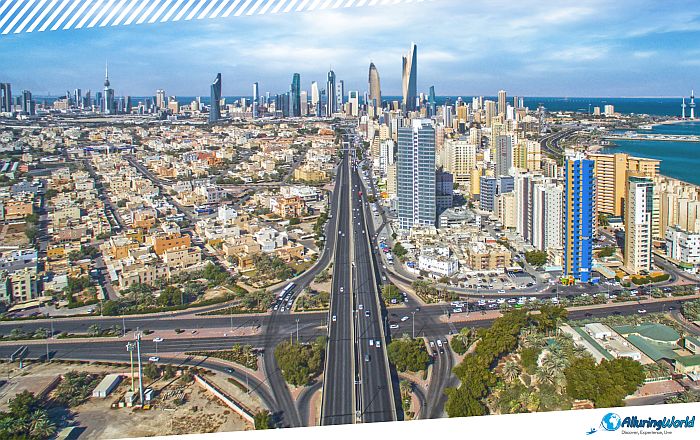
As the Al Tijaria Tower sits in a prime position within the Sharq district, you will be within easy reach of Kuwait City’s primary cultural and tourist landmarks, and among those landmarks, worth mentioning are:
- Kuwait Towers: Located 2 km (1.2 mi) to the northeast, these three iconic sphere-adorned structures remain the defining symbol of the nation.
- The Grand Mosque of Kuwait: Situated 3 km (1.9 mi) northwest, it offers incredible traditional Islamic architecture and guided cultural tours.
- Souq Al-Mubarakiya: Located 3.5 km (2.1 mi) west, this historic bazaar provides an authentic taste of traditional spices, perfumes, and local street food. It is your usual Middle Eastern spot where you will see the vibrant life of the locals and experience the Kuwaiti culture.
- Kuwait National Museum: Located 4 km (2.5 mi) west, showcasing historical artifacts, Bedouin heritage, and archaeological finds from Failaka Island, you will learn more about Kuwait at this important cultural institution.
- Kuwait International Airport (KWI): Located approximately 20 km (12.4 mi) south, accessible via the King Faisal Motorway in roughly 25 to 30 minutes by taxi, depending on traffic, this is the usual gateway to the country that you will take to arrive in Kuwait.
The Middle East is a region where some cultural norms are not the same as in Western countries, so when visiting Al Tijaria Tower for leisure or dining, keeping a few regional standards in mind ensures a smooth and respectful experience:
- Dress Code: Although Kuwait City is modern and hospitable, the local dress code is observed in all commercial and public places. It is advisable to cover shoulders and knees while visiting business podiums and restaurants.
- Photography Standards: Never photograph local people without their permission, especially when they are having meals. Photographing in the lobbies of corporate offices might require security clearance.
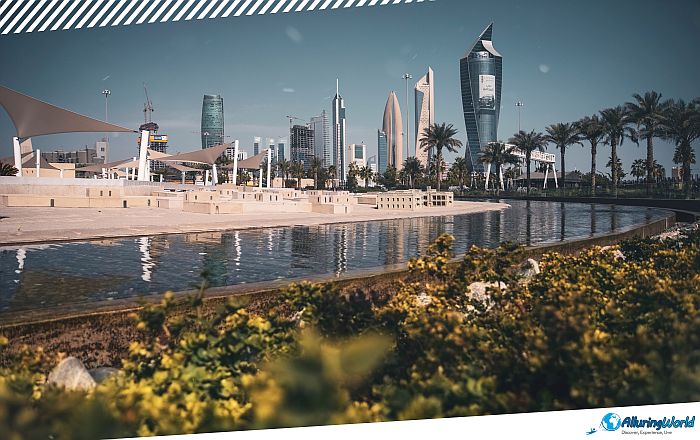
Since Kuwait experiences an arid desert climate, which is characterized by extreme summer heat and mild, pleasant winters, it is essential to plan your visit and always coordinate with the weather patterns to have an enjoyable experience. Winter is known to be the best time to visit Kuwait and spans from November to March. It enjoys temperatures between 12°C and 25°C (54°F and 77°F), and it is accompanied by beautiful sunny days, with cool winds and comfortable humidity that allow visitors to enjoy the outdoors as well as the beach promenades. Temperatures during December and January usually fall to 8°C (46°F) in the evening hours after 18:00. On the other hand, the spring, which runs between April and May, brings a swift transition to warmer conditions, and the temperatures can range between 20°C and 32°C (68°F and 90°F). Sightseeing is still enjoyable during this period, especially in the early morning hours, though once the middle of the day arrives, the heat will build rapidly, and it will be significantly warmer.
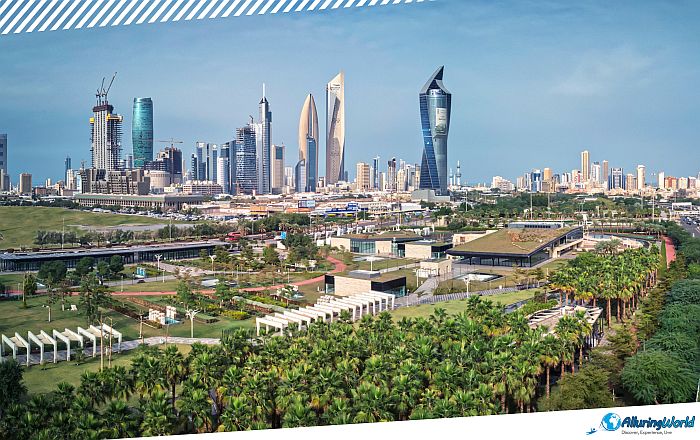
The summer that runs between June and September is one of the most intense periods to visit Kuwait. Daytime temperatures routinely range from 35°C to 45°C (95°F to 113°F), with extreme days reaching even higher. Tourism is usually paused during the day, so you can focus on indoor experiences, such as exploring Al Tijaria’s climate-controlled interior. Autumn is the last season, which is short, and it is only in October when the daily temperatures start to cool down and range between 25°C and 35°C (77°F and 95°F). If you find yourself in Kuwait City during autumn, expect to have slightly better temperatures, which are perfect for dining outdoors, especially by late October as the weather cools just before winter arrives.
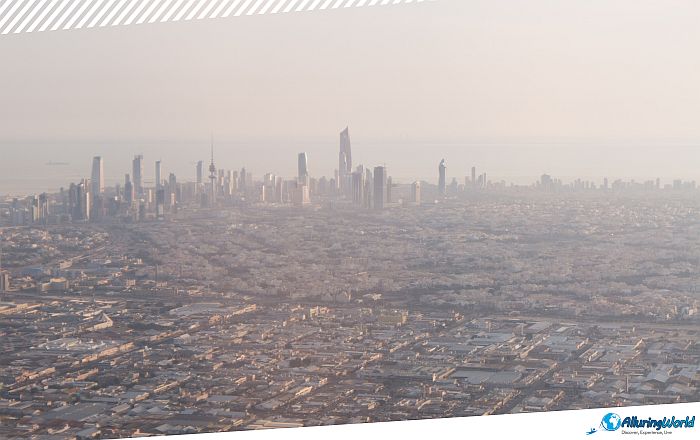
To sum it all up, Al Tijaria Tower is much more than an amazing building. It tells Kuwait’s ongoing architectural transformation, as it becomes one element that connects tradition and innovative design. By choosing a complicated rotating design instead of regular construction practices, the architects have shown that function, sustainability, and creativity can be perfectly compatible and can be used as a stepping stone in attracting more visitors to the small nation. Overall, whether you are looking at the amazing glass exterior of the tower on the streets of the district of Sharq or watching the lights of the city through an upper-floor restaurant, your visit to the tower is definitely going to be an exciting one.