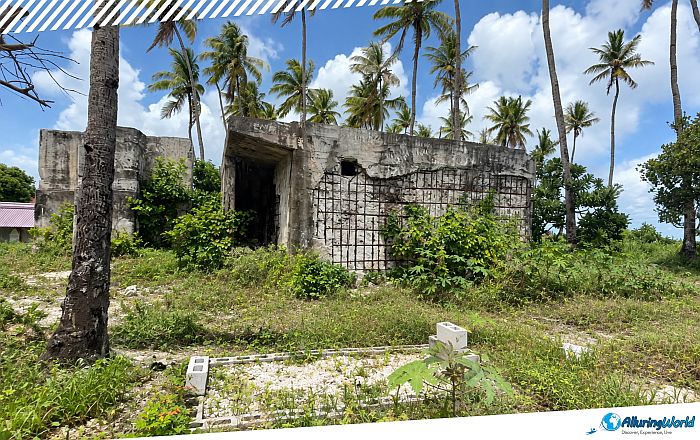
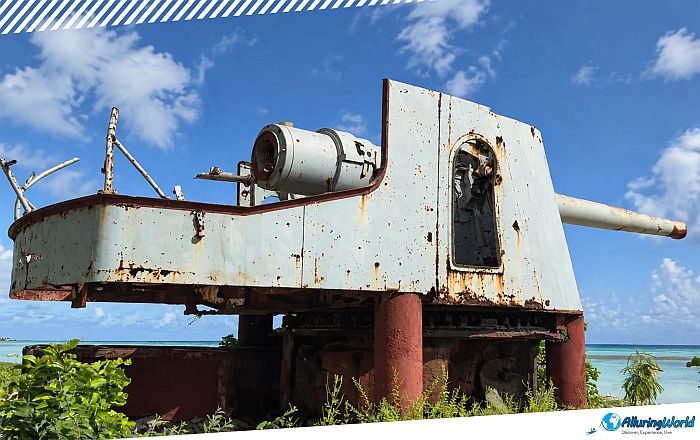
The Japanese WWII Ruins are historic remnants from one of the fiercest 1943 battles that happened between Imperial Japanese forces and U.S. troops during World War II, concentrated heavily on Betio Islet (Tarawa Atoll) and Butaritari Island (Makin), but visible throughout the entire nation of the Republic of Kiribati. Since the islands of Kiribati are scattered across the central Pacific, each of them bears a remarkable and sobering reminder of the ferocious battles that swept through the region during World War II.
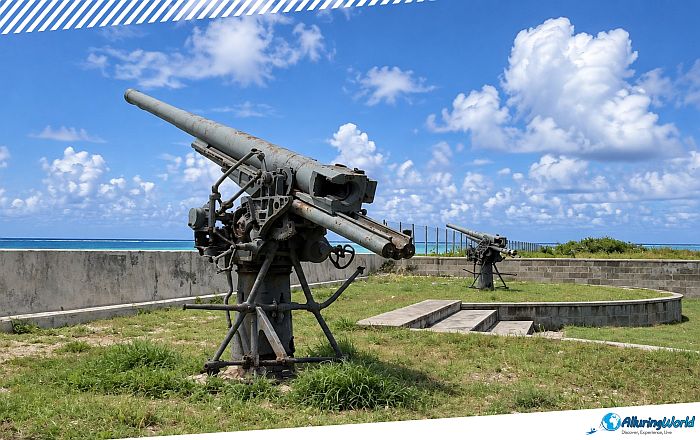
Among these, the Japanese WWII ruins are some of the most tangible and historically poignant remnants of the Pacific campaign. These monuments are solemn reminders of the sacrifices made during this war and the importance of the islands to the war effort in the central Pacific region. The ruins, especially those found in Tarawa Atoll, Makin Atoll, and many other important islands, provide tourists with an opportunity to learn about the history and to marvel at the strength of Kiribati’s people and their land.
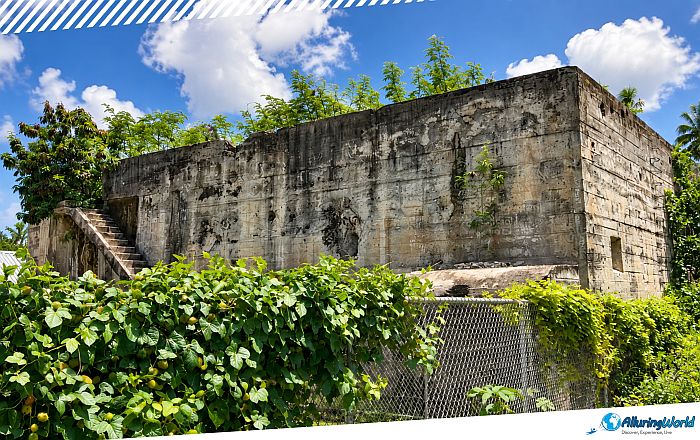
The best-preserved and most accessible ruins from the Japanese WWII era can be seen on Betio Islet, which is a small island part of the Tarawa Atoll. Tarawa is known worldwide for the Battle of Tarawa, which took place in November 1943 and was one of the most brutal battles on the Pacific front. This was a bitter fight between the U.S. Marines and the Japanese forces, so today Betio preserves the remnants of this quite brutal confrontation.
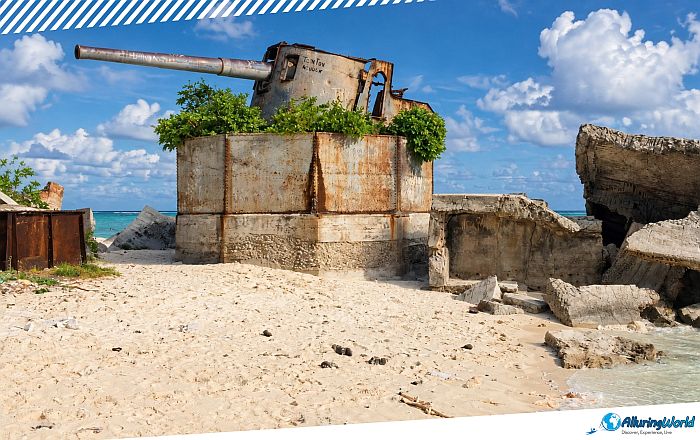
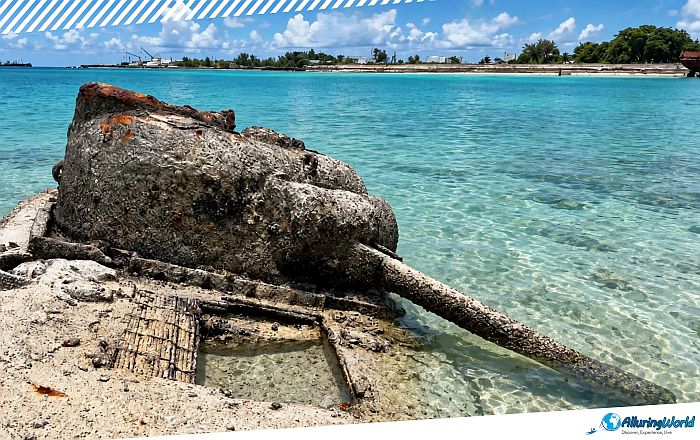
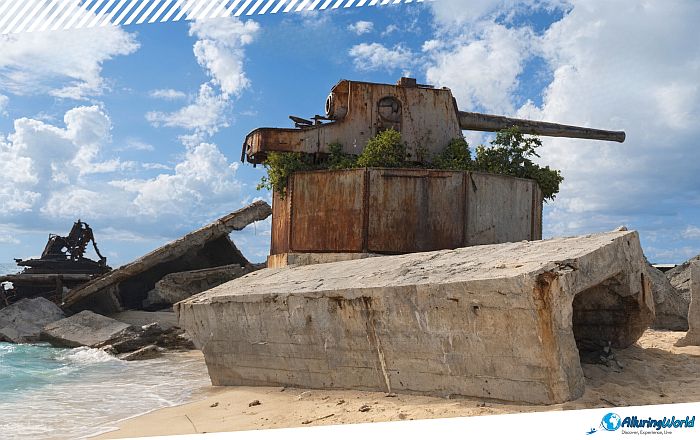
As the place offers you a vivid sense of the scale and intensity of the battle, the shoreline and interior of the islet are dotted with rusted heavy coastal guns, including 140 mm (5.5 inch) mounts and massive 203 mm (8 inch) Vickers guns, still fixed within their concrete emplacements, aimed toward the lagoon and distant horizons. These imposing installations, many partially overgrown by tropical vegetation, evoke the strategic foresight and determination of the Japanese defenders.
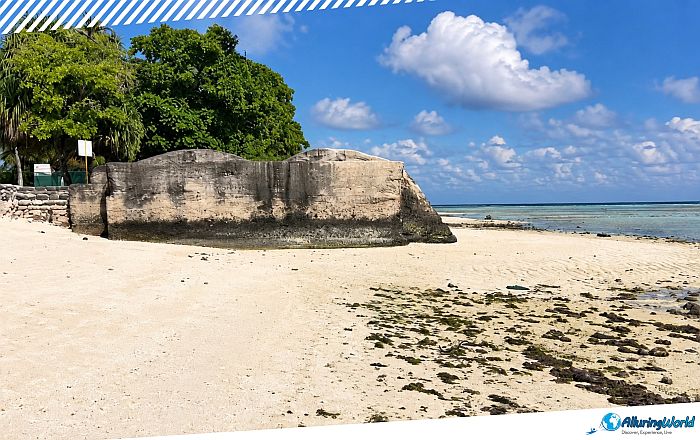
In addition to the coastal guns, there are many pillboxes, machine-gun positions, and command posts on Betio Island. These facilities are heavily scarred and damaged, as expected, with concrete shells full of bullet holes and cracks. When you explore this site, it provides insight into the network of defense that had been thoughtfully constructed by the Japanese in order to defend against the amphibious attacks of the Allied Forces. The abandoned ammunition dump sites scattered throughout the area provide some idea about the nature of this siege. The lagoon that surrounds Betio is no less eerie, as the bones of American landing craft and other vehicles are still half-submerged here after being disabled or sunk in their effort to get through the coral reef. Nonetheless, the years have taken their toll on some of these wrecks, which are now covered with coral and provide a new home for fish.
ADVERTISEMENT
Other islands in Kiribati also retain Japanese WWII relics, though they are visible on a smaller scale. Makin Atoll, known today as Butaritari, was the site of the 1942 Makin Raid, one of the first American incursions in the central Pacific. Due to the strong offensive of the American forces, the Japanese forces reinforced the atoll afterward, thus establishing defensive gun positions, trenches, and a rudimentary airstrip. Many of these installations, while eroded over time, remain visible and accessible to visitors who are interested in military history. Abemama Atoll, which was taken from the enemy without much of a struggle in 1943 by Allied forces, still has relatively light signs of Japanese occupation. These include fortifications and traces of the infrastructure of an airfield, and even in remote locations such as Kiritimati (Christmas) Island, there are traces of wartime buildings and subsequent military facilities.
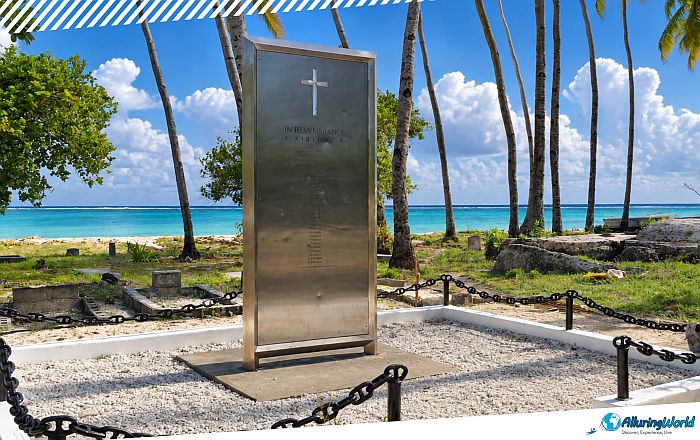
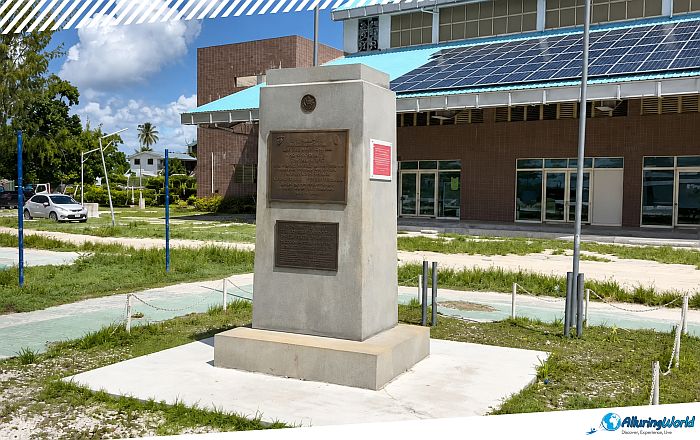
If you want to visit these ruins, they will provide you with a variety of experiences once you are there. They are informal memorials that have attracted veterans, historians, and tourists like you who are interested in learning more about the human and military aspects of the Pacific War. There has been an agreement between the U.S. and the government of Kiribati regarding the preservation of important sites such as the war graves and memorials, making sure that the sacrifices made by both the military and civilians are not forgotten. On the other hand, tropical weather, salty ocean air, and coastal erosion are always posing preservation problems, but the Kiribati government is doing its best to ensure these memorials will remain so that future generations will gain insight into the bloody battles fought in this part of the world.
The environmental changes create yet another aspect to consider because numerous sunken ships and forts have become an integral part of the ecosystem. Rusted ship hulls and submerged vehicles now support lush coral reefs teeming with fish and other marine life; thus, these places that once signified destruction become spots of high ecological activity. Despite the fact that these areas tend to be rather picturesque, you should take into consideration possible dangers; namely, unexploded explosives and deteriorated structures, which will pose significant danger to you.
When considering the ruins of Japanese WW II in Kiribati, you should follow a strategy based on a combination of interest and planning. You should start with Tarawa, which boasts its ruins at Betio, and on the other hand, Makin and Abemama would suit you better if you seek a more personal experience with the relics of war. For visits, the best time of the year is the dry season from May to October, when the weather is more stable and travel between islands is not risky, but it is recommended that you arrange guided tours that give you insight into the history of the site, rather than doing all this yourself. You can still walk around the atoll and see the ruins by yourself, but you might miss some important details.
In summary, the Japanese World War II Ruins are much more than just relics from a war period long ago. They stand as permanent symbols of endurance and sacrifice, as well as the intricate history of the island nation. As you wander around the pillboxes, visit the coastal artillery installations, and even view the coral-covered ships lying in the lagoon, you are given the chance to feel an immediate connection with the past. Not only does visiting the ruins give people a chance to contemplate the history of World War II and its many aspects, but it also gives an idea of the ability of both nature and people to adapt and survive despite everything that had been done to them.