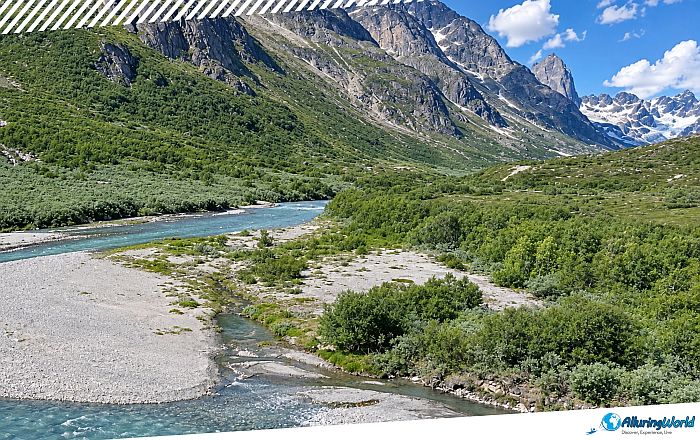
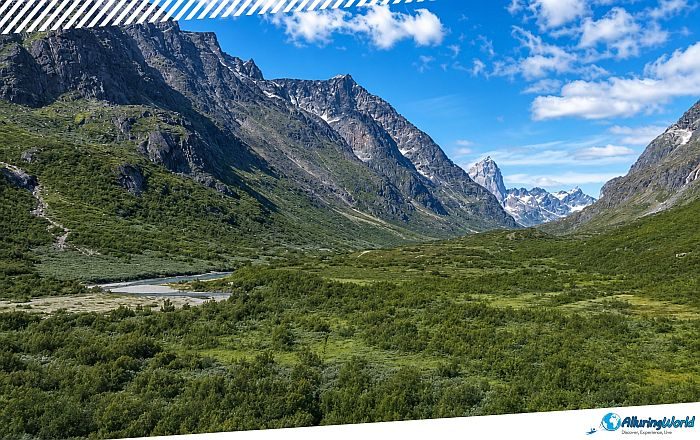
The Qinngua Valley, also known as Qinnguadalen or Paradise Valley, is a secluded and intriguing valley located roughly 15 kilometers (9.3 miles) from the settlement of Tasiusaq, which is part of the Kujalleq Municipality, within the southern part of the autonomous territory in the Kingdom of Denmark in North America, Greenland. Far from the vast ice sheets and frozen landscapes that define Greenland’s image, this remote valley has trees that rise from the Arctic ground, and some rivers flow through green vegetation, forming a scenery that feels almost impossible for its location. Qinngua Valley is one of Greenland’s most extraordinary natural wonders and a destination that challenges everything visitors expect from the world’s largest island.
Qinngua Valley is famous for containing one of the rare natural forests found in the country, considering that the largest island in the world is a desolate and barren place that is mainly rocks and ice. Protected by towering mountains and a unique local climate, the valley provides a sheltered environment where birch, willow, alder, and other plant species can survive and grow much larger than elsewhere in Greenland. The valley stretches approximately 15 kilometers (9.3 miles) and represents a remarkable example of how geography can create a small oasis of life within an Arctic environment. If you are a traveler who seeks unusual destinations, remote wilderness experiences, and landscapes that seem out of place, then Qinngua Valley will offer you one of Greenland’s most memorable adventures that you will not forget.
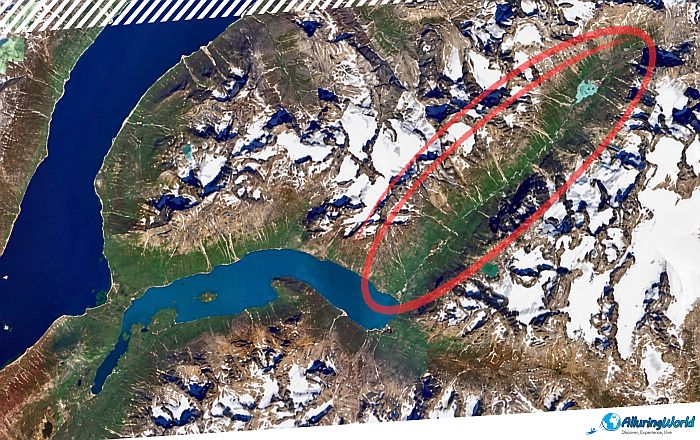
Given that the valley is located in an impressive mountainous area, which is located near the Tasermiut Fjord System, the valley itself is characterized by the presence of high peaks, deep waterways, and stunning Arctic landscapes. In particular, the valley is oriented in the north-south direction and ends near the Tasersuaq Lake, which is a lake whose waters flow into Tasermiut Fjord. Interestingly, the nearby mountains reach an altitude of about 1,500 meters (4,900 feet). This particular geographical configuration leads to the existence of an unusual microclimate for this area, in contrast to other regions in Greenland. The mountains protect the valley from the cold winds blowing from the interior of the ice sheet, while the remoteness from the sea makes the climate somewhat warmer, which is why vegetation thrives here despite being an unlikely spot for forests.
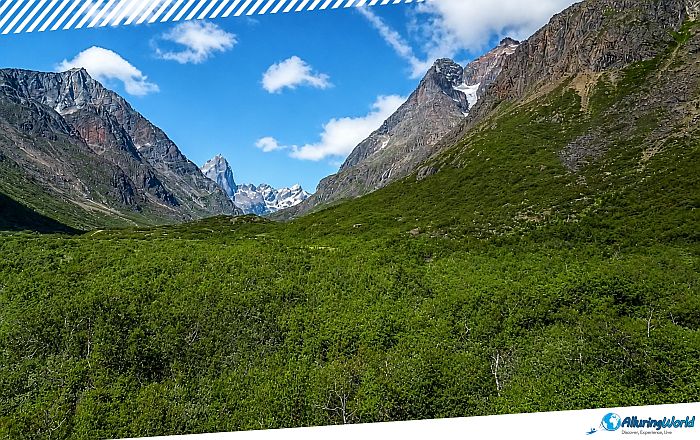
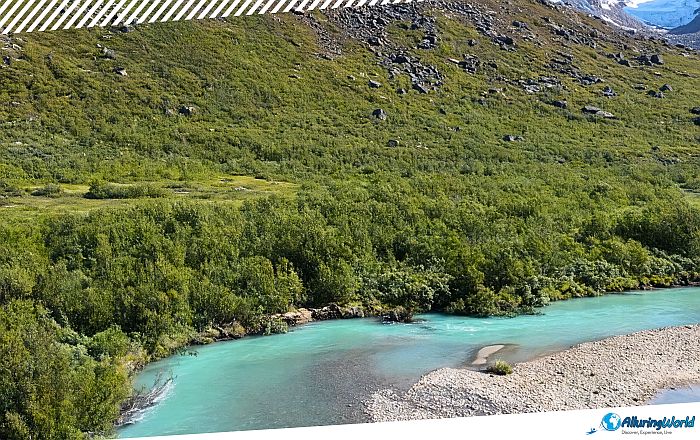
Qinngua Valley’s best-known attraction is the forest found there, something that is a rare occurrence in Greenland where trees are quite scarce. As much as Greenland is perceived as a land of glaciers, ice sheets, and tundra, this hidden valley offers a woodland ecosystem, primarily made up of downy birch and gray-leaf willow, with some trees reaching heights of approximately 7 to 10 meters (23 to 33 feet). In addition to this, Greenland mountain ash and green alder also grow in the valley, adding to its unusual diversity. Over 300 plant species have been recorded here, ranging from flowering plants to shrubs and mosses to lichens, but due to the high vegetation cover, Qinngua Valley is considered one of the most biologically significant sites in southern Greenland. Overall, the forest is not comparable to the vast woodlands of Scandinavia or North America, but its importance comes from its rarity. In a country dominated by Arctic tundra, a naturally occurring forest ecosystem is a remarkable natural phenomenon.
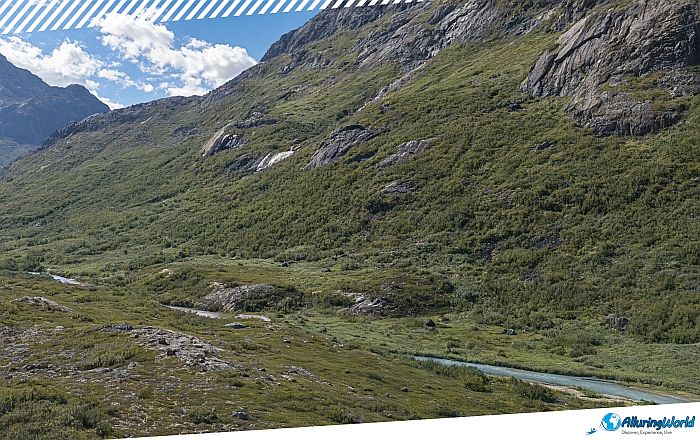
The forest’s presence in Qinngua Valley can be attributed to geological and climate-related aspects, since millions of years ago, glaciers and the natural process of erosion created the hilly landscape of southern Greenland, which includes the valley and fjords. The valley, being surrounded by mountains, is protected, allowing for plants’ survival, as opposed to coastal areas where wind and low temperatures affect plant growth. In short, the Qinngua Valley is like an oasis that provides protection for the flora that lives there. The mountains that surround the valley protect it from the wind, but also its low altitude and distance from the coast ensure that it is warm during the summer months. This means that the trees can reach heights higher than the stunted ones found elsewhere in Greenland. The scientists are convinced that such forests could have been found in different places of Greenland before, but most of them could have disappeared because of human intervention, such as firewood or construction. Qinngua Valley is considered an outstanding case of the plant environment that survived from ancient Greenland.
ADVERTISEMENT
While the flora of Qinngua Valley is its most popular feature, the area also has fauna adapted to life in the Arctic region. Some of these animals include various types of birds and small mammals. The valley’s vegetation provides important habitat for birds, while nearby fjords and coastal areas support marine life, including seals and whales. The wider Nanortalik region is also known for dramatic encounters with Arctic wildlife, especially during the warmer months. If you are more interested in the fauna of Greenland, then the tranquil environment of Qinngua Valley is ideal for you to watch nature. In contrast to other places that are usually crowded with tourists, the valley provides a feeling of absolute seclusion and gives you a chance to see the wilderness of Greenland in a slow travel.
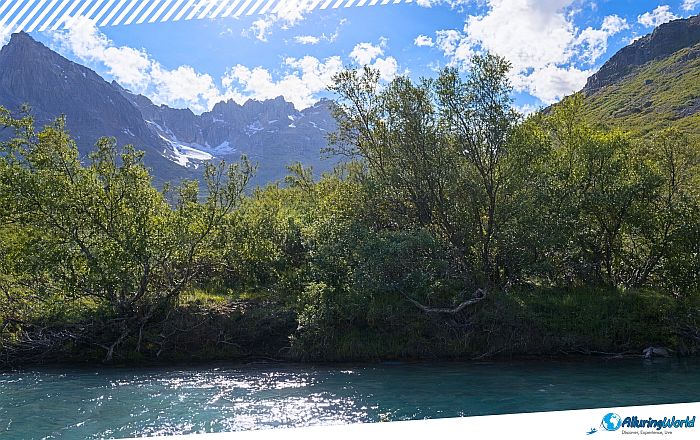
A journey to Qinngua Valley is always an adventurous one. As a result of its location in a far-off area, any trip to this place must be well-planned and is often made as a tour from other towns in southern Greenland, considering that it would be very difficult for you to take a trip by yourself. The journey usually consists of traveling by boat and by foot. Visitors often travel through the dramatic scenery in Greenland’s fjords before finally reaching the valley region; however, the last part of the journey offers amazing views of mountains, lakes, rivers, and plants that you would expect from the region. Once you reach the Qinggua Valley, you can go on walks among the birches and willows, take walks along the streams, take photos of the unique forest area, and view landscapes that appear to be unique for Greenland. The difference in the landscape is what makes this place unique: despite the presence of snowy mountains surrounding the valley, in this protected area, the green vegetation creates an amazing Arctic garden.
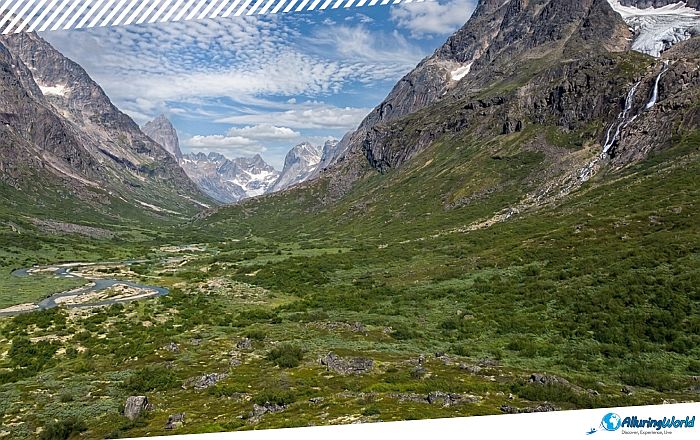
The best time to visit Qinngua Valley is during the Greenlandic summer, from June to September. June and July are excellent months for experiencing the valley at its most vibrant. During this period, the days are extremely long due to the Arctic summer light, and plants are actively growing. Wildflowers bloom, rivers flow strongly from melting snow, and the forest appears at its greenest. Another reason to visit this majestic place in August is that it is an ideal month due to the pleasant weather, along with the emergence of fall colors in the plants. On the other hand, September is a good choice for those who prefer to travel off-season, as there won’t be that many people who would come, as the weather is rapidly changing and it gets colder. While not recommended, you can do a winter visit, which will be extremely challenging due to the snow, limited transportation options, and harsh weather conditions. Since access depends heavily on local boats and weather conditions, you are safe with the summer visit, as it provides the safest and most enjoyable experience.
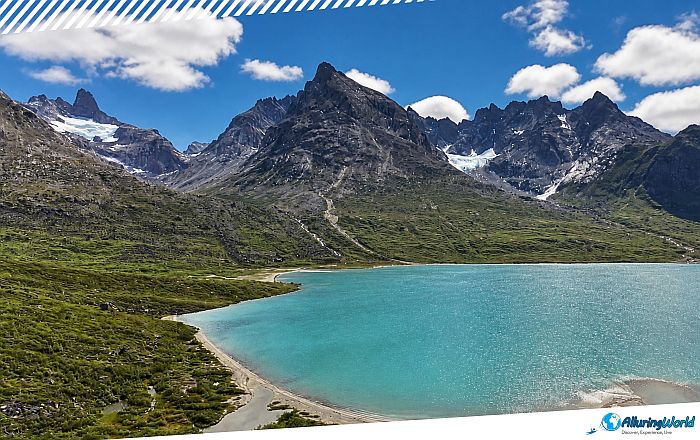
Because Qinngua Valley is a remote wilderness destination, you do not have the luxury of getting certain things, as you would do when around a bigger settlement, such as Nuuk. This is a reason why you should come prepared, so the essential items include:
- Waterproof hiking boots
- Warm and layered clothing
- Rain protection
- Food and water supplies
- Camera equipment
- Insect protection during summer months
Because Greenland’s weather can change quickly, even during the Greenlandic summer months, wind, rain, and temperature drops are common, so preparation is important. Furthermore, you should also respect the fragile ecosystem since the forest environment is extremely rare, and you should remain on established paths whenever possible to help protect vegetation that has survived for thousands of years.
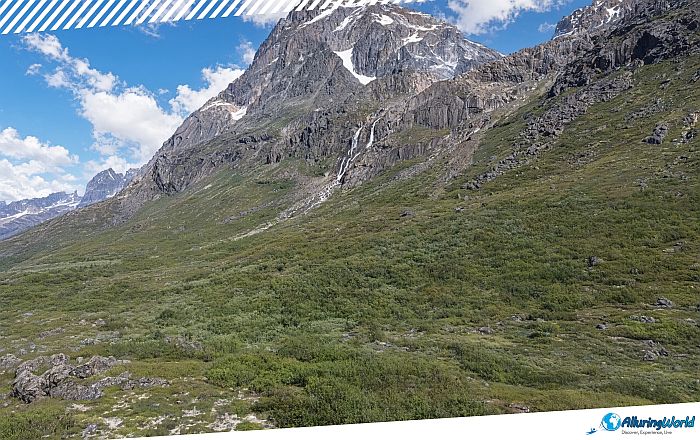
Southern Greenland has a vast human history going back thousands of years. For many generations, there have been Inuit communities that have existed in the area, thus forming various traditions associated with hunting and fishing. The valley’s landscape reflects this long relationship between people and nature, as the plants, waterways, and wildlife that live here have provided resources and shaped local knowledge of the land. The nearby settlements continue to preserve Greenlandic traditions while welcoming visitors interested in experiencing the region’s unique environment and culture. The Qinngua Valley is not simply a forest in Greenland that you should visit. The valley represents the power of nature to adapt itself in the most difficult of environments on the planet. For adventurous travelers, photographers, hikers, and nature enthusiasts, Qinngua Valley will give you a rare opportunity to discover a side of Greenland that few people ever experience. While the journey to Qinngua Valley requires effort, the reward is a landscape that feels almost mythical.
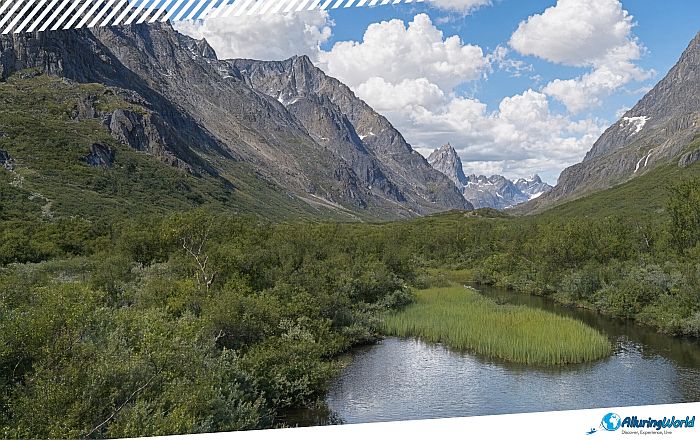
In summary, Qinngua Valley is one of the natural wonders of Greenland, a remarkable place of natural beauty found within the mountains of southern Greenland. With its special climate, distinctive flora and fauna, and amazing scenery, it is one of the most captivating places to visit in Greenland. Being under birch trees among the challenging landscape of Greenland makes you appreciate views that only a few places offer, and overall, the valley of Qinngua teaches us how nature manages to survive in one of the toughest conditions on earth.