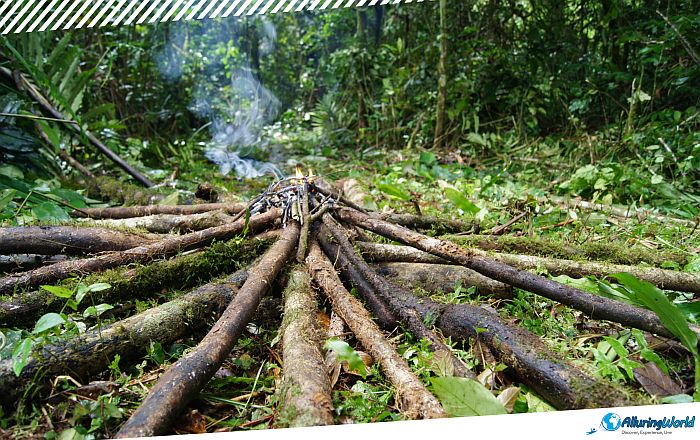
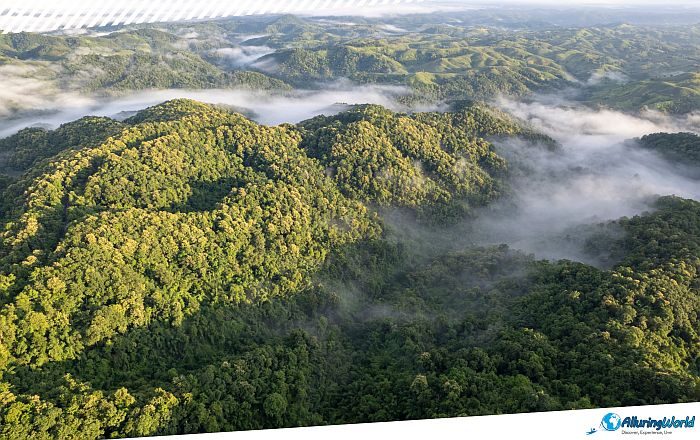
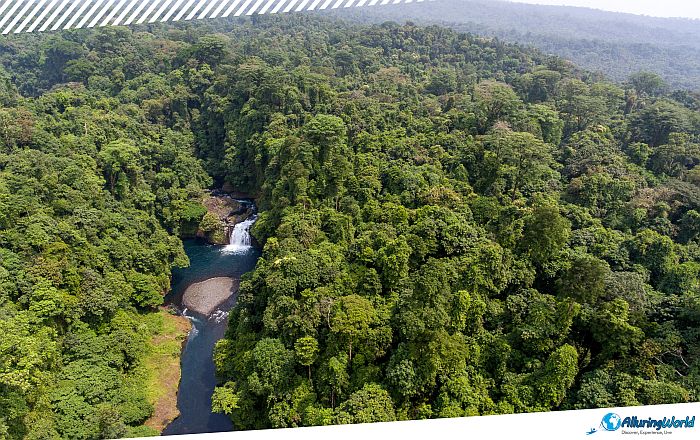
Monte Alén National Park, locally known as Parque Nacional de Monte Alén, is an important and sprawling tropical rainforest reserve located right on the boundary between the Litoral and Centro Sur Provinces, within the central part of Río Muni, which is the continental part that forms the Republic of Equatorial Guinea. The park is one of the most exceptional yet unknown natural wildernesses of Central Africa due to the fact that it covers about 2,000 square kilometers (772 square miles) of pure moist evergreen rainforest, granite mountains, waterfalls, and river channels. Due to its size, it is quite important, as this ecological sanctuary protects a vital core of the Atlantic Equatorial coastal forest zone. Unlike Africa’s heavily visited eastern and southern safari circuits, Monte Alén offers intrepid travelers and naturalists an unscripted journey into a primitive ecosystem where nature operates uninterrupted by modern human development.
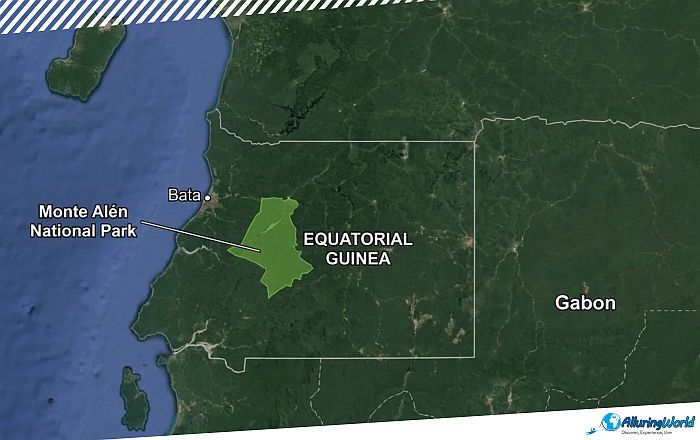
Monte Alén is located on the mainland part of Equatorial Guinea and is also known as Río Muni, and it is about 50 kilometers (31 miles) east of Bata, a dynamic coastal town in Equatorial Guinea. Monte Alén forms part of the Congo Basin rainforest network that is second in size only to the Amazon basin. This striking topography of Monte Alén National Park varies from low-lying and humid valleys rising from 300 meters (984 feet) above sea level to dramatic inselbergs and forested mountain peaks reaching up to 1,200 meters (3,937 feet). At the heart of it all is Monte Alén, which rises dramatically from the landscape with its cover of forest. Alongside Monte Alén, the rugged Monte Mitra massif forms part of the park’s highlands, while hidden deep in the forest interior lies Lake Atoc (Lago Atoc), a secluded waterbody that serves as a vital gathering spot for forest elephants and sitatunga antelopes. Torrential tropical rain that fell on this area over millions of years and tectonic pressure worked on the Precambrian granite basement rocks, resulting in deep ravines, escarpments, and cascading waterfalls along the Uoro and Lana River systems.
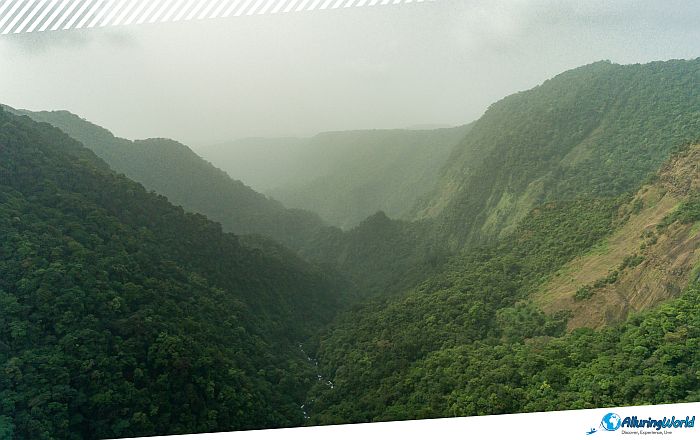
Because of its location on the Equator, the reserve is blessed with very heavy rainfall, as is to be expected in this part of Africa. Yearly rainfall may exceed 3,000 mm (118 in), and this results in diverse plant communities, with one being able to move within a day’s hike through tropical lowland forests, swamp forests, bamboo forests, and sub-montane cloud forests at ridge tops. The official founding year of Monte Alén National Park was 1997, when this park was designated as such to conserve the biological heritage of Equatorial Guinea amid rapid changes to the country’s economy. With the growing offshore oil drilling in the late 1990s, the government decided to protect important areas on the mainland in order to avoid habitat destruction, and Monte Alén was considered to be among the more important areas in the country. As this was a wise decision, today, Monte Alén is considered to be the country’s jewel among the protected areas, locally referred to as Sistema Nacional de Áreas Protegidas de Guinea Ecuatorial.
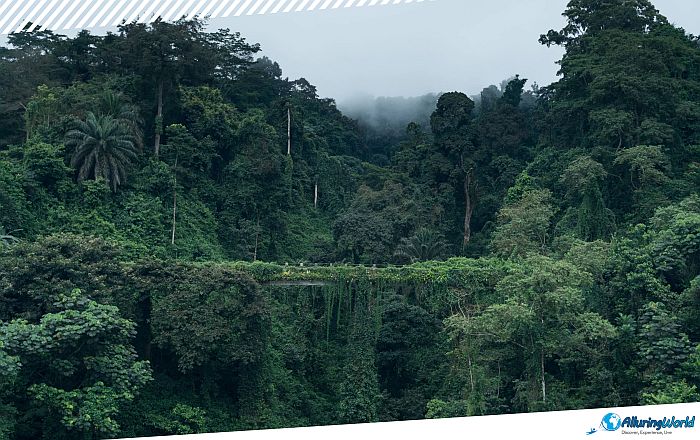
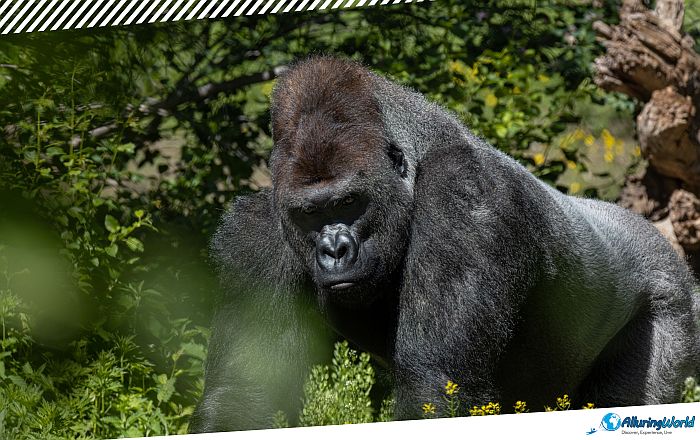
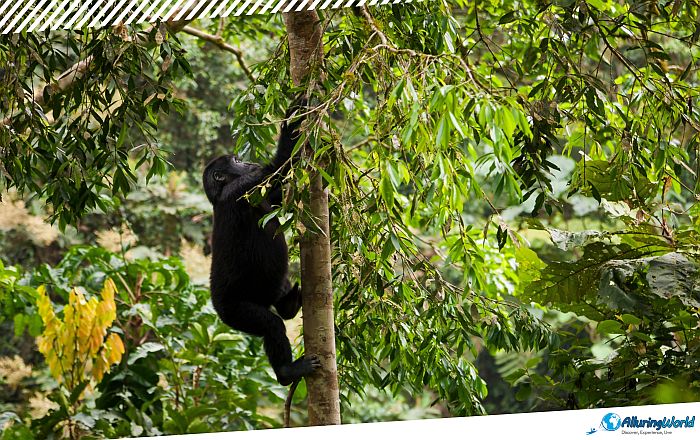
Nevertheless, the ecological importance of the park is not confined within the borders of the country since the park acts as a sanctuary for the megafauna, which is facing pressure due to poaching and habitat destruction in Central Africa. Furthermore, because huge parts of Monte Alén National Park are still unmapped, researchers keep on discovering new plants, insects, and amphibians, thus underlining its immense value to international conservation biology. Overall, the biodiversity of Monte Alén is breathtaking and should not be underestimated. The multi-layered forest canopy, which frequently reaches heights above 40 meters (131 feet), shields a teeming world of terrestrial mammals, reptiles, and avian life. Among the most ecologically significant mammals in the park are great apes, including gorillas and chimpanzees, though their wild nature and dense habitat make sightings rare and elusive. Monte Alén is one of the premier sanctuaries in the Gulf of Guinea region for these endangered primates. Healthy populations of western lowland gorillas (Gorilla gorilla gorilla) roam the secluded inner zones, moving in social family units led by dominant silverbacks. Unlike their mountain cousins in East Africa, western lowland gorillas inhabit dense, low-altitude tropical terrain and feed primarily on herbaceous shoots, leaves, and seasonal wild fruits.
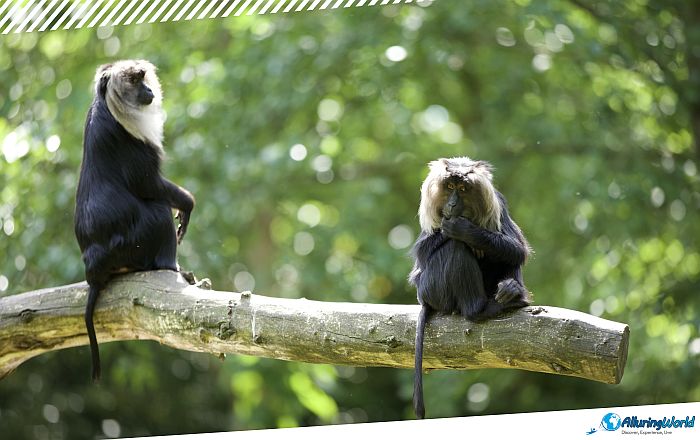
Yet, sharing these lush canopy corridors are central chimpanzees (Pan troglodytes troglodytes). As they are highly intelligent primates that are known for their complex social behavior, they can often be heard vocalizing from the river valleys. Other notable primates found within the forest include:
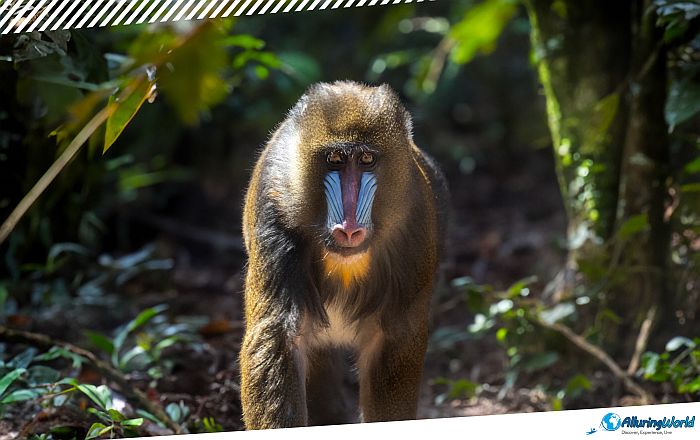
- Mandrills (Mandrillus sphinx), featuring vibrant facial coloration.
- Black colobus monkeys (Colobus satanas), restricted to high canopy zones.
- Multiple species of guenons and mangabeys.
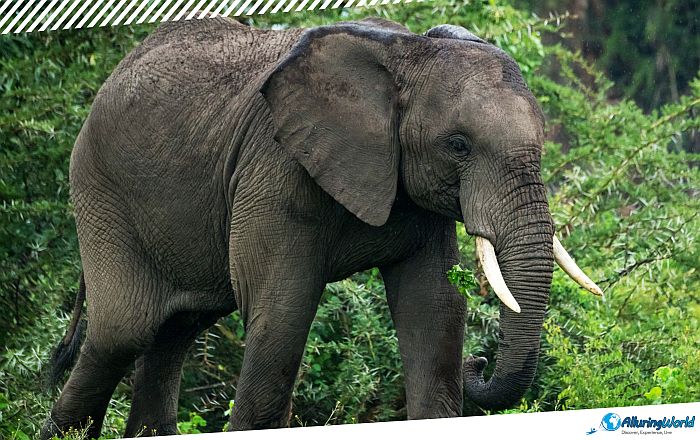
Other mammals that can be encountered at the park are the cryptic African forest elephants (Loxodonta cyclotis), which play a vital role as ecosystem engineers within the park. Distinctly smaller than their savanna relatives, with straighter tusks and rounded ears, these mammals clear dense pathways, disperse large rainforest seeds, and create mineral licks utilized by other wildlife. Joining them in the shadows are elusive African leopards (Panthera pardus), giant forest hogs, forest buffalo, bushbucks, and various duiker species.
ADVERTISEMENT
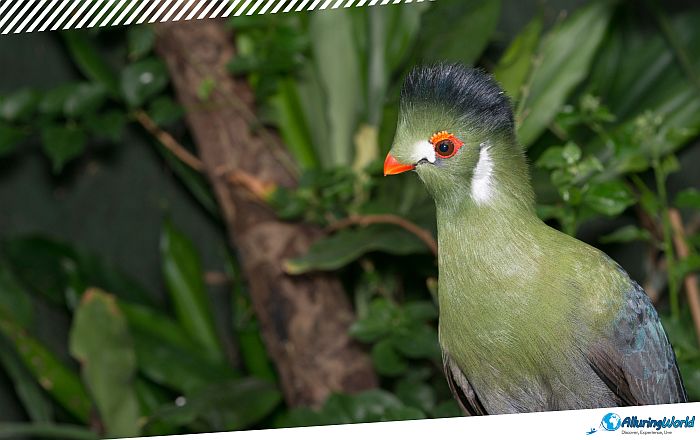
To birdwatching enthusiasts, Monte Alén offers much hope because there are over 265 bird species that have been found within the park. Among these birds, birdwatchers can search for the endangered bare-necked rockfowl (Picathartes oreas), which constructs mud nests on overhanging granite rock faces and cave walls, as well as black-casqued hornbills (Ceratogymna atrata), gray parrots (Psittacus erithacus), and forest turacos. Overall, the humid understory also supports the Goliath frog (Conraua goliath), the largest living frog on Earth, capable of growing up to 32 centimeters (13 inches) in body length and weighing over 3 kilograms (6.6 pounds). Monte Alén marks the southern boundary of this endangered giant amphibian’s global range, where it thrives along fast-moving, rocky river cascades.
The diverse biological environment of Monte Alén is closely connected with the cultural background of the indigenous Fang tribe, who form the majority ethnic community in mainland Equatorial Guinea. Traditionally, communities living around the park have been strongly connected with the forest in an ancestral way, using the flora of the forest for various purposes. This explains why modern conservation approaches in the park are giving increased focus to community forestry and eco-guide programs. Through such programs, conservation groups train locals in ranger and tracking skills, hence ensuring protection of the ecosystem and providing sustainable economic activities other than poaching and logging. The difficulty of reaching Equatorial Guinea makes exploring Parque Nacional del Monte Alén a real expedition that involves preparation and fitness. This is because there is no safari infrastructure at all in the park, so if you would like to get the genuine experience of the wilderness without crowds, then this would be the place for you. Travel usually starts by car from the coast, usually from the city of Bata to inland towns such as Niefang or Evinayong. Multi-day expeditions deep into the park’s interior typically operate out of Esamalan Camp, a rustic wilderness basecamp used for overnight tracking treks into great ape territory.
If you have already planned your trip and have local guides to show you this majestic place, then consider the following trail and safety tips:
- This is not a place to hike alone, and always hire an authorized park ranger or local guide, as trails are unmarked and the dense canopy makes navigation difficult.
- You must always wear high-ankle waterproof trekking boots, lightweight long clothing, and high-concentration insect repellent to guard against humidity and biting insects.
- Secure all park entry permits, photographer allowances, and military checkpoint papers in Bata or Malabo prior to departure; entry permits are managed under the regional ECOFAC conservation framework and cost 10,000 XAF (CFA francs) per person per day, plus local guide fees.
Since Equatorial Guinea features a hot, humid tropical climate year-round, timing your visit is a crucial detail you should consider. Temperatures inside the park generally range between 22°C and 30°C (72°F and 86°F), though humidity levels consistently hover near 80% to 90%, making the entire journey quite difficult to complete. The ideal times to trek are when it is relatively dry; that is, between December and February (the major dry period) and June to September (the minor dry period). Trekking becomes quite a bit easier due to fewer muddy tracks and fewer river crossings as well, but it is important to note that unexpected rain can occur at any time, so you should be prepared for any situation.
Despite the protected status the park enjoys, it is constantly under ecological pressure. Bushmeat hunting is an ongoing threat because of the demand in urban areas, but to top it all, logging licenses and agriculture near the reserve pose further threats to wildlife corridors. To protect this national treasure, the park collaborates with conservation non-governmental organizations and the Ministry of Agriculture, Livestock and Forests of Equatorial Guinea in order to enhance park patrol and monitoring and support ecotourism in the country.
In summary, as visitors walk below the green canopy of Monte Alén National Park while hearing the sounds made by gray parrots as well as forest elephants through the thickets, they are reminded of the kind of Central African coast that has existed for thousands of years. As such, one of Africa’s last few pristine rainforest frontiers, Monte Alén will offer you a unique adventure and unforgettable experience in exploring the unspoiled heart of Africa.