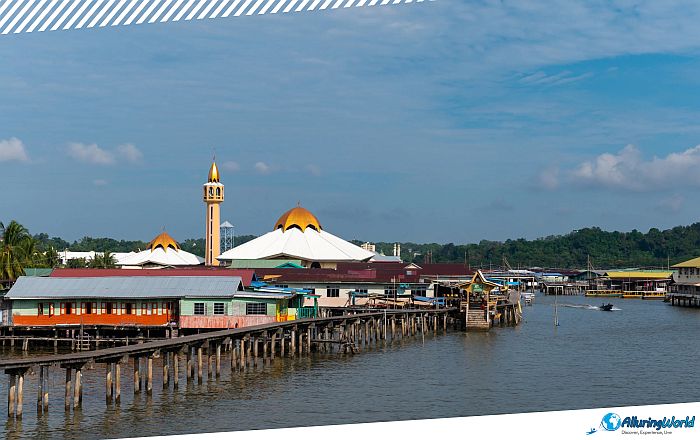
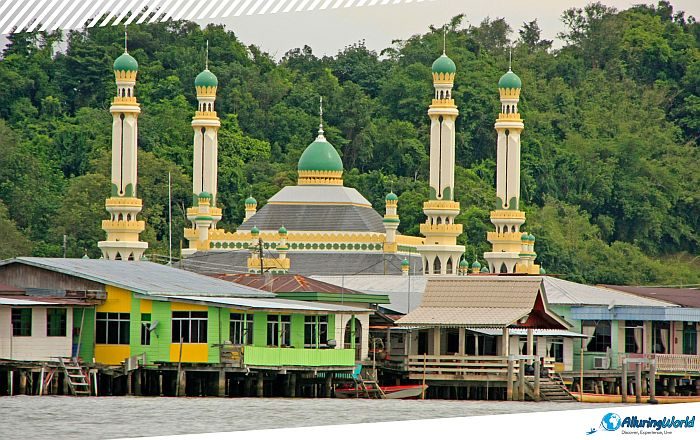
Kampong Ayer is a unique water village that is the world’s largest water village, located on the Brunei River, right in the southeastern part of Bandar Seri Begawan, the capital city of Brunei Darussalam. Drifting over the smooth waves of the river that flows through the capital city, the modern skyline of Bandar Seri Begawan makes way for the architectural wonder that is completely suspended above the tides. Kampong Ayer has wooden walkways that extend out into the water as if they are the fingers of a web, joining thousands of colorful stilt houses, residential alleyways, floating schools, and green-domed mosques. This interesting and expansive watery city has been the beating heart of Brunei for over a thousand years.
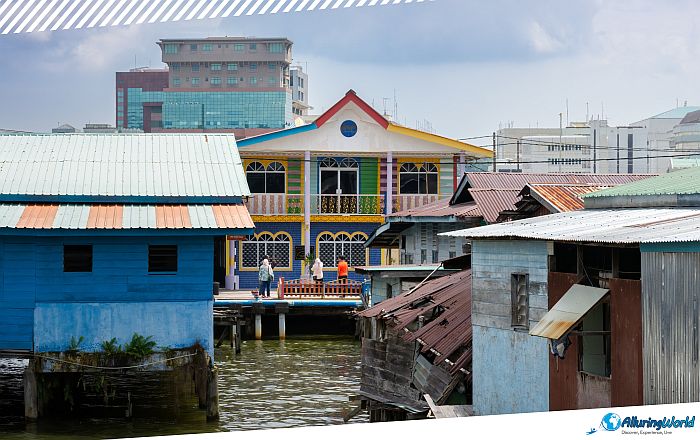
Often called the “Venice of the East” in reference to a title that was first given by Italian explorer Antonio Pigafetta during the Magellan expedition in 1521, Kampong Ayer is more than a tourist attraction. In fact, this is a functional city in its own right, which is constructed using both wooden and concrete stilts, and for centuries the city has been the center of political power in the Bruneian Empire, a thriving trading port, and the place where Bruneian civilization was born. Even today, Kampong Ayer is considered to be one of the most significant water cities in the world.
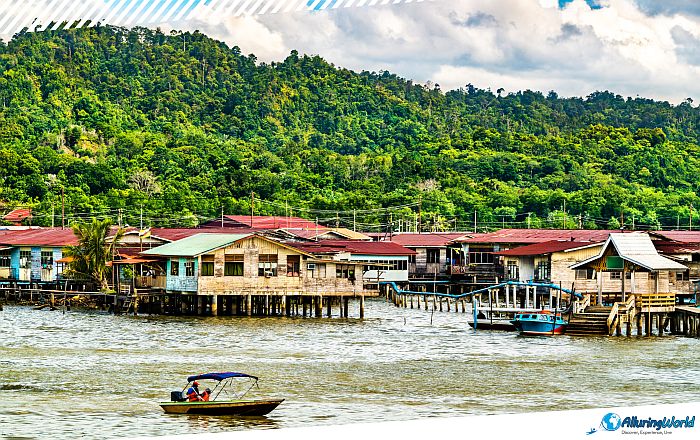
To understand Brunei as a modern state, it requires first an understanding of Kampong Ayer. Well before any urban development on land shaped the country’s capital, the early settlers chose to reside right next to the Brunei River. The location offered distinct strategic advantages, for example: immediate access to abundant marine resources, natural protection against territorial land raids, and direct entry into Southeast Asian trade routes; thus, choosing the location was key to the further development of Kampong Ayer. In the heyday of the Brunei Sultanate that spanned from the 15th to the 17th centuries, Kampong Ayer became the hub of politics, economics, and administration of the whole empire. Chinese and Western merchants, as well as traders from other nearby archipelagos, would drop anchor at its periphery to exchange for spices, camphor, ceramics, and hardwoods.
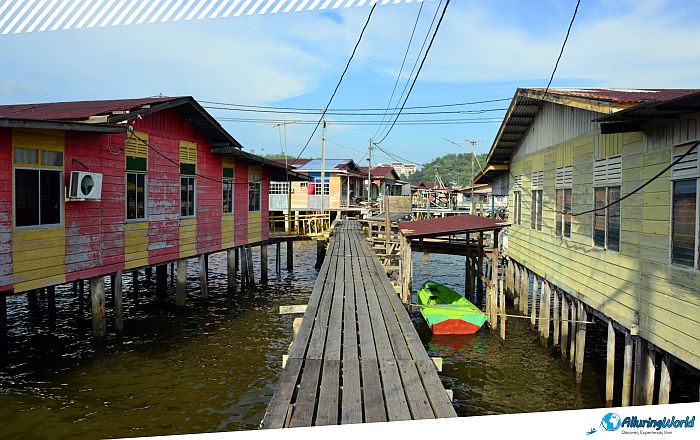
When the Europeans started traveling to this part of the world, they depicted a city on the river with a robust population, managed by a sophisticated maritime administrative system. Despite the progress and developments that took place within the nation through the course of the 20th century, Kampong Ayer continued to play an essential role in the very essence of the nation, and managed to bring the old spirit to a modern state. It is a testament to the enduring cultural value, where early river-dwelling communities managed to develop an advanced civilization without compromising their basic connection with nature.
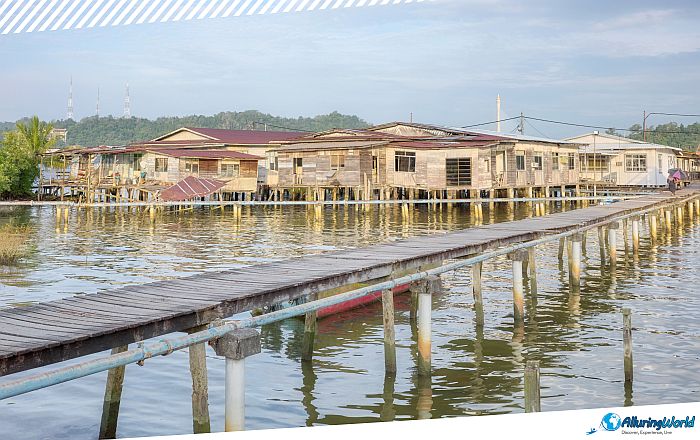
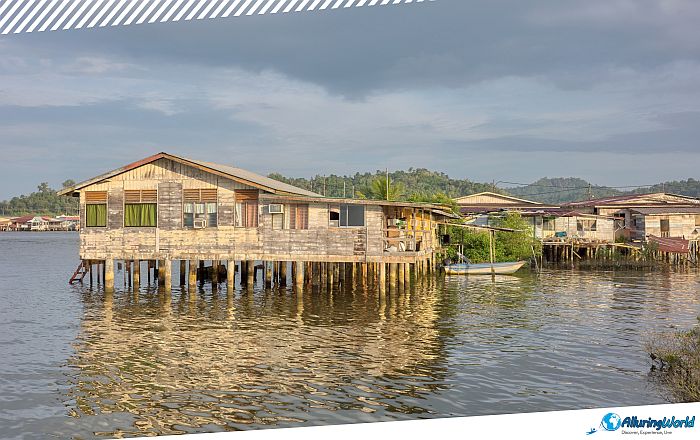
First impressions aside, Kampong Ayer seems like a fragile network of wooden structures that float above the water. Behind its quaint exterior hides an impressively intricate city structure that was designed to endure harsh marine conditions, moving river beds, and a tropical climate. The settlement is split into many smaller villages known as kampongs, and each is run by a village head referred to as a ketua kampong. The traditional house was built using belian, which is a very hard type of ironwood found in Borneo, and when exposed to salt water, this wood becomes even harder. Unlike the traditional stilt houses that used only wood as their framework, these new stilt houses have reinforced concrete and glass windows.
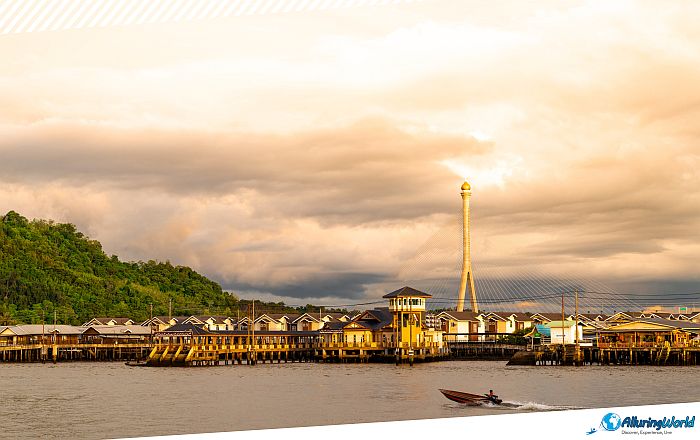
Apart from residential buildings, Kampong Ayer is a full-fledged self-sufficient municipal ecosystem situated above the riverbed. The system consists of:
- Dedicated fire stations and police headquarters equipped with high-speed water jet skis and specialized fire boats.
- Primary and secondary schools connected directly to pedestrian jetties.
- Neighborhood clinics, grocery stores, administrative buildings, and regal, domed mosques that broadcast the call to prayer across the water.
ADVERTISEMENT
Overall, when you are navigating through this water city, you are expected to do a blend of walking and traveling via the rivers. The network of elevated wooden walkways and concrete footbridges that connect the houses enables the people to walk freely from one village to another without having to use any boat. For longer trips to the city and the mainland, the residents use the old wooden water taxis, which are called penambang in their local language. These boats, which are fitted with small outboard engines, are quite nimble and make their way across the river deftly, serving as the main transit route.
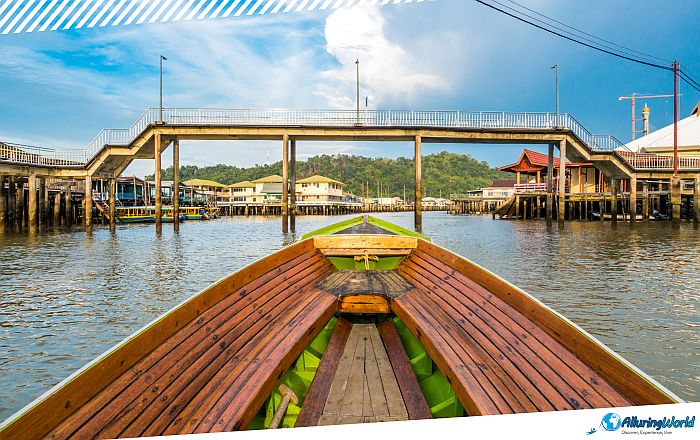
Exploring Kampong Ayer is a chance for you to experience a living heritage community firsthand, something that you might not have seen yet in your worldly exploration. This water village is alive with activity at every turn, unlike the static exhibits found in museums. If you are in Brunei, then you must consider coming to this unique place because you will be able to see everything from children playing in the walkways to fishermen fixing their equipment right in front of their houses. A classic Kampong Ayer adventure starts from the water walkway in the central part of Bandar Seri Begawan. From the wooden jetty right next to the central plaza, you will be able to hitch a ride on a penambang for your own personal river tour. A boat ride is an amazing way to get a glimpse of the magnitude of the settlement. Boat captains navigate through the slim water roads below the elevated footbridges to show you the secret corners of houses, historical meeting points, and the spectacular view of the cityscape amidst mangroves on the river bend, and basically see and experience Kampong Ayer like a local.
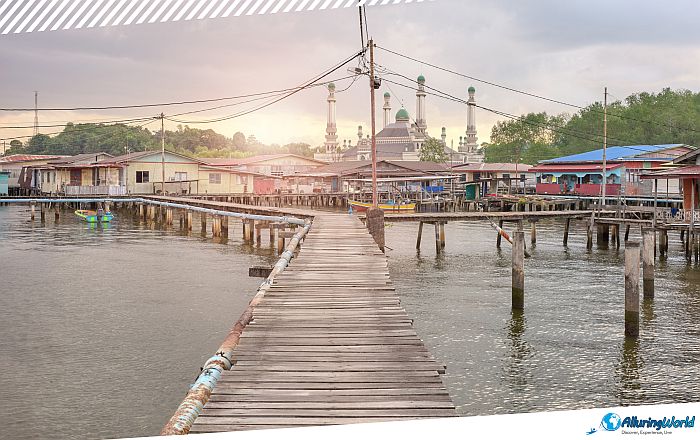
For a more comprehensive view of the architectural development and culture of the settlement, you may visit the Kampong Ayer Cultural & Tourism Gallery situated in the Lorong Sikuna area. This gallery is housed inside a very well-built stilt house that resembles the traditional royal architecture, which is why it is a great place to start exploring Kampong Ayer. The gallery has historical maps, artifacts, traditional weavings, and also the history of life on water, but when you climb to the top of the gallery’s observation tower, you will be given the chance to enjoy an extensive view of both the historical water village and the capital city.
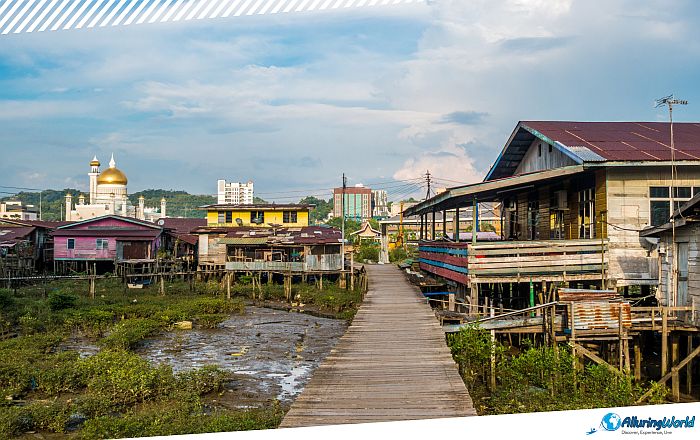
There is an endless possibility for visual narratives in Kampong Ayer. The juxtaposition of bright stilt houses, reflective water, and golden domes of mosques far away makes for great visuals, especially when the day is just beginning or ending. Moving downriver slightly from the main settlement is where one encounters untouched mangrove forest. In this area, visitors are likely to see Bornean wildlife living in the muddy banks of the river, such as:
- Proboscis monkeys swinging through the coastal mangrove canopy.
- White-bellied sea eagles and kingfishers hunting in the shallow waters.
- Monitor lizards swimming along the root networks at low tide.
A visit to Kampong Ayer can easily be integrated into a single-day exploration of Bandar Seri Begawan due to its central location. Since you are already in the capital city, the distance to this historic water settlement can be measured as:
- Omar Ali Saifuddien Mosque: 1 kilometer (0.6 miles) from the primary waterfront boarding piers.
- Royal Regalia Museum: 2 kilometers (1.2 miles) via central city avenues.
- Brunei International Airport: 8 kilometers (5 miles) by car to the central waterfront.
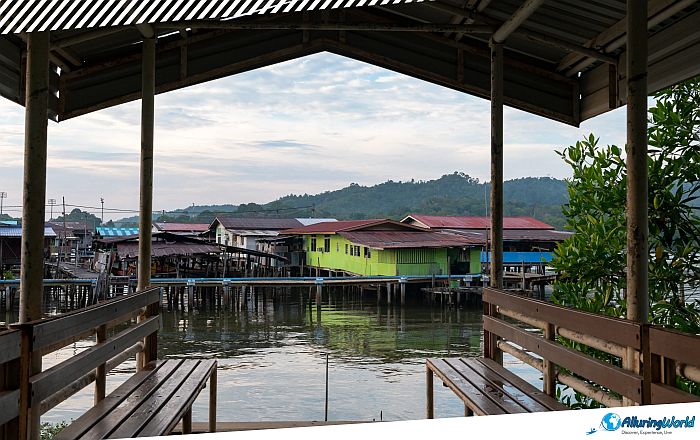
Brunei enjoys an equatorial climate throughout the year, so the best time for you to visit Kampong Ayer is from February to April, which is the driest season, when the average temperature ranges from 24°C to 32°C (75°F to 90°F). Even though the settlement is fully accessible through the rainy season between May and January, there will be afternoon tropical rains that might disrupt the boat ride in the open air. To get the best light and avoid excessive heat, book the boat ride at around 08:30 or 16:30 in the afternoon, as these times can offer you the best photographic possibilities.
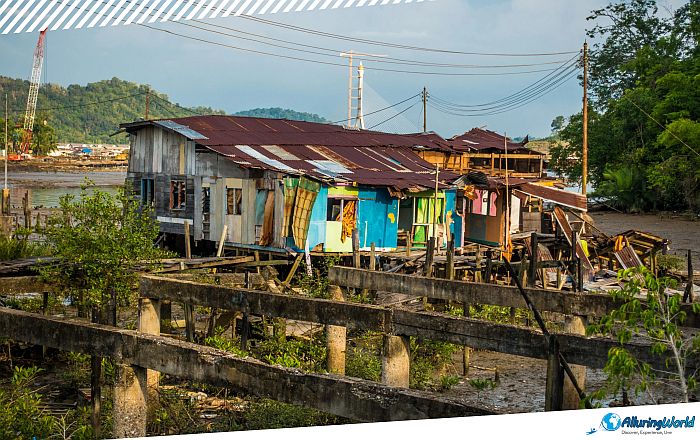
Because Kampong Ayer is a private, active residential community, you must observe the local cultural standards and adhere to:
- Dress modestly out of respect for the local Islamic tradition, ensuring shoulders and knees are covered when exploring boardwalks and public areas.
- Avoid taking close-up photographs of residents inside their private homes without asking permission first.
- Keep noise levels low when walking through residential boardwalks, and dispose of all trash properly to preserve the local river environment.
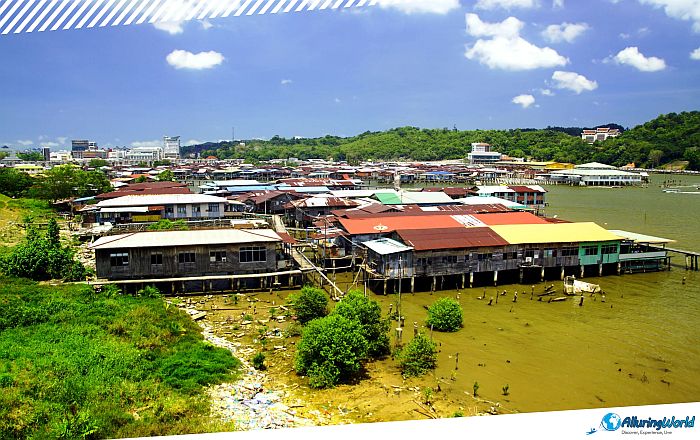
In conclusion, Kampong Ayer continues to be an awe-inspiring representation of how humans adapt and continue to survive throughout time in this part of the world. Whether you’re walking along the picturesque boardwalks or taking a boat ride through the historic waterways in a water taxi, you can see how this community has been able to retain its unique culture above the waters, and why it has become an important part of Brunei’s capital.