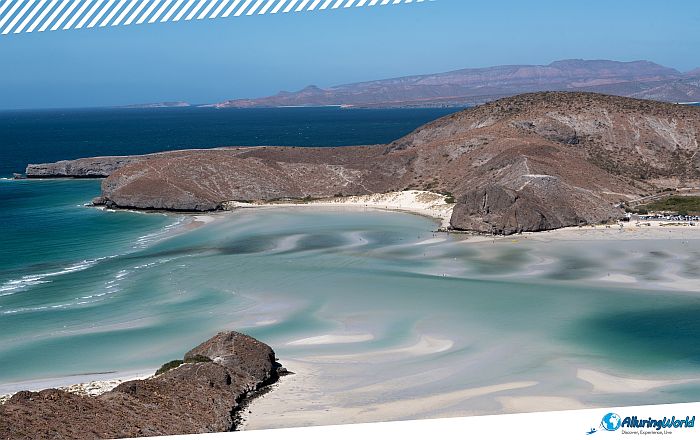
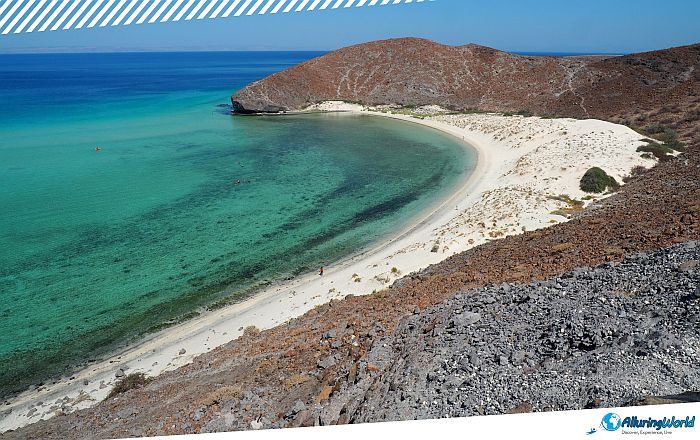
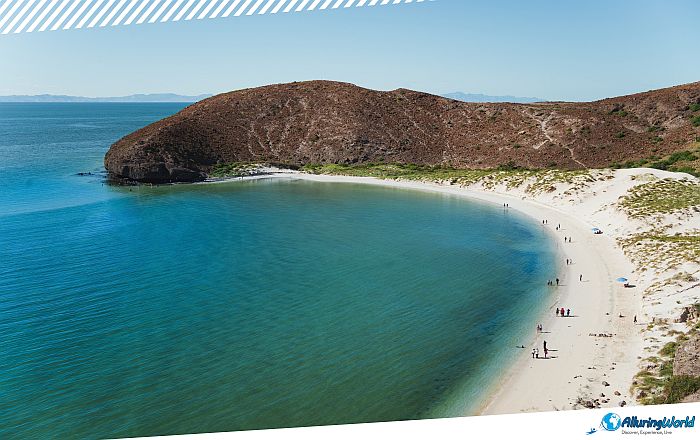
Playa Balandra is a famous and recognizable coastal bay and beach located about 30 minutes north of La Paz, the capital and largest city of the State of Baja California Sur, within the western part of the United Mexican States. Nestled within a dramatic desert backdrop along the tranquil waters of the Gulf of California, Playa Balandra stands as one of Mexico’s most breathtaking natural treasures. Located more precisely 25 km (15.5 miles) northeast of La Paz, this pristine coastal bay is world-renowned for its brilliant turquoise waters, velvety white sands, and calm, shallow lagoon conditions that resemble a giant, natural swimming pool.
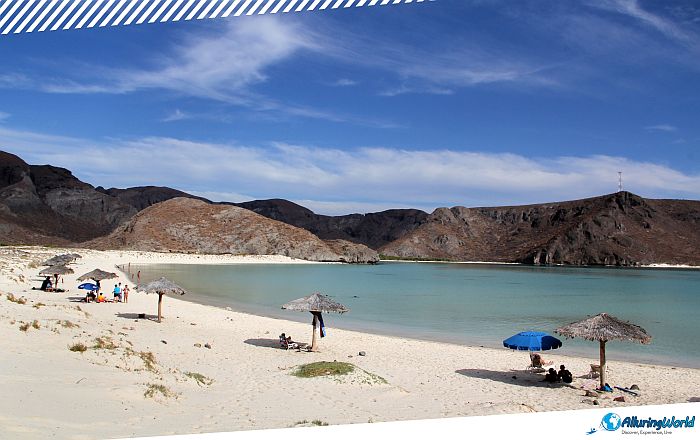
Set against the backdrop of imposing red cliffs and lush mangrove forests, Balandra gives visitors a unique chance to visit an unspoiled coastal heaven that is carefully protected from any form of commercial exploitation. Designated as the Balandra Flora and Fauna Protection Area (Área de Protección de Flora y Fauna Balandra), and also known as an official RAMSAR Wetland site and UNESCO World Heritage Site, the bay is an important ecological preserve for the local flora and fauna. Be it wading through its crystal-clear knee-deep waters, paddling through the mangrove estuaries, or hiking up the ridge trails, your visit to Playa Balandra will entail both planning and compliance with the conservation regulations of the area.
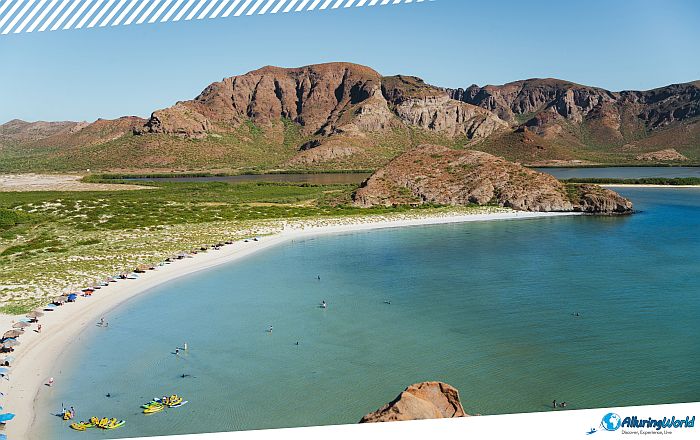
The unique landscape of Playa Balandra is formed by millions of years of geological activity, volcanic activity, and gentle tidal activity in the Sea of Cortez. In contrast to the beaches on the Pacific side of Cabo San Lucas, Balandra is located far into an enclosed bay. The geographic location protects the bay from any strong waves of the ocean, and the result is the calm and crystal-clear water, which rarely rises above waist level for hundreds of meters from the shore.
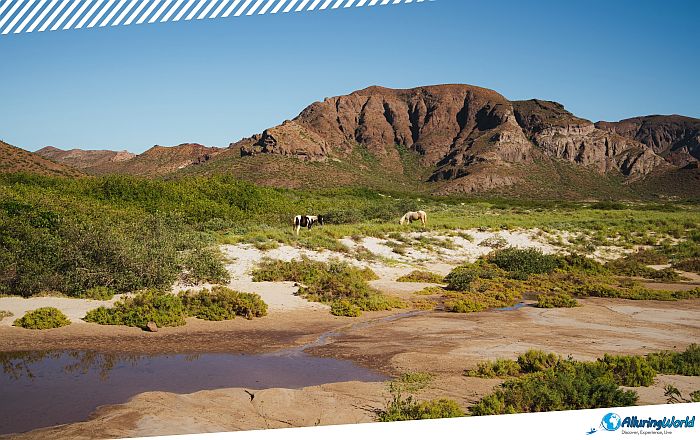
Among the distinctive characteristics of Balandra Bay is the ecosystem around it. The area around the inner lagoon is lined by a thick forest of mangroves, including red, white, black, and buttonwood mangroves, which serve as important nurseries for the wildlife found here by offering shelter and nutrients to more than 30 different fish species, blue crabs, and young sea creatures. Among the most recognizable fauna, it should be mentioned:
- Herons and Egrets: Frequently spotted stalking small fish in the shallow mangrove channels during low tide.
- Blue-footed Boobies and Pelicans: Seen diving for fish in the deeper channels near the mouth of the bay.
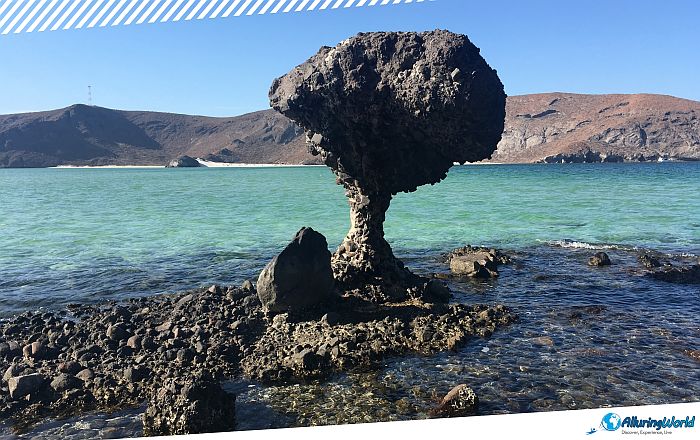
El Hongo (Mushroom Rock) is the iconic geological formation of the bay, which is a unique piece of rock sculpture formed over many years due to the effects of erosion caused by wind and water. El Hongo stands alone near the north end of the main beach and has become the official symbol of the city of La Paz. Due to its fragile nature, as well as the fact that in 1989 the rock collapsed due to people climbing on it, a dedicated restoration project began in 1993, and engineers successfully reconstructed and reinforced the landmark, but since then any physical contact with the formation is not allowed.
In order to avoid the over-tourism situation and protect the sensitive marine life in this coastal region, the local government and the National Commission of Natural Protected Areas (CONANP) have implemented strong management measures in Playa Balandra. It is important that you know about these entrance requirements prior to leaving La Paz. The reserve operates under a strict two-shift daily entry system, therefore capping the number of visitors who are permitted onto the beach during each session at strictly set times:
- Morning Shift: 8:00 – 12:00
- Afternoon Shift: 13:00 – 17:00
Between shifts, the beach is entirely cleared by park rangers to allow the environment to recover for the day and to prevent overcrowding. Because space is granted on a strict first-come, first-served basis, long vehicle lines form early along the access road, so the earlier you get there, the more likely you are to visit Playa Balandra. If you plan to visit during the morning shift, then you should aim to arrive at the entry gate by 7:00 in the morning or even earlier during peak tourist seasons. The peak season runs between December and April, as well as national holiday weekends when locals are trying to enjoy this piece of paradise too.
ADVERTISEMENT
There is also a nominal conservation charge (Brazalete CONANP), which goes towards funding the management, monitoring, and preservation efforts in the park, and this should be purchased online prior to arrival at the beach. The locals with proper identification and children below six years old are exempt from paying this charge. Moreover, on the first Sunday of each month, Playa Balandra becomes the preserve reserved exclusively for local La Paz residents (Balandra para los Paceños).
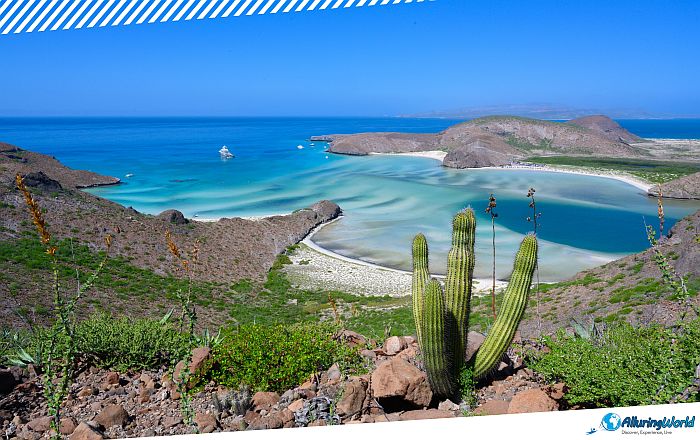
The fact that Playa Balandra is an ecological preserve means that all forms of businesses, hotels, and any form of infrastructure are not allowed in the area. As there are no restaurants, beach bars, equipment rentals, or convenience stores, you must always practice the “pack it in, pack it out” approach. If you are already in this part of Mexico and intend to visit Balandra Beach, then consider the following:
- Zero Waste Policy: All single-use plastics, including but not limited to disposable water bottles, styrofoam containers, and plastic bags, are prohibited inside the reserve. You must bring reusable water flasks and pack out all personal trash at the end of your visit.
- Shade and Essentials: There are no umbrella rentals or shade structures on the main beach. You must bring light pop-up beach umbrellas if you want to be shaded from the strong sun, but also bring reef-safe sunscreen, snacks, and plenty of fresh drinking water.
- Marine Safety (“The Balandra Shuffle”): The soft, warm sand of the shallow lagoon is home to harmless stingrays that frequently rest buried just beneath the surface. To avoid stepping directly on one, always shuffle your feet along the sand when wading through the water rather than taking high strides.
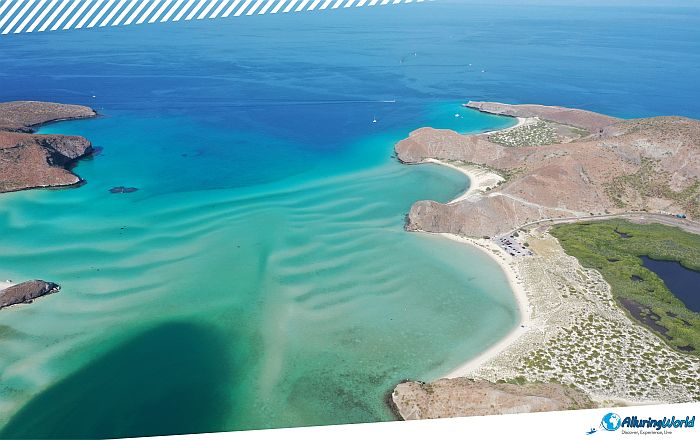
The most popular activity at Balandra Beach is simply walking through its shallow, warm waters. The main bay connects to six adjacent, secluded coves separated by rocky headlands, and at low tide, you can wade across knee-deep water from the main parking area to reach quiet, virtually deserted stretches of sand on the opposite side of the lagoon. You can explore the calm waters by kayak or stand-up paddleboard since this provides an ideal perspective of the coastline. Independent local operators often park near the entrance or outside the reserve boundary during active shift hours, thus allowing visitors like you to rent gear prior to entry. Paddling along the cliffside edges offers clear views of colorful parrotfish, needlefish, and rays swimming through the crystal-clear water beneath your board.
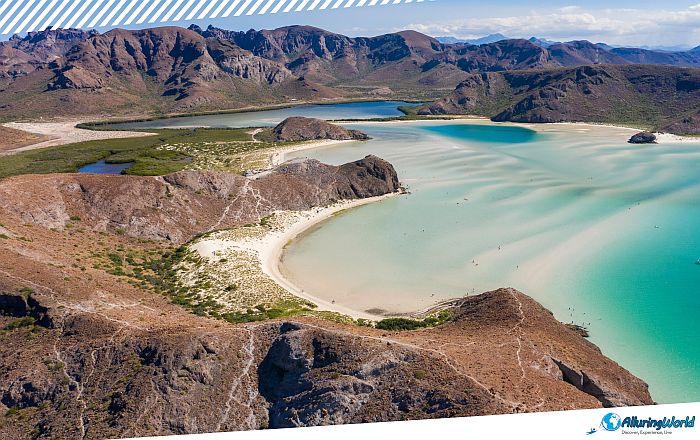
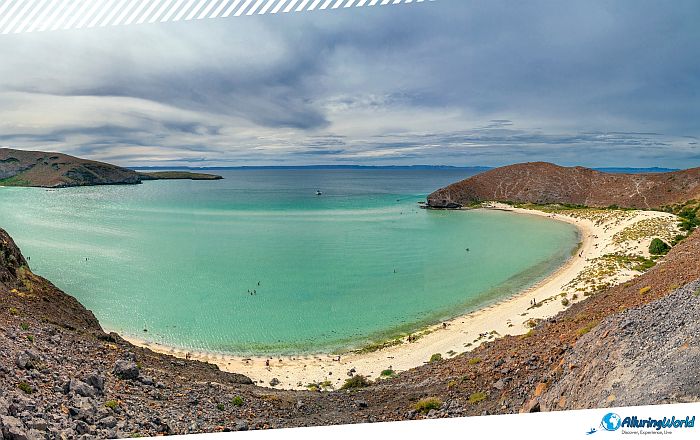
In addition to this, for panoramic views across the Sea of Cortez, there are several established trails you can take that lead up to the surrounding desert ridges. The main lookout trail ascends from the parking lot area up to the highest bluff above Balandra Bay. From this vantage point, hikers can observe the full spectrum of turquoise, cyan, and deep blue water contrasts against the stark desert hills. If you are adventurous and want to hike the area, then consider:
- Trail Safety Notice: Do not wear your flip-flops, and always wear sturdy footwear or hiking sandals with good traction. The desert rocks can be loose and sharp, thus injuring your soles.
- Sun Protection: Mexico is a sunny country, and the trail provides zero shade. Bring a wide-brimmed hat, sunglasses, and carry extra water even if you intend to do short 20-minute climbs.
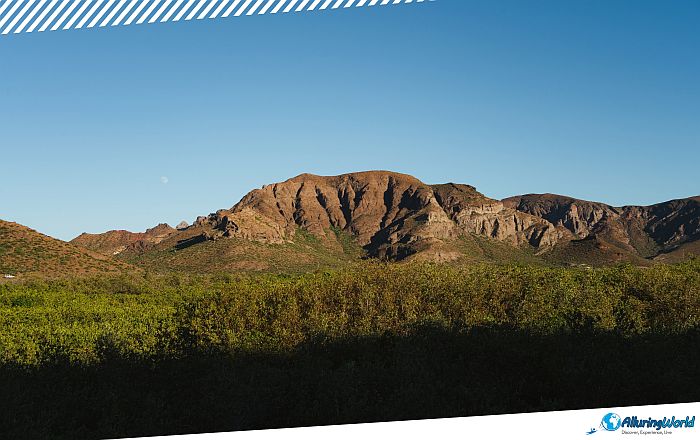
Since Playa Balandra is situated to the northeast of downtown La Paz, it is accessible via multiple transportation options:
- By Rental Car or Taxi: The direct route by Carretera a Pichilingue (Highway 11) is estimated to take about 30 to 35 minutes from La Paz malecon. Continue past the Pichilingue ferry dock, following the signs that indicate directions to Balandra and Tecolote. Parking can be found at the reserve entrance, but spots are quickly filled before each shift begins.
- By Public Bus or Colectivo: The most economical mode of transport to reach Balandra and Playa Tecolote is the buses with Playa Bus that leave from the central bus station (Central Camionera) on the La Paz malecon to Balandra and Playa Tecolote. Make sure that your departure time corresponds to the arrival time for the morning shift.
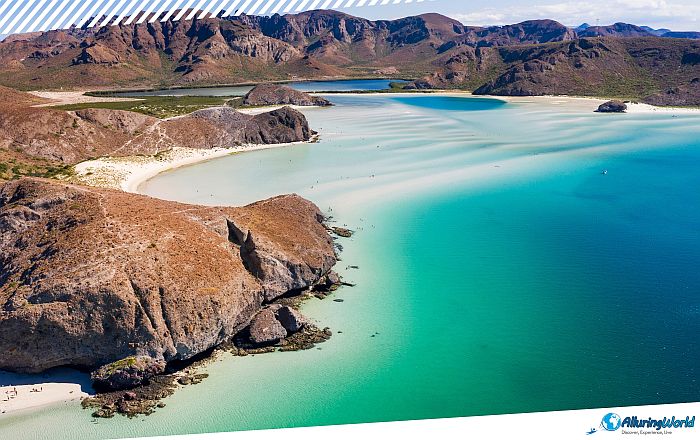
Despite the sunny climate in Baja California Sur all year round, conditions at Playa Balandra vary depending on the season. The summer season (July to October) is characterized by warm sea temperatures, around 28°C (82°F), that are perfect for engaging in aquatic activities; however, the air temperature during the day may rise above 35°C (95°F). During the winter and spring seasons that run from December to April, there is warm and pleasant weather that is perfect for you if you are into hiking and sightseeing, as well as whale watching in the region.
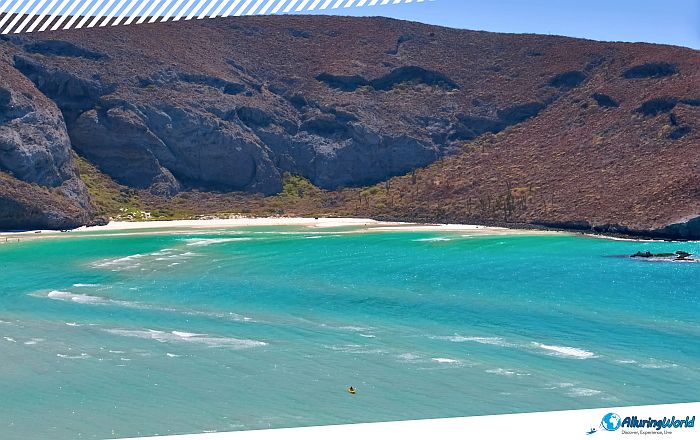
Overall, Playa Balandra is a successful combination of sustainable conservation and public enjoyment. In order to be able to enjoy the best coastal scenery in North America, it is necessary that you respect the opening times of the reserve, follow the Leave No Trace policy, and be well-prepared to leave this place in its original condition as you encountered it.