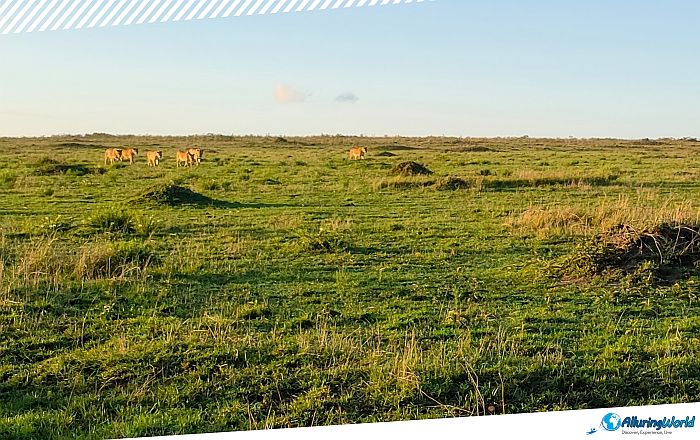
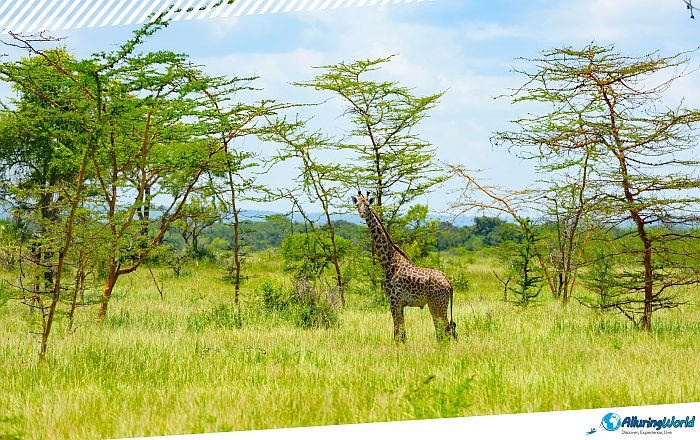
Boma National Park is an important and protected area that is significant for the wildlife that thrives in the area, and it is located in the eastern part of the Republic of South Sudan. Being in a remote corner of the country, Boma National Park is considered to be one of Africa’s largest and most ecologically vital wilderness areas in this part of the continent. Spanning vast grasslands, seasonal wetlands, rugged mountains, and low-lying floodplains, this protected sanctuary represents one of the last remaining intact ecosystems in East Africa.
Boma is situated along the border of Ethiopia and is known around the world for being one of the biggest animal migration sites in the world. Despite its grandeur and significance, Boma National Park has been left relatively untouched by the international tourism industry, considering that ever since South Sudan became independent in July 2011, the country has been going through different crises and wars, so the park was left in its natural state. Still, Boma represents a unique place on the face of this earth where natural rains and wild animals roam the landscape.
With an area of 22,800 sq km (8,800 sq mi), Boma National Park is one of the biggest national parks you can find in Africa. The topography of the park leads to varied microclimates and different habitats, so overall they can be divided as follows:
- The Boma Plateau: An elevated area that rises high above the lowland areas, and is characterized by cool weather, vegetation layers, and amazing panoramas of the eastern plain.
- Lowland Savannahs: Large grassy plains characterized by tall acacia trees, which serve as the primary habitat of large herds of ungulates in times of drought.
- Riverine Wetlands and Floodplains: Areas fed by streams from the Ethiopian Highlands, which become wet and aquatic in rainy seasons.
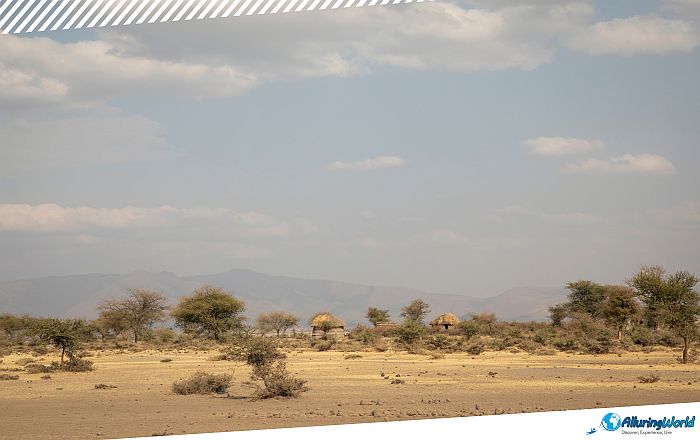
This topography creates a dynamic balance between periods of extreme dryness and sudden abundance, driving the movement of millions of animals across the landscape. Formally established in 1986, Boma National Park was created to safeguard the region’s extraordinary concentration of migratory antelopes and large mammal populations. Numerous wildlife surveys conducted prior to its designation revealed that eastern South Sudan contained animal numbers rivaling the famous reserves of East Africa, which receive a higher number of tourists, such as the Ngorongoro Conservation Area.
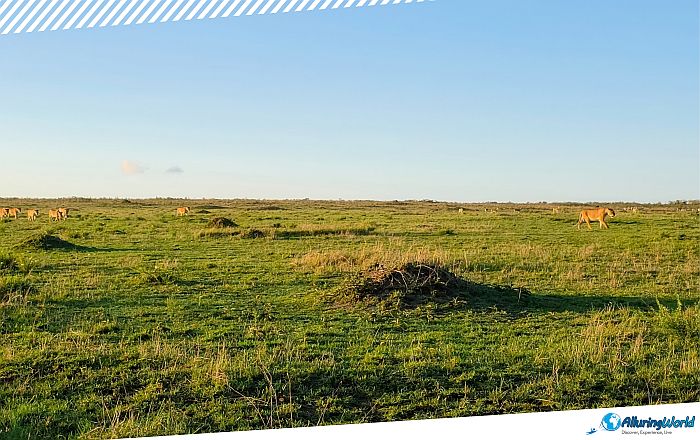
The tale of Boma is closely associated with the ecological history of this area. For many centuries, the ethnic groups have been living at the edges of the park, along with the native wildlife species, and the efforts to conserve the area in Boma do not involve exclusion of humans from the region, but rather promoting the ecosystem that includes humans and animals. While Tanzania and Kenya are famous for the Serengeti wildebeest movement, Boma National Park is another not-so-well-known place that hosts a spectacle of equal scale: the white-eared kob migration.
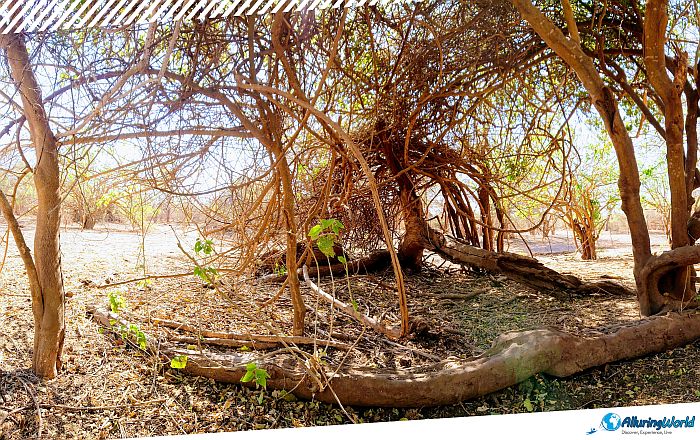
Each year, driven by the changing seasons and rainfall patterns, over one million antelopes traverse the plains of eastern South Sudan. The primary species participating in this massive movement include:
- White-eared Kob: The dominant species of the migration, recognized by the striking dark coat and white markings of mature males.
- Tiang: A subspecies of the topi, moving in large herds alongside the kob.
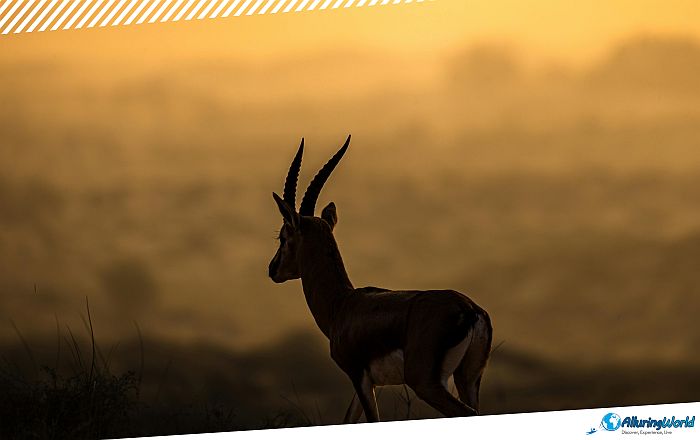
- Mongalla Gazelle: Agile grazers that adapt quickly to shifting dry-zone environments.
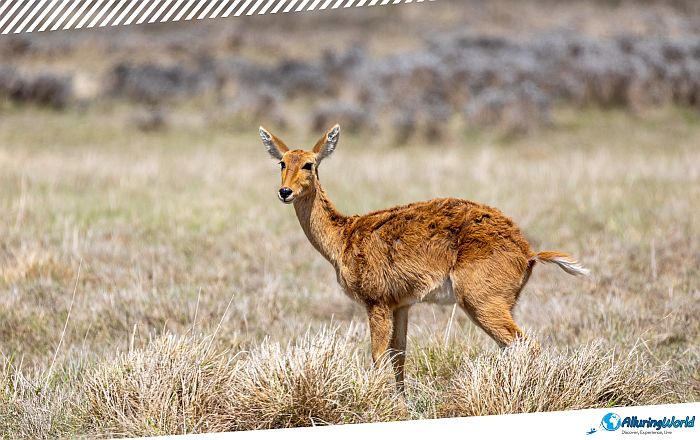
- Bohor Reedbuck: Commonly spotted near rivers and permanent water sources throughout the transit corridors.
This wildlife movement follows an ancient ecological circuit. As seasonal rains fill the northern wetlands, the herds move north to feed on fresh grasses. When the waters recede and the ground dries, they return south toward the permanent rivers near the Boma Plateau.
ADVERTISEMENT
The huge number of herbivores is able to sustain a strong community of carnivores and other mammals. The major predators of Boma include:
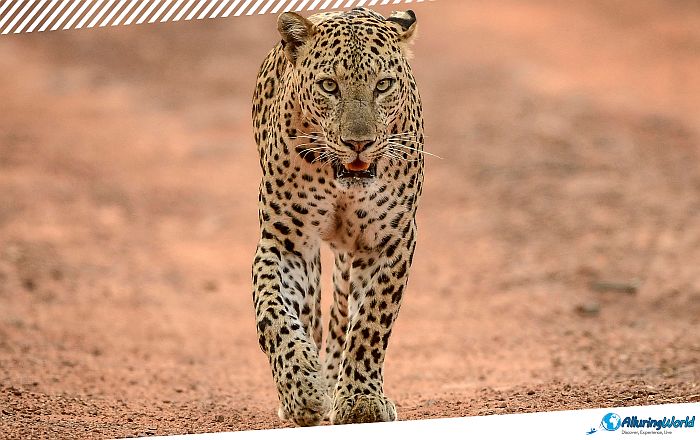
- Big Cats: Lions, leopards, and cheetahs follow the migrating herds on open savannahs and forest edges.
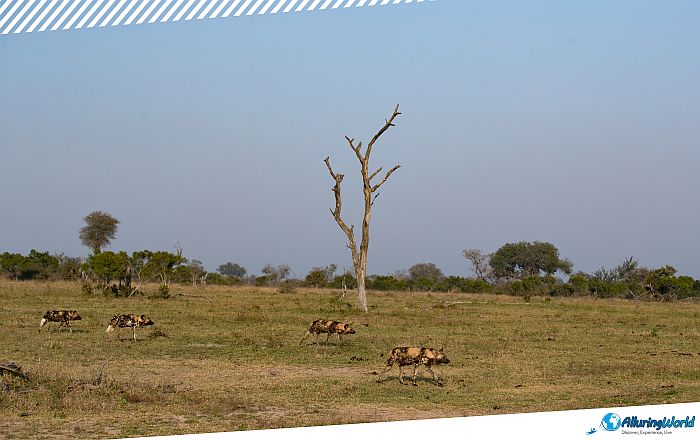
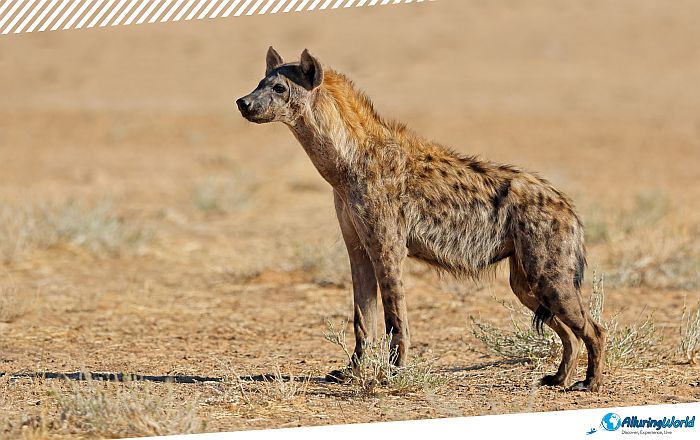
- Scavengers and Pack Hunters: African wild dogs, spotted hyenas, and black-backed jackals play a vital role in keeping animal populations healthy.
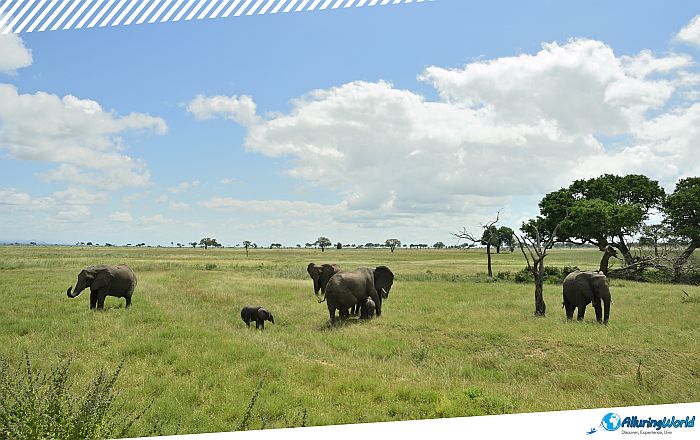
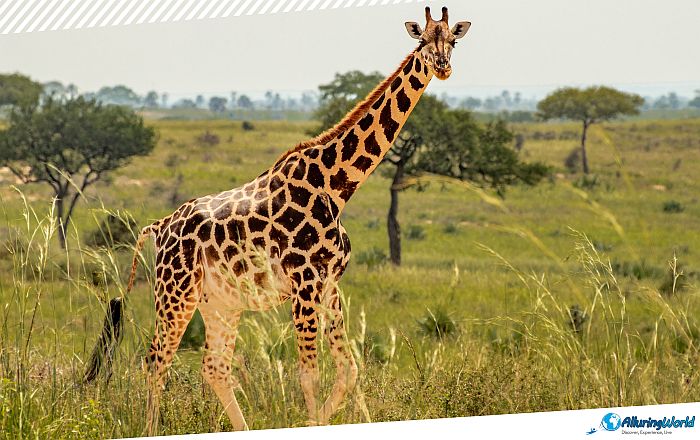
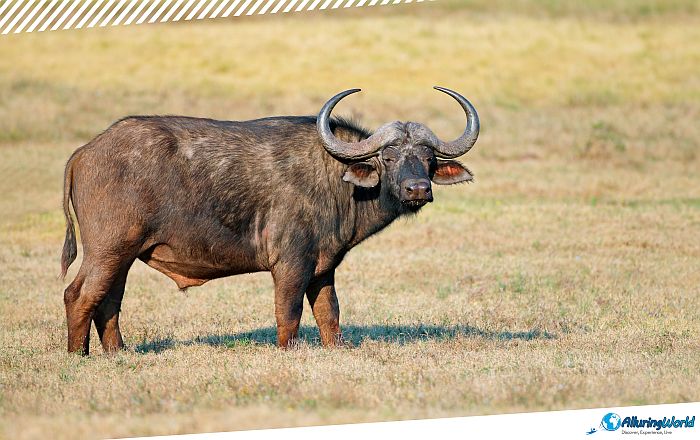
- Vulnerable Megafauna: Elephants, Nubian giraffes, and African buffaloes inhabit the park’s forested pockets and river valleys.
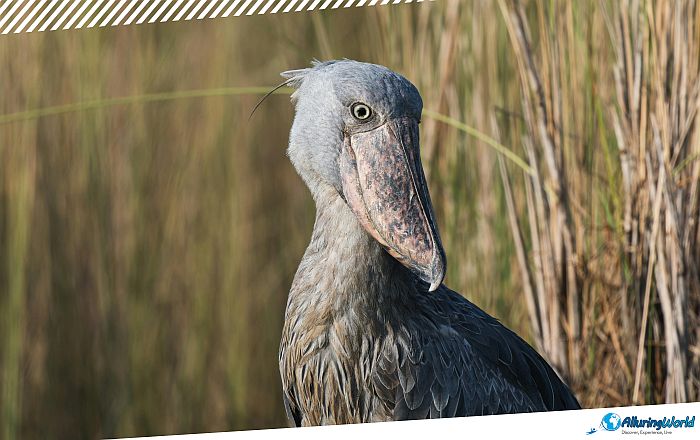
- Avian Diversity: Over 400 bird species have been recorded, including the shoebill stork, black crowned crane, and various migratory raptors that utilize the park’s wetlands as resting stops, making it a perfect paradise for birdwatchers.
The Boma region is an example of a cultural landscape populated by various pastoral and agrarian ethnic groups such as the Murle, Anyuak, Jie, and Suri tribes. In the case of the Murle and Jie ethnic groups, cattle are considered the focal point of their economy, culture, and society. Traditionally, seasonal movements with herds have been similar to those of the local fauna, indicating an acute sense of natural resources and conditions of grazing and watering. The Anyuak tribe, living in close proximity to rivers, depends mostly on fishing and farming.
Though it is an environmentally important location, Boma National Park has a number of difficulties in terms of conservation:
- Historical Conflict: Years of instability in the region of South Sudan have prevented consistent infrastructure creation and management of the park.
- Poaching and Bushmeat Trade: Lack of funding for patrols leaves the animals open to poaching at unprotected borders.
- Resource Competition: Increasing numbers of livestock result in overgrazing and competition with wildlife around water sources.
- Climate Variability: Changes in climate lead to variations in rainfall patterns, disrupting historical migration patterns.
The ongoing strategies being carried out include increased ranger patrols, surveillance of the migration routes using satellite technology, and sustainable eco-tourism ventures. If you consider visiting Boma National Park, then you will be required to do significant and extensive preparation, as the traditional tourism infrastructure, such as paved roads, luxury lodges, and established safari circuits, is virtually non-existent. Additionally, the constant war conflicts in the country do not allow the country to develop and its citizens to benefit from the major tourism sector that can be well developed here.
If you get the chance to visit this amazing place, then the dry season that runs from December to April will offer you the best conditions for travel. Unpaved tracks become easier to navigate, and animals gather around remaining water holes, so it is easier for you to drive with your guide and get as close as possible to the wildlife. On the other hand, the wet season that runs from May to November is not the best one due to the difficulties presented with the transportation; however, it will offer you stunning green scenery and birdwatching opportunities. With the heavy rains that are constant during this period, many roads are impassable, and you might end up stuck.
Still, you have to organize the trip using expert tour companies that will be able to conduct a remote expedition in Africa. Some of the conditions are:
- Permits and Documentation: Having valid visas, permits from the park, and registration with the local authorities in Juba and Pibor.
- Transportation: Four Wheel Drive vehicles with enough fuel and spare parts, as well as satellite communication.
- Accommodations: Tent camps with sufficient food, water treatment facilities, and medical supplies.
To conclude, Boma National Park is living proof of how resilient nature can be. This place gives one an idea of what Africa used to look like before its landscapes were broken down by modern civilization and development. The preservation of such a huge expanse of land benefits everyone, both present and future generations.