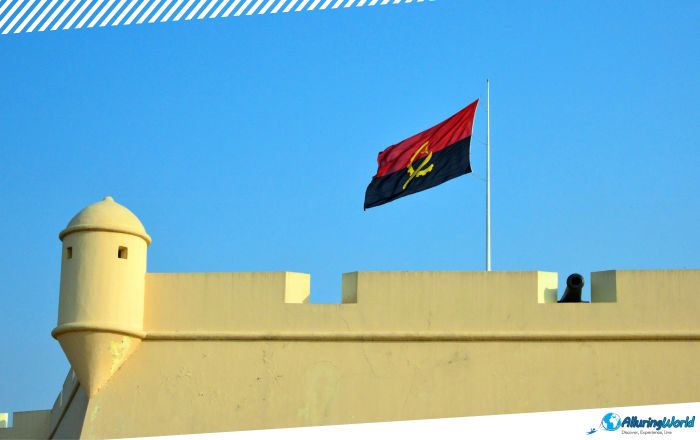
Fortress of São Miguel, locally referred to as Fortaleza de São Miguel, is a historic and very important structure that is located in the Ingombota District of the capital and largest city of the Republic of Angola, Luanda. São Miguel Fortress is perhaps one of Angola’s most compelling historical landmarks, as this is a stone sentinel that has watched over Luanda’s harbor for nearly five centuries, and nowadays is one of the biggest historic structures that attracts numerous visitors.
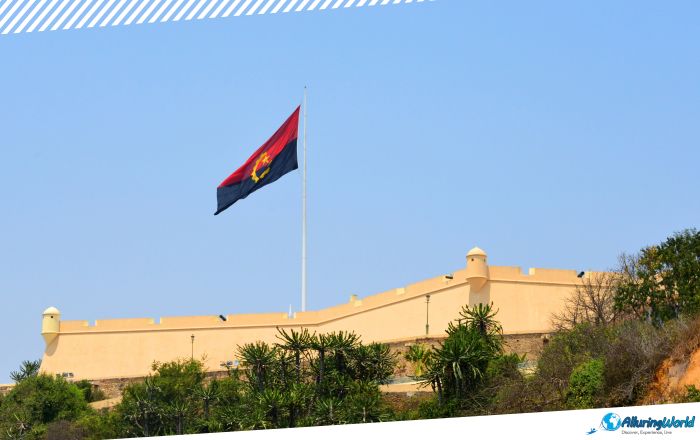
Perched on a commanding hill above the Bay of Luanda and the mouth of the Kwanza River, the fort was designed to protect the fledgling Portuguese settlement and quickly became the administrative and military heart of colonial Luanda. While it was very important in the past, today the Fortress of São Miguel serves as a tangible link between Angola’s colonial past and its present. Ever since Angola gained its independence in 1975, the fortification has drawn visitors who want to understand the nation’s layered history and witness one of its most enduring monuments.
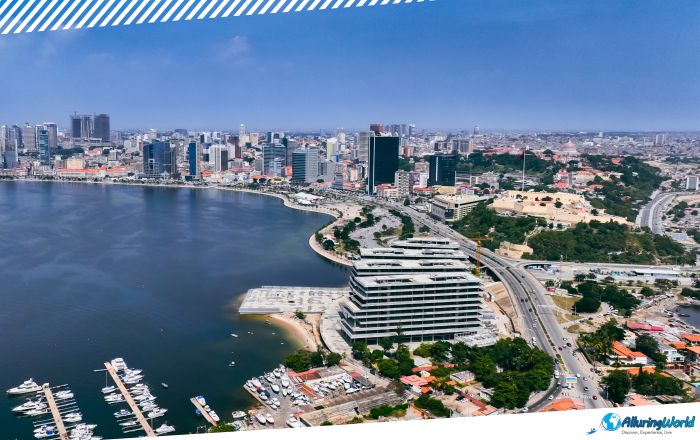
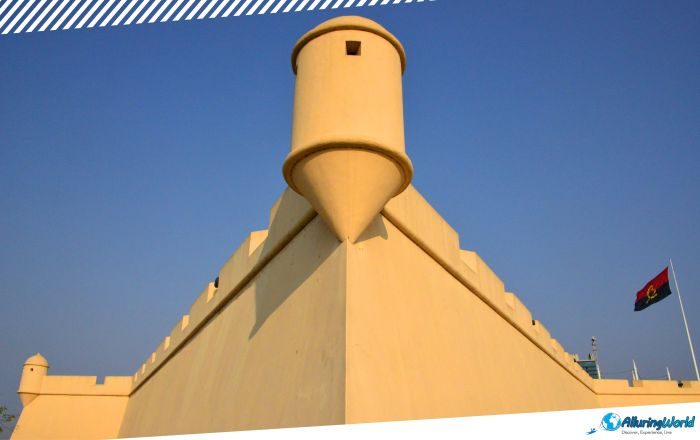
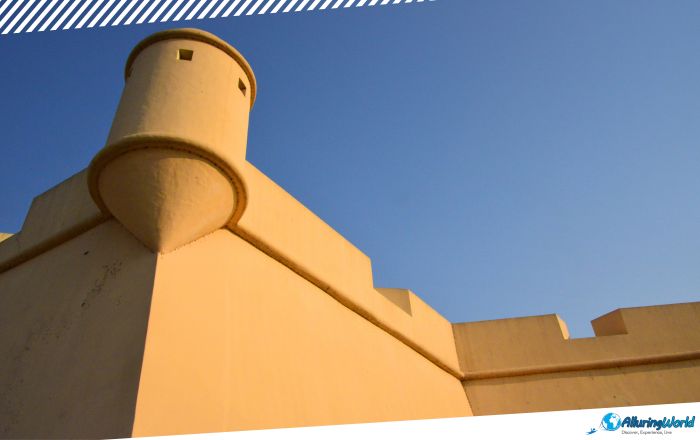
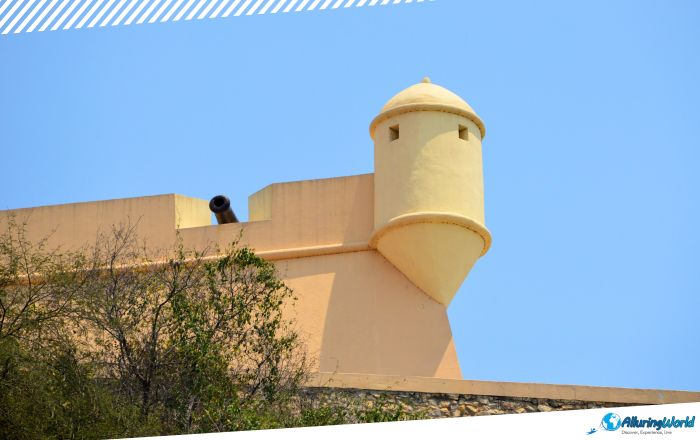
One of the most important features that should be understood about São Miguel’s strategic position is its defining feature. The fortress was constructed at the beginning of 1576, shortly after Paulo Dias de Novais founded Luanda. He founded the fortress on an elevated ground that provides sweeping views over the harbor and the Atlantic approaches, thus ensuring control of maritime traffic, and it additionally allowed defenders to observe and deter hostile ships long before they could reach the bay. The fort’s shape is formed by thick stone walls, bastions, and watchtowers, and continues to remain a dominant element of Luanda’s skyline, as well as a constant reminder of the city’s strategic importance during the age of sail.
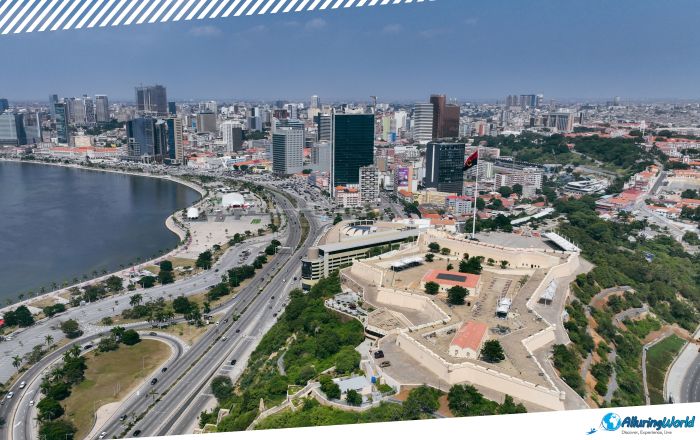
The architectural evolution of the Fortaleza de São Miguel reflects a transition from makeshift frontier defense to a permanent stone monument. While the site was commissioned in 1576, the original 16th-century iteration was actually a humble structure of rammed earth and adobe (a sun-dried mixture of clay and organic material). It was not until the mid-17th century, following a brief period of Dutch occupation, when it was known as Fort Aardenburgh, that the Portuguese rebuilt the site using more durable stone masonry and lime mortar.
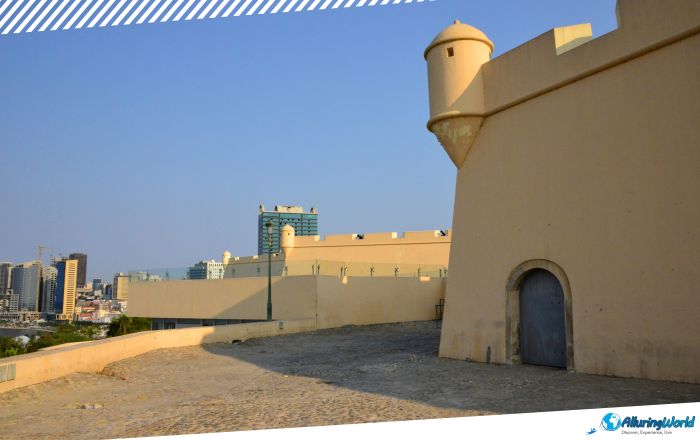
Under the direction of the French military engineer Pierre Pelique, the fort adopted the sophisticated Italianate star-fort design, which utilized a four-pointed polygonal shape to create a “murderous crossfire” against invaders. This period also saw the addition of a ravelin, which is a detached triangular outwork designed to protect the main gate, and the construction of the Cova da Onça, a massive bomb-proof cistern and warehouse system built in a rare Baroque military style.
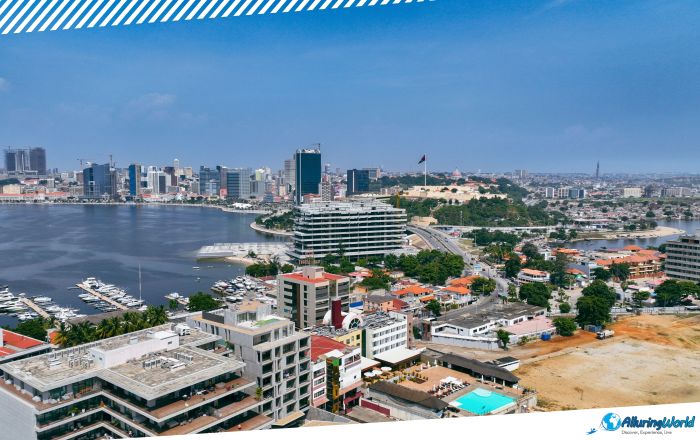
For modern visitors, the fortress functions as a history lesson and a dramatic viewpoint that should not be missed when in Luanda. Access is straightforward from Luanda’s historic center: a short drive and a climb to the top reward travelers with panoramic vistas across the bay, the city, and the distant coastline. When you approach the hill and through the fort’s main gate, you will get the sense of entering a distinct historical place, and this can be seen as a place where artillery, trade, politics, and human lives intersected in ways that reshaped local and global histories.
Nevertheless, the Fortress of São Miguel is also home to the Museu Nacional de História Militar, or, as the English translation would be, the National Museum of Military History. This museum occupies several of the fort’s internal buildings, and its displays contextualize Angola’s martial past. Here you can witness the longstanding history the fortress has seen, and this can range from early colonial fortifications and the mechanics of Atlantic-era defense, to the grim realities of Luanda’s role in the Transatlantic slave trade, and onward through the 20th-century struggles for independence and the civil conflict that followed.
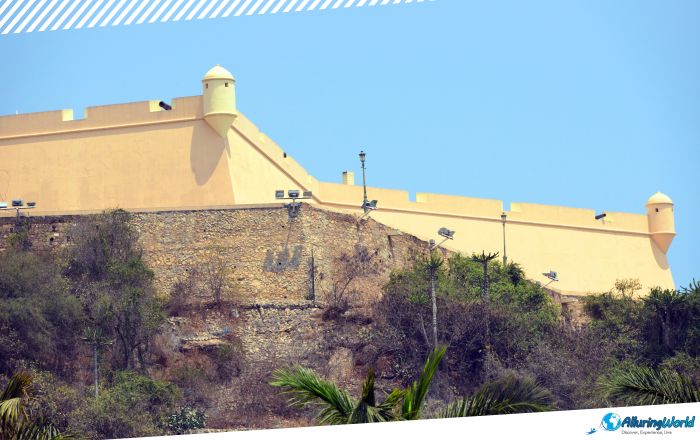
Additionally, the exhibits also include period weaponry, maps, uniforms, archival photographs, and interpretive panels that help visitors place the fortress within broader historical narratives. Considering how the museum is combined with a fortification interpretation and the fort’s physical spaces, the Fortress of São Miguel makes for a powerful, immersive experience that you must not miss.
ADVERTISEMENT
Even though it is known as a museum, its function is far beyond this, as it is connected to Luanda’s life. Angolans favor the fortress for commemorative events and educational visits, and it is frequently shown in local photography, film, and promotional material, showing it as a great symbol of the city. Many Angolans see the Fortress of São Miguel as a link for a needed dialogue about colonialism, memory, and Angolan national identity. There are some small craft markets and local guides that are based around the fort, and they create an informal cultural ecosystem. Here you can buy handmade souvenirs, but you can also see and hear personal histories about the fort that will enrich your experience.
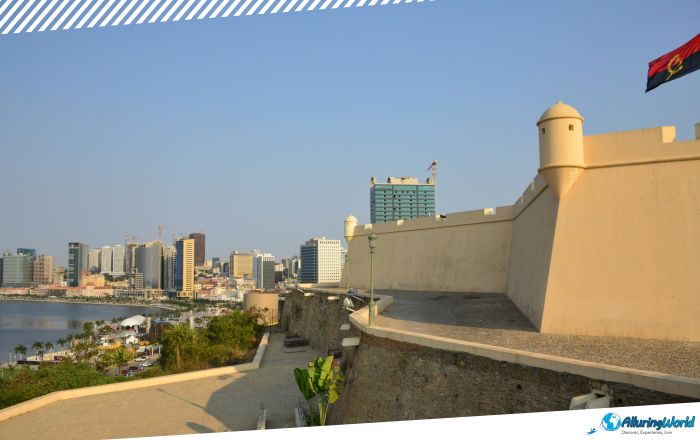
Nevertheless, the historical significance of the Fortress of São Miguel is inseparable from its darker associations. Due to the control over the bay, the fort played an important role in the slave trade because enslaved men and women were processed through ports under the fort’s oversight and loaded onto ships bound for the Americas. This very painful legacy is part of the interpretive narrative at the museum and is central to the site’s symbolic weight. At the same time, São Miguel witnessed changing imperial fortunes, as the Dutch occupied Luanda in the 17th century. After this period, the fortress saw episodes of military modernization and resistance, but its walls have been rebuilt and adapted many times with the different evolving demands of defense by the colonial power that ruled the area.
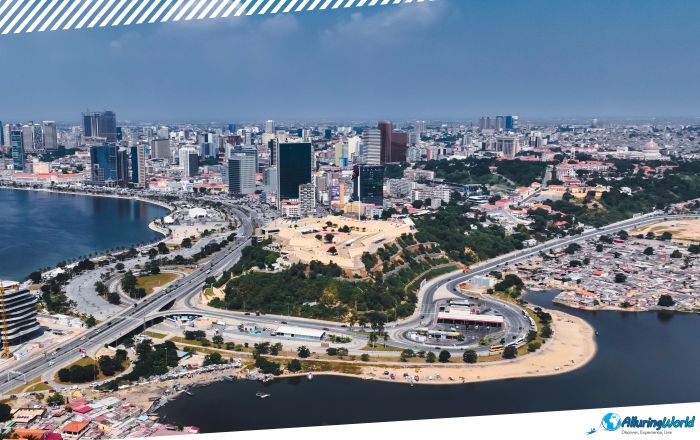
If you are inspired to visit Angola and are keen on including the Fortress of São Miguel, then the best time to go is during Luanda’s dry season. This season runs roughly May through October, as this is when coastal breezes keep temperatures pleasant and visibility over the bay is at its clearest. Early morning visits let you enjoy cooler conditions and softer light for photography, while late afternoon provides dramatic sunset views across the water. It is recommended that you take guided tours because local historians and guides will add more details to your visit, as this might not be something that you will necessarily read in a guidebook.
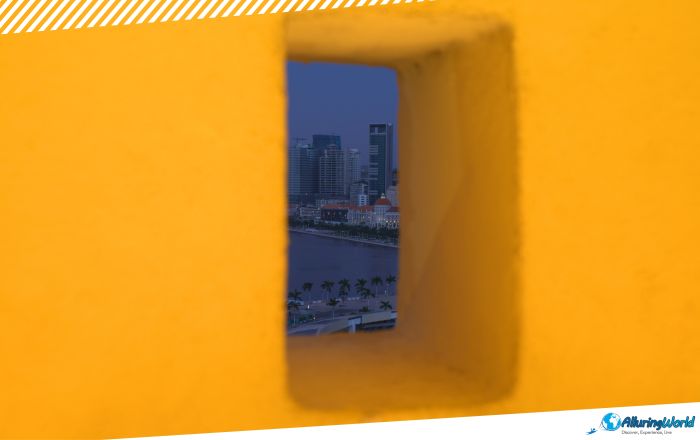
Overall, conservation and interpretation remain active concerns for the site, as the Angolan authorities are doing their best to make sure the site is protected and will bear witness to tell the story to future generations. The main focus is always on the preservation efforts as these are concentrating on stabilizing the ancient masonry, further maintaining the museum collections, and improving visitor facilities without compromising the fortress’s historical fabric. Balancing tourism with respectful commemoration of painful histories is a central part of this work. This work ensures that São Miguel remains a place of learning, remembrance, and cultural pride.
In conclusion, as the Angolans would say, Fortaleza de São Miguel is an essential stop for anyone exploring Luanda. You will be able to combine striking coastal panoramas with a multilayered historical narrative, hear and see stories that are not told in the history books, while at the same time you will get a visual spectacle and substantive insight into Angola’s past. It does not really matter if you’re drawn by architecture, history, or the desire to stand where centuries of maritime history unfolded; the Fortress of São Miguel will certainly provide you with a powerful and memorable experience that will continue to be an enduring monument that shapes how Angola sees its own story.