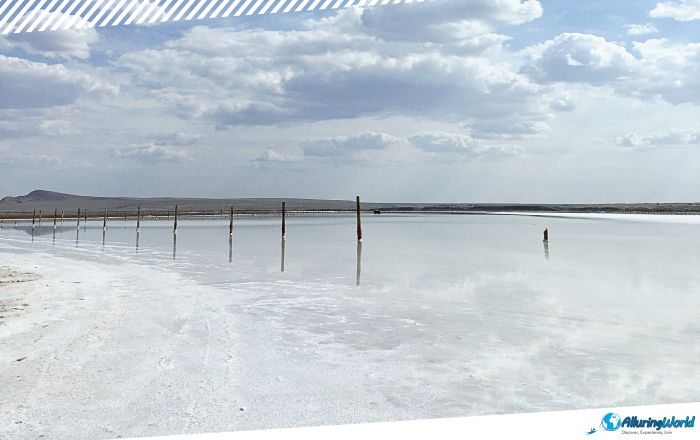
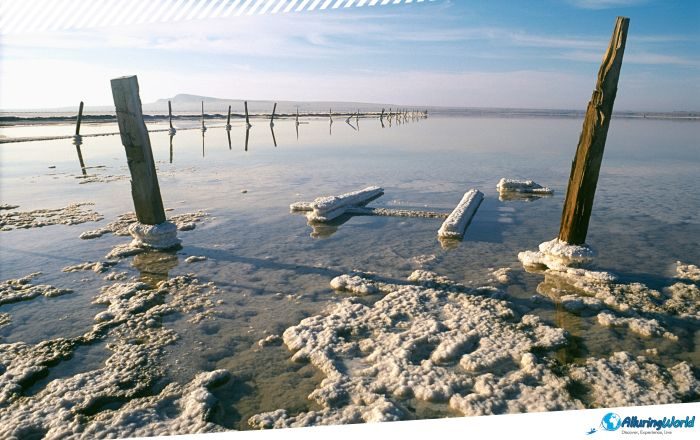
Lake Baskunchak is a small but strictly protected salt lake that is located in the Astrakhan Oblast, which is a federal subject in the southern part of the Russian Federation.
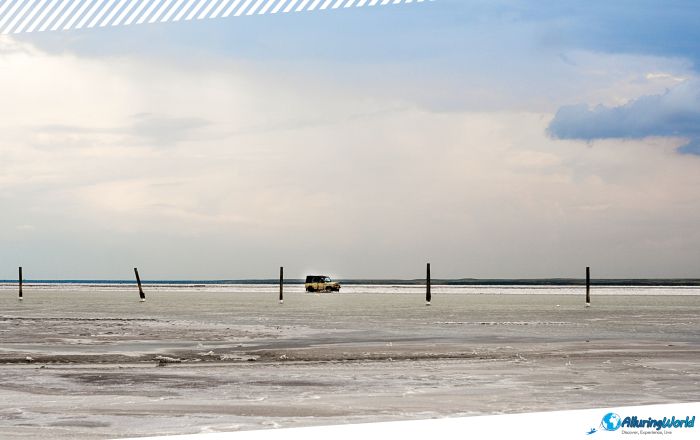
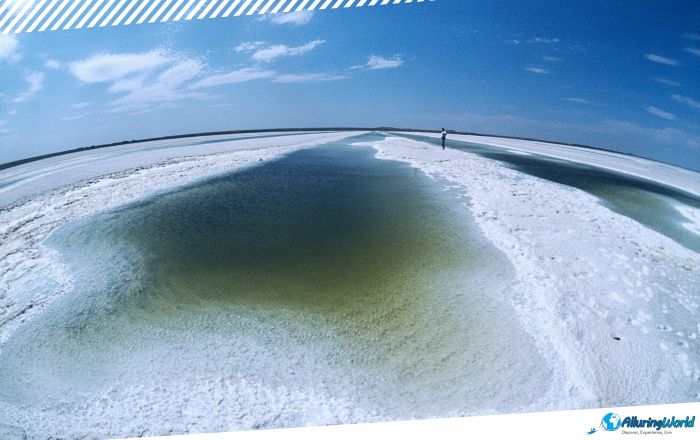
Having a surface area of about 115 square km (44 square mi), the lake is located 21 meters (69 feet) below the sea level; however, it is fed by a river that draws water from an area of 11,000 square km (4,200 square mi). Being far from the classic Russian tourist spot, there is a somewhat strange, yet interesting alien beauty that evokes imagination like being at the Dead Sea; however, there is a significant history behind the lake.
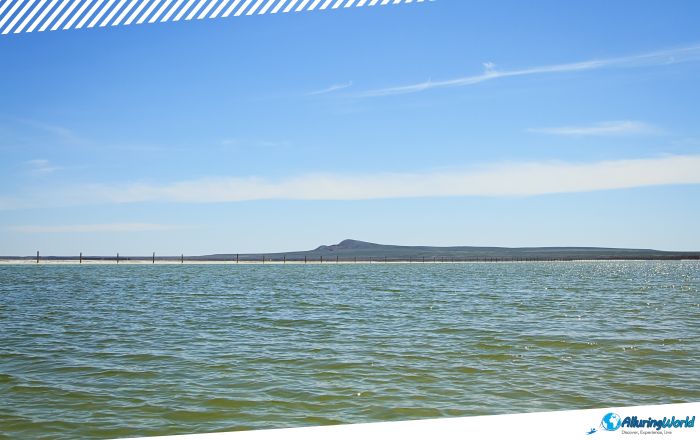
There is a salt industry located on the lake, and it is operating nowadays in the vicinity of the lake. This industry accounts for up to 80% of the salt produced in the entire territory of Russia, which makes it a quite important place, and in addition to that, there are sources that confirm that the salt has been “extracted” from the lake since the 8th century.
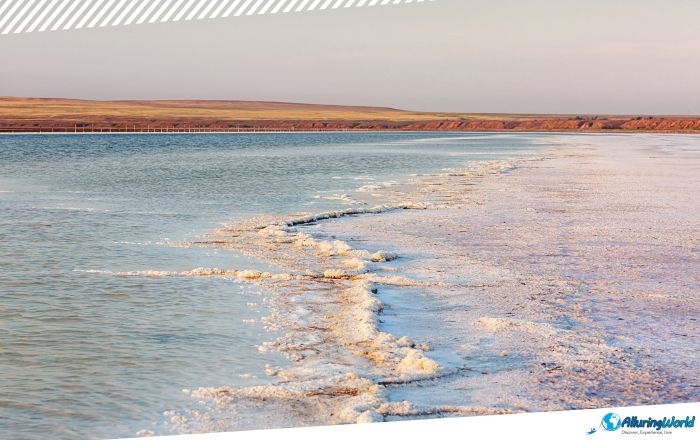
Throughout history, there was an attempt to determine the depth of the salt deposits, where, after a long drill to a depth of some 250 meters (820 ft), no bedrock was reached, and the drilling had to be stopped due to high costs. The salt deposits are certainly even deeper than this measurement, but the question will remain how deep.
ADVERTISEMENT
Nevertheless, there are plenty of visitors every summer who go to this magnificent gem, which they believe has impressive healing powers, where, with the wind, heat, salt, and mud, it is the perfect place to regain a strength. As the lake is located on the very important and historic Silk Road, there is even a Buddhist legend that speaks about these healing powers.
The closest high ground is Mount Bolshoye Bogdo with an altitude of 150 meters (492 feet) above the sea, which in fact is the highest elevation point in the Caspian Depression and a very sacred hill to the local Kalmyk people.
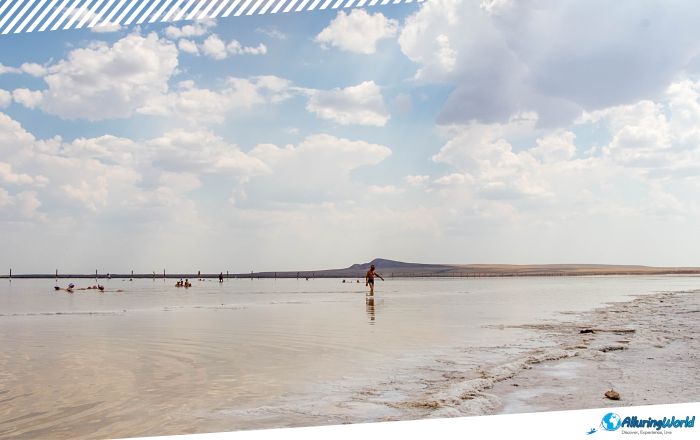
Having some sinkholes and karst caves that lead through the hill, Lake Baskunchak is definitely one of the most impressive wonders of nature, as it has, according to the scientists, an interesting feature, which is a self-healing process. A simple yet very good sign about the lake, which most likely will never run out of salt.