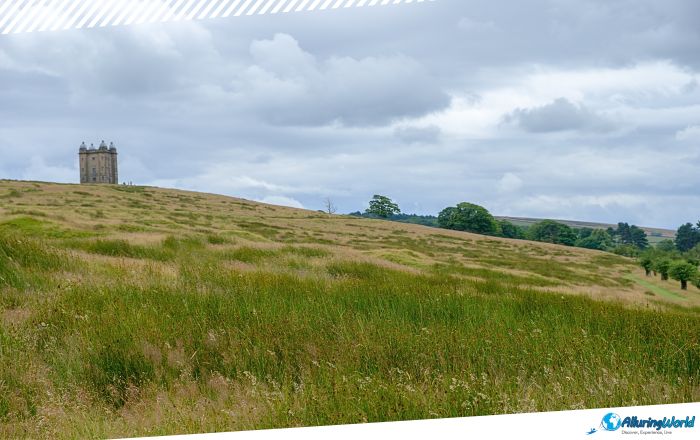
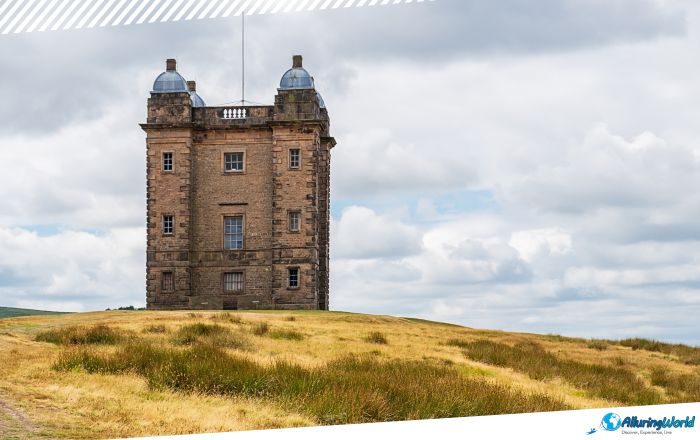
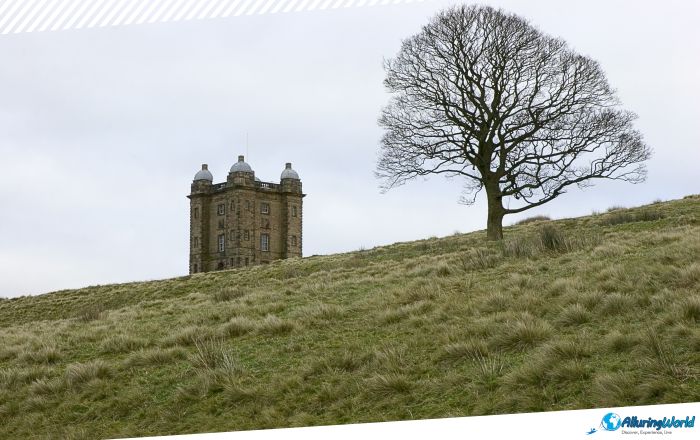
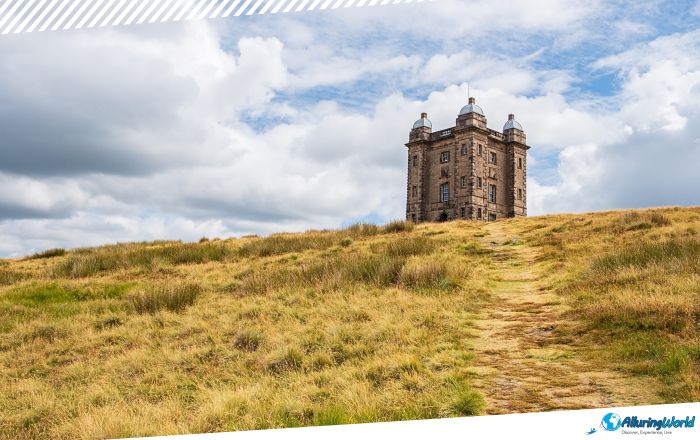
The Cage is an interesting tower which stands on a hill within the large estate known as Lyme Park, which is south of the village of Disley, in the County of Cheshire, which in fact is part of the United Kingdom of Great Britain and Northern Ireland.
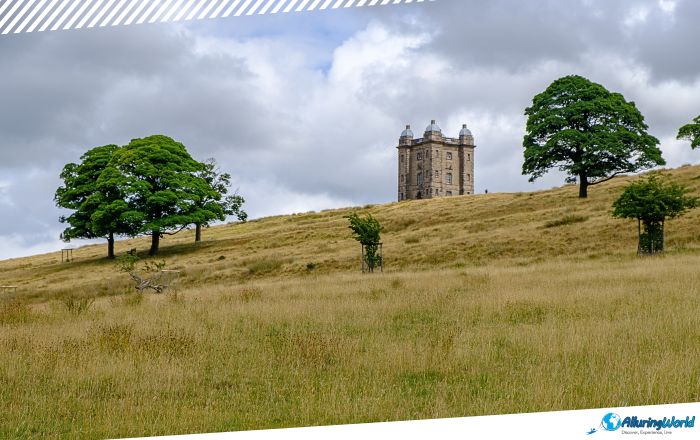
Originally built in 1580 as a hunting lodge where the ladies of the British nobility could admire the hunting techniques of their menfolk, who were hunting on the slopes below the tower. Later in 1737, the structure was taken down and rebuilt, which is considered to have been possibly designed by the renowned Italian architect Giacomo Leoni for Peter Legh XII.
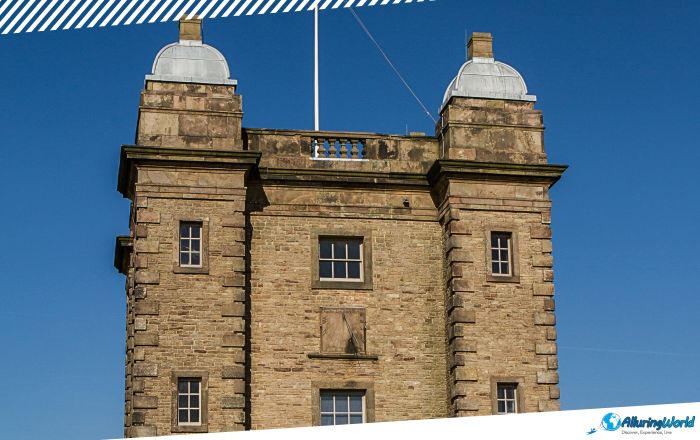
The Cage is built entirely in buff sandstone rubble with ashlar sandstone dressings, where its form is a perfect square, with three floors, and there are attached small square towers surmounted by cupolas at the corners.
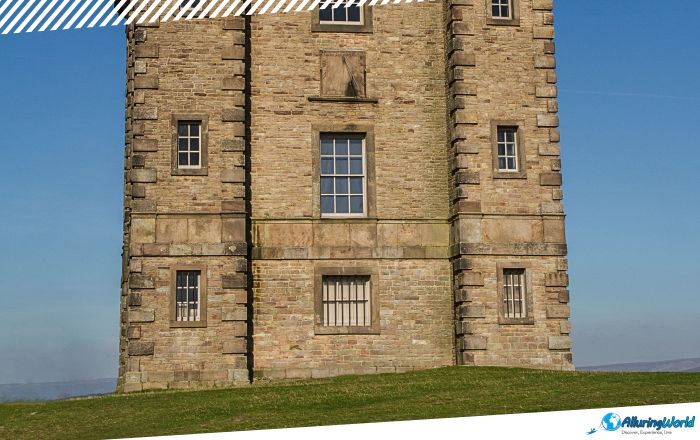
As time went by, the tower was used as a residence for the gamekeeper, whereas a small room was intended and used for locking up poachers who had been caught trying to steal the hare and deer that were both common in the park and said to be of exceptional quality and flavor.
ADVERTISEMENT
There are similarities to the central keep of the Tower of London, which was most likely intentional, as Peter Legh XII was twice imprisoned in the Tower of London on charges of treason. The name ‘The Cage’ is something of a mystery, but may well have been an ironic reference to the Tower of London, which was Legh’s prison, or it may be a reference to the tower’s earlier use as a poacher’s prison.
What is quite interesting are the sundials, which can be found on three of the four sides of the tower. Only the north side has no sundial to measure the time of the day, as it does not receive enough sunlight to be active. However, on the other three sides, on every sundial, there is an inscription. The south face reads: “Remember now the creator in the days of thy youth”.
The east and west faces are written in Latin, and both read: “Live to day. Tomorrow will be less seasonable.”(Vive hodie. Cras minus aptus erit.) The reason that Legh chose these inscriptions remains a mystery. Still, people can get here, enjoy the haunting mystery of the whole estate, fall in love with the amazing vistas, and spread the story of how The Cage at Lyme Park is one piece of treasure kept by the British.