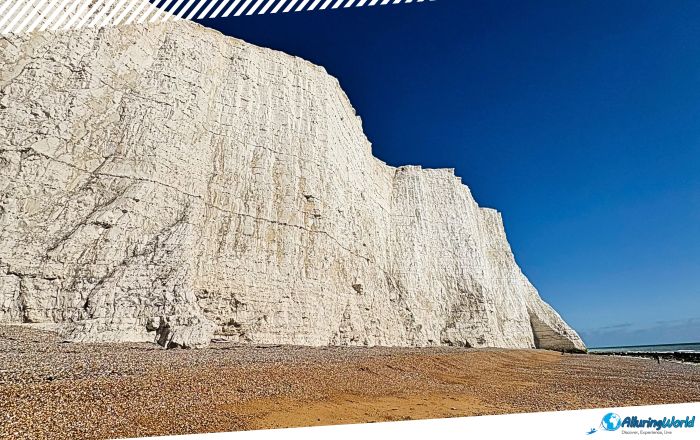
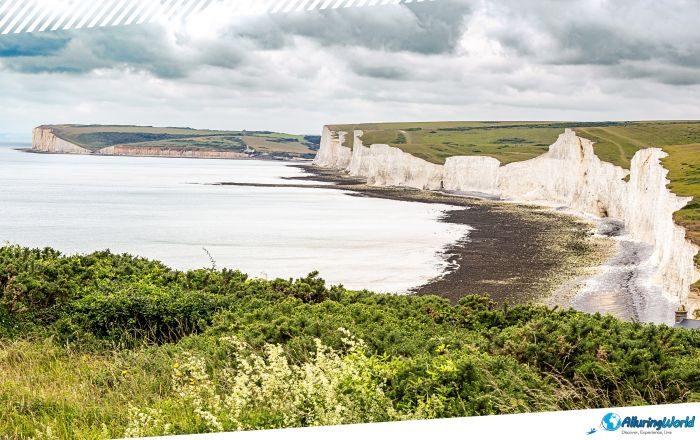
Seven Sisters is a series of chalk cliffs, which are white and quite memorable, located alongside the La Manche Channel, alternatively referred to as the English Channel, in the southern part of the United Kingdom of Great Britain and Northern Ireland. Forming a part of the South Downs in East Sussex, between the towns of Seaford and Eastbourne in southern England, they are within the Seven Sisters Country Park, which is bounded by the coast, the Cuckmere, and the A259 road.
The story of the Seven Sisters began nearly 100 million years ago during the Late Cretaceous period. At that time, this entire region was found beneath a warm, shallow sea, so what you can see today are the skeletal remains of microscopic plankton called coccoliths. This is why the Seven Sisters are white, as this microscopic plankton settled on the ocean floor to form thick layers of calcium carbonate.
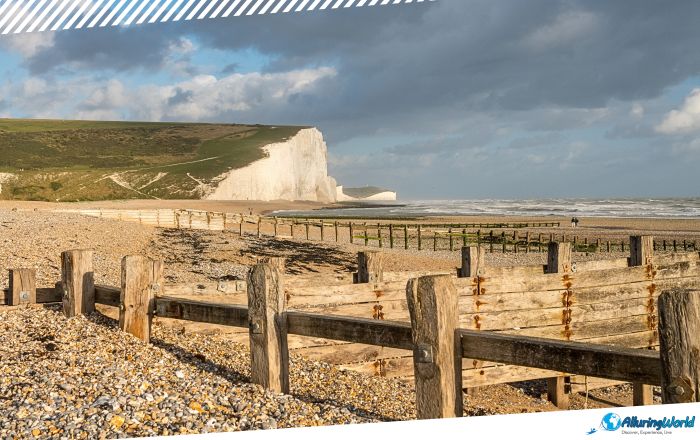
Over eons, tectonic shifts pushed these seabed deposits upward, and the relentless erosive power of the La Manche Channel (the English Channel) carved them into the sheer vertical faces we see today. Unlike the famous White Cliffs of Dover in Kent, which are very similar to the Seven Sisters and are slowly being obscured by vegetation, the Seven Sisters remain a brilliant, stark white because they are eroding at a rate of roughly 30 to 40 cm (12 to 16 in) per year, constantly revealing fresh chalk.
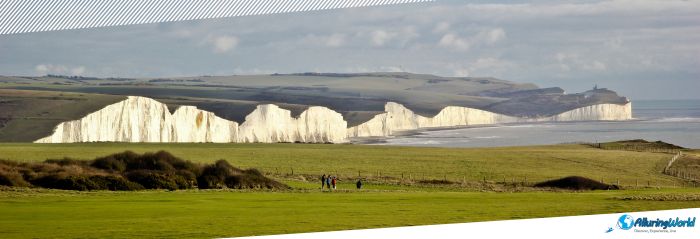
The name Seven Sisters was given due to the appearance of the seven distinct chalk peaks that make up the undulating, wavy silhouette of the coastline, and each of the peaks has its own name. Historically, the seven cliffs are named, from west to east: Haven Brow, Short Brow, Rough Brow, Brass Point, Flagstaff Point, Bailey’s Hill, and Went Hill. There has also been an eighth sister, which was created due to the centuries of natural coastal erosion, but despite seeing eight peaks, the name Seven Sisters stuck, and it has not changed.
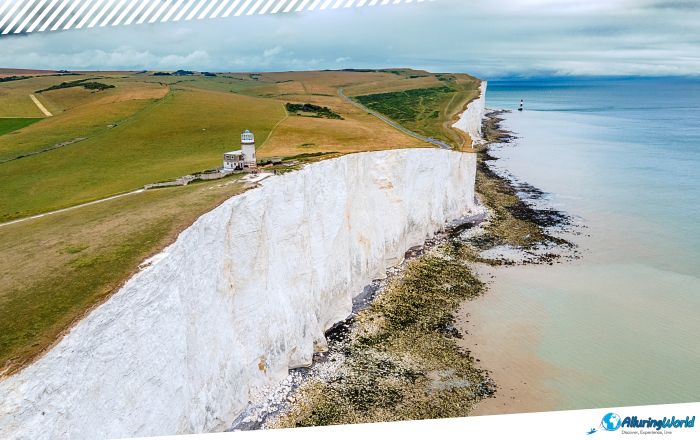
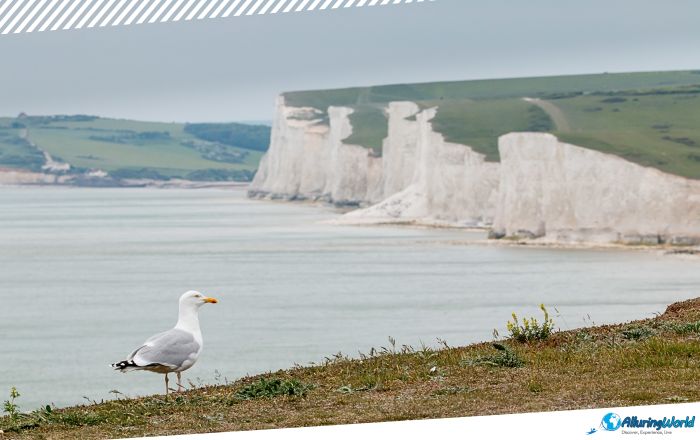
What is interesting about the Seven Sisters is that they are not just a geological marvel that cannot be seen in other places, but they are rather a sanctuary for rare wildlife. The narrow, dizzying ledges of the cliff face provide vital nesting sites for breeding populations of kittiwakes and fulmars, which wheel through the salty air above the crashing waves. You can notice them when you come close to the cliff face and see how they are flying through the air, working hard on feeding their young ones.
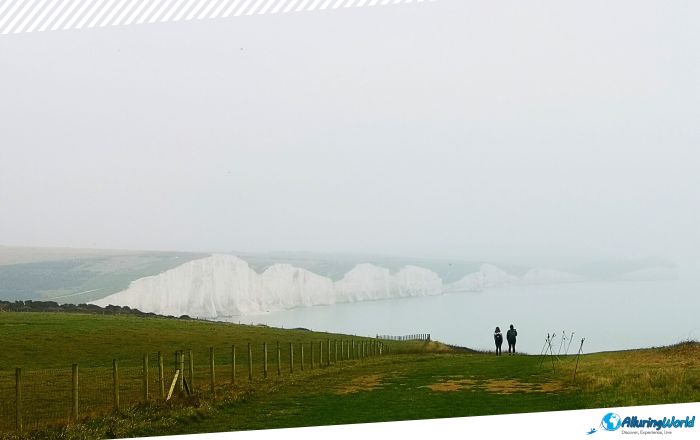
In addition to this, on the clifftops, a very fragile chalk grassland habitat exists. This landscape is often referred to as “Europe’s tropical rainforest” due to its incredible biodiversity, but interestingly, this habitat was shaped through centuries of traditional sheep grazing, which keeps the grass short and allows delicate flora to thrive. If no sheep would tame the grassland, then coarse scrub would quickly encroach, choking out the specialized plants that define the park: cowslip, which is a bright yellow bloom that signals the arrival of spring, the wild thyme, which releases a fragrant scent when stepped upon, and finally the round-headed rampion, which is known famously as the “Pride of Sussex.”
ADVERTISEMENT
Considering that the white cliffs of the Seven Sisters have a harsh, salt-sprayed environment, the cliff base hosts plants that have evolved to survive in these kinds of extreme conditions. During the summer months, you can easily spot the waxy-leaved Sea Kale with its clusters of tiny white flowers, alongside the vibrant Yellow Horned Poppy, which flourishes in the shingle. Still, when the tide retreats, the shoreline reveals an even more interesting and somewhat a hidden world. The rock pools uncovered on the beach become temporary homes for a variety of marine life, but if you look closely among the swaying seaweed, you can find different types of marine life.
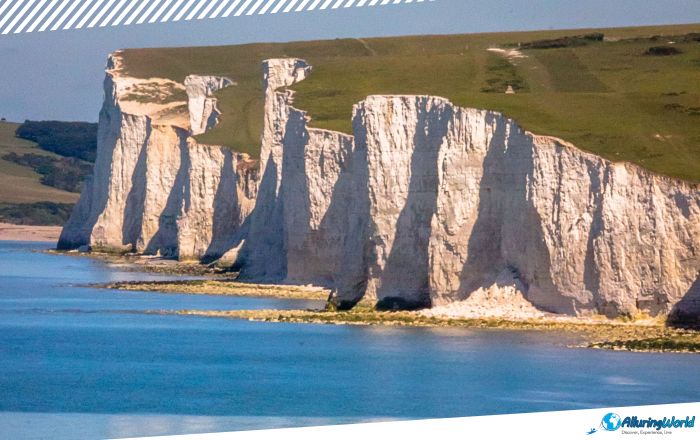
From the most commonly found marine life, you can notice the common shore crabs scurrying for cover, the beadlet anemones clinging to the chalk rocks, and even some small fish like Blennies, which are trapped until the next high tide. The entire underwater world becomes alive and fighting to survive until the next tide comes.
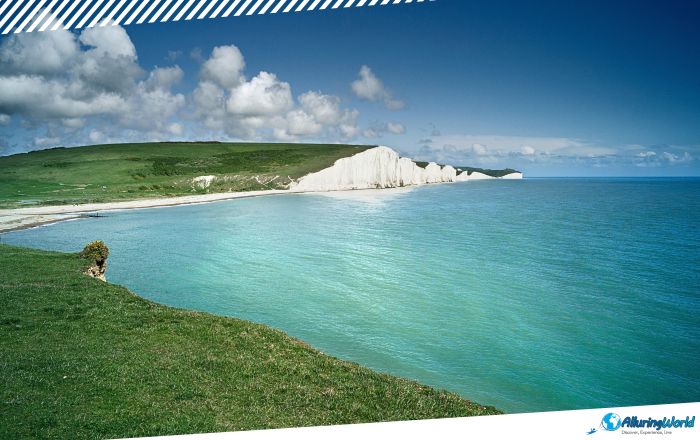
Far from its natural beauty, the Seven Sisters Country Park is a silent witness to human history, as many important structures were built, while at the same time, important events occurred here throughout history. One of the most poignant features is the original site of the medieval Exceat Church. Once a thriving village, Exceat was largely abandoned following the Black Death and repeated coastal raids, leaving only a stone memorial to mark where the church once stood.
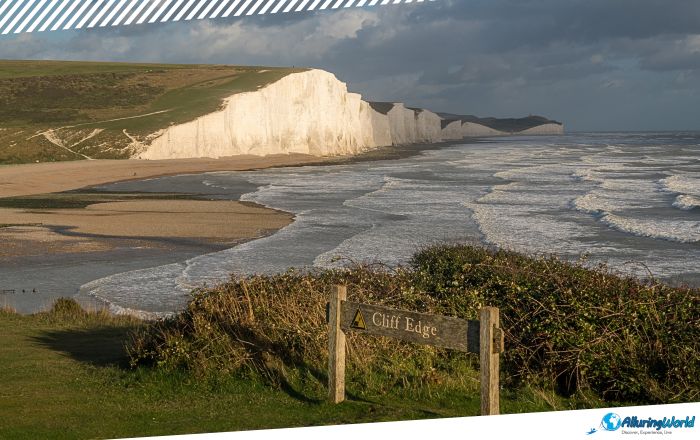
But why the Seven Sisters are attractive to visitors today is that the landscape also bears the scars of the modern 20th century. Scattered across the park are concrete pillboxes and anti-tank defenses built during World War II, as these structures were part of a desperate line of defense against a feared Nazi invasion, thus reminding visitors that these beautiful cliffs were once a high-stakes military frontier.
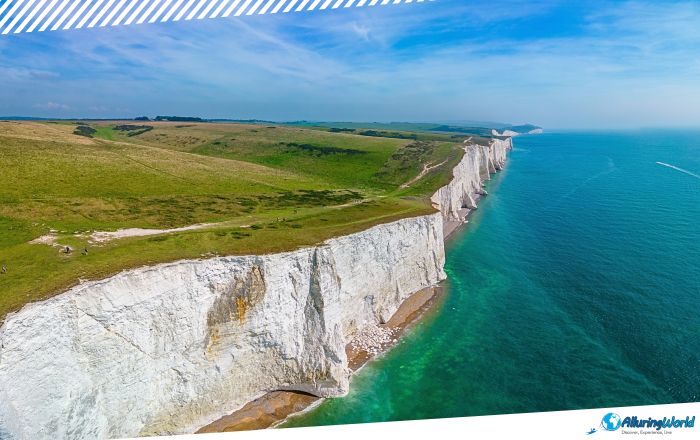
While the story of the Seven Sisters will continue, their attractiveness will never stop, and they will continue to be an inspiration for future ideas. The sheer, unblemished beauty of the Seven Sisters has made them a favorite for filmmakers worldwide, and because they lack modern development on the clifftops, they are often used as a “stand-in” for the White Cliffs of Dover.
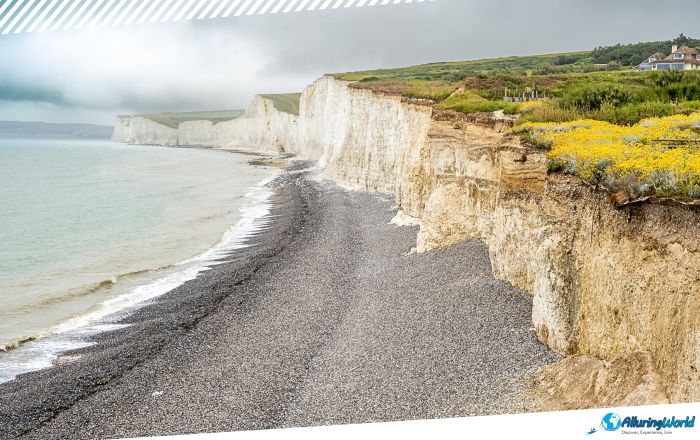
From all of the cinematic works, the Seven Sisters have been featured in the movies: Robin Hood: Prince of Thieves, with the cliffs providing the dramatic backdrop for Kevin Costner’s arrival in England. Another cinematic feature was in the movie Atonement, where in the haunting conclusion of the film, the Seven Sisters represent the idyllic dream of a life together that characters Robbie and Cecilia desperately hoped for. Another important cinematic feature was the most popular Harry Potter and the Goblet of Fire, with the cliffs famously serving as the site for the Quidditch World Cup.
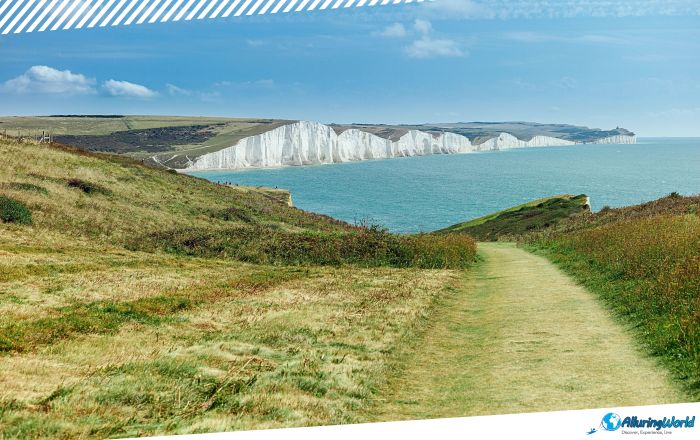
In conclusion, if you ever get the chance of seeing the Seven Sisters from up close, do not think twice, and make sure that you will get there in person and see this majestic work over millennia. It does not matter if you are to view them from a hiking trail or from the beach below at low tide, the Seven Sisters will offer you a surreal experience where the green of the rolling hills meets the blinding white of the chalk and the deep blue of the sea. It is very certain that you will be captivated, and will share this amazing place with other people too.