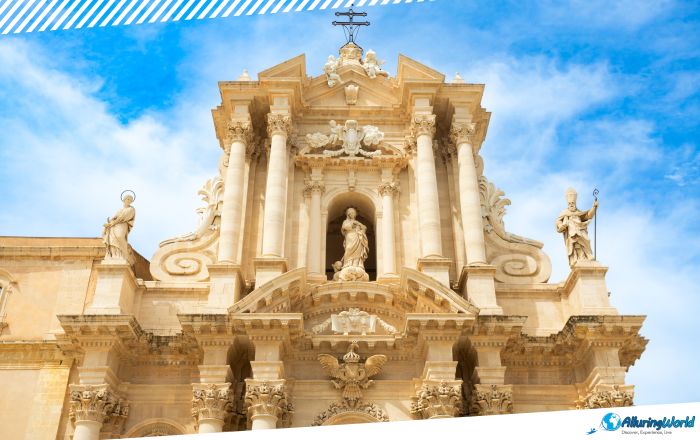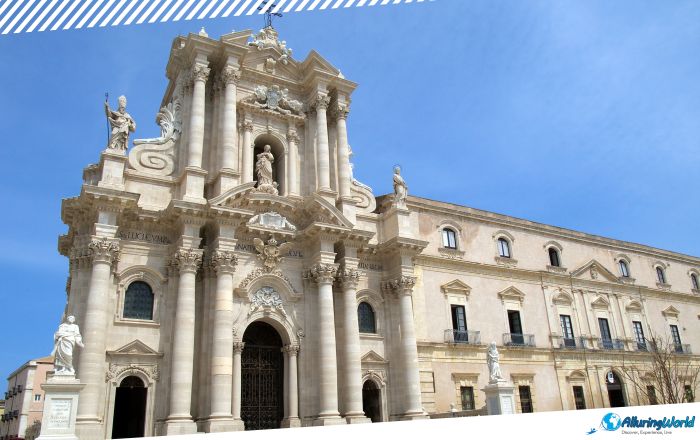
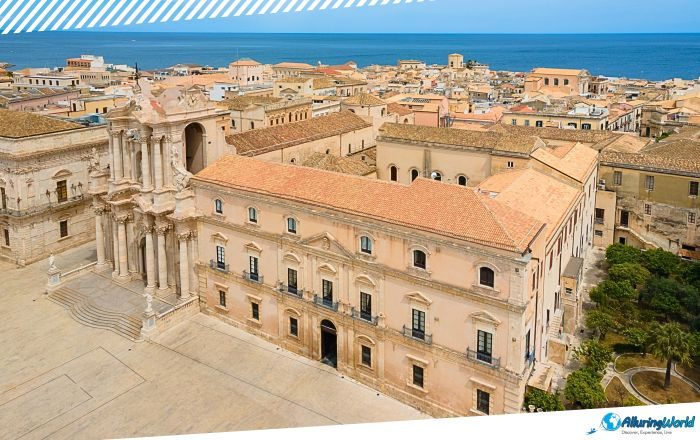
Il Duomo, or as it is commonly referred to as the Cathedral of Siracuse, is a converted temple and a monument of singular charm, located in the city of Siracuse, in the southern part of the autonomous region of Sicily, within the southern part of the Italian Republic.
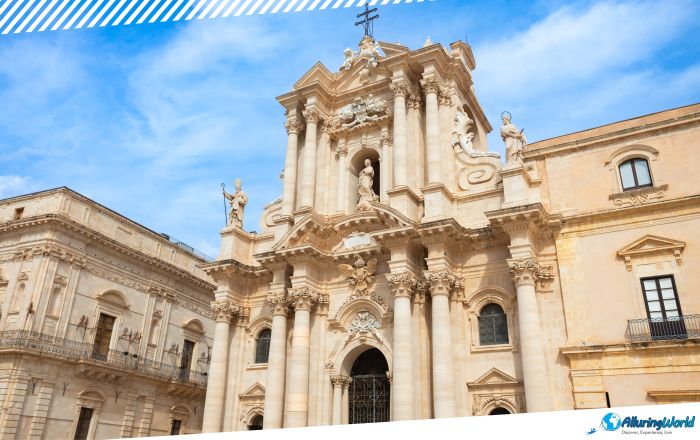
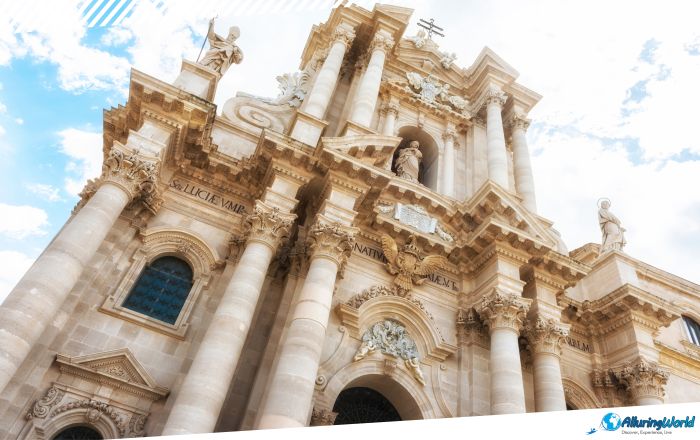
At the beginning of the 5th century BC, it was an ancient temple dedicated to the Goddess Athena, but later it was converted to the Cathedral as it is today, which happened in the 7th century. Back then, Bishop Zosimo had built, or in other words converted, this cathedral, but the façade was rebuilt by Andrea Palma, with statues that Ignazio Marabitti had added.
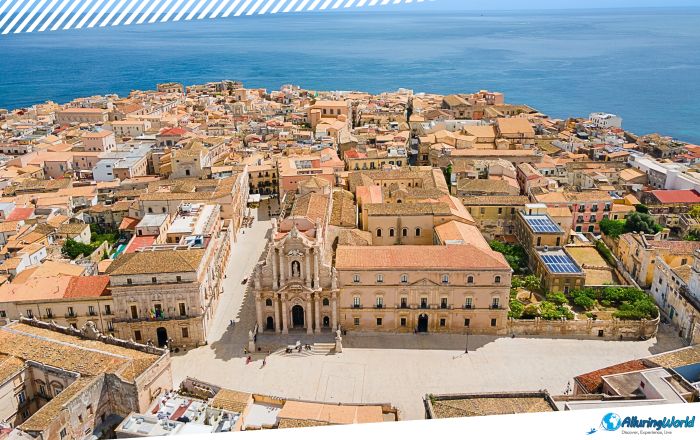
The first conversion to the church has not been difficult, because the people who did that carved archways into the sacred chamber of the temple, to make it into a nave. It was filled in between 19 giant Doric columns from the temple’s peristyle, to make the outer walls of the aisles.
ADVERTISEMENT
The imposing Doric columns are still clearly visible both inside and outside the church. While keeping up with the times and changes of religion (ancient temple, church, mosque, and then a church again), the site has remained a place of worship for a good two and a half millennia.
The most interesting pieces of the interior are a font with a marble basin, a silver statue of Santa Lucia by Pietro Rizzo, a ciborium by Luigi Vanvitelli, and a statue of the Madonna della Neve by Antonello Gagini. Nowadays, the Cathedral serves as one of the most important historic pieces left in the city of Syracuse, and attracts many visitors from around the world.