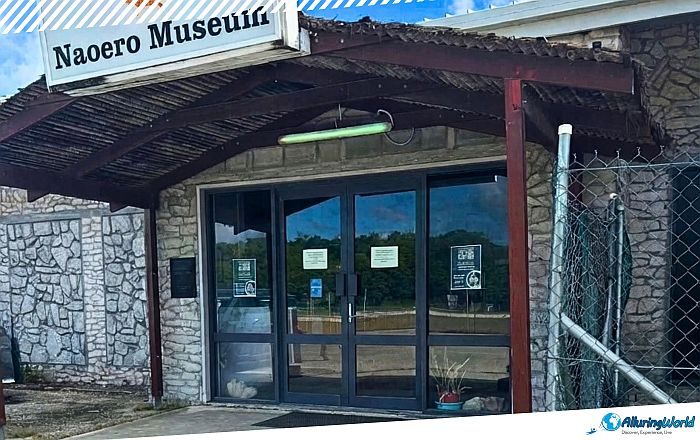
The Naoero Museum, better known as the Nauru Museum, is the official national museum located in the capital district of Yaren, within the southern part of the Republic of Nauru. Standing directly opposite Nauru International Airport, the Naoero Museum serves as the primary cultural institution showcasing the country’s history, from indigenous people, through colonial times, up to today, when Nauru is a very small and independent country. The museum is a key introduction to the intricate layers that make up Nauru’s identity, and as soon as you disembark from the airport and enter the tropical atmosphere of this remote Micronesian island, this could be one of the first buildings that you will notice. It is not just a simple storage place for artifacts where you run through to see everything, but rather a living protector of national identity through its tales of native navigation, fierce colonial competition, wartime occupation, and environmental change without precedent.
The history of Nauru can only be appreciated by taking a peek beneath its current surface, and here is where the Naoero Museum comes in. The history of Nauru is characterized by major changes, from the primitive cultures of its twelve tribes to the fast economic development followed by degradation due to the phosphate mining period. Through collecting physical remnants of this history in one place, the museum serves as an introduction to the country for foreign visitors and as a symbol of cultural rebirth for the locals. The opening of the Naoero Museum was on 30 January 2019, and it was seen as a major achievement for heritage conservation in Nauru. Prior to this point, Nauru did not have an active museum for nearly two decades, since the initial one had to shut down in the early 2000s due to persistent land conflicts and financial difficulties; as a result, most valuable items were stored in risky conditions or dispersed in personal collections. The creation of the present museum in Yaren provided a venue where the Nauruans could protect their tangible heritage and save their endangered language.
The origins of the present-day collection, on the other hand, owe mainly to private gifts and the legacy of help received from the Nauru Phosphate Corporation (NPC). The relationship shows the inextricable bond that exists between the resources of Nauru and its civic institutions. For the museum, there is a common problem faced by many other Pacific island nations; much of its early material culture still resides abroad. The large ethnographic collections of weaving, fishing equipment, and ceremonial artifacts from the pre-colonial era on Nauru are stored in the large museums of Sydney, London, Berlin, and Wellington, and in order to correct this historical imbalance, the museum has been actively engaging in international cooperation, striving for the return of artifacts, digitization, and long-term loans. Until then, the staff uses locally found objects, oral history, and heirlooms donated by families for exhibition purposes. The architecture of the Naoero Museum is rather simple, intuitive, and is represented by a hall that is subdivided into thematic areas along with an open-air exposition area. The layout is quite small and corresponds to the size of the island, thus providing a visitor with a chronological overview of different historical eras of Nauru.
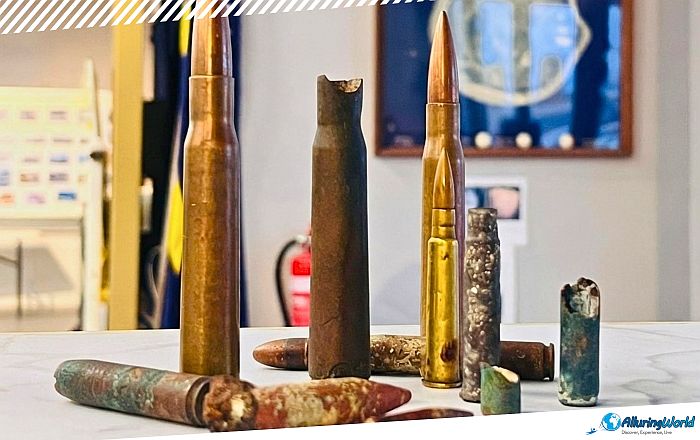
Among the displays, the one that receives a lot of attention is that of World War II. During the Pacific War, the Japanese controlled Nauru from August 1942 till September 1945. The military authorities made the isolated island into a strongly fortified island, building airstrips, shore-based artillery, underground bunkers, and forcefully removing more than 1,200 Nauruans to an island called Chuuk (Truk). The remnants of this dark period still exist in the Nauruan landscape, and the museum serves as the base from which they can be understood. Inside the main exhibition hall, glass cases hold carefully preserved artifacts recovered from around the island, and these include:
- Relics of infantry equipment, including Japanese Type 99 rifles, bayonets, machine gun components, and live-spent ammunition casings.
- Intimate personal items belonging to stationed soldiers, such as canteen flasks, military identification tags, propaganda pamphlets, and personal correspondence.
- Aviation fragments, featuring dials, cockpit controls, and salvaged fuselage panels from a Mitsubishi A6M Zero fighter plane.
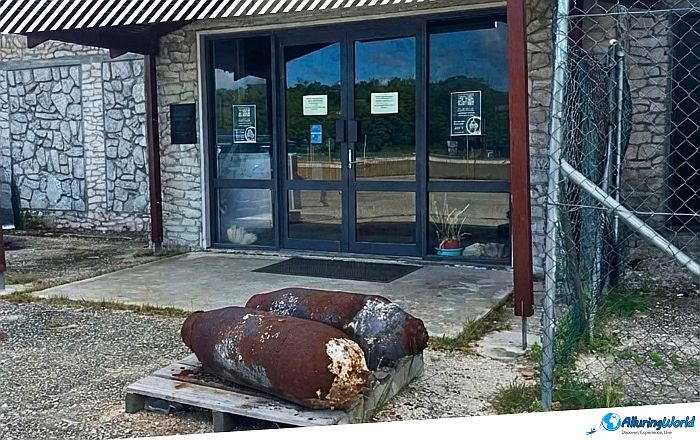
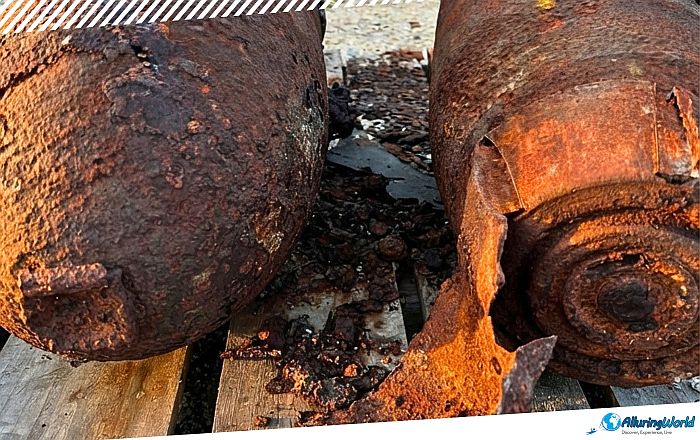
The courtyard, on the other hand, is surrounded by the tropics, and there are also examples of military equipment that is exposed to the elements. You can see a large aircraft engine, which is corroded, coming from the wreckage of a bomber, in addition to large anti-aircraft artillery. Such exhibits give an instant feeling of scale and serve as a reminder of the bombing of Nauru by Allied air attacks. Whereas military history might be featured prominently at the museum, it is really the emphasis placed on Nauruan culture that defines the essence of the Naoero Museum. Long before any ships from overseas would set foot on Nauru, Nauru had been colonized by Micronesians and Polynesians who created unique social systems and technologies.
ADVERTISEMENT
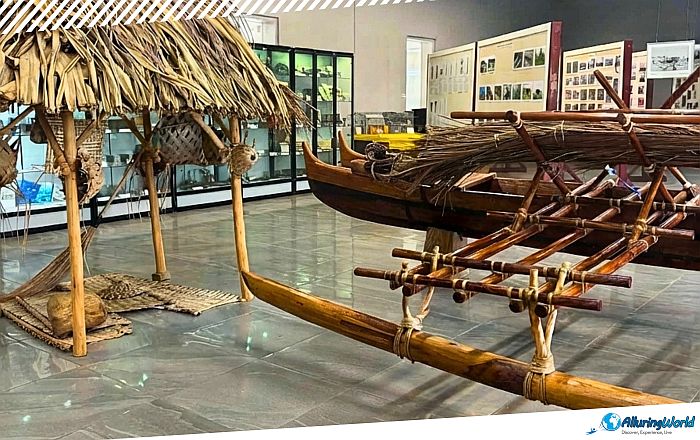
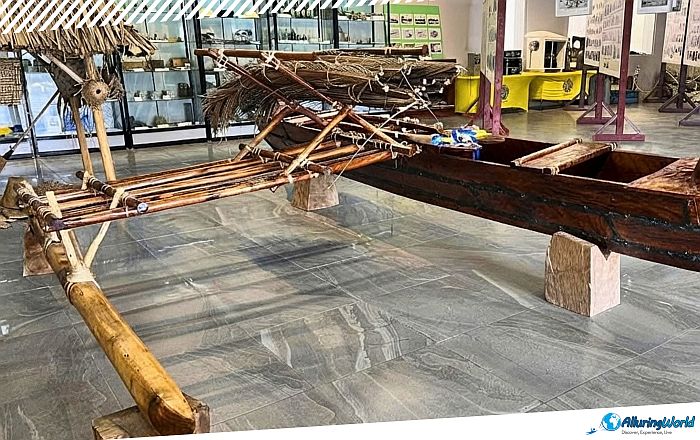
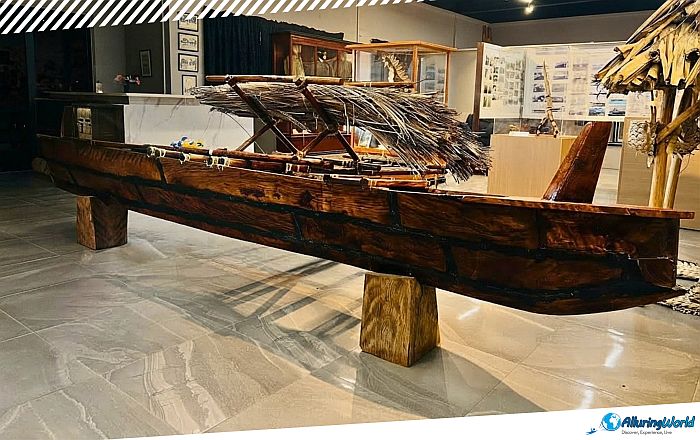
The cultural displays demonstrate the traditional fishing methods that played an important role in people’s survival on the remote island. The exhibits include hand-carved wooden fishing lures, fine fishing nets made of coconut fiber, known as coir, and traditional devices for catching noddy birds. The noddy bird is a very important part of Nauruan culture as it was traditionally caught and domesticated not only as a food supply but also as a status symbol. Audio displays reveal the traditional system of governance within a matrilineal tribal structure existing in the island’s twelve clans. If you move chronologically through the museum, you will notice that it documents the arrival of Europeans and the succession of colonial powers that claimed authority over Nauru, such as:
- The German Era (1888–1914): Annexation as part of German New Guinea, marking the introduction of modern administrative structures and Christian missionary activity.
- The British Phosphate Commission Era (1920–1968): Joint administration by Australia, New Zealand, and the United Kingdom, defined by intense industrial-scale phosphate extraction. This would prove devastating for Nauru today.
- Independence (1968–Present): The path to self-determination, leading to Nauru becoming one of the world’s smallest independent republics.
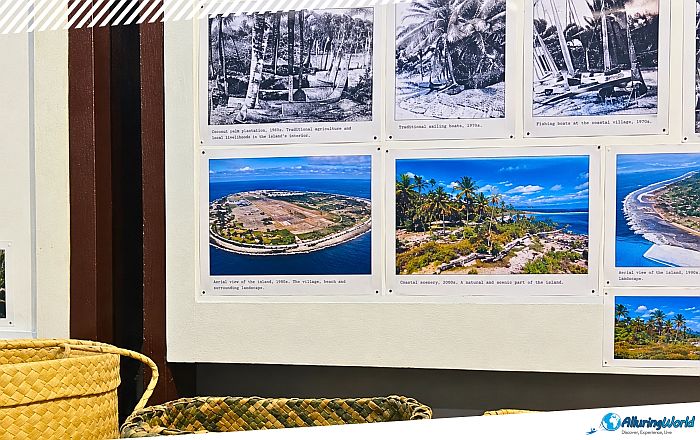
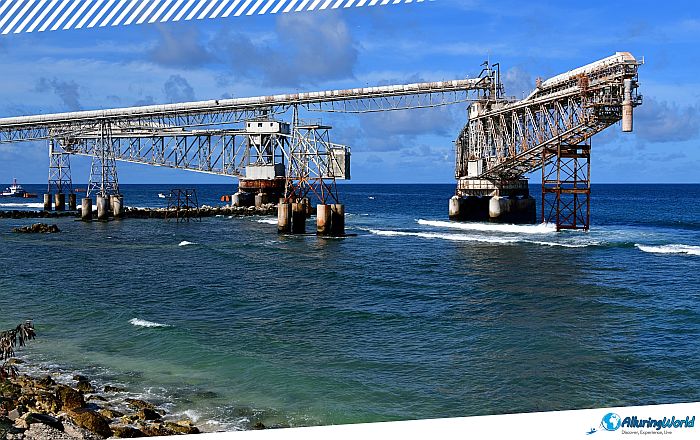
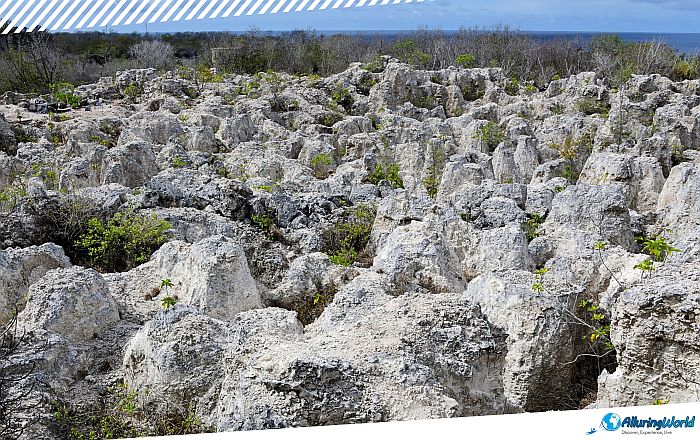
The story of phosphate extraction is presented with clarity and historical balance. High-grade phosphate rock, formed over millennia from guano deposits, drove Nauru’s economy throughout the 20th century. The museum uses historic photographs, mining tools, and economic records to illustrate how this single resource made Nauru one of the wealthiest nations per capita during the 1970s. It is essential to mention that the exhibits do not overlook the enormous environmental impact of this prosperity. Maps and photographs from the archives show how strip mining operations turned the interior of the island, referred to as “Topside” by its inhabitants, into a rocky wilderness of coral limestone spires. The inclusion of both the prosperity and the ecological consequences of the mining boom makes the museum an indispensable introduction to life on Nauru.
Planning a trip to the Naoero Museum entails some amount of flexibility since its opening hours may vary depending on various local and civic occasions. Since the Naoero Museum is located right opposite the coast road, which is adjacent to the runway terminal at Yaren, it is easily accessible from any part of the island.
Visitor Insight: Nauru has no formal urban center, meaning there is no official capital city; Yaren functions as the de facto administrative district. Given the island’s total circuit road spans just 19 kilometers (12 miles), the museum can be reached within a 15-to-20-minute drive from any accommodation on the island, whether that is by rental car, bicycle, or local taxi. Here are some useful facts that would help you organize your visit to the Naoero Museum:
- Operating Hours: Typically open Monday through Friday during standard business hours (8:00 – 17:00), though opening times can vary. It is best practice to confirm hours with your hotel reception or local contact upon arrival before you go for a visit.
- Suggested Duration: Plan to spend between 1 and 2 hours reading the interpretive panels, viewing the outdoor displays, and speaking with museum staff, because this museum will offer you a lot and you will learn quite a lot about this small nation.
- Photography: Interior photography is generally permitted for personal use, but always ask permission at the front desk before photographing specific delicate cultural artifacts.
To maximize your experience, consider combining a morning at the museum with a guided tour of the outdoor WWII relic sites across the island. The museum staff can often recommend local guides who can lead excursions to hidden coastal command bunkers, gun emplacements hidden in the jungle, and the dramatic, eerie landscape of the interior phosphate pinnacles. Nauru enjoys a tropical equatorial climate, with very warm temperatures and consistent humidity throughout the year. The average temperature range is 27°C to 32°C (80°F–90°F), so the best time for visiting Nauru and exploring its cultural attractions is during the dry season that falls from May to October. During this time, the cool easterly trade winds blow, and the amount of rainfall is very minimal. The wet season, on the other hand, runs from November to April, and this brings heavy monsoonal rainstorms and higher humidity, which can occasionally disrupt your travel schedules and outdoor sightseeing.
When you are visiting the museum and interacting with residents, you should keep cultural norms in mind to ensure a smooth and respectful visit. For that, please be considerate of the following:
- Wear modest clothing that covers shoulders and knees when visiting public buildings, civic centers, or rural villages.
- Greet staff and locals with a warm, polite demeanor. The local Nauruan culture places a strong emphasis on community respect and indirect, polite communication between people.
- Always seek permission before entering private land to inspect off-site WWII relics or mining ruins.
To summarize, the Naoero Museum can be considered one of the most important institutions in Nauru that serves to maintain the complex weave of the Nauruan culture. The small museum brings together various elements, including the elements of ancient Micronesian culture, the colonial period, hardships of wartime, and the nation’s independence. In order to learn about one of the most remote countries of the Pacific, you must visit this museum in Yaren.