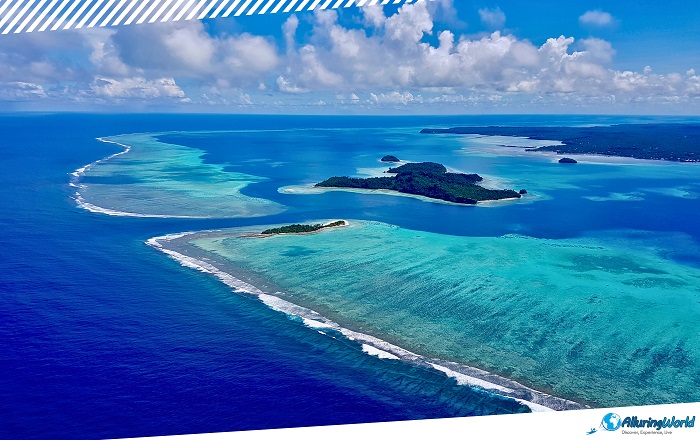
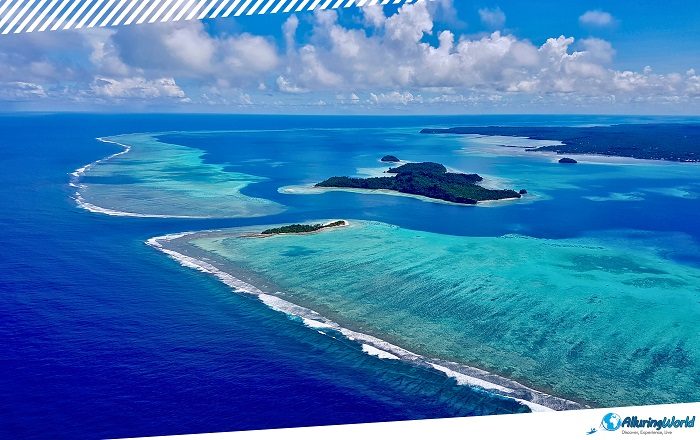
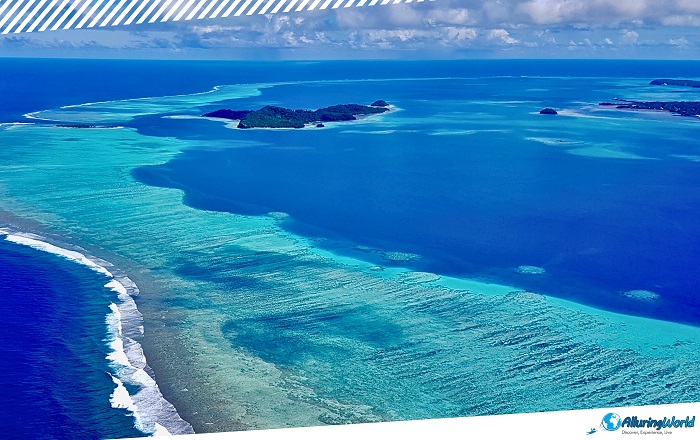
The Wallis Lagoon, also known as the Lagoon of Uvea, is a large and important natural lagoon that surrounds the small island of Wallis, which forms the French island collectivity in the South Pacific better known as the Territory of the Wallis and Futuna Islands. As this lagoon is nestled in the heart of the South Pacific, it is one of the most captivating natural treasures of Wallis and Futuna, with vast turquoise waters surrounding the island of Wallis (Uvea), creating an extraordinary environment of coral reefs, motus (small islets), and shimmering blue waters that seem to merge seamlessly with the horizon. The lagoon is enclosed by an almost unbroken barrier reef, as it forms a calm and sheltered marine world while ot offers a striking contrast to the deep ocean beyond. Its serenity, ecological richness, and cultural importance make it one of the most remarkable and lesser-known gems in the Pacific.
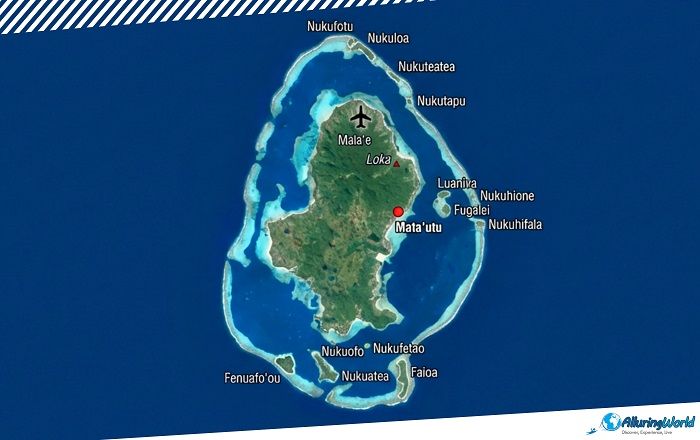
Spanning approximately 15 km (9.3 mi) in diameter, the amazing Wallis Lagoon encompasses a large portion of the island’s coastline. It is encircled by coral reefs that rise just beneath the surface, and they are acting as natural barriers that protect the lagoon from the strong Pacific swells. These quite important reefs are interspersed with several small passes that allow limited water exchange with the open sea, helping sustain a delicate marine ecosystem. The lagoon’s shallow depths and calm waters make it appear almost glasslike, reflecting the lush greenery of Wallis Island and the brilliant blues of the tropical sky.
Geologically, Wallis Lagoon was formed by the same volcanic activity that created Wallis Island itself. Millions of years ago, volcanic eruptions gave rise to the island’s rugged core, but over time, as volcanic activity subsided, coral reefs began to grow around the coastline. The gradual sinking of the volcanic base, combined with the continuous expansion of coral structures, eventually led to the creation of a barrier reef system enclosing a large, shallow body of water, basically the lagoon that we see and which exists today. This natural process, known as subsidence, is standard in many Pacific islands and results in the breathtaking coral lagoons seen throughout the region.
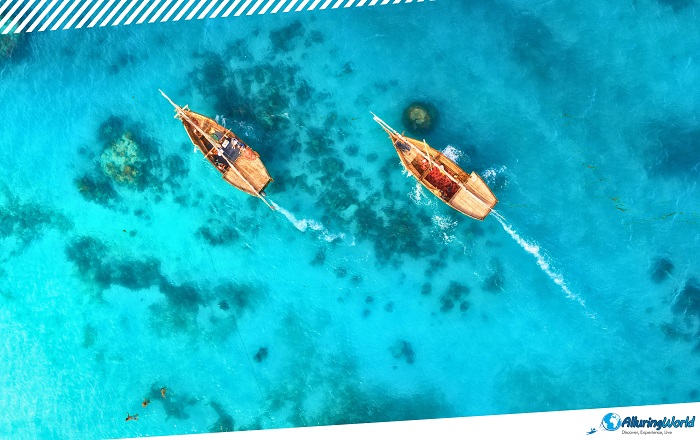
Interestingly, the lagoon is dotted with numerous small islets, locally known and referred to as motus, which add to its visual beauty and ecological significance. Among the most well-known motus are Nukuhione, Nukuteatea, and Nukuhifala, and these motus are composed of coral sand and fragments, while many are covered with coconut palms and tropical vegetation. There are some motus which are uninhabited, offering peaceful retreats accessible only by boat, while others hold historical or cultural significance for the local community. Visiting these islets provides a glimpse into the harmonious relationship between the Wallisian people and their maritime environment, a relationship that has endured for centuries.
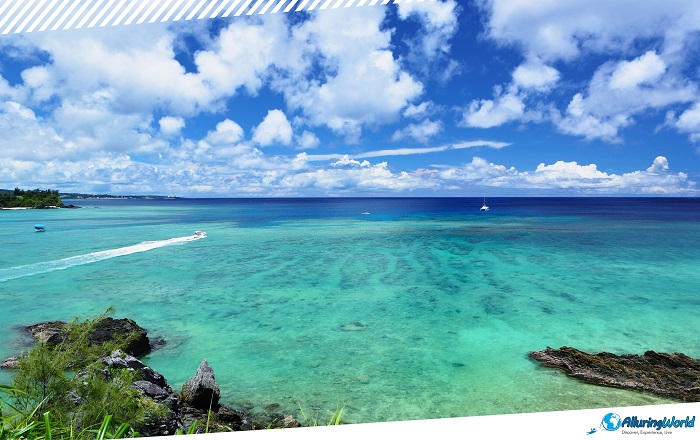
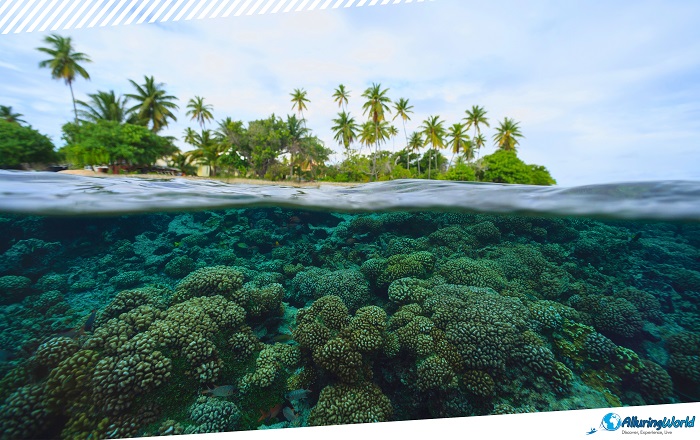
It needs to be noted that the biodiversity within Wallis Lagoon is rich and varied because the coral reefs support a wide array of marine life. These include parrotfish, surgeonfish, butterflyfish, and small reef sharks, and from the other Pacific sea creatures, there are sea cucumbers, clams, and crabs that thrive among the coral formations, and they are contributing to the health of the entire ecosystem. Nonetheless, the calm inner waters of the lagoon also provide an ideal habitat for seagrass meadows, which play an important role in stabilizing the seabed, and they also support marine species such as juvenile fish and sea turtles by allowing them to feed and use them as a hiding ground. The outer reefs, on the other hand, are where the lagoon meets the open ocean, and this section hosts larger species as it serves as a substantial fishing ground for local communities.
ADVERTISEMENT
Beyond its ecological importance, Wallis Lagoon holds great cultural and historical value. For the people of Wallis (Uvea), the lagoon has long been central to their way of life. Traditional fishing practices that have been passed down through generations, even today, remain an essential part of the local Wallisian culture. While the lagoon provides food for the local population, its waters are often used for ceremonies and important gatherings. There are many local legends linked to this lagoon, and one of them is described as a gift from the gods, basically a sacred space reflecting both the beauty and fragility of nature.
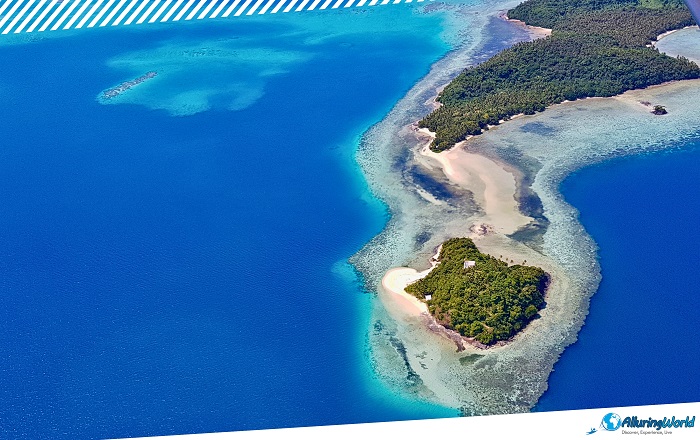
Its tranquility and untouched charm often strike visitors to Wallis Lagoon. Unlike the more commercialized tourist destinations of the Pacific, Wallis retains an atmosphere of authenticity and seclusion. Among the small number of activities that can be done here, swimming, snorkeling, and kayaking are ideal. Exploring by boat allows visitors to admire the coral gardens beneath the surface, where colorful fish dart among vibrant reef formations. The motus make excellent spots for picnics or quiet retreats, with views of the lagoon that change from emerald to deep blue depending on the sunlight and tides.
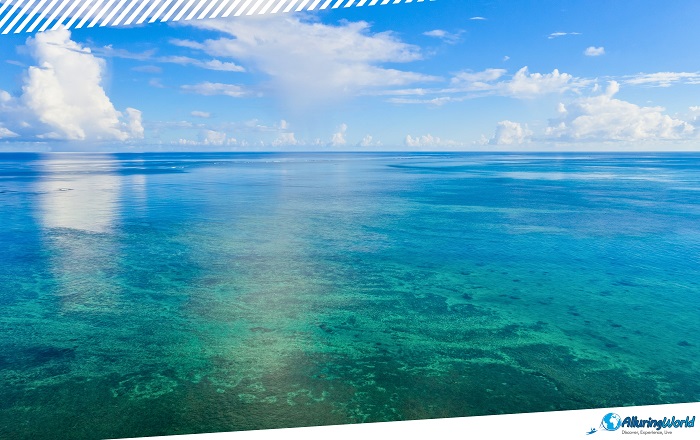
For those interested in diving, the outer reef offers some of the best opportunities to experience Wallis’s underwater world. Diving excursions reveal coral walls, caves, and drop-offs where marine biodiversity flourishes. One of the best features is the visibility in the lagoon and its surrounding waters because it often extends beyond 30 m (98 ft), providing clear views of the intricate marine landscape.
The best time to visit Wallis Lagoon is during the dry season, which typically extends from May to October. During these months, the weather is warm and stable, with gentle breezes and minimal rainfall. The clear skies and calm seas make it ideal for water activities and photography. The rainy season, which lasts from November to April, brings a different perspective of Wallis as it has higher humidity and occasional tropical showers, though the lagoon remains stunning year-round. Visiting during this period can offer a quieter experience with fewer visitors, perfect for travelers seeking solitude and natural beauty.
Still, reaching Wallis Lagoon is relatively straightforward for those visiting the island, because the island is accessible by air through Hihifo Airport, which receives regular flights from Nouméa, the capital of New Caledonia, and Suva, the capital of Fiji. Once at the airport, all you need to choose is the place where you want to stay, and the lagoon can be reached within minutes, because it surrounds the island’s perimeter. Local transportation options include taxis, rental cars, and organized tours, although it is always recommended to either rent a bicycle or a car so that you can explore the whole island. Overall, many visitors choose to explore the lagoon by hiring local small boats or joining guided excursions that include stops at the motus and snorkeling sites.
Everyone visiting this majestic pearl in the Pacific should be cautious about environmental preservation, which is an essential aspect of maintaining the lagoon’s pristine condition. Unfortunately, as the coral ecosystem is very sensitive to pollution and overfishing, the local authorities, together with traditional leaders, always encourage locals and tourists to practice sustainable practices. There were and there are still efforts to educate both residents and visitors about protecting marine life, minimizing plastic waste, and respecting the lagoon’s natural and cultural heritage, and these are thought to continue in the future as well. These initiatives ensure that Wallis Lagoon remains a thriving sanctuary for generations to come.
Photographers and nature enthusiasts will find endless inspiration here because the interplay of colors, starting from the shimmering turquoise shallows and then continuing to the dark blue depths beyond the reef, creates breathtaking visual contrasts. Early mornings and late afternoons offer the best light for capturing the lagoon’s beauty, while sunsets over the Pacific horizon transform the entire scene into shades of gold and crimson.
In many ways, Wallis Lagoon represents the soul of Wallis and Futuna: tranquil, resilient, and deeply connected to nature. Here, time seems to slow down, and the only sounds are the gentle lapping of waves and the whisper of trade winds through coconut palms. It does not matter if it is explored by a boat, admired from the shore, or just experienced through the traditions of its people, the Wallis Lagoon simply offers a profound sense of harmony and belonging that defines the South Pacific’s most enchanting landscapes.
In conclusion, this lagoon is more than a geographic feature, as it is a living symbol of the relationship between the people living on the island of Wallis and the sea, or in this case, the Pacific Ocean. As this was formed through ancient natural processes, sustained by vibrant ecosystems, and woven into the cultural identity of its inhabitants, nowadays it remains one of the Pacific’s most unspoiled treasures, which we hope will stay that way. Overall, a visit to Wallis Lagoon is not just a journey into nature’s beauty but an encounter with a timeless rhythm that continues to shape life on these distant islands.