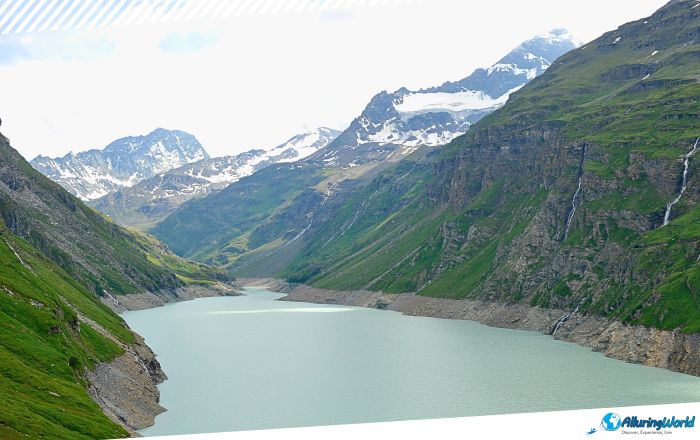
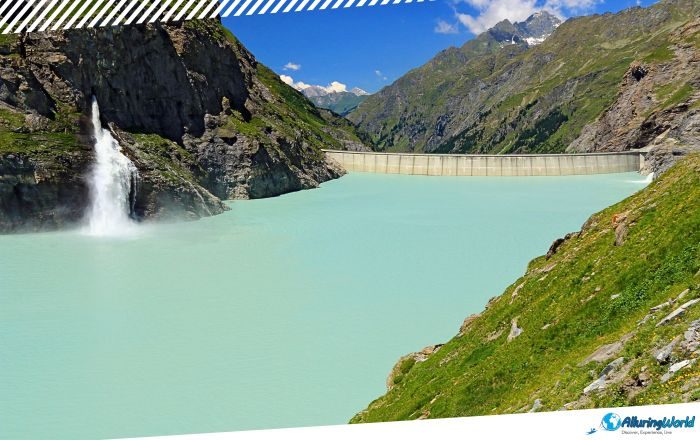
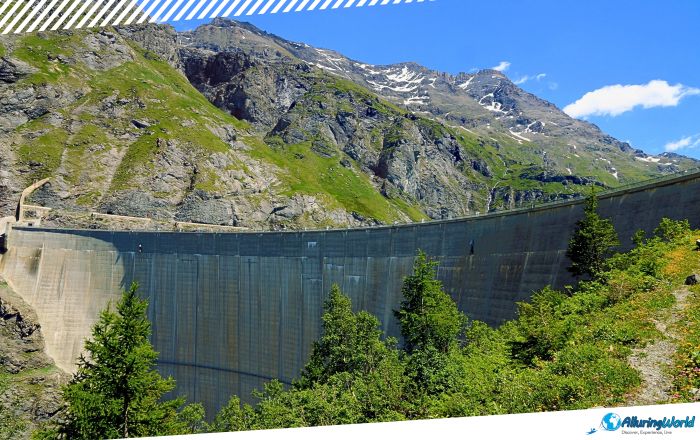
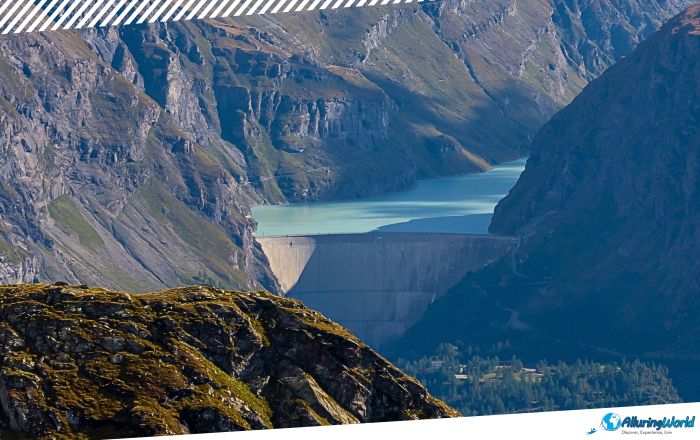
Mauvoisin Dam is an artificial concrete variable radius arch dam that forms the Mauvoisin Lake, and the artificial dam is considered to be one of the highest ones in the world, located in the Val de Bagnes in the canton of Valais, within the southwestern part of the Swiss Confederation. Standing as a monolithic sentinel in the Bagnes Valley, the Mauvoisin Dam is more than just a wall of concrete that holds a large amount of water. This is considered to be a masterpiece of Swiss engineering and a vital guardian of the landscape.
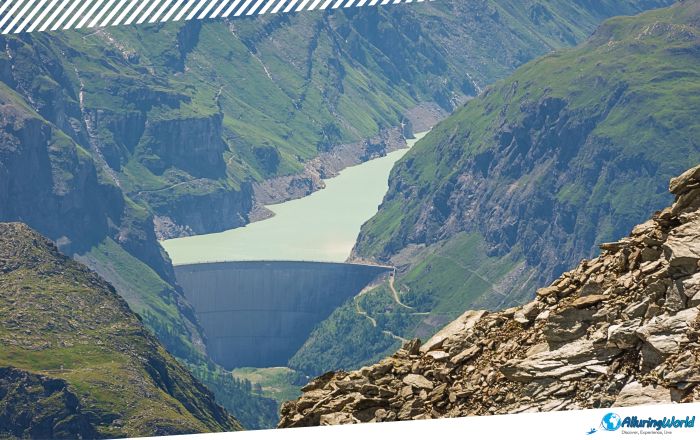
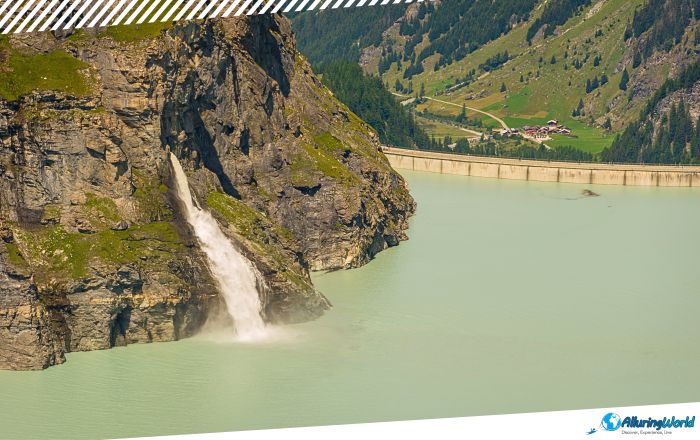
Mauvoisin Dam was constructed between 1950 and 1958, which was seen as a period of intense hydroelectric development in Switzerland because numerous similar projects were developed. Reaching a staggering height of 250 meters (820 ft) and stretching 520 meters (1,710 ft) in length, the structure was actually heightened by 13.5 meters in 1991 to increase the storage capacity of the water.
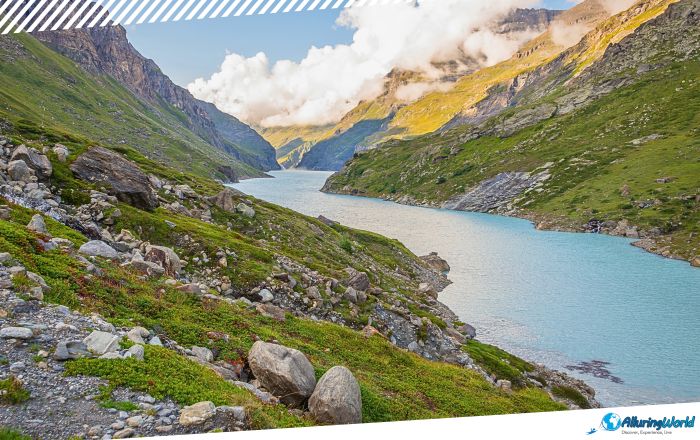
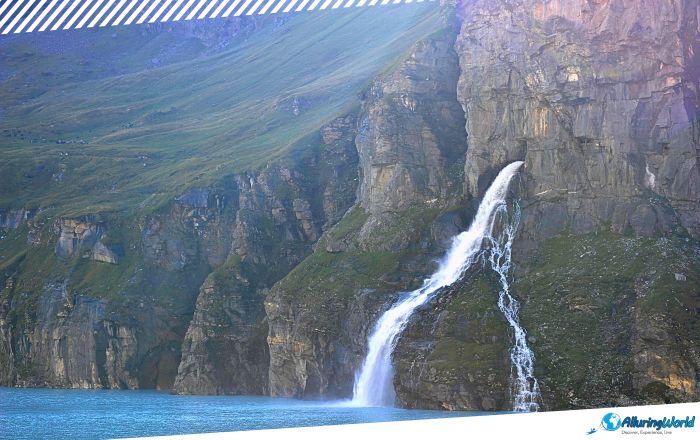
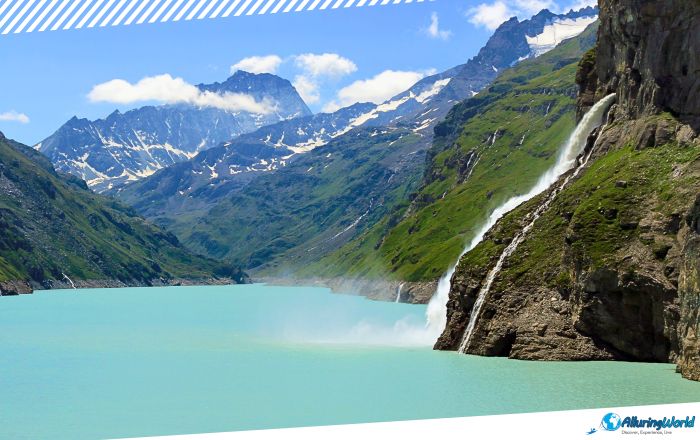
The dam holds back the Alpine turquoise waters of Mauvoisin Lake, which extends 5 km (3 mi) and covers a surface area of 208 hectares (510 acres). When the reservoir was filled in 1958, it signaled a new era for the region, and it transformed the flow of the Dranse de Bagnes into a controlled source of immense power that was put into service for the Swiss people.
nevertheless, beyond its power generation, the Mauvoisin Dam serves also as a somber and heroic purpose: protection. Historically, the Valais region of Switzerland is marked by tragedy, and this was quite specifically with glacial lake outburst floods. Throughout history, it has been noted that there have been ice dams that hold water from flowing down the valley, but in 1595 and 1818, the sudden failure of these ice dams at the Giétro Glacier sent catastrophic walls of water down the valley.
By regulating the water level with the Mauvoisin Dam and providing a massive physical barrier, the dam now shields the Bagnes and Rhône river valleys from the unpredictable nature of the surrounding glaciers, further ensuring that the historical disasters of centuries past remain in the history books.
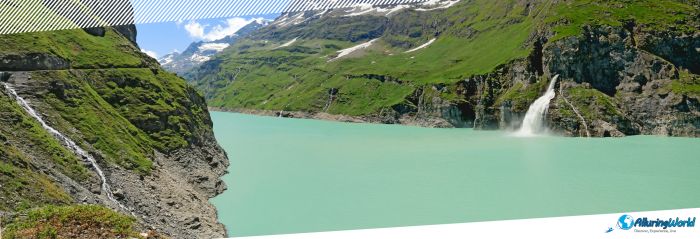
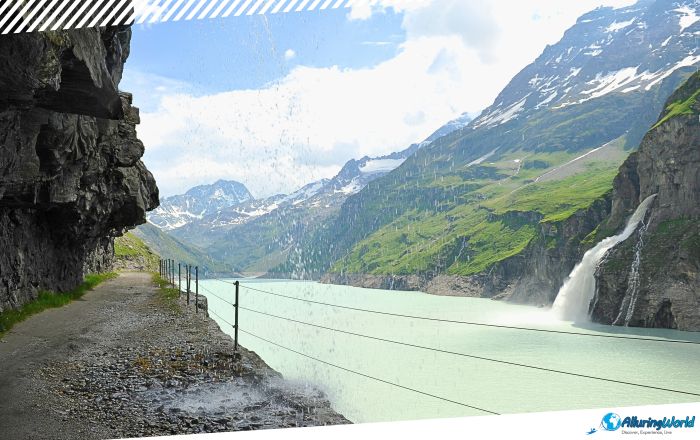
Ever since the dam was finished, the Mauvoisin Lake has become a magnet for visitors. The Mauvoisin Dam with its lake acts as the gateway to the Haut Val de Bagnes, the second-largest nature conservation area in Switzerland, and the contrast between the smooth, artificial curve of the concrete and the jagged, snow-capped peaks creates a surreal visual experience that cannot be replicated in other places around the world, but only here in Switzerland.
ADVERTISEMENT
The area is a paradise for outdoor enthusiasts because it offers about 400 km (249 mi) of meticulously maintained hiking trails, which are of different difficulties, and are suitable for every type of hiker. In addition to hiking, in recent years, mountain biking has become a popular activity at the Mauvoisin Dam and Lake, with about 200 km (124 mi) of biking routes that range from gentle paths to grueling alpine climbs. If you are one of those active types of people, then you can just come to the Mauvoisin Dam and visit the educational galleries inside the dam itself, where you can walk through the tunnels to learn about the history and mechanics of the site.
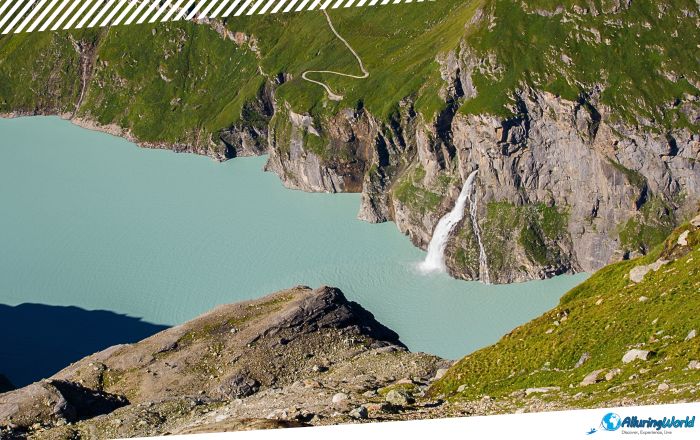
Considering that the lake is fed by meltwater from the Giétro Glacier, Mauvoisin Dam is considered a premier example of sustainable energy production. This water is funneled through an intricate system of pressurized tunnels to subterranean power stations that generate vast amounts of electricity. The facility operates with high-efficiency machinery, and there are three turbines with a capacity of 46 megawatts and five turbines with a capacity of 45 megawatts.
Together, they create a total capacity of 363 megawatts, yielding an annual generation of approximately 943 million kilowatt hours. This “white gold” provides pure green energy to around 200,000 to 377,000 Swiss homes per year, making the dam a cornerstone of the nation’s renewable energy strategy, and something that should be kept up with the times to ensure the electricity will never stop.
This is why the maintenance of such a giant is a constant battle against nature. Over the decades, sediment that consists of silt and crushed rock carried by glacial melt has settled at the bottom of the reservoir, which puts additional weight on the structure and additionally causes the lake to rise higher than usual. While various proposals have been floated to dredge or remove this debris to maintain storage volume, the sheer depth and technical complexity have presented significant safety concerns. Sadly, to date, no major desilting project has been carried out, as engineers prioritize the structural integrity of the dam’s foundation.
In recent years, the dam has captured global attention for reasons beyond its architecture. In 2016, the Australian trick-shot group How Ridiculous, led by Derek Herron, chose Mauvoisin as the stage to obtain a Guinness World record. From the dizzying height of the dam’s crest, Herron launched a basketball into the air, where the basketball, defying the wind and the sheer scale of the drop, fell directly into a net placed on the ground below on just his third attempt. This feat highlighted the “impossible” scale of the dam, cementing its status as a destination for both serious engineers and thrill-seekers alike.
In conclusion, the Mauvoisin Dam stands as a definitive monument to Swiss ingenuity, seamlessly connecting high-stakes engineering and environmental stewardship. The dam is a very rare place where a massive concrete barrier doesn’t just interrupt nature, but actively protects it and the communities below. If you are an architectural buff and would like to stand atop this engineering marvel that creates vast amounts of clean energy, surrounded by breathtaking alpine trails, then Mauvoisin will be the place for you to discover, as it will continue to remain a powerful reminder of what can be achieved when human ambition respects the scale of the mountains.