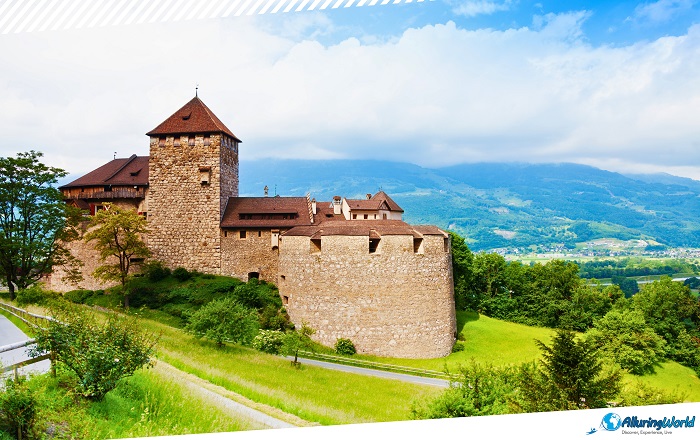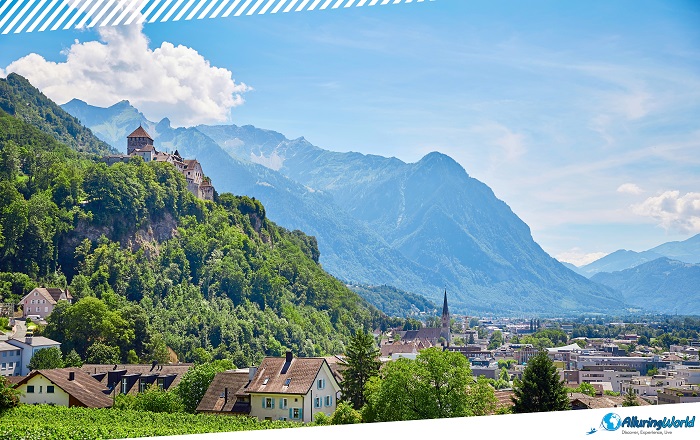
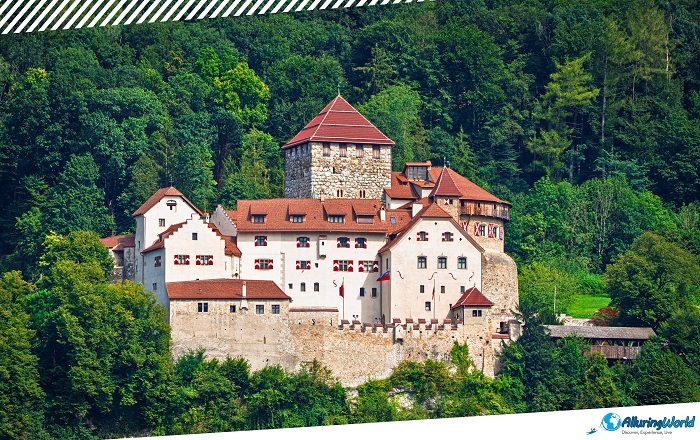
Vaduz Castle is the official palace and residence of the Prince of Liechtenstein, perched on a steep hill 120 m (324 ft) above the capital city of the Principality of Liechtenstein, Vaduz. Locally referred to as Schloss Vaduz, this historic palace dominates the skyline and can be seen from far away, representing the enduring sovereignty of the small alpine country.
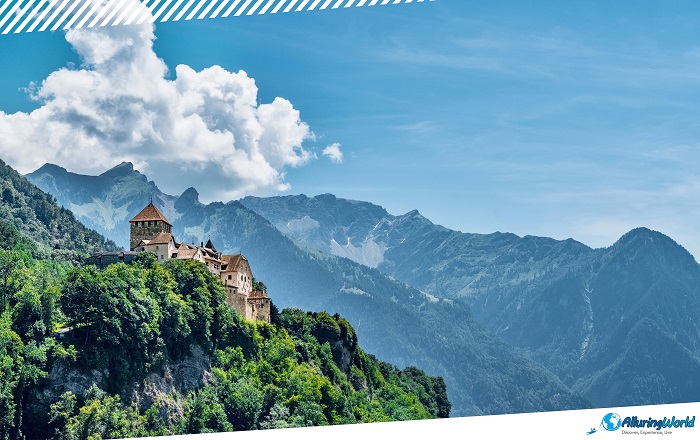
Though its exact origins are shrouded in antiquity, historians believe the castle was constructed as a fortress as early as the 12th century. The primary structures served defensive purposes until living quarters were added in 1287, signaling its transition from a military stronghold to a noble home. The first formal documentation of the site appears in records dating back to 1322.
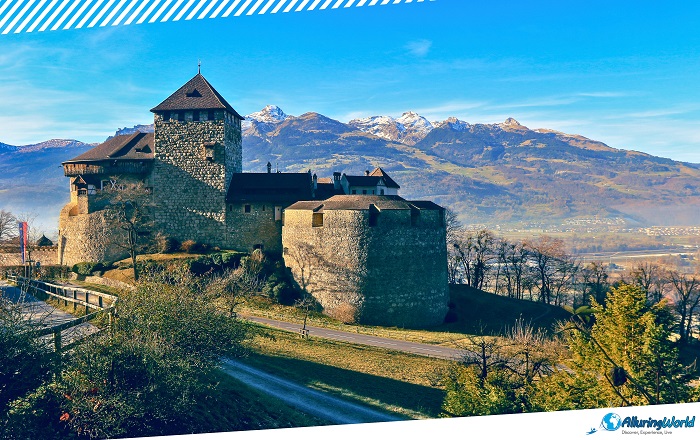
The Princely Family of Liechtenstein acquired Vaduz Castle in 1712 as part of their purchase of the countship of Vaduz. This was a pivotal moment in European history; Charles VI, Holy Roman Emperor, combined this countship with the Lordship of Schellenberg (purchased in 1699) to form the present Principality of Liechtenstein.
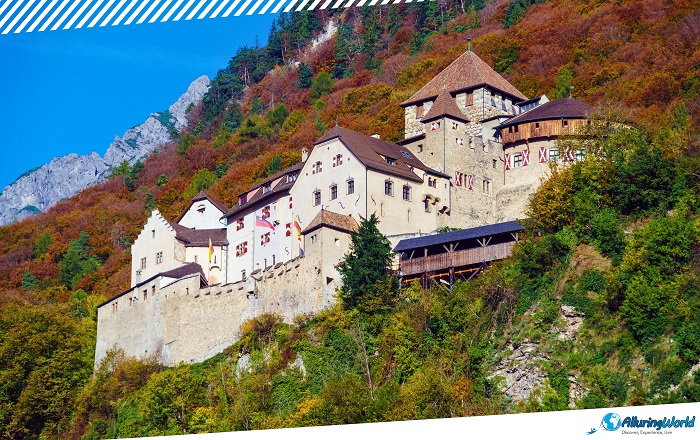
During the medieval days of the principality, the fortress provided a strategic advantage, as the prince could have sought refuge in the castle from potential unrest or a peasant uprising. Following the 1712 acquisition, the west wing served as the family’s official residence until 1732.
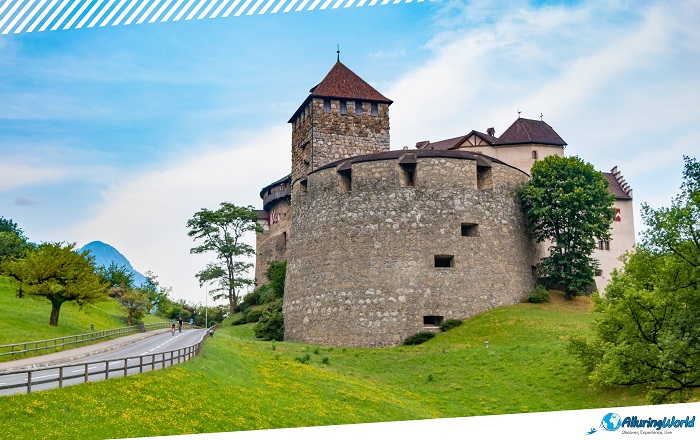
For nearly two centuries following 1732, the building’s importance waned. Since the structure became increasingly dilapidated and fell into disrepair, up until a major revival effort began. The castle was rebuilt and renovated between 1905 and 1912, restoring its former glory. Later, under Prince Franz Josef II, the castle was extended and modernized to be once again made fit for living.
ADVERTISEMENT
Nevertheless, the architecture of Vaduz Castle is a captivating blend of different eras, showing the long transformation it has undergone from a medieval stronghold to a princely palace. The oldest part of the complex is the Bergfried, which is the keep, and this dates back to the 12th century. Its walls are incredibly thick, measuring up to 4 m (13 ft) at the base, designed to withstand prolonged sieges. Throughout the centuries, the castle evolved with the addition of the Late Gothic living quarters and the expansive Renaissance bastions that provide its distinctive silhouette today.
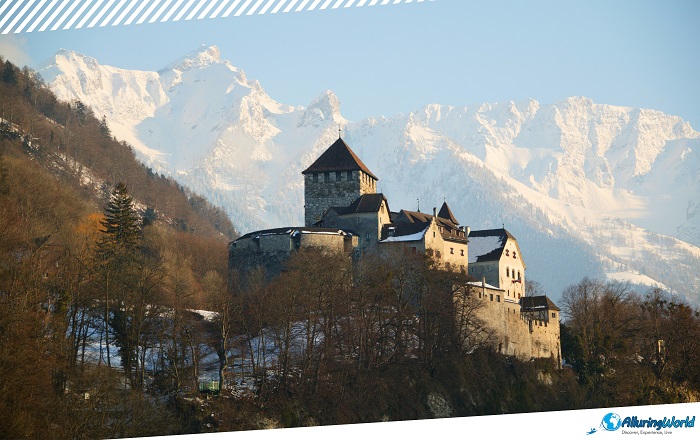
One of the most interesting features is the St. Anna Chapel, which was likely built in the Late Middle Ages and serves as a private place of worship for the family. In addition to this, the Vaduz Castle also features a massive round tower on the northeast side, which was once a critical defensive point overlooking the impressive Rhine Valley. Even though there have been various renovations throughout the ages, the structure has retained its authentic stone-masonry aesthetic, ensuring it remains an architectural jewel of the Alpine region.
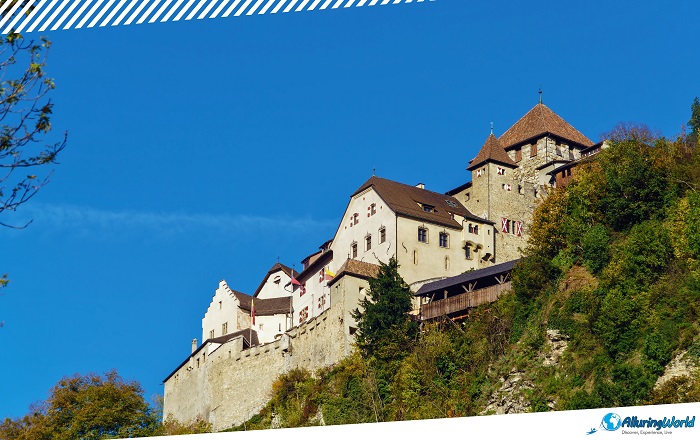
Most importantly, it was in 1939 that the Prince moved in with his family and officially adopted Vaduz Castle as his official residence, and this is a status that is maintained to this day. Because the princely family still lives in the castle, the interior is not open to the public, but visitors to the capital are always welcome to admire the exterior and the grounds. Despite the fact that you can see it as close as possible, the royal family still requires that their privacy be respected.
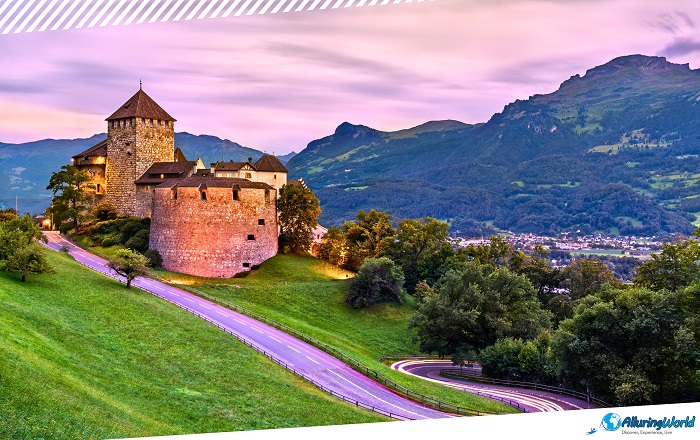
In conclusion, today Vaduz Castle remains the most prominent landmark in the country, embodying the deep historical roots and the modern identity of the nation. While the gates remain closed to preserve the family’s home, the sight of the castle overlooking the valley serves as a constant reminder of the enduring legacy of the monarchy. If you are seeing this majestic architectural masterpiece from the city where the Landtag of Liechtenstein and the Government Building are located, or simply up from the hill, you are seeing the longstanding history of the small but strong principality, thus serving as a silent witness to centuries of transformation.