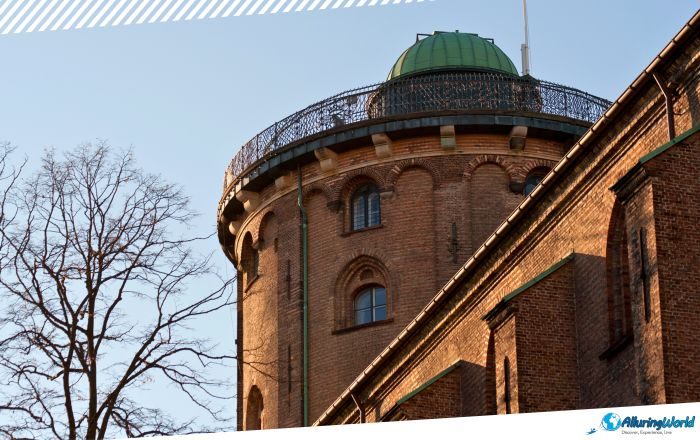
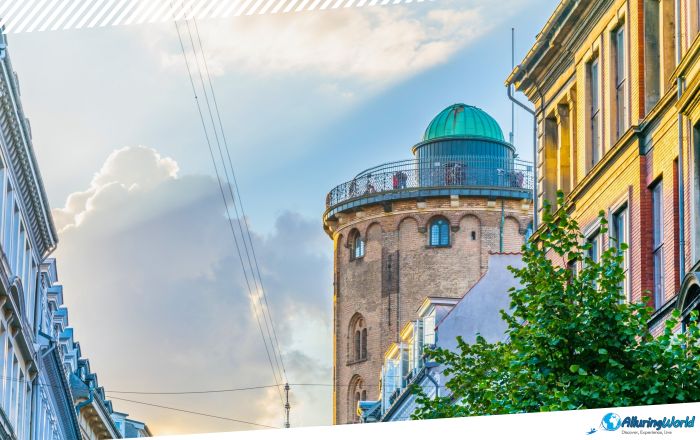
Rundetaarn, known in English as the Round Tower, is a prominent historical observatory that serves as one of the greatest landmarks that can be seen in the heart of Copenhagen, the capital city of the Kingdom of Denmark. This striking tower, which rises above the city’s skyline, is one of the oldest functioning observatories in Europe and a testament to Denmark’s rich history of scientific exploration and architectural innovation. As it was built in the 17th century, Rundetaarn continues to captivate visitors with its unique design, fascinating history, and panoramic views of Copenhagen, and for anyone exploring the Danish capital, a visit to Rundetaarn offers a blend of history, science, and culture, making it a must-see attraction.
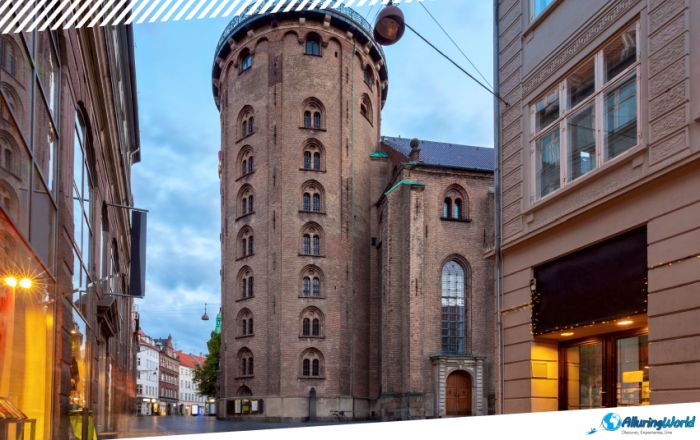
Rundetaarn was commissioned by King Christian IV, one of Denmark’s most famous and ambitious monarchs, who reigned from 1588 to 1648. The tower was constructed between 1637 and 1642 as part of a larger complex that included a university observatory, a library, and a church, where this complex was designed to serve as a center for the study of astronomy and to promote the advancement of science in Denmark, reflecting the Renaissance ideals of knowledge and discovery that were sweeping across Europe at the time. King Christian IV was a strong proponent of science and education, and Rundetaarn was intended to showcase Denmark’s commitment to these pursuits.
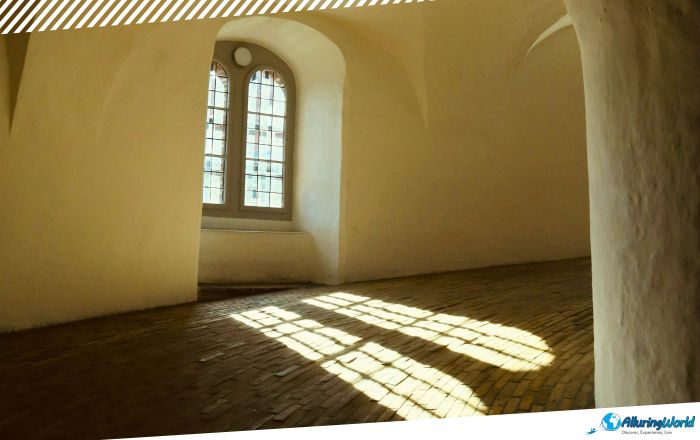
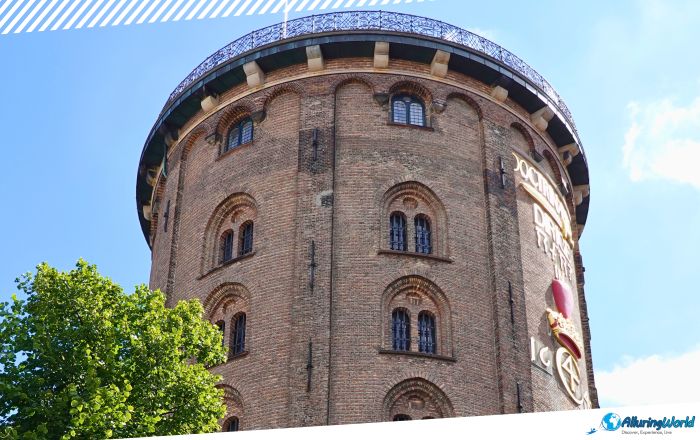
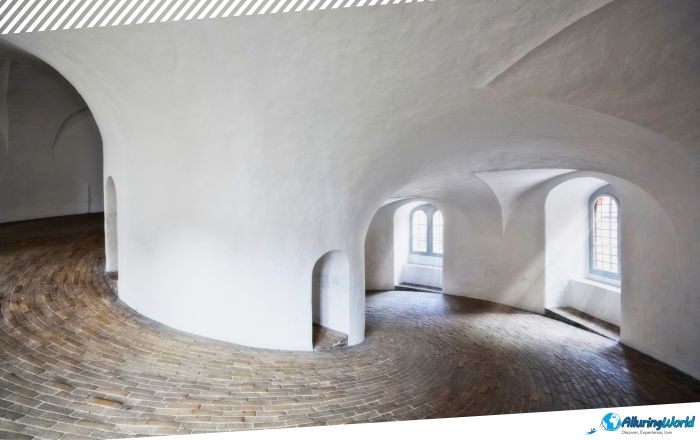
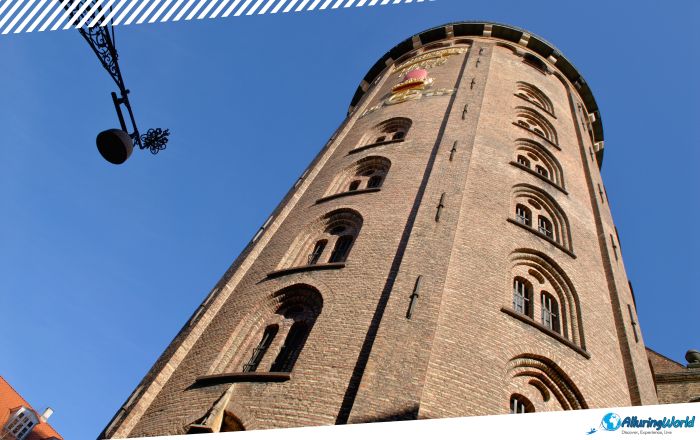
The construction of Rundetaarn was a remarkable feat of engineering for its time, and as the tower stands 34.8 m (114 ft) tall, it has a diameter of 15 m (49 ft). Its most distinctive feature is the helical ramp that spirals up the interior, winding seven and a half times around the hollow core to reach the top. This ramp, rather than a traditional staircase, was designed to allow horses and carts to transport heavy astronomical instruments to the observatory at the top, and this spiral ramp is, in actuality, an architectural marvel, seamlessly blending functionality with aesthetic appeal. To build this impressive architectural masterpiece of its time, the tower was constructed using red brick, a common building material in Denmark, and its sturdy, cylindrical form has allowed it to withstand the test of time.
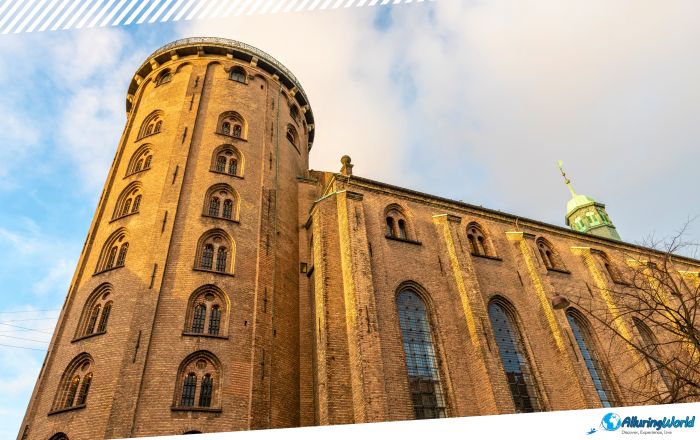
Rundetaarn was built primarily to serve as an astronomical observatory, a reflection of the growing importance of astronomy in the 17th century. The observatory was used by leading Danish astronomers, including Ole Rømer, who is renowned for his work on the speed of light, but the tower’s location in the center of Copenhagen was carefully chosen to provide an unobstructed view of the night sky, allowing astronomers to study celestial phenomena and make important contributions to the field. Throughout the years, the observatory was in active use until the mid-19th century, when it was replaced by more modern facilities.
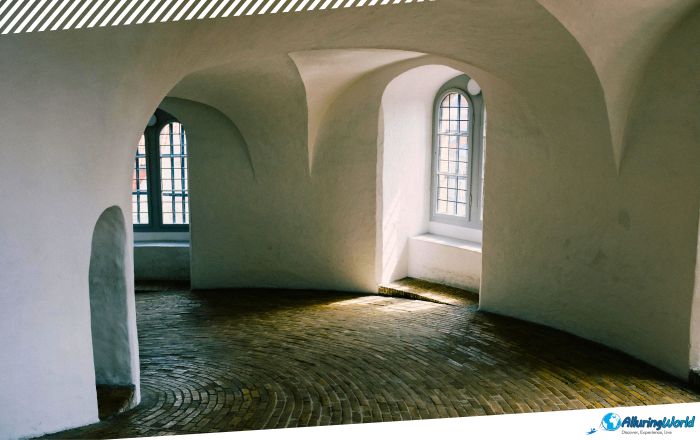
In addition to its role as an observatory, Rundetaarn also housed the university library, which was located on the floor beneath the observatory, and it was an essential resource for scholars and students at the University of Copenhagen, which was closely associated with the tower. The church, known as Trinitatis Church, completed the complex and served as a place of worship for the university community, where together, these three institutions made Rundetaarn a hub of intellectual and spiritual life in Copenhagen.
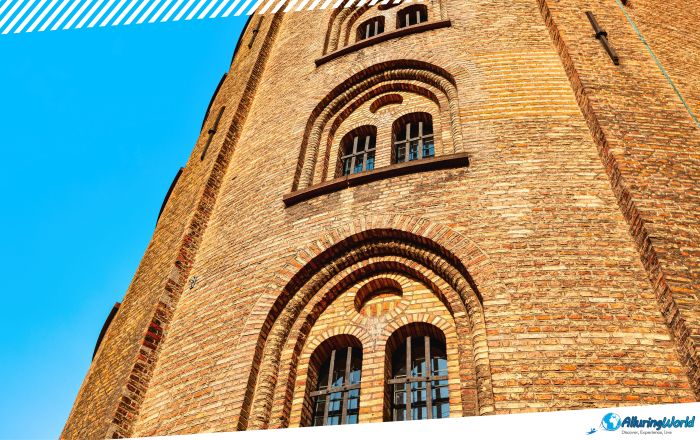
Over the centuries, Rundetaarn has remained a symbol of Denmark’s scientific heritage and continues to attract visitors from around the world. The tower’s importance lies not only in its historical function but also in its enduring presence as a cultural and architectural icon since its unique design and historical significance make it one of Copenhagen’s most recognizable landmarks, and it has become a symbol of the city’s blend of tradition and modernity.
ADVERTISEMENT
Today, Rundetaarn is open to the public, offering visitors a chance to explore its fascinating history and enjoy the spectacular views from its observation deck. The ascent to the top of the tower is an experience in itself, as visitors walk up the gently sloping spiral ramp, passing through the tower’s different levels, and along the way, they can stop to explore the various exhibitions housed within the tower, which often focus on themes related to science, history, and art. The tower’s library hall, which once held thousands of books, is now used as an exhibition space and hosts a variety of cultural events, including concerts, lectures, and art exhibitions.
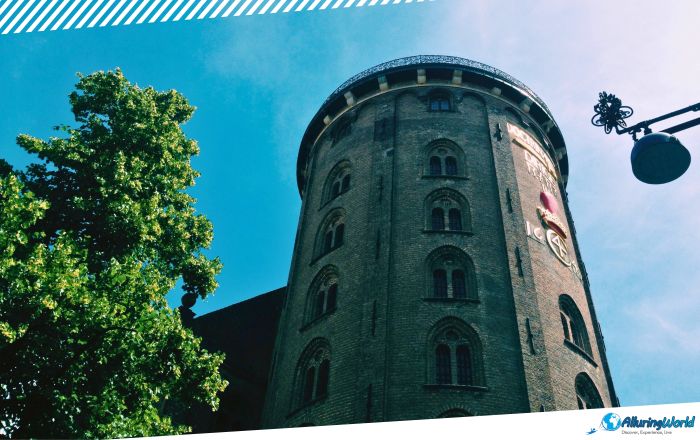
The observation deck at the top of Rundetaarn offers one of the best views of Copenhagen, providing a 360-degree panorama of the city’s rooftops, spires, and streets, and even on a clear day, visitors can see as far as the Öresund Bridge, which connects Denmark and Sweden. The view from the top is not only breathtaking but also offers a unique perspective on the layout and architecture of Copenhagen, making it a favorite spot for photographers and sightseers alike.
Visiting Rundetaarn is easy, as it is centrally located in Copenhagen, close to many other attractions such as the Strøget shopping street, the University of Copenhagen, and Rosenborg Castle, and the tower is accessible by foot, bike, or public transportation, with several bus and metro lines stopping nearby. Rundetaarn is open year-round, and tickets can be purchased at the entrance or online, and as the entrance fee is modest, it is still an affordable and accessible destination for both tourists and locals.
For those interested in delving deeper into the history of Rundetaarn, guided tours are available, offering insights into the tower’s construction, its role in the scientific community, and its place in Danish history, but as other historic structures, the tower too hosts special events and activities throughout the year, including stargazing sessions, where visitors can use telescopes to observe the night sky, just as the early astronomers did centuries ago.
In conclusion, Rundetaarn is much more than just a tower; it is a symbol of Denmark’s commitment to science, education, and cultural heritage. Its unique design, historical significance, and panoramic views make it a must-visit destination for anyone exploring Copenhagen, and whether you’re fascinated by astronomy, intrigued by history, or simply looking for a stunning view of the city, Rundetaarn offers an experience that is both educational and inspiring. Its enduring presence in the heart of Copenhagen is a testament to the vision of King Christian IV and the importance of science and knowledge in Danish society.