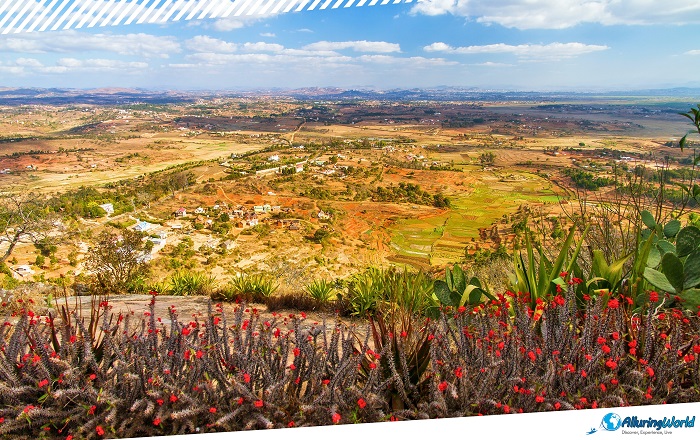
The Royal Hill of Ambohimanga is a hill and traditional fortified royal settlement that is located in the Commune of Ambohimanga Rova, in the central highlands of the Republic of Madagascar. As it is more precisely about 24 km (15 mi) northeast of the capital city, Antananarivo, this historic settlement is nestled within a lush landscape of forests and rolling hills, and it stands as one of the most historically and culturally significant landmarks in the country. It has long been a place of great importance for the Malagasy people, serving as a royal residence, a sacred burial site, and a center of political and spiritual power.
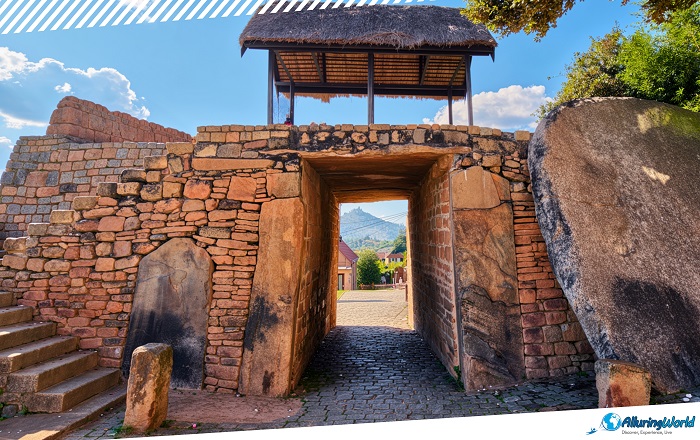
Although there is no accurate information that confirms who is responsible for the construction of the first settlement, it is agreed that the history of Ambohimanga Royal Hill goes back to the early 18th century, when it was established as a fortified city for kings by King Andriantsimitoviaminandriandehibe. As he was one of the kings who ruled the Merina Kingdom, after his son, King Andrianampoinimerina, took over control, he built his influence as he made the hill a vital center of administration. The site was chosen strategically due to its elevation, which provided natural protection, and an additional positive feature was the fertile surrounding territories, which were conducive to agriculture. Ambohimanga was not just a political citadel but also a holy sanctuary, reflecting the affinity between the Merina dynasty and the indigenous Malagasy religion.
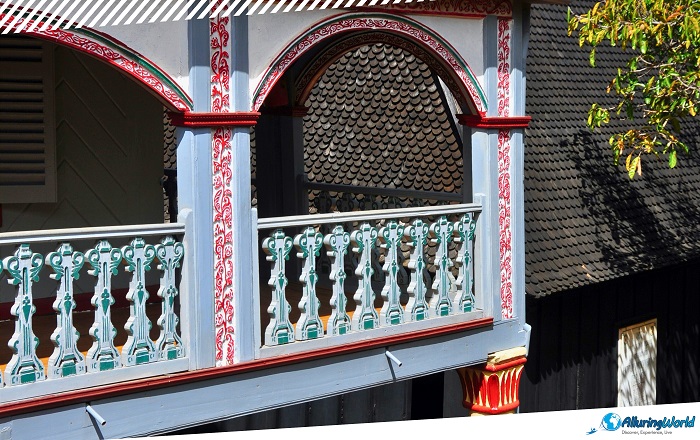
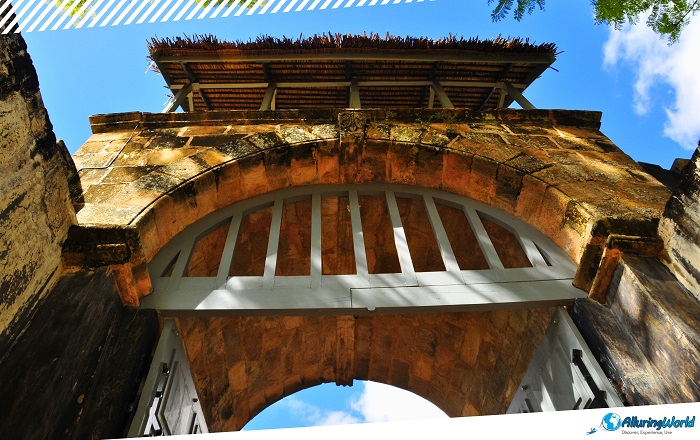
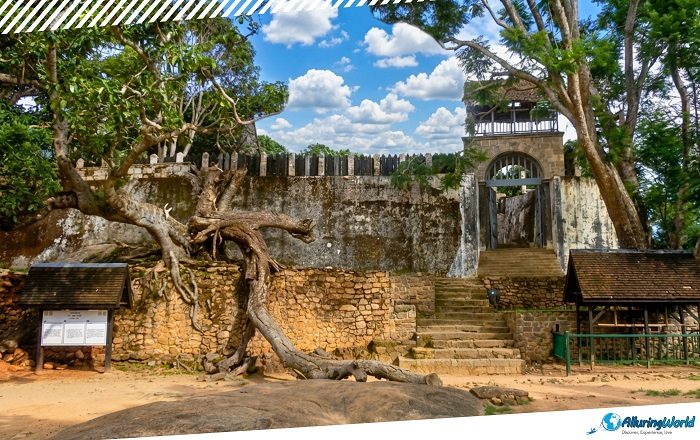
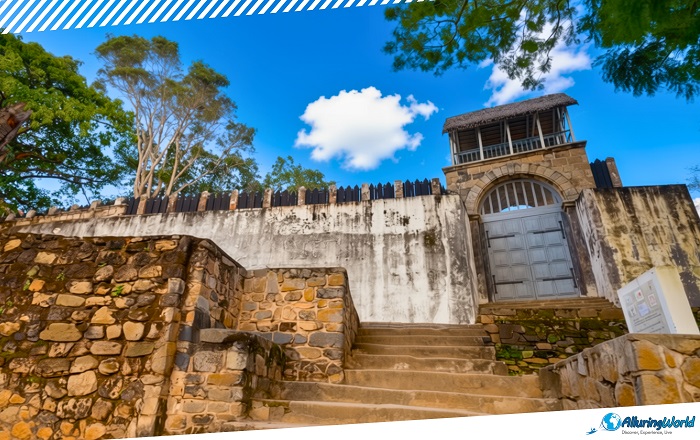
In order to build this historic place, throughout its construction, locally available materials easily found in the region were utilized, since the fortifications, walls, and palaces were built primarily of stone, wood, and hardened clay that evidenced Malagasy laborers’ innovative expertise. One of the visually most striking pieces of architecture is the Rova, or royal enclosure, surrounded by an enormous stone wall made up of closely packed blocks, some of them weighing many tons. The main entrance to the enclosure, the Ambatomitsangana gate, featured an enormous stone disc rolled into place manually each night as a means of closing off the royal compound, which served as a protection against possible invasions.
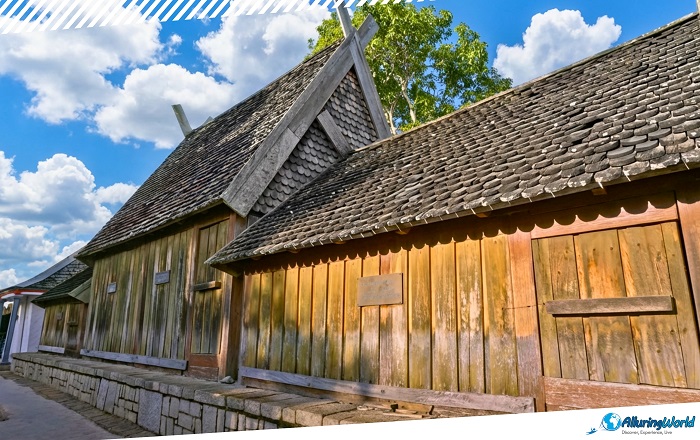
Still, the royal palace within the hill compound is a good example of Malagasy wooden building design. The Trano Manjakamiadana, the central palace, was constructed using rosewood, a highly valued wood in Madagascar, and it was raised on stilts as it was decorated with inlaid carvings, reflecting the standards of craft during those times. The interior of the palace was relatively plain, with a single room that held the king’s personal items, ritual items, and holy items, but additionally, the site has a series of royal tombs, where several monarchs are interred, further adding to the sanctity of Ambohimanga.
ADVERTISEMENT
At its peak, the Royal Hill of Ambohimanga was the center of the Merina Kingdom, both a political and spiritual center. It was from here that King Andrianampoinimerina devised his strategies for unifying the fragmented pieces of Madagascar under his rule, and the site also made it easy to build Antananarivo as a capital because it became the center of central authority from which the Merina kings spread their control. To top it all, Ambohimanga was where religious ceremonies and ritual practices in the worship of the ancestors were performed, and this further made it prominent within the spiritual Malagasy culture.
Throughout the centuries, Ambohimanga remained important even though the political power shifted to Antananarivo, which was slowly transformed into the capital city. Despite colonial days bringing governmental shifts to the control of Madagascar, the compound maintained status as a source of national identity and resiliency. The French colonial power that had a grip over Madagascar, which in fact was a French colonial state, conscious of the status and historic power Ambohimanga had, attempted to level portions of the compound, but strong local resistance and continued veneration ensured its existence. Due to this fortunate circumstance, Ambohimanga is nowadays not just a historic site, but also a pilgrimage site for individuals who continue to honor the traditions and legacy of the Merina monarchy.
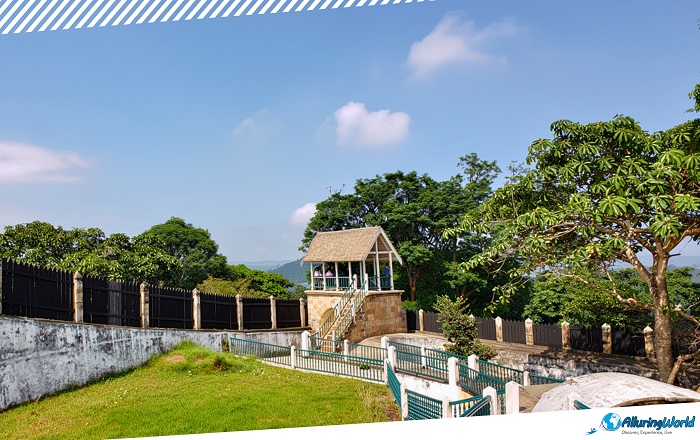
In modern times, the Royal Hill of Ambohimanga holds utmost cultural and historical importance, and a proof for this is that it was declared a UNESCO World Heritage Site in 2001, in acknowledgment of its outstanding universal value. Nonetheless, it continues to be a site of Malagasy cultural identity, with traditional ceremonies still being performed within its sacred walls. Visitors can see the well-preserved royal residences, tombs, and fortified buildings at the settlement and learn more about Madagascar’s extensive history and the extent of the Merina Kingdom.
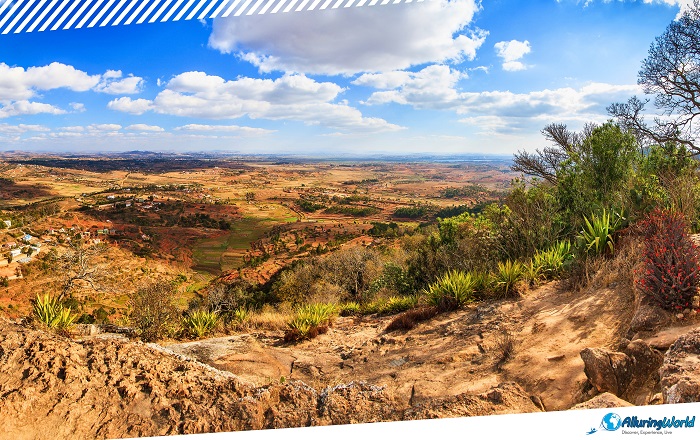
Ambohimanga is relatively easy to access, with well-developed roads connecting it to the capital city of Antananarivo. The easiest option is to hire a taxi or a car to get to the site, and the journey takes approximately an hour. When at the foot of the hill, visitors are able to explore its various structures and view the surrounding highlands from scenic viewpoints, but there are guided tours which are available, with extensive information on the historical and religious significance of the site. Admission charges are reasonable, and tourists are advised to be considerate of local traditions, especially when entering holy spaces.
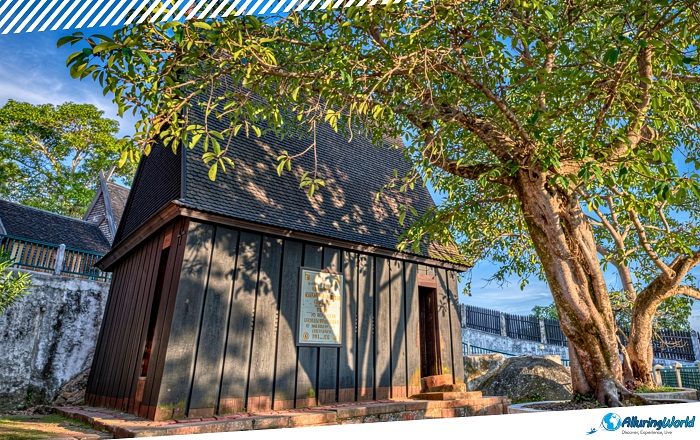
The most ideal time to visit Ambohimanga is from April to October, when the dry season is ongoing, and this is so that the climate is favorable and the roads are good, making it easy to move around. A weekday visit could also be the best, considering that weekends come with more of the locals paying homage and partaking in native rituals.
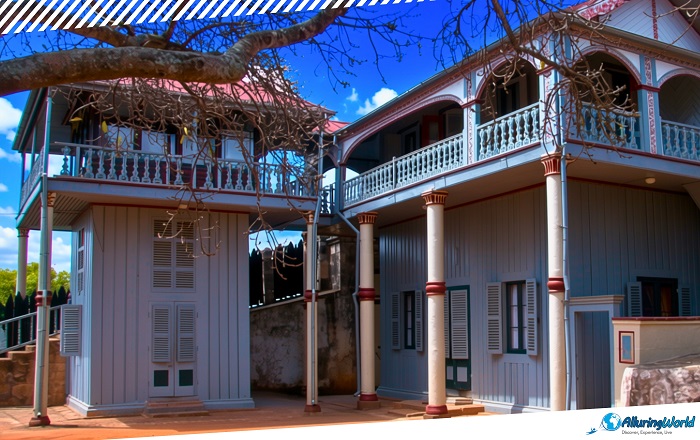
In conclusion, the Royal Hill of Ambohimanga remains one of the most precious historical sites in Madagascar, providing the world with a unique window into the nation’s past kingdoms and tried-and-true traditions. With such political, religious, and historical importance, it is one of the inspiring destinations to visit for those full of heritage and grand vistas, and for cultural heritage students, architecture enthusiasts, and history enthusiasts, a trip to Ambohimanga provides a rich experience that brings the past into the present and is a must-see destination in Madagascar.