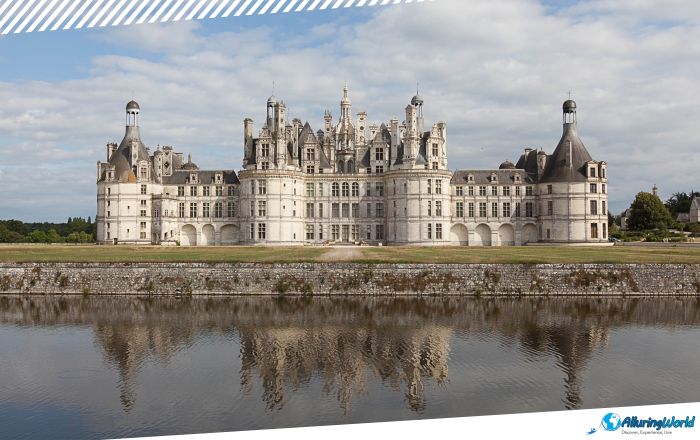
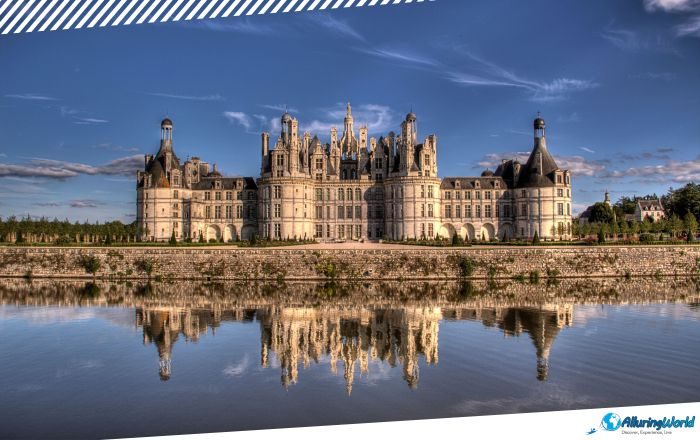
Château de Chambord is one of the most intriguing and recognizable châteaux in the world, with the word being the French equivalent of a castle, located in the Chambord Commune in the Loir-et-Cher Department, within the central part of the French Republic.
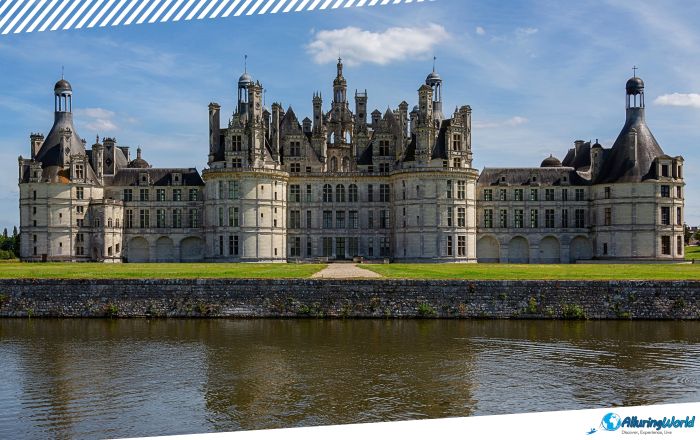
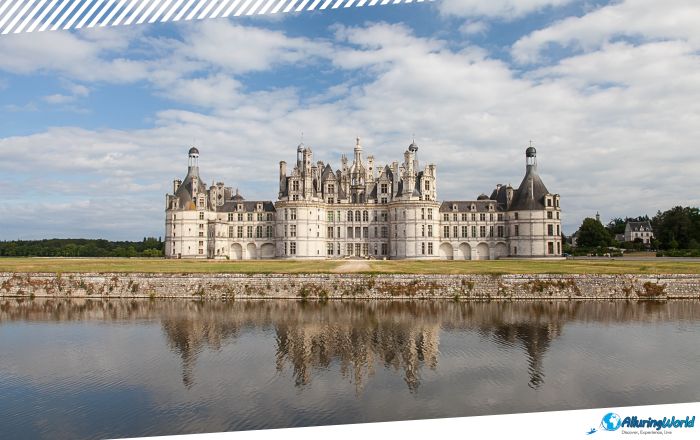
Being the largest castle in the Loire Valley, the Château de Chambord has a distinctive French Renaissance architecture which shows traditional medieval French forms with classical Renaissance structures. Designed by the Italian architect Domenico da Cortona, with Pierre Nepveu as the structural engineer, the construction of this architecturally very interesting castle began in 1519, and it was completed by 1549.
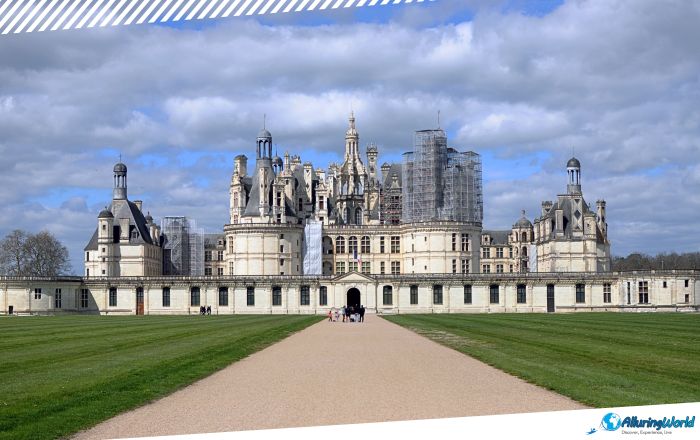
Even though it was not built as imagined at first, the castle was not built with great defensive walls, as it was the standard of that time, which makes it a little bit different from the castles that were built during the same period.
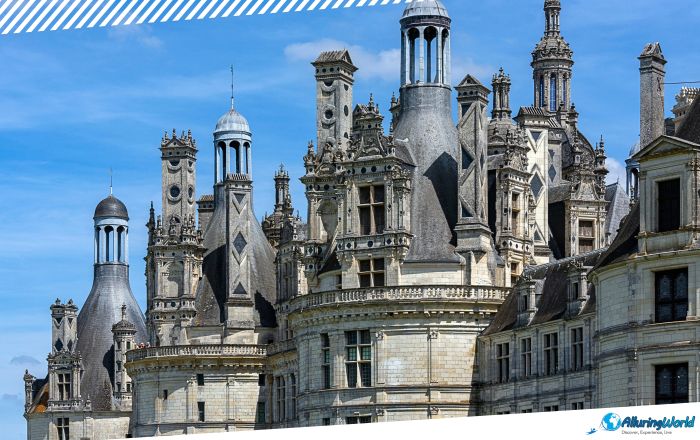
However, as is the case with the others, the châteaux have extensive gardens and water features, where the layout is somewhat reminiscent of a typical castle with a keep, which is a fortified tower built within the castle, corner towers, and a moat, which represents a deep, wide ditch that surrounds the castle.
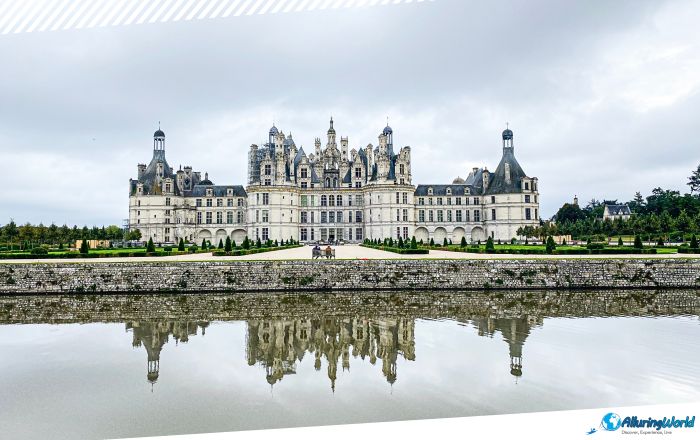
As a matter of fact, the central feature of the whole complex is the central keep, enclosed by four towers, which is richly decorated with plenty of gablets and smaller towers. The front of the châteaux has two distinct bastion towers; however, there are bases in the back for an additional two bastion towers, which were not built, and presently remain the same height as the wall.
ADVERTISEMENT
As it was not intended to be a defensive fort, it was not intended to be a permanent residence either. King François I is the sole person who ordered the construction of the alluring châteaux, who, in the end, spent only a few weeks living in it, leaving it empty of furniture and people after his visits.
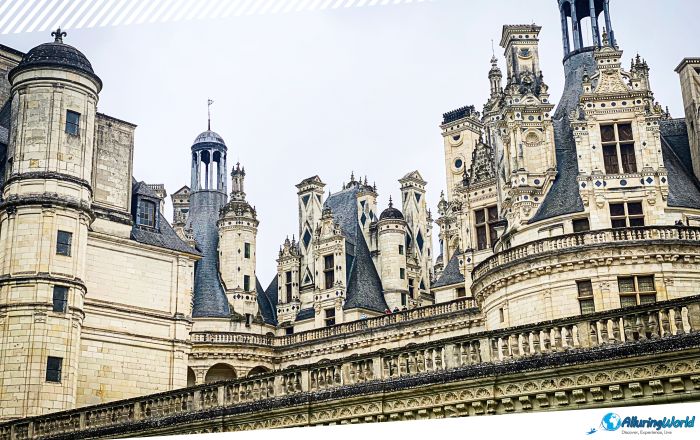
Nevertheless, the interior is somewhat rich in wall decorations in some of the rooms, and also with furniture, even though there was much more whenever the king visited it.
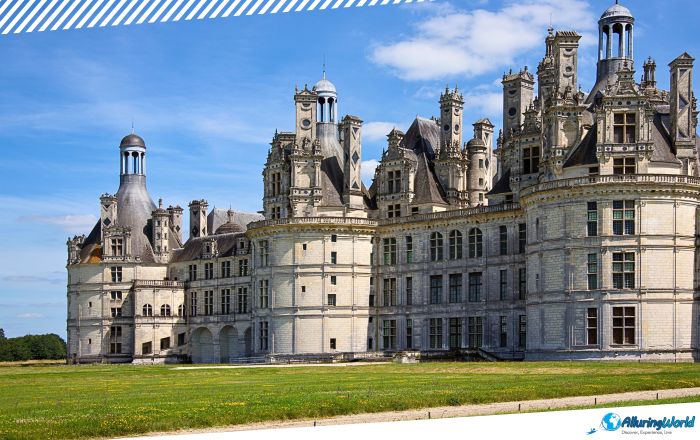
As it was an architectural jewel that the king liked to show to visiting crowned heads and ambassadors as a symbol of his power, the King did not see the full architectural glory of the castle, and as a matter of fact, it is one of the few buildings of that age that has survived without major modifications to its original design.
Nowadays, the sole responsible entity for the governance and management of the majestic châteaux is the Government, which, wishing to reunify François I’s domain, created an industrial and commercial public estate signed into law in February 2005.
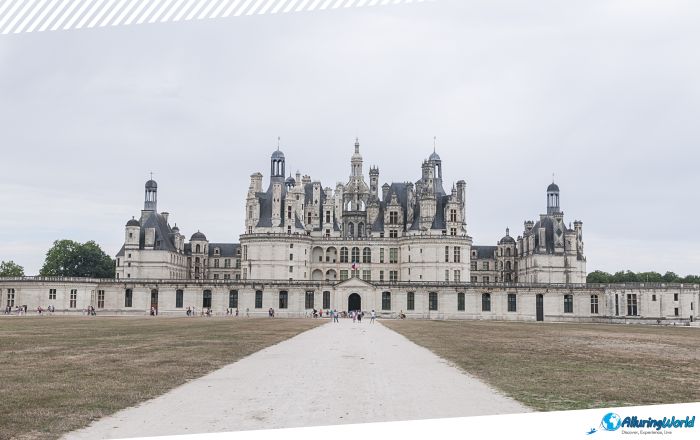
Enjoying a lot of public presence with pictures on candies, souvenirs, and models, it is also designated as a UNESCO World Heritage Site since 1981, confirming the real importance of its history, with the hope that it will be preserved for future generations to gaze and marvel.