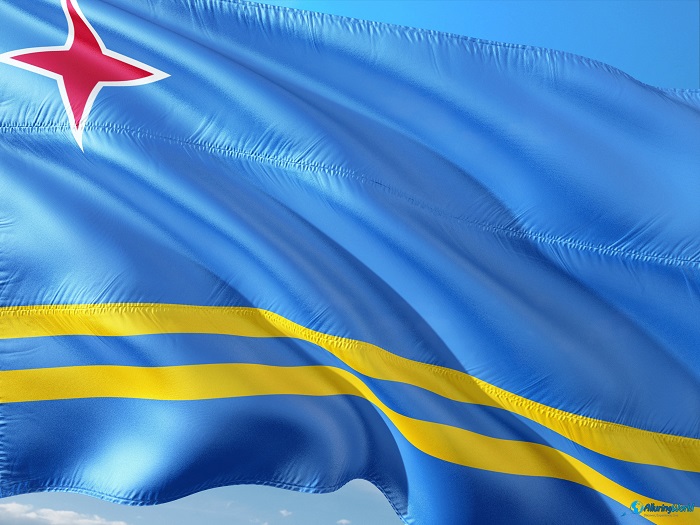
The SS Antilla shipwreck was a famous German freighter between the interwar period that was sunk during the Second World War near Palm Beach and Malmok Bay, off the northwestern coast of the constituent island country within the Kingdom of the Netherlands in the Caribbean Sea, the Country of Aruba. The shipwreck is considered one of the most fascinating and accessible underwater sites that can be seen in the Caribbean, although it is also known as one of the largest shipwrecks in the region, becoming a premier diving and snorkeling site. The story behind this vessel is tied to the maritime history and global events that occurred during World War II, giving it cultural and historical importance.
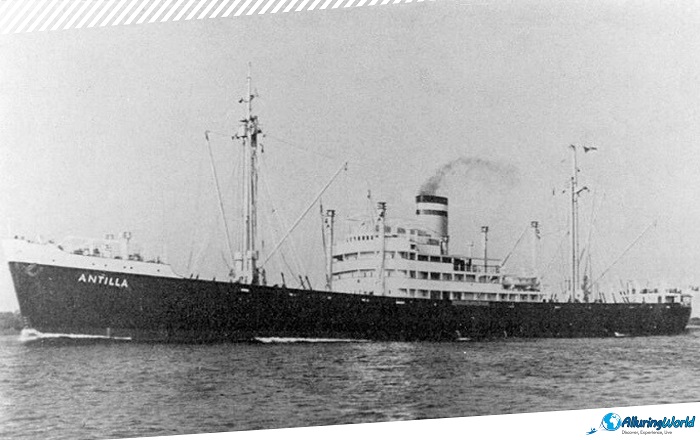
The Antilla was built in 1939 in Hamburg, Germany, right before the start of the Second World War, and was a relatively new vessel at the time of its demise. Designed as a German cargo ship, its purpose was to transport goods across the Atlantic at a time when Germany’s maritime activity was closely linked to its expanding global interests. Equipped with all modern features from this time period, this included a streamlined design that allowed for efficient movement of cargo, and according to some records, it may have been fitted with technology adaptable for military use if required. While primarily commercial in nature, the ship represented Germany’s growing industrial output in the years just before the outbreak of World War II.
As soon as the war started, the Antilla raised suspicions when it arrived in the Caribbean in the early years of the war. Since Aruba’s location was strategically important due to its oil refineries, which were critical to the Allied war effort, the Dutch authorities did not want to take a risk and have the Germans “influence” or conquer the island. As tensions continued to mount, the presence of the German vessel raised further concerns among the Dutch authorities, and the rapid escalation of the tensions between the Axis and Allied powers was not helpful at all. The ship anchored off Aruba’s coast in 1940, but its fate was sealed soon after.
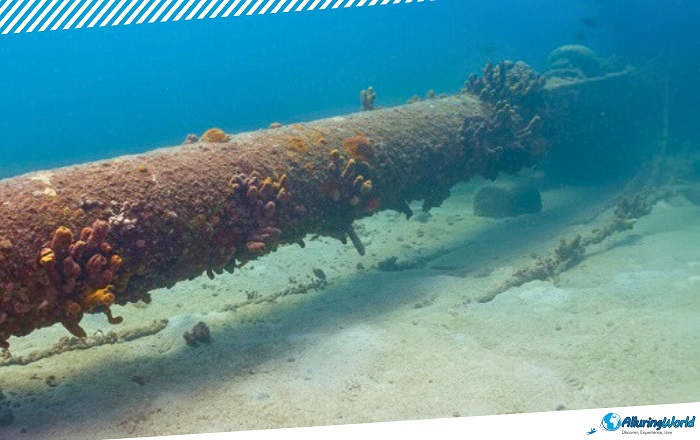
When Germany invaded the Netherlands on 10 May 1940, it changed the political and military context overnight. Aruba, as it was and still today is under Dutch control, immediately became hostile territory for the German ship and its crew. Dutch authorities moved to seize the SS Antilla as part of their response to the invasion. Rather than allow the vessel to be captured and used by enemy forces, unfortunately, the German crew scuttled the ship, thus deliberately sinking it to prevent it from falling into Dutch hands. Explosive charges and flooding mechanisms were employed to ensure the ship would never be operable again.
ADVERTISEMENT
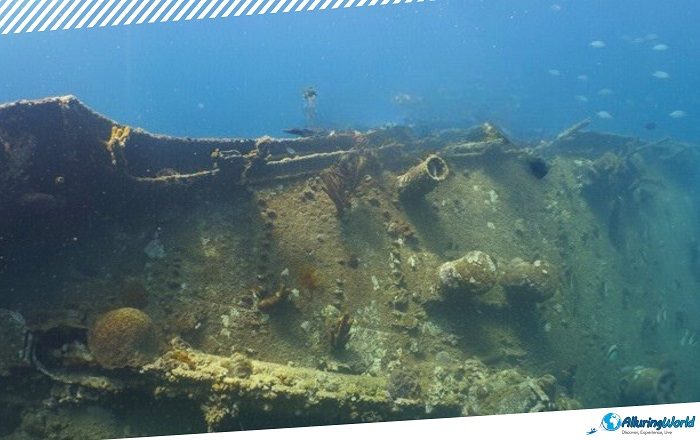
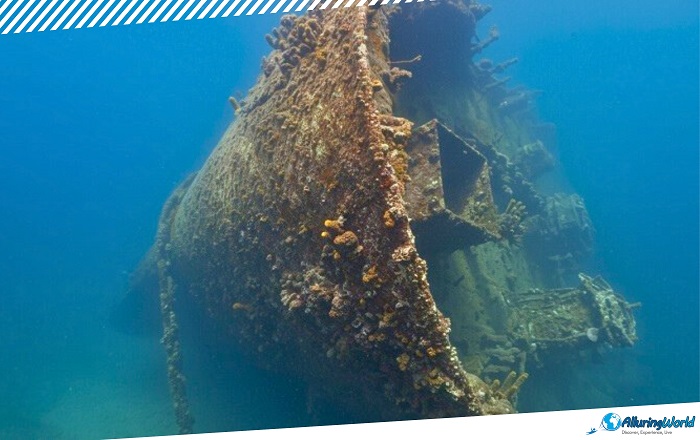
Since SS Antilla was in shallow waters, just off the coast of Aruba, its deliberate scuttling made this iron giant stay in its last position to this day. Lying at a depth of about 18 m (60 ft), the wreck is remarkably accessible for divers and snorkelers. The length of the vessel is approximately 122 m (400 ft), hence why it is, if not the largest one, but at the top of the list of large shipwrecks in the Caribbean, which provides an ample opportunity for adventurous explorers. Over the decades, sadly, the wreck has broken into several large sections, with the superstructure and cargo holds partially collapsed, creating a dramatic underwater landscape.
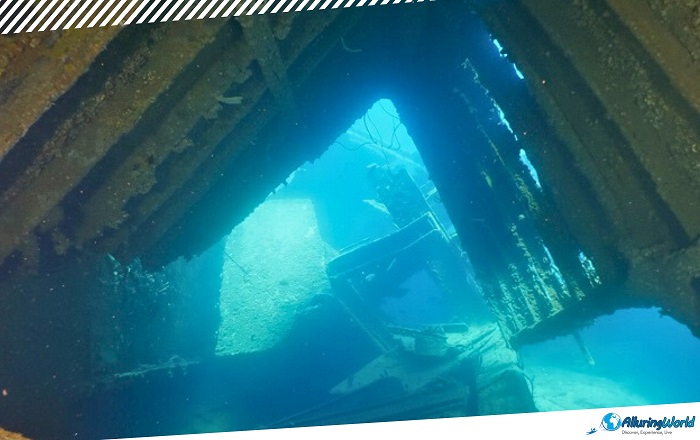
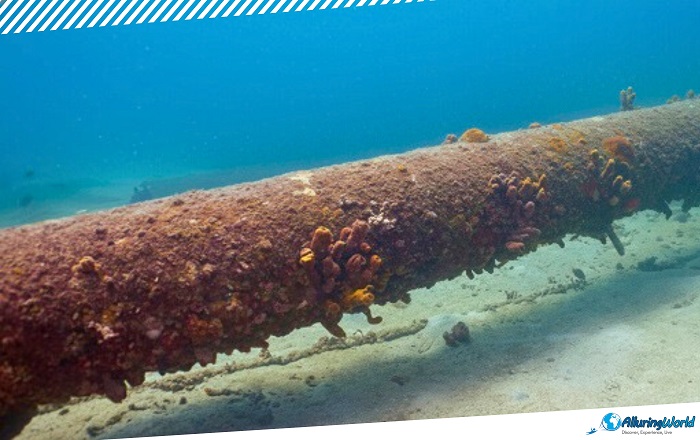
The wreck of the Antilla has since become an artificial reef, providing habitat for an impressive variety of marine life. There are coral and sponges that cover large parts of the hull, and as divers can see schools of tropical fish, barracuda, and even sea turtles, just being in this underwater environment can be overwhelming in a positive way. This transformation from a wartime casualty to an ecological sanctuary underscores the dual nature of the site, because it is seen as a historical relic from a dark past, while in the present, it is an important and vibrant marine ecosystem. The accessibility of the wreck, combined with the abundance of sea life, makes it a favorite destination for recreational divers and one of Aruba’s most photographed underwater attractions.
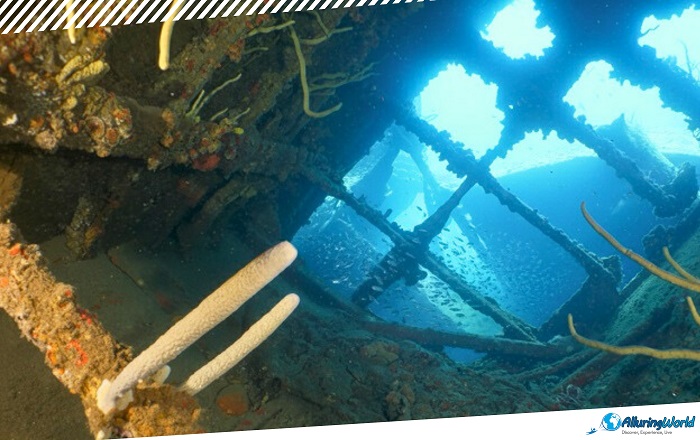
Today, the SS Antilla is more than a diving site; it is also a symbol of Aruba’s connection to global events during World War II. The sinking puts a major accent on the importance Aruba had during the wartime period, because its oil refineries were a vital asset for Allied operations in Europe. In addition to this, the wreck serves as a reminder of how even a relatively small Caribbean island, which was not intended to play any role in a big event such as the Second World War, was still touched by the far-reaching impacts of the war.
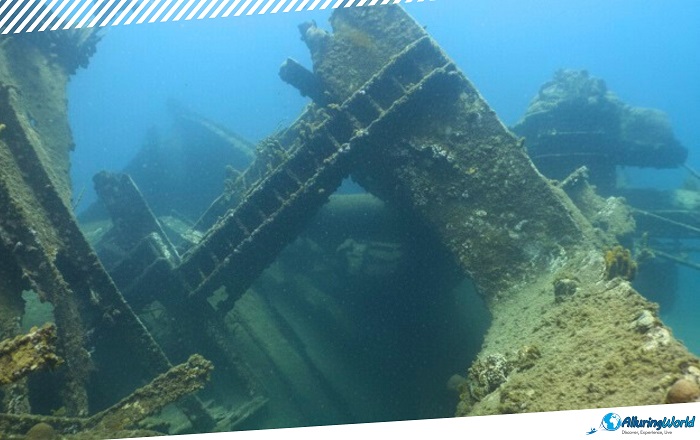
For visitors, reaching the wreck is simple, as numerous dive operators in Aruba offer trips to the site. There are some snorkeling tours that are available, especially for those who may not be certified divers or do not feel comfortable going deep down the Caribbean, but still wish to glimpse the ship from the surface. The shallow depth allows for clear visibility, especially in Aruba’s calm, warm waters. Conditions are generally best during the dry season, from January to August, when seas are calm, and visibility is excellent.
In conclusion, the SS Antilla shipwreck off the coast of Aruba is both a historical and natural treasure. Built in 1939 as a German cargo ship, it was scuttled by its crew in 1940 to prevent capture by Dutch forces following Germany’s invasion of the Netherlands. As it lies in shallow waters today as one of the Caribbean’s largest and most accessible wrecks, it shall continue to attract divers and snorkelers alike from around the world who would like to see a piece of history in the Western hemisphere. Combining a rare opportunity of history, adventure, and ecological beauty, it is probably one of the most significant attractions that should not be missed when you are in Aruba. So, if you are visiting this Caribbean gem in the southern part of the Caribbean region, splurge on yourself and do something different than staying in a hotel and the fantastic beaches, and do something outside your comfort zone, and snorkel or dive around the interesting SS Antilla.